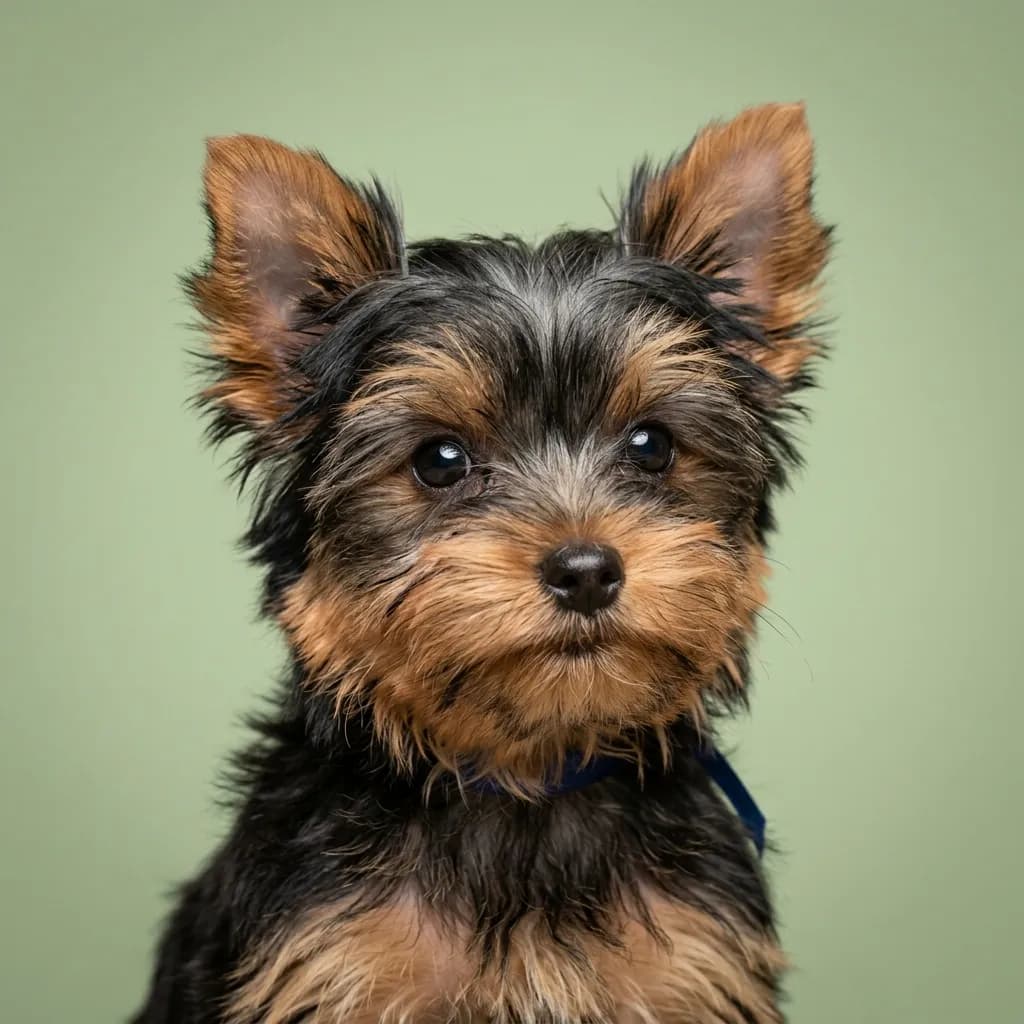
Progressive Retinal Atrophy
What It Is
Progressive Retinal Atrophy (PRA) is a genetic condition that causes the retina—the part of the eye responsible for vision—to deteriorate over time. Think of it like a slow dimming of the lights, eventually leading to complete blindness. It’s painless, which is good, but devastating for both dog and owner. PRA affects at least 103 dog breeds, and while the age of onset varies, most dogs start showing signs between 1 and 8 years old. The disease is inherited, usually in an autosomal recessive pattern—meaning a dog needs to inherit two copies of the faulty gene (one from each parent) to develop it. There’s no cure, but knowing your breed’s risk can help you plan ahead.
Symptoms to Watch For
Early signs can be easy to miss. You might notice your dog hesitating in dim light or at night—bumping into furniture, avoiding dark rooms, or seeming “startled” in low-light conditions. That’s because PRA typically starts with night blindness. As it progresses, your dog’s pupils may stay dilated more often, and you might see a shiny reflection in their eyes (called tapetal hyperreflectivity) from light bouncing off the thinned retina. Eventually, daytime vision fades too. Most dogs adapt surprisingly well using their other senses, especially smell and hearing, but it can still be tough emotionally. The timeline varies—some dogs go blind within a year of first symptoms, others take several years.
Diagnosis
If you’re seeing these signs, your vet will likely refer you to a veterinary ophthalmologist. The gold standard for diagnosis is an electroretinogram (ERG), which measures the retina’s electrical response to light—kind of like an EKG for the eye. It’s very accurate but can cost $300–$600 and usually requires sedation. A thorough eye exam with an indirect ophthalmoscope can also reveal telltale changes like retinal thinning or blood vessel narrowing. The best part? Many cases can be caught before symptoms appear through genetic testing. A simple cheek swab or blood test can identify if your dog carries the gene mutation—some tests even distinguish between clear, carrier, and affected status. These genetic panels run $60–$150, depending on the lab and breed.
Treatment Options
Here’s the hard truth: there’s no treatment that stops or reverses PRA. No medication, no surgery, no supplement has been proven to halt the progression. Some vets suggest antioxidants like omega-3s or vitamins A and E, but evidence is anecdotal at best. The focus is on management—helping your dog adjust to vision loss. Keep furniture in the same place, use scent markers or tactile cues (like rugs), and stick to consistent routines. Most dogs do remarkably well in familiar environments. If you’re dealing with secondary anxiety or disorientation, your vet may recommend behavioral support or anti-anxiety meds, but these don’t treat PRA itself—just the side effects.
Prevention and Screening
This is where you, as a prospective owner, have real power. Breeding dogs should be genetically tested before they’re bred. Reputable breeders will provide proof of PRA testing—don’t hesitate to ask. Avoid breeders who say “we’ve never had a problem” without test results. For your own dog, especially if they’re from a high-risk breed, a one-time genetic test gives you lifetime clarity. If your dog is a carrier (has one copy of the gene), they won’t get PRA but could pass it to offspring—so spay/neuter discussions matter. Annual eye exams by a board-certified ophthalmologist (CVO exam) are also wise for at-risk breeds, even if they test clear genetically, since new mutations can pop up. Those exams run $150–$250 a year.
Breeds Most at Risk
PRA hits herding breeds hardest—23 affected breeds in that group alone. That includes Australian Shepherds, Border Collies, and all four Belgian breeds (Malinois, Tervuren, Sheepdog, Laekenois). Sporting and Foundation Stock Service breeds are also heavily represented. Among the big names: Akitas, Basenjis, Bernese Mountain Dogs, and American Eskimo Dogs. Even some Toy breeds like Poodles and Papillons are on the list. If you’re considering one of these breeds, PRA should be non-negotiable on your health checklist. Ask for OFA (Orthopedic Foundation for Animals) eye certification or results from labs like OptiGen or Paw Print Genetics. It takes five minutes to check, but it could save you years of heartache.
Breeds commonly affected
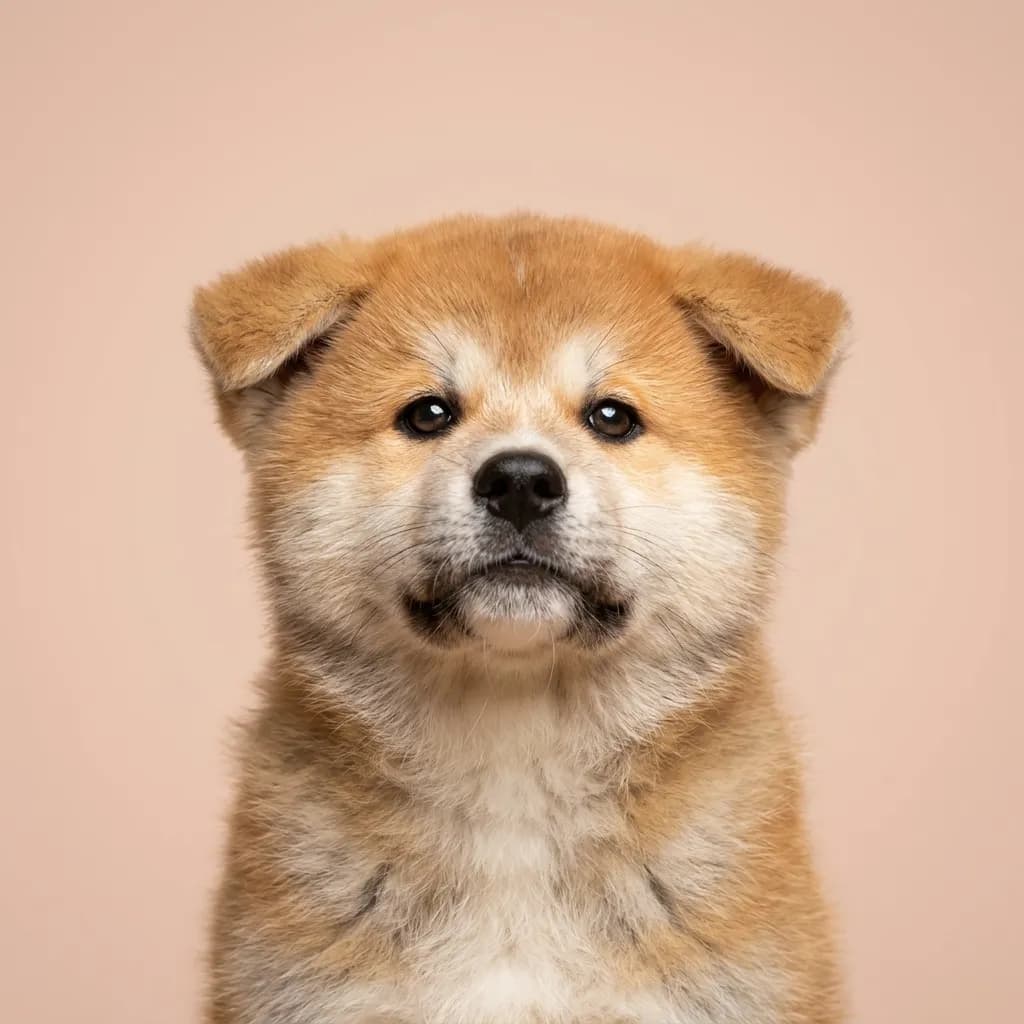
Akita
Working Group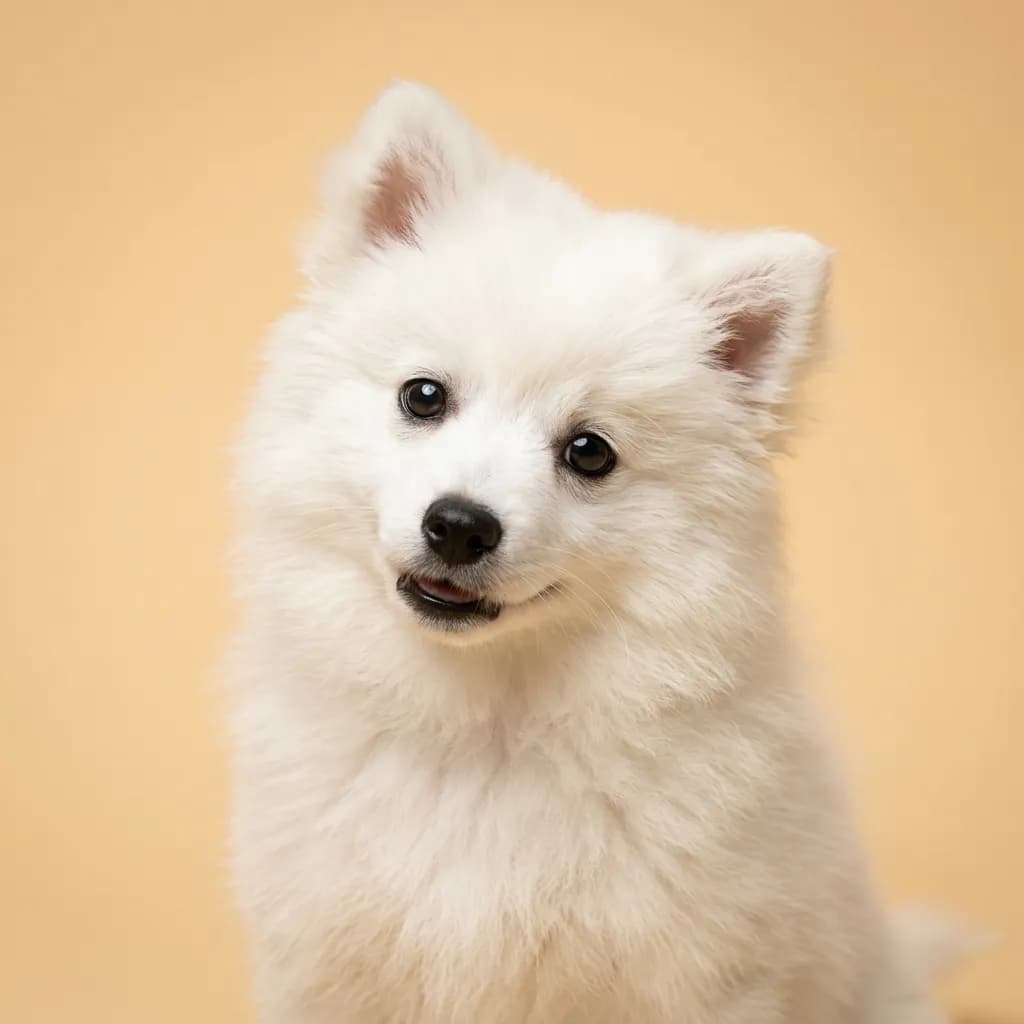
American Eskimo Dog
Non-Sporting Group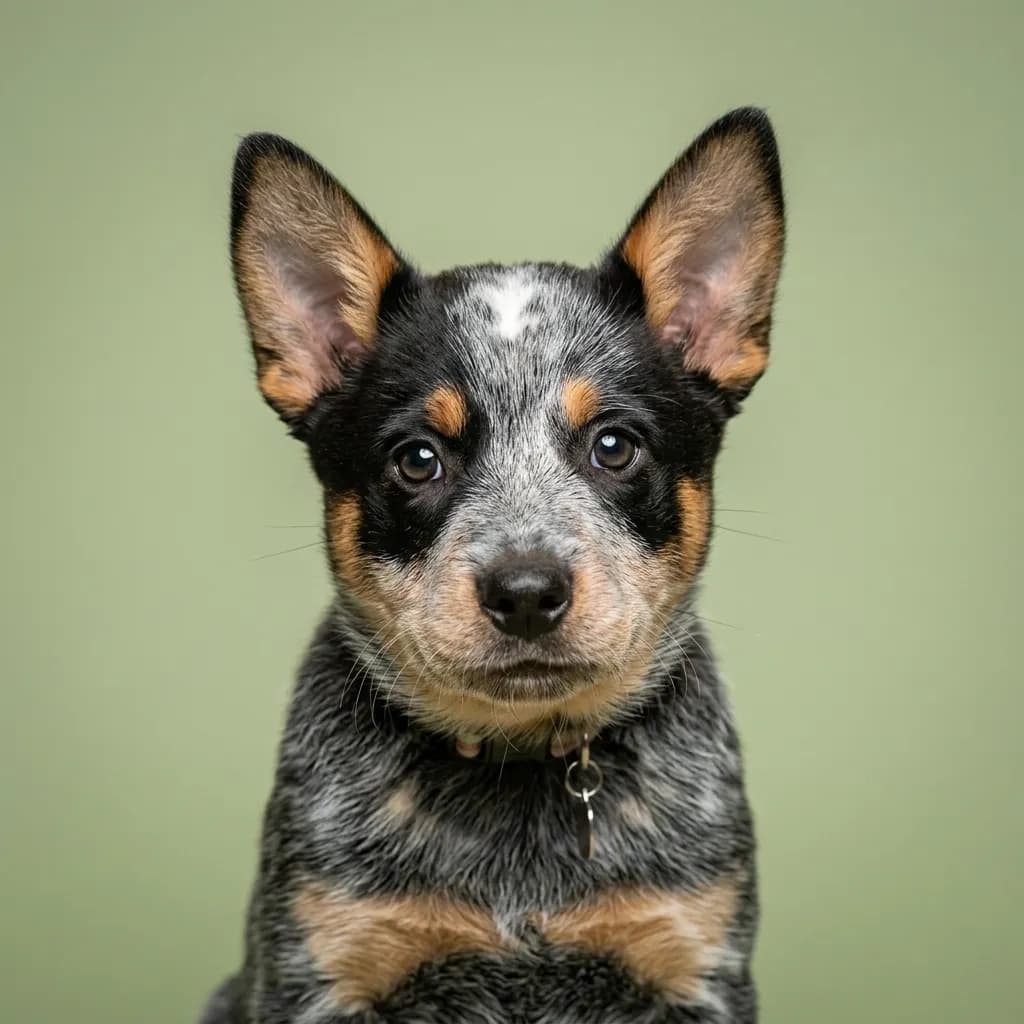
Australian Cattle Dog
Herding Group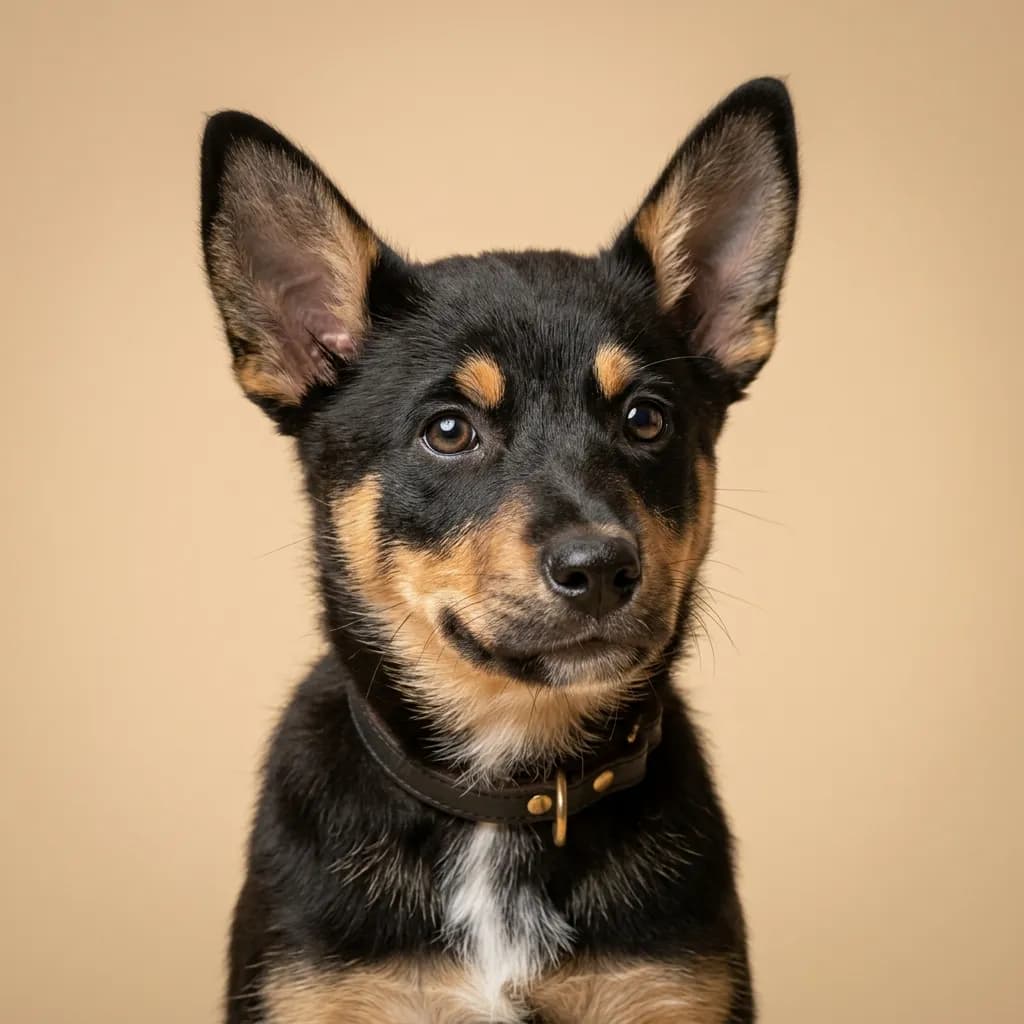
Australian Kelpie
Foundation Stock Service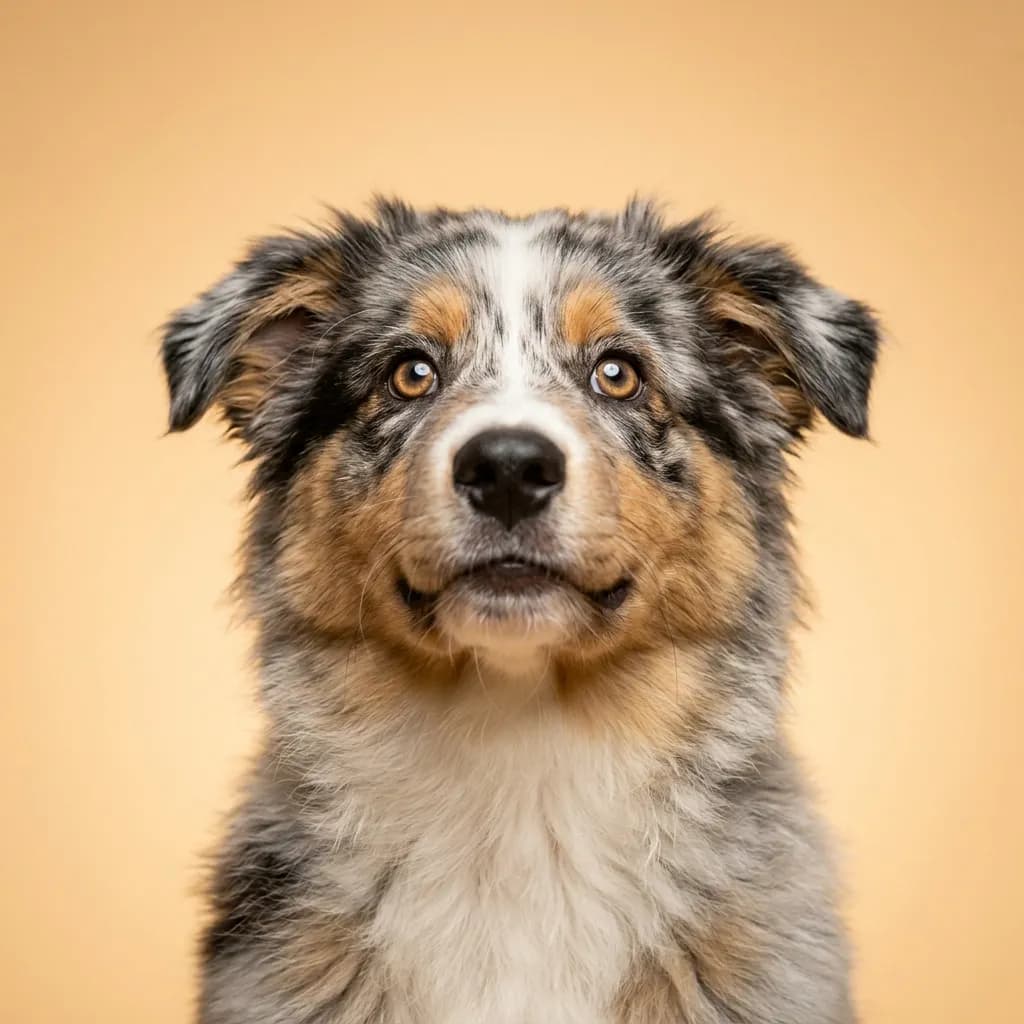
Australian Shepherd
Herding Group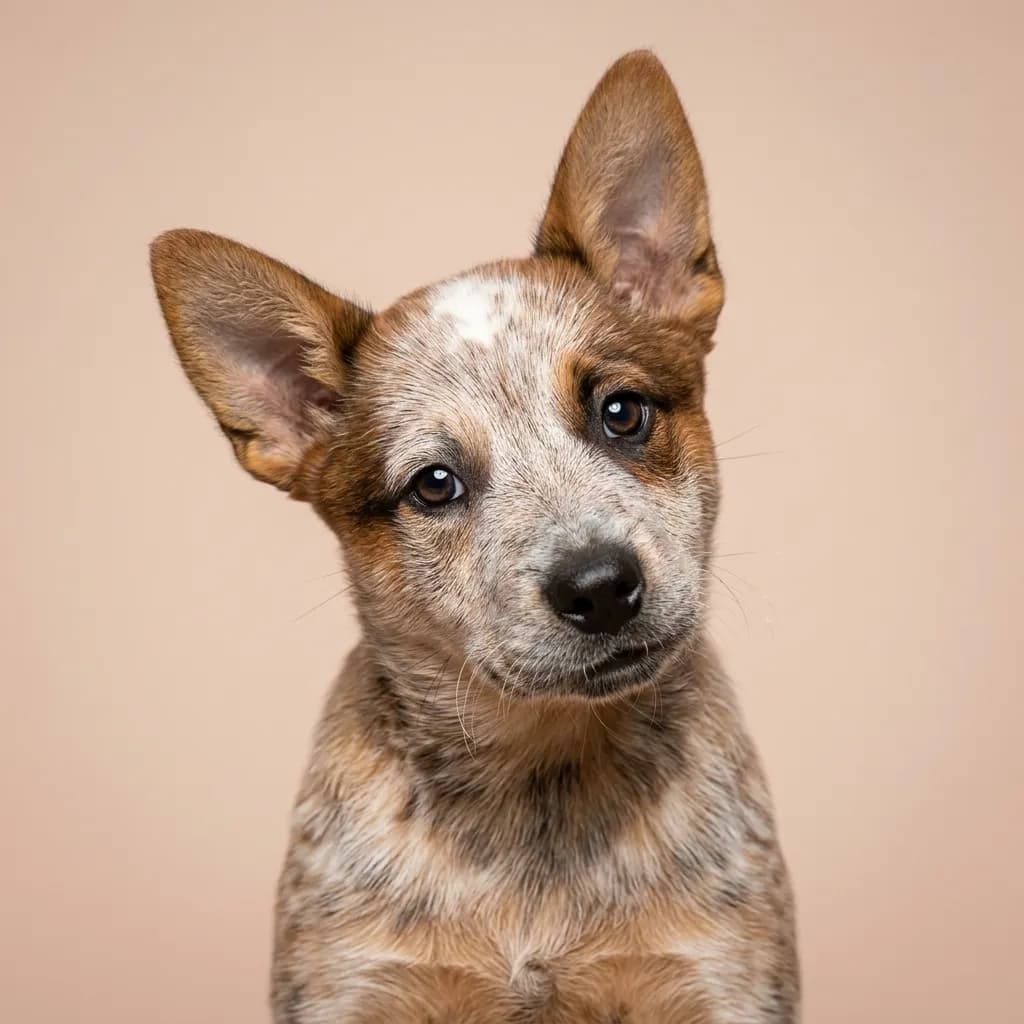
Australian Stumpy Tail Cattle Dog
Foundation Stock Service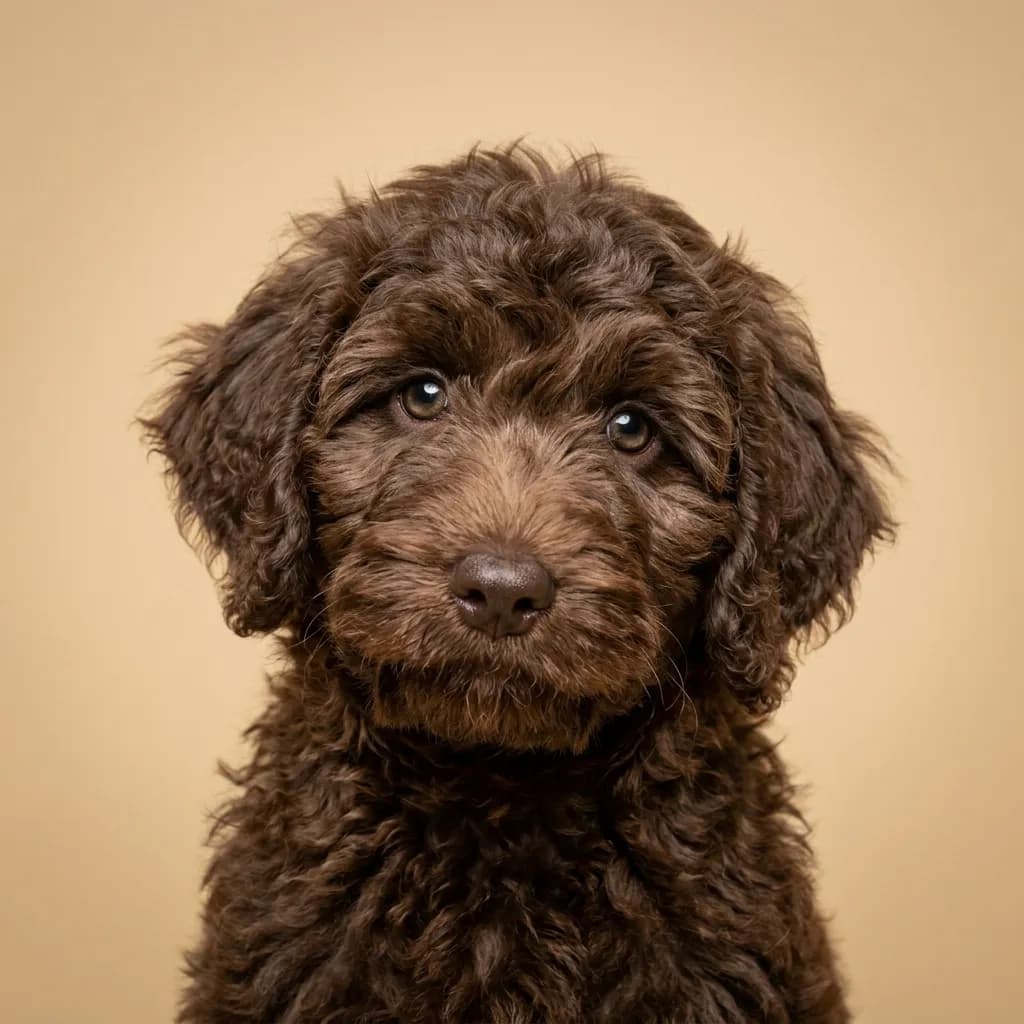
Barbet
Sporting Group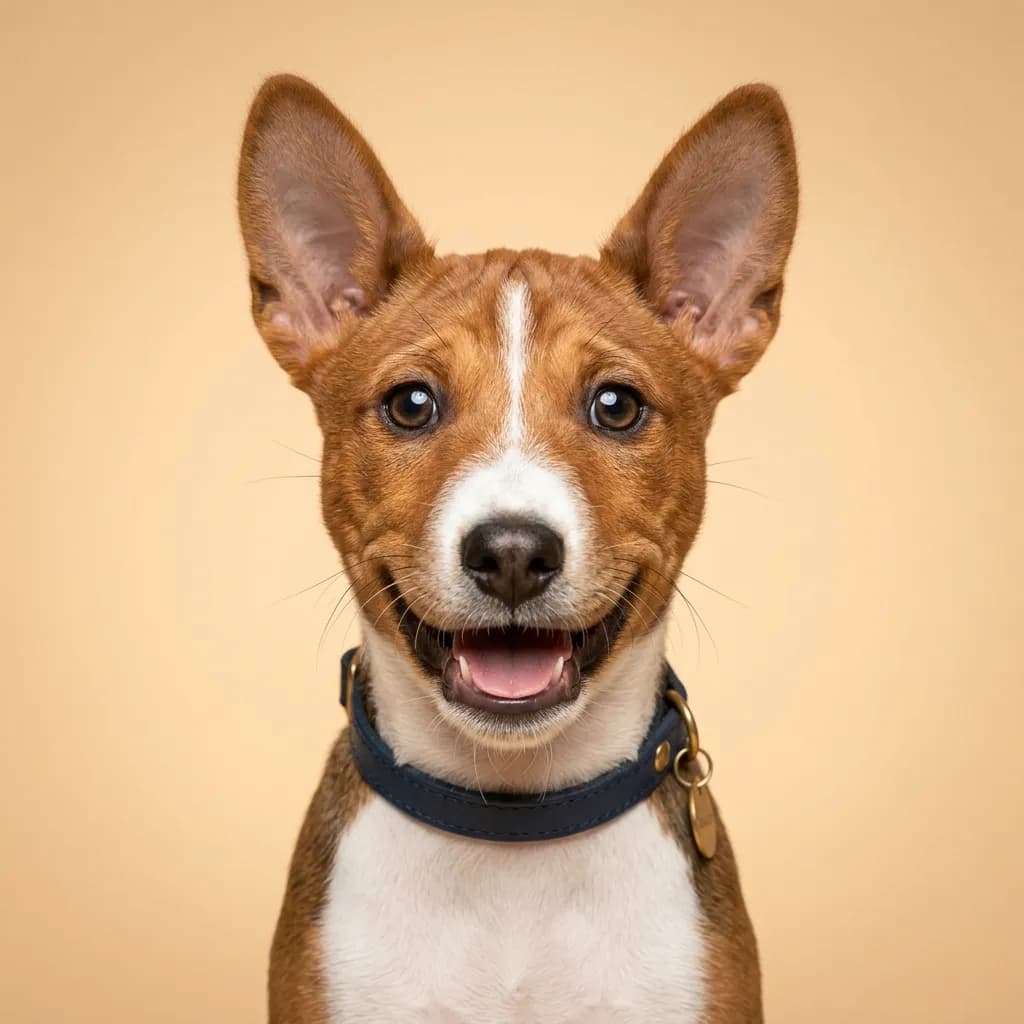
Basenji
Hound Group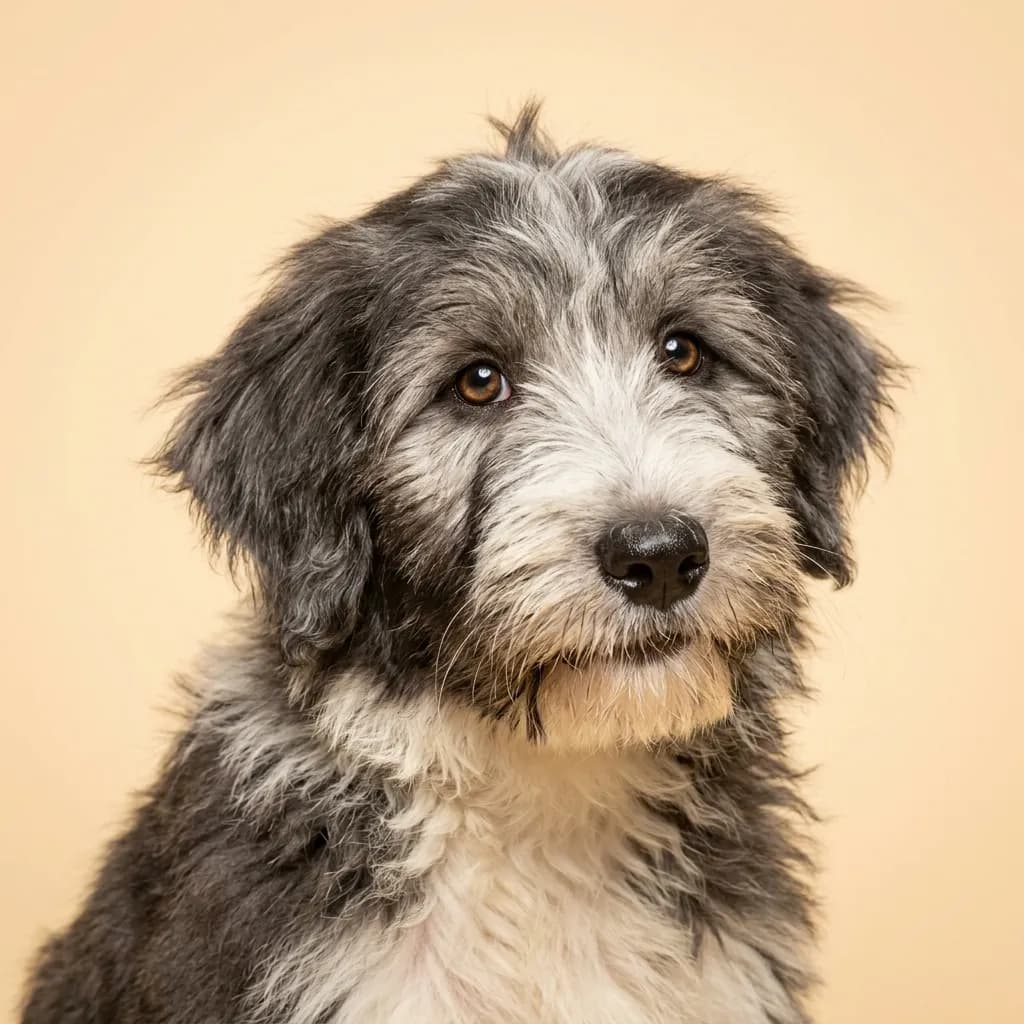
Bearded Collie
Herding Group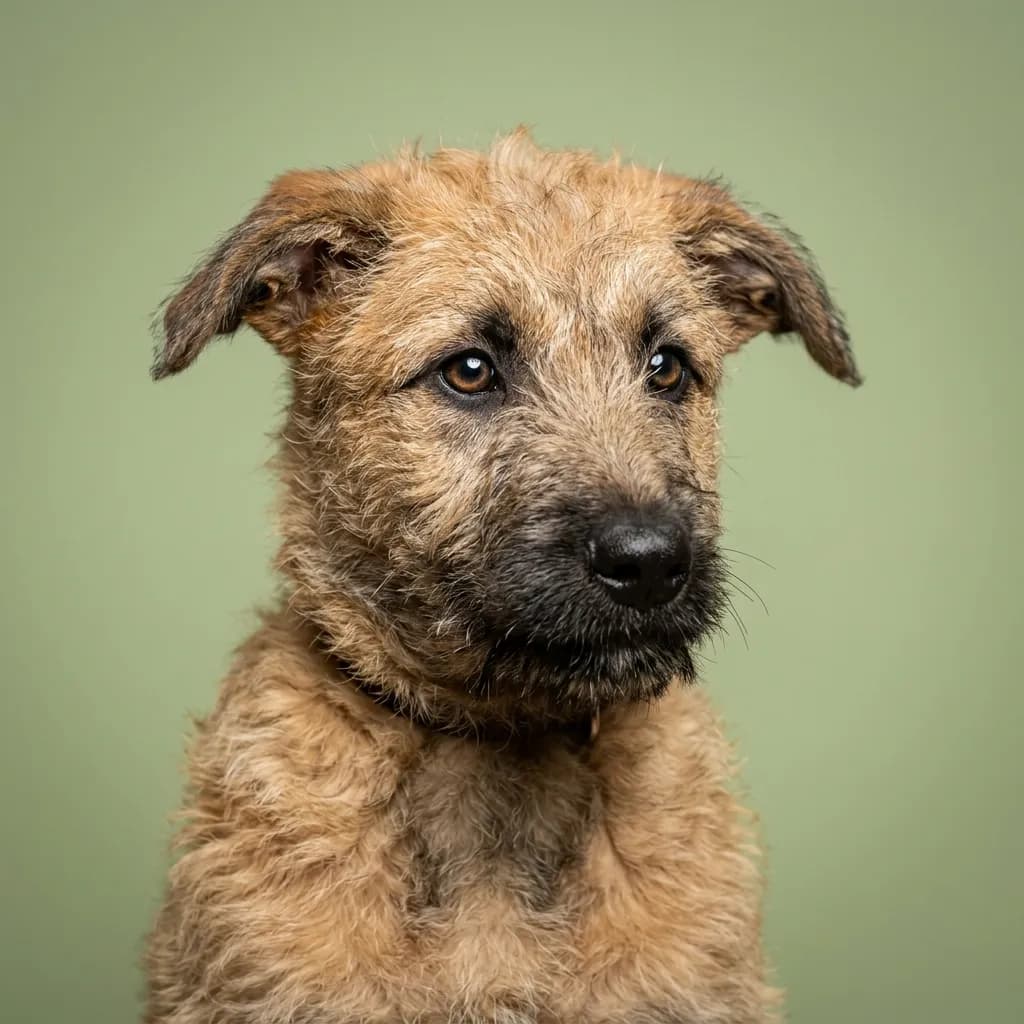
Belgian Laekenois
Miscellaneous Class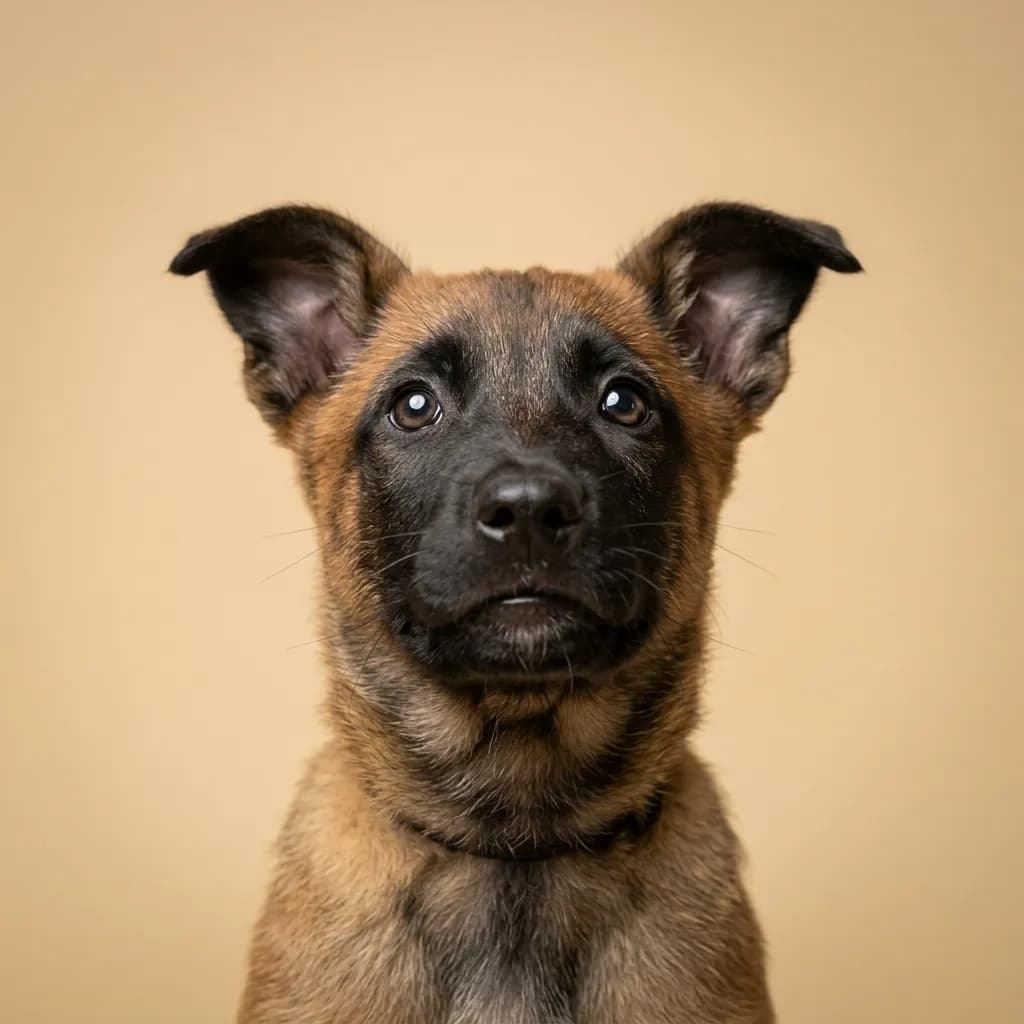
Belgian Malinois
Herding Group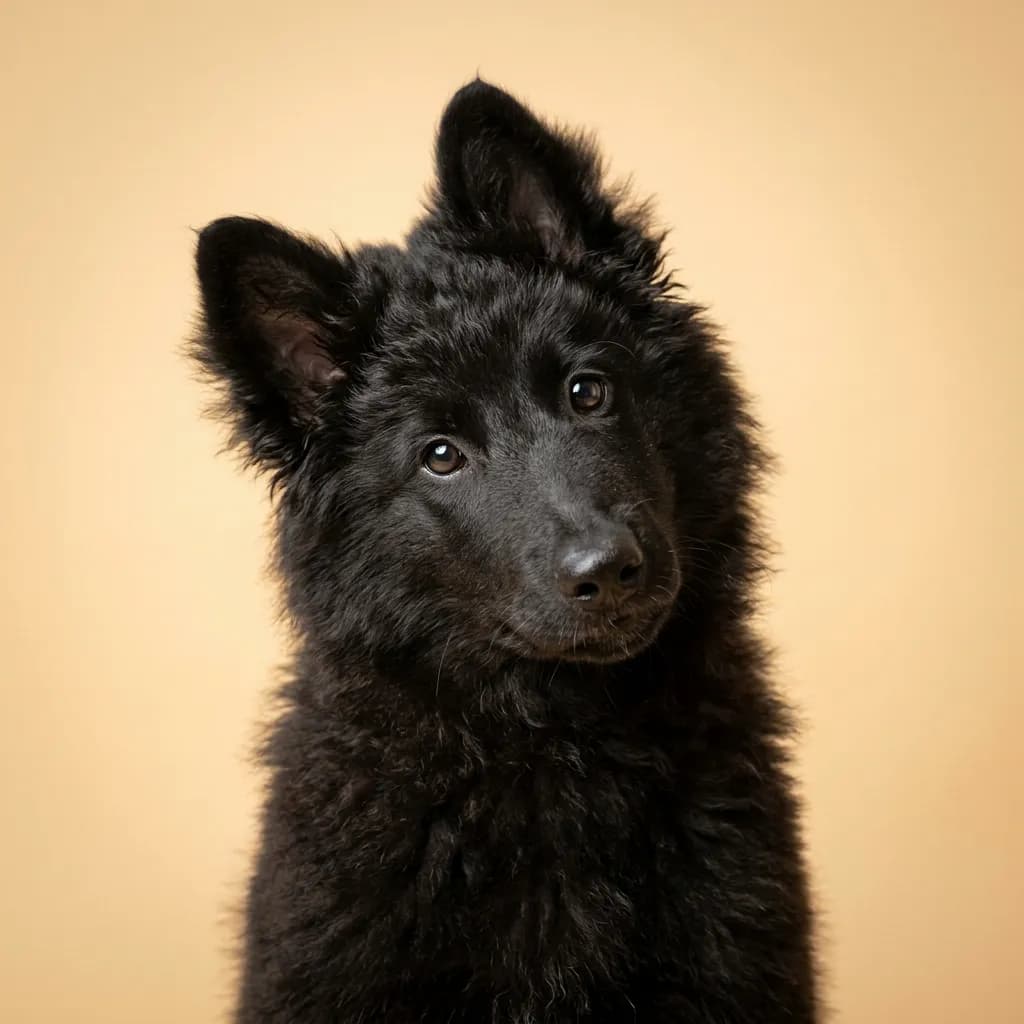
Belgian Sheepdog
Herding Group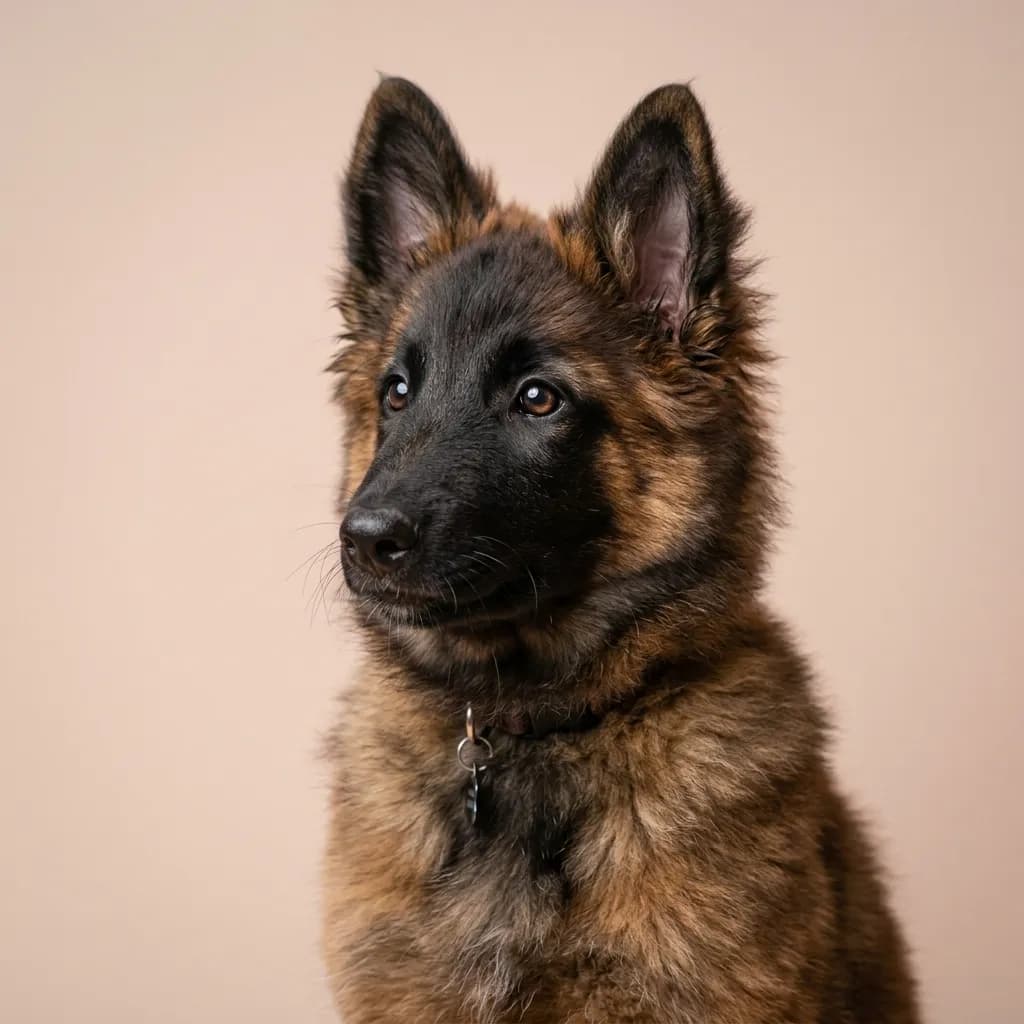
Belgian Tervuren
Herding Group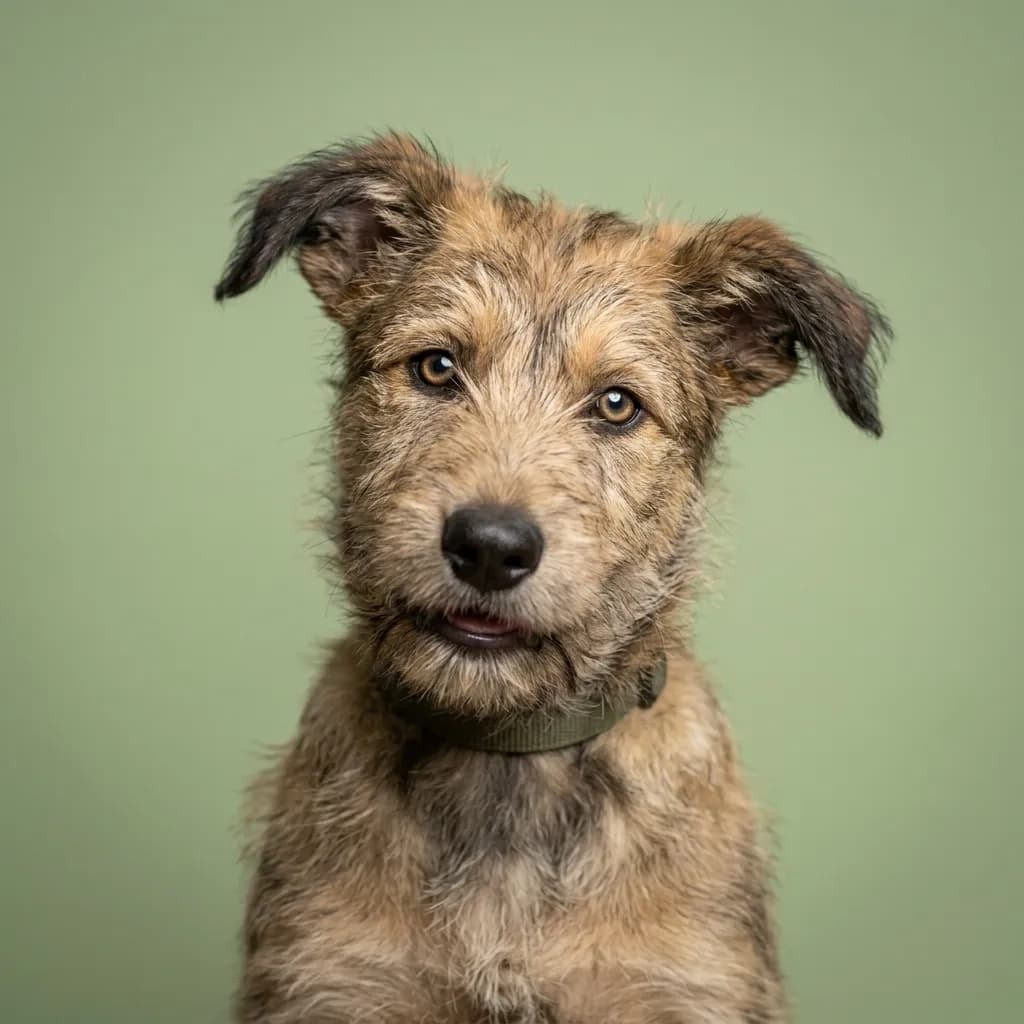
Berger Picard
Herding Group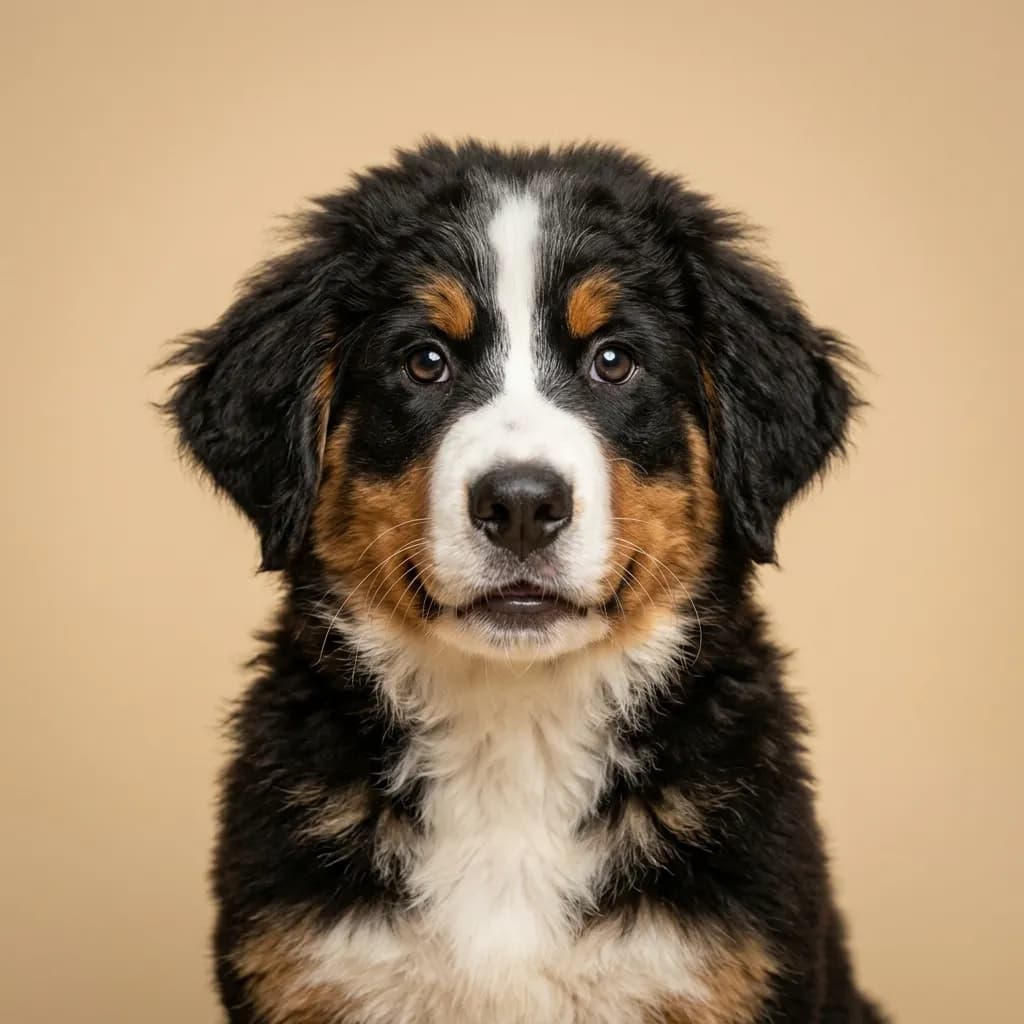
Bernese Mountain Dog
Working Group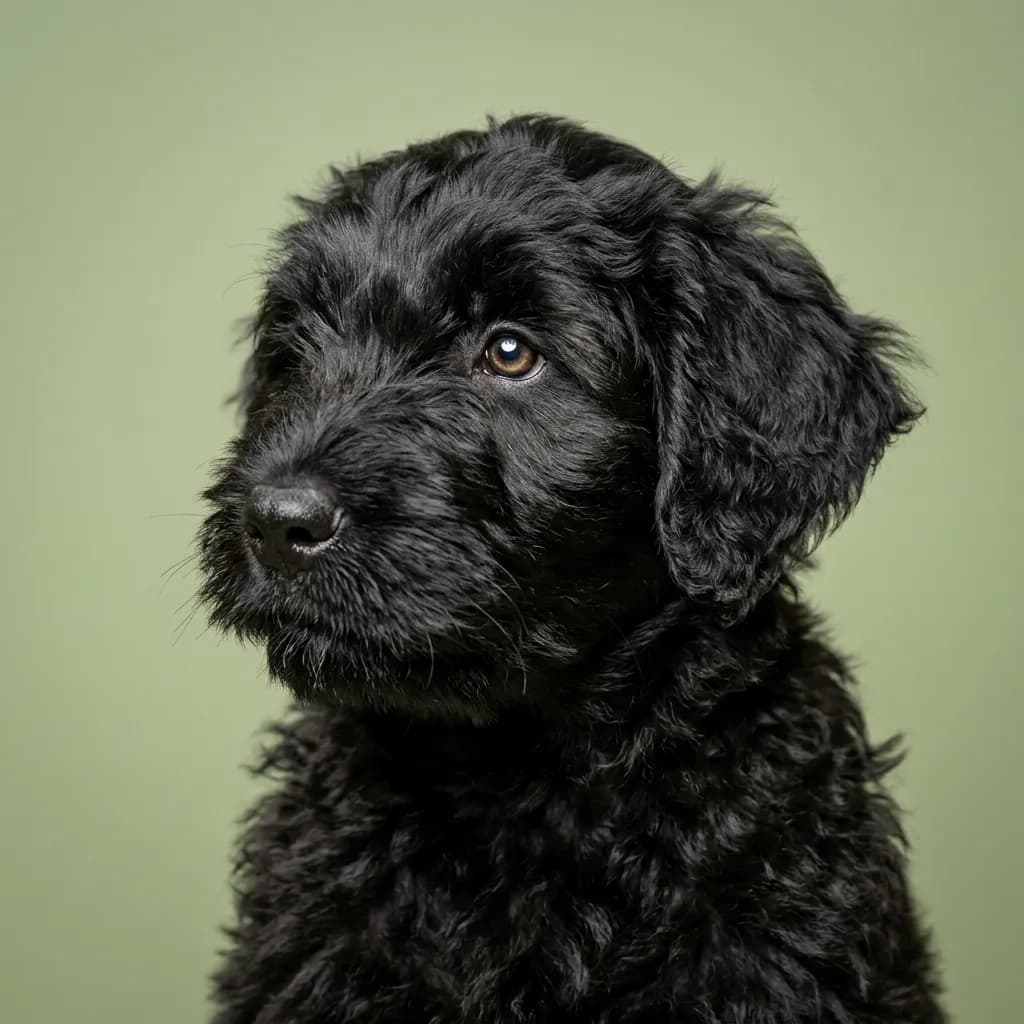
Black Russian Terrier
Working Group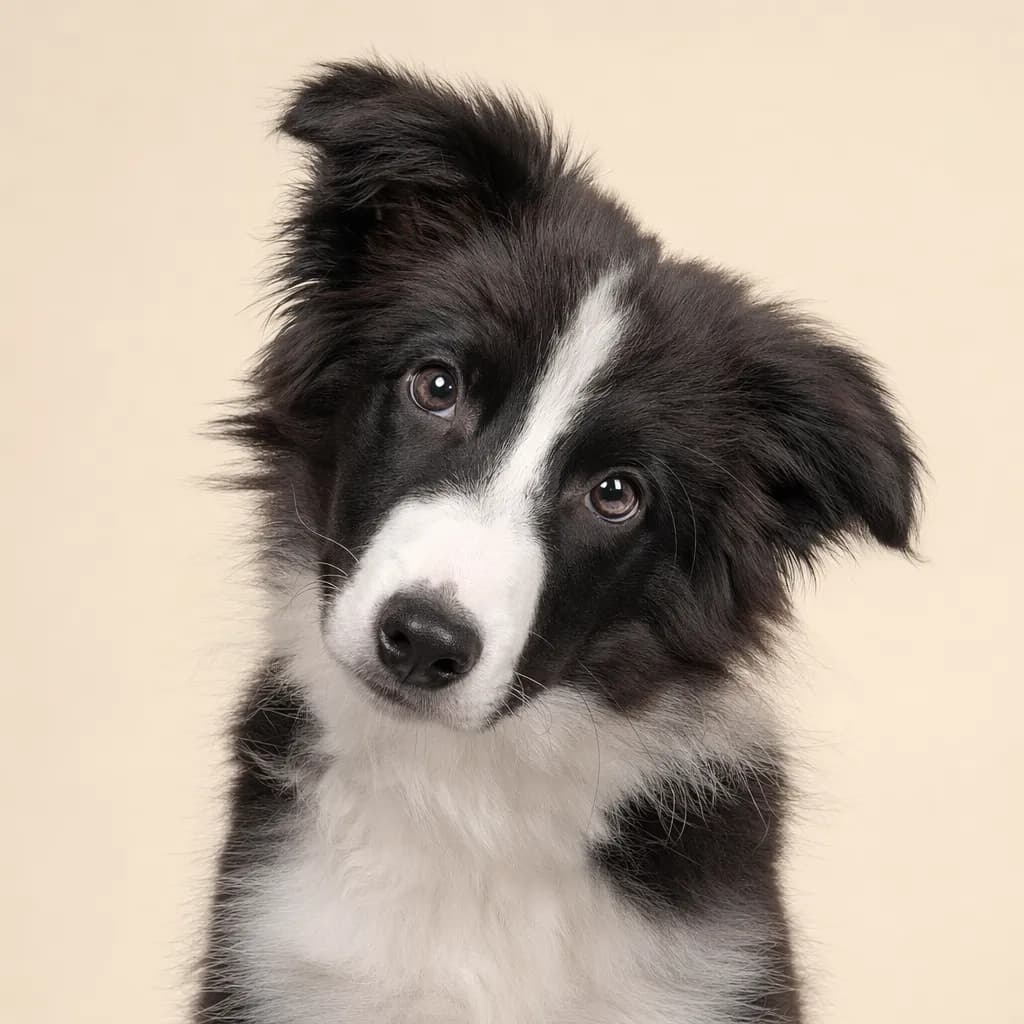
Border Collie
Herding Group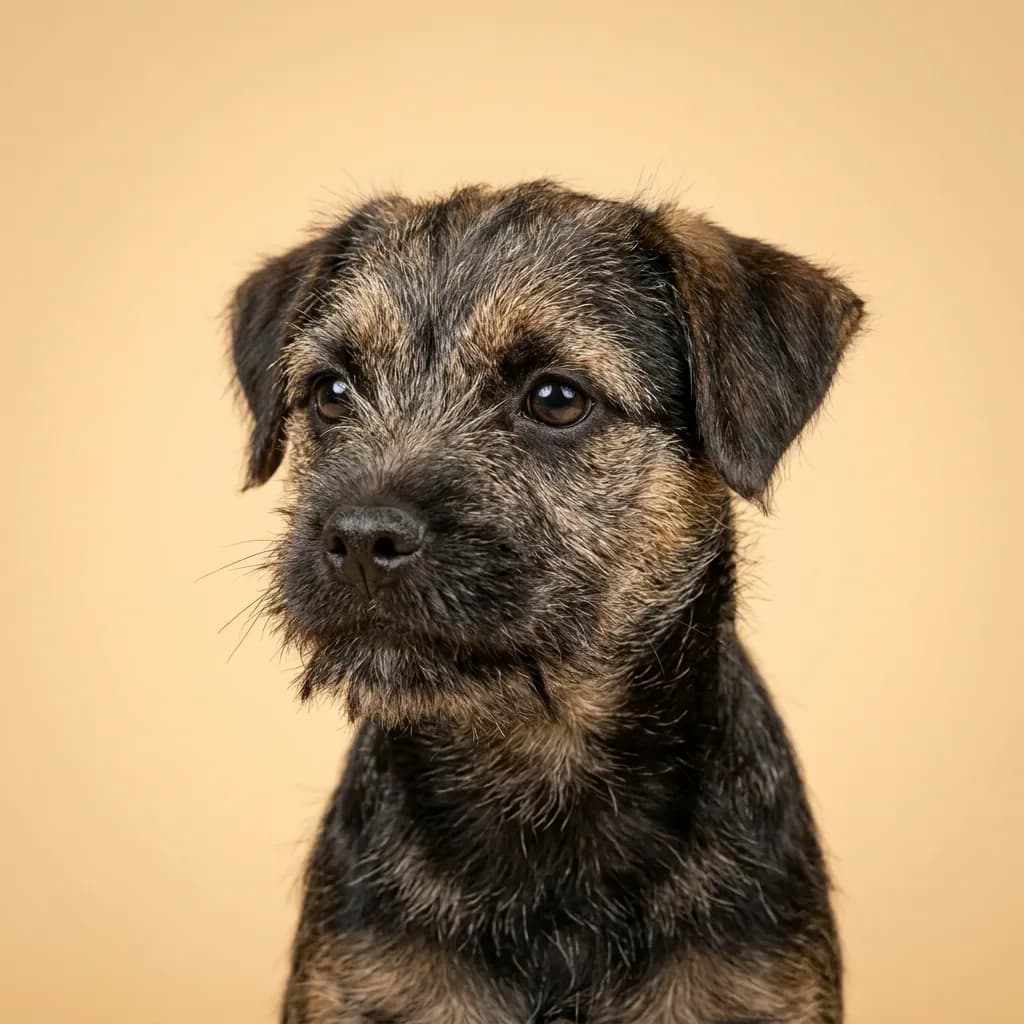
Border Terrier
Terrier Group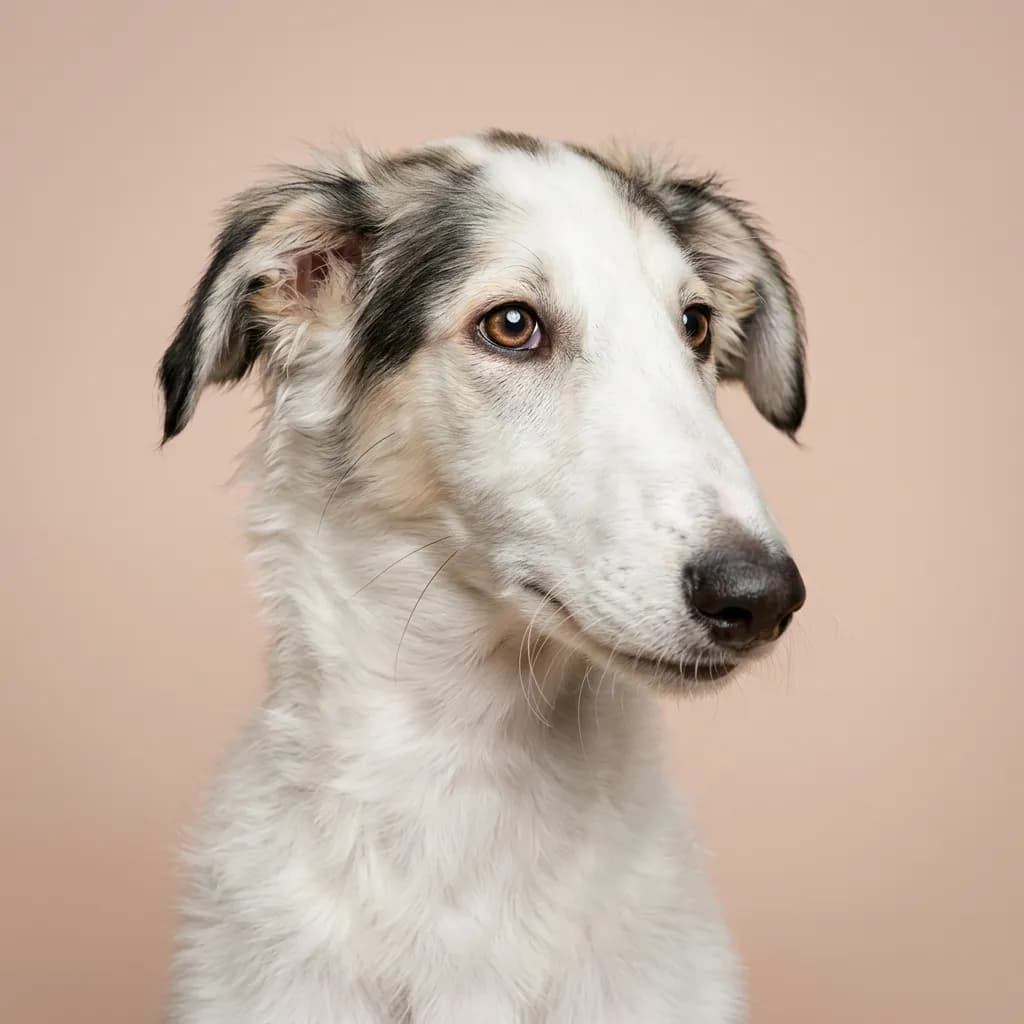
Borzoi
Hound Group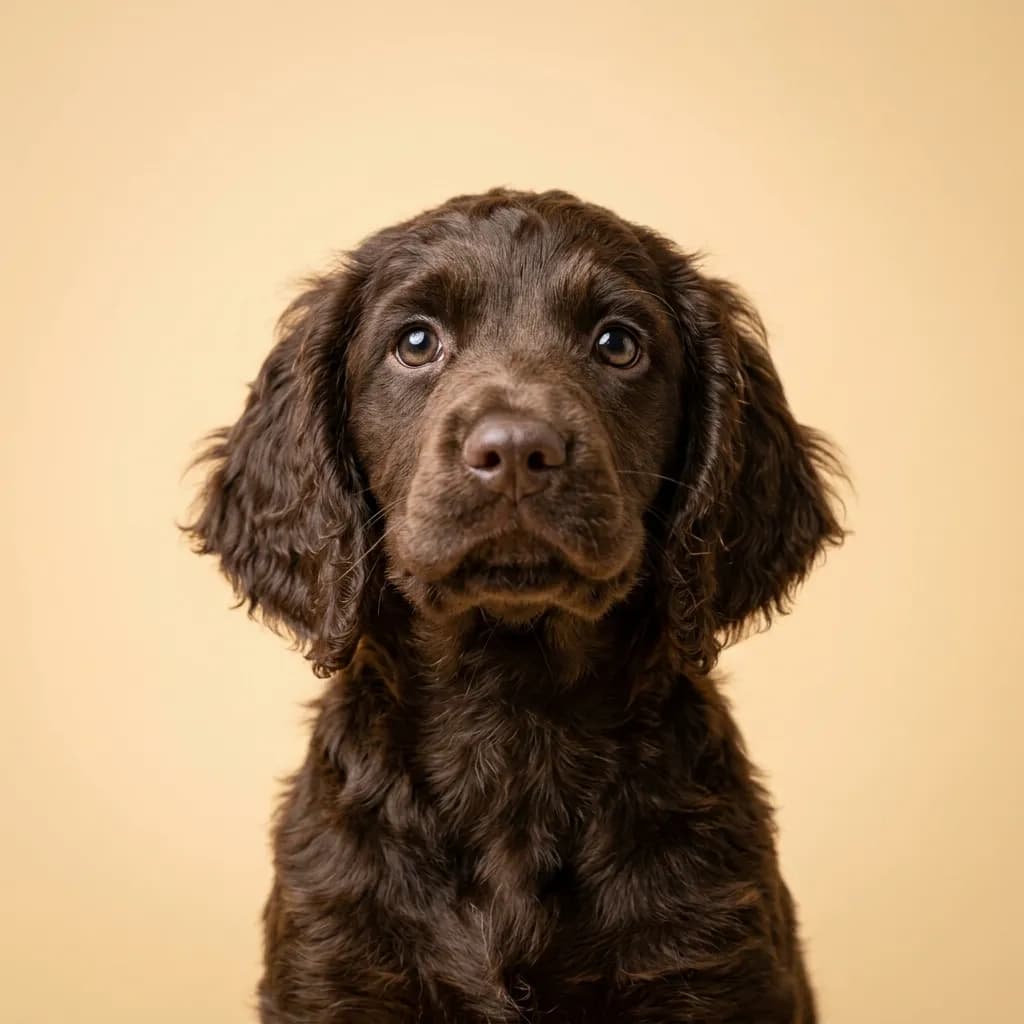
Boykin Spaniel
Sporting Group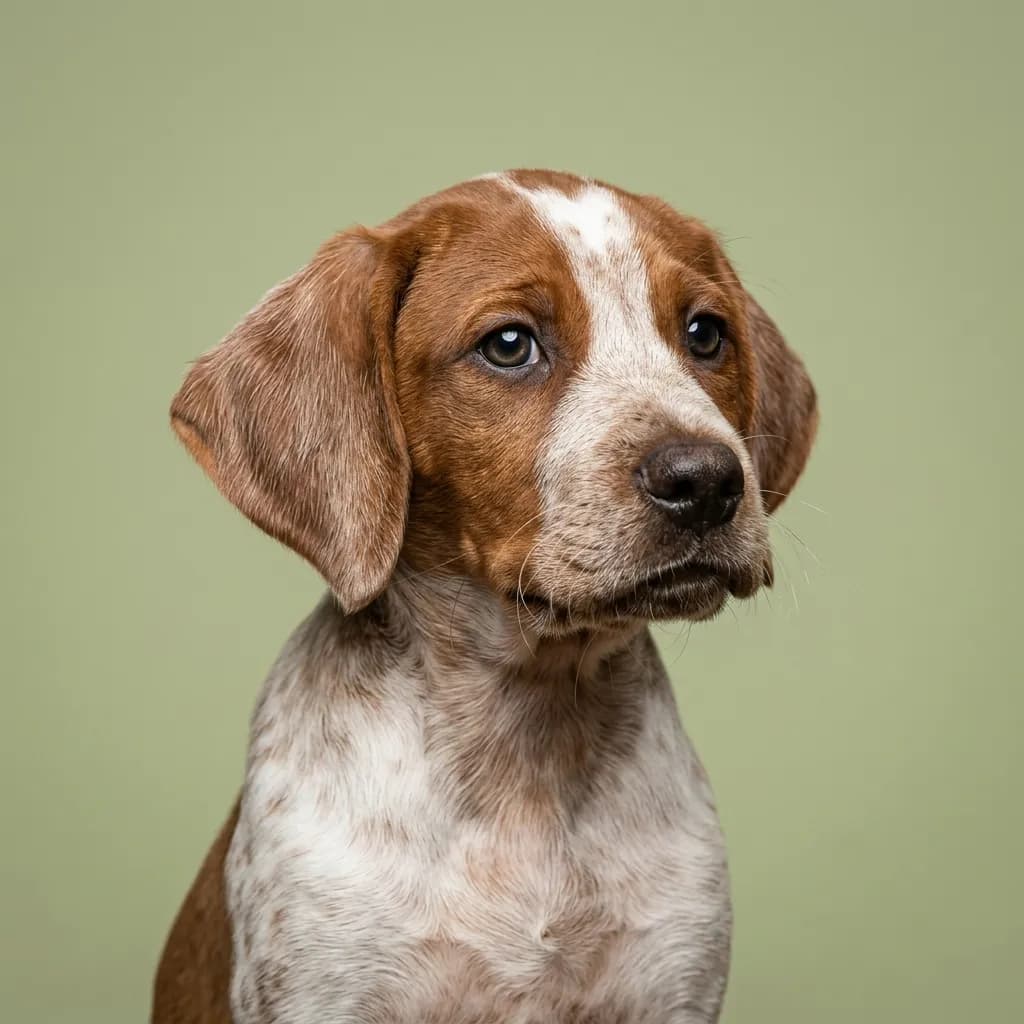
Braque Francais Pyrenean
Foundation Stock Service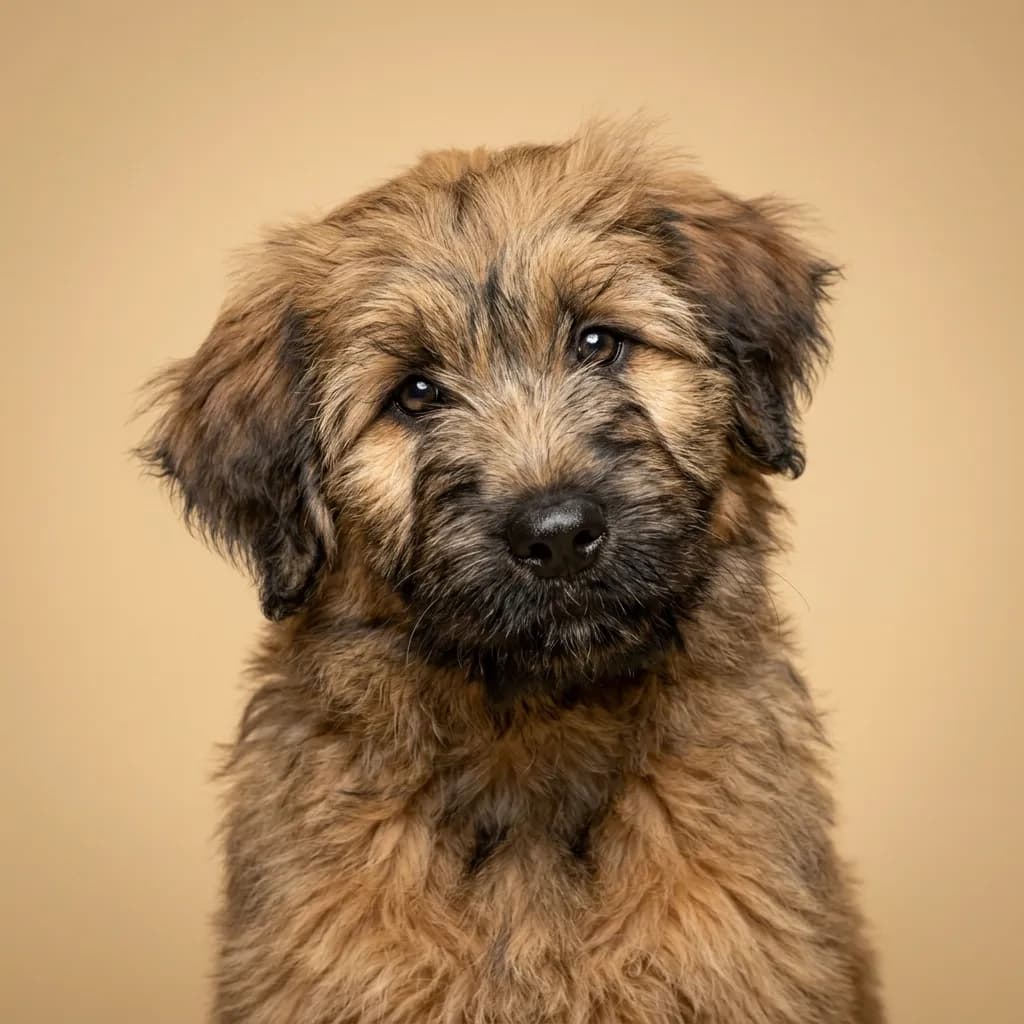
Briard
Herding Group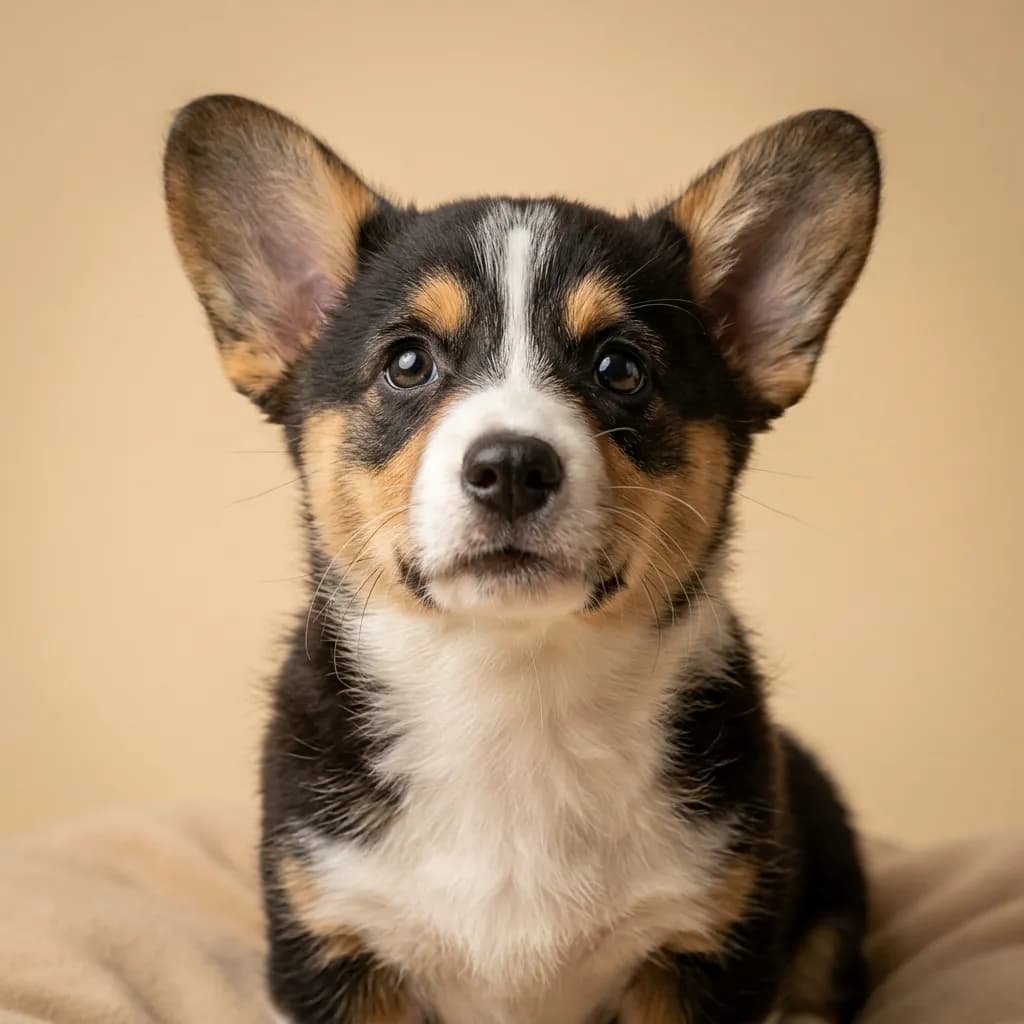
Cardigan Welsh Corgi
Herding Group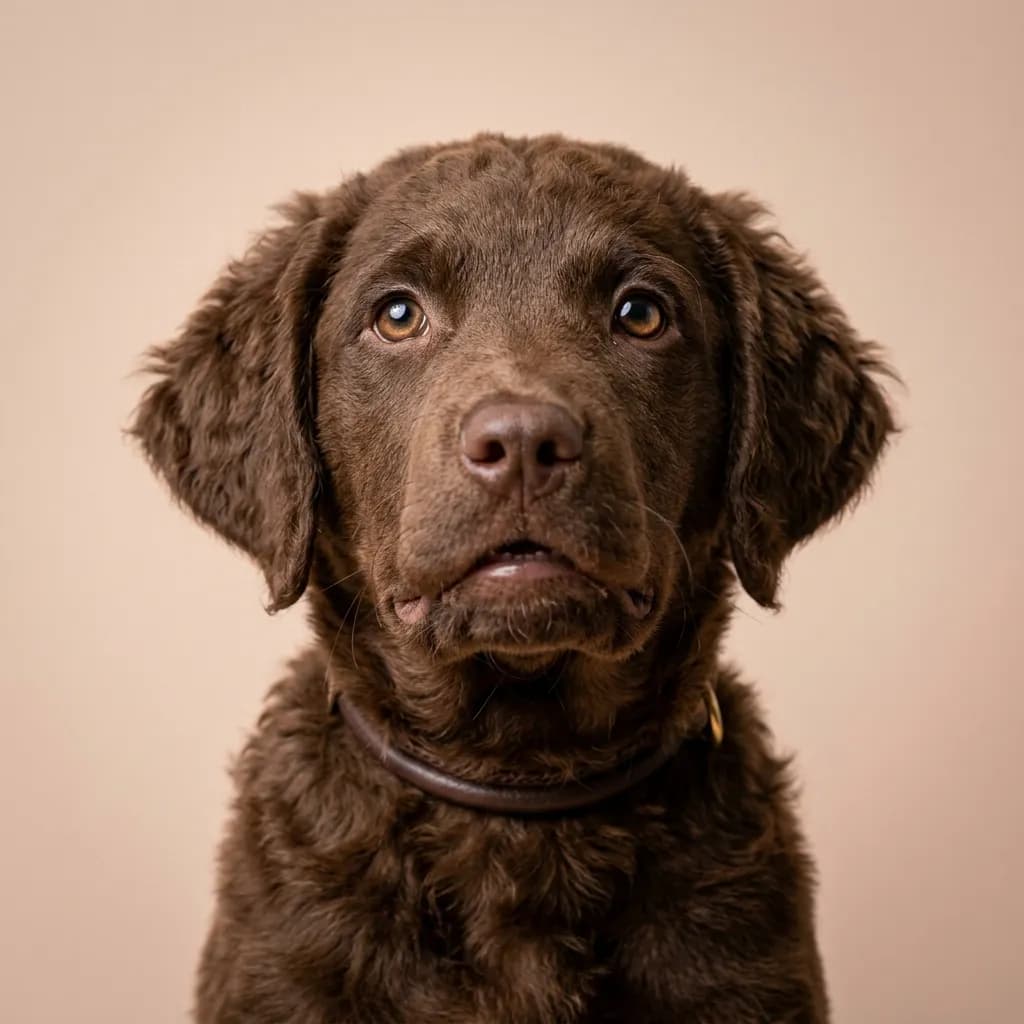
Chesapeake Bay Retriever
Sporting Group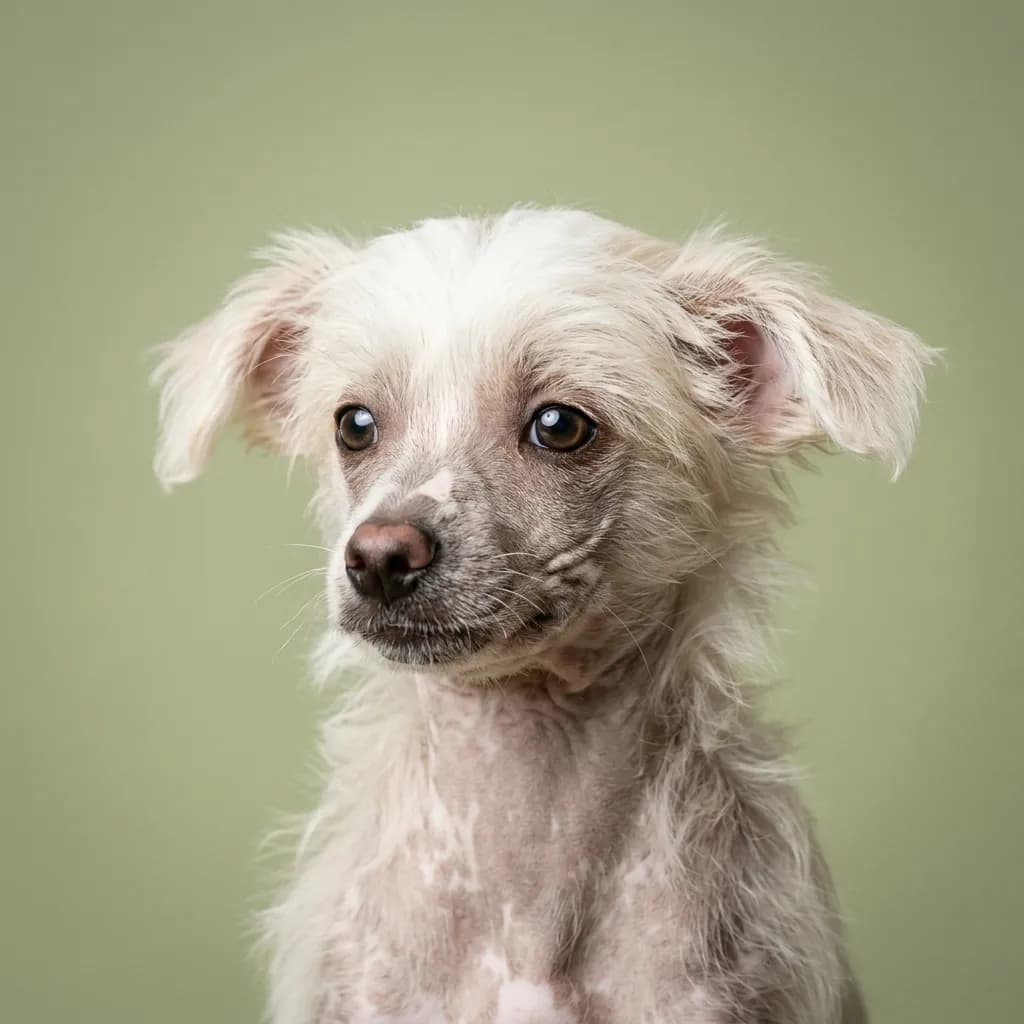
Chinese Crested
Toy Group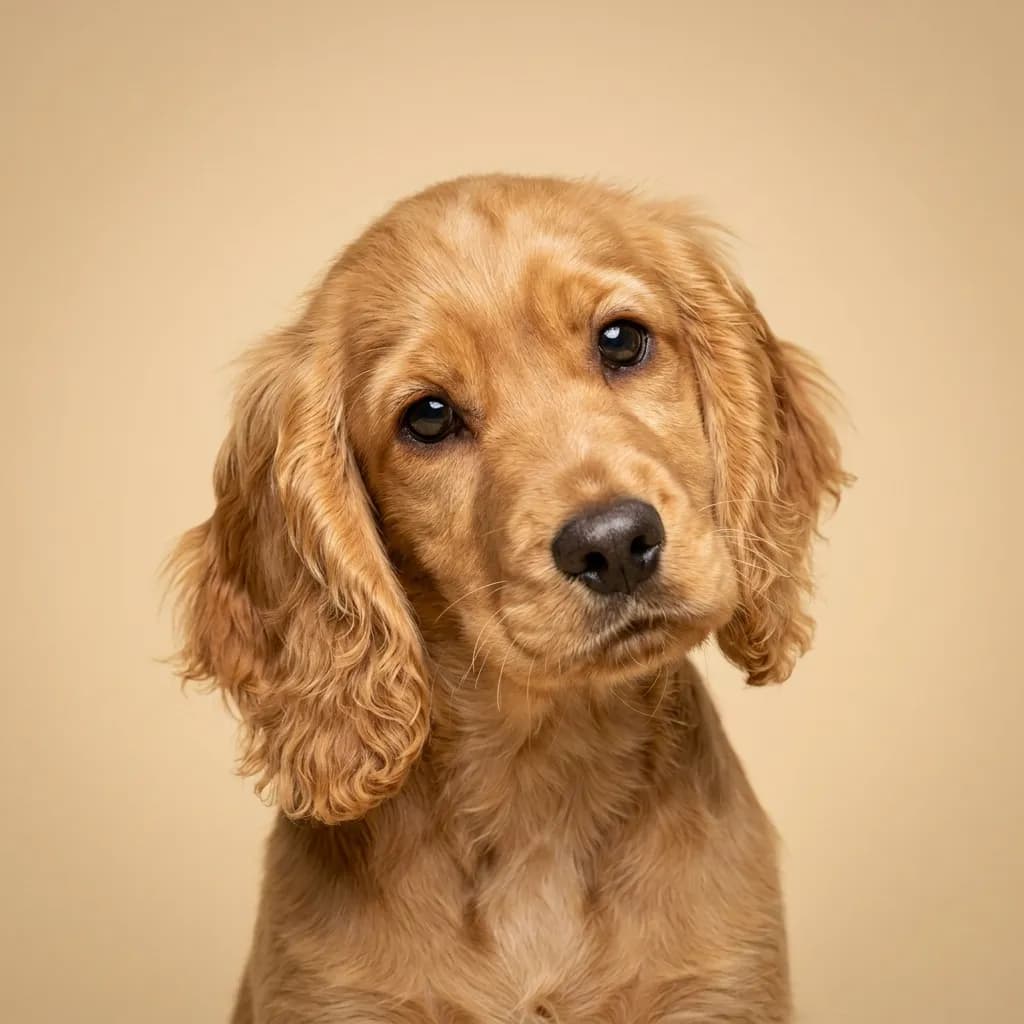
Cocker Spaniel
Sporting Group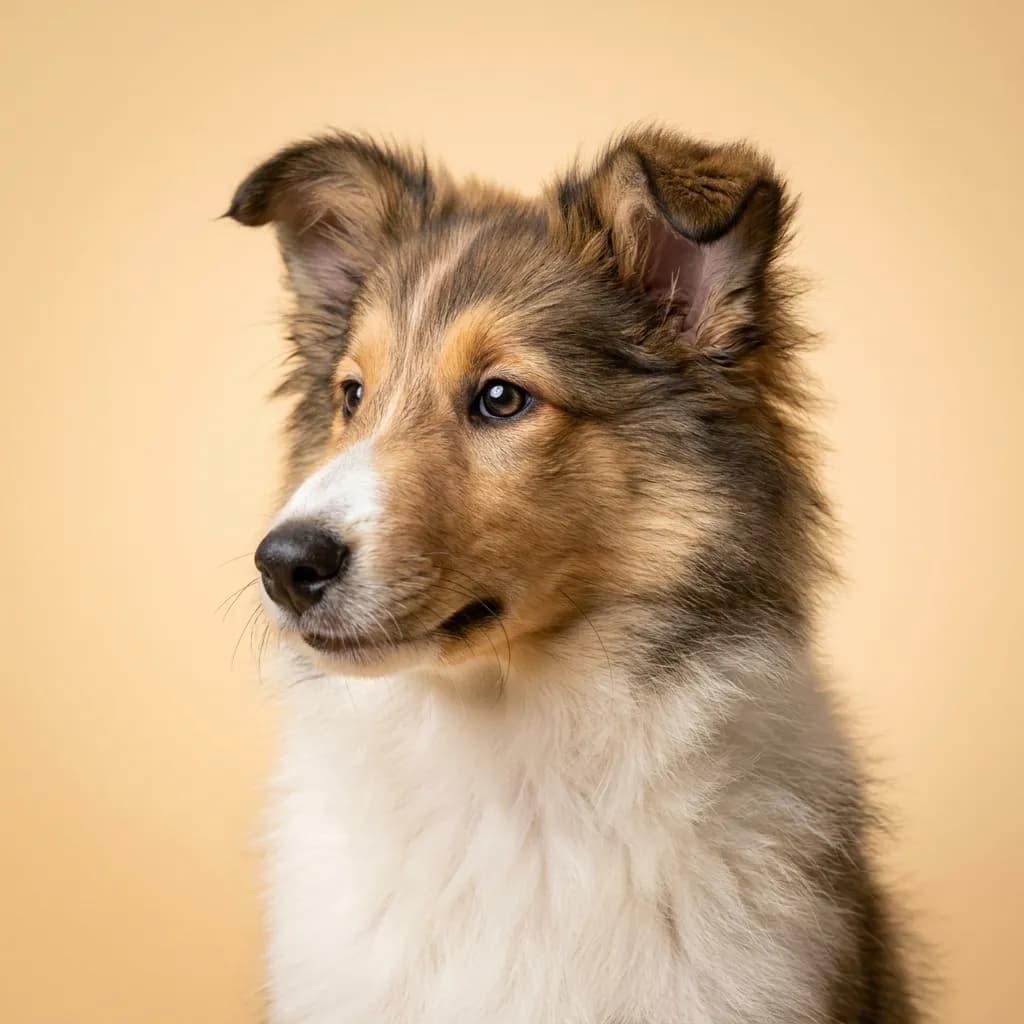
Collie
Herding Group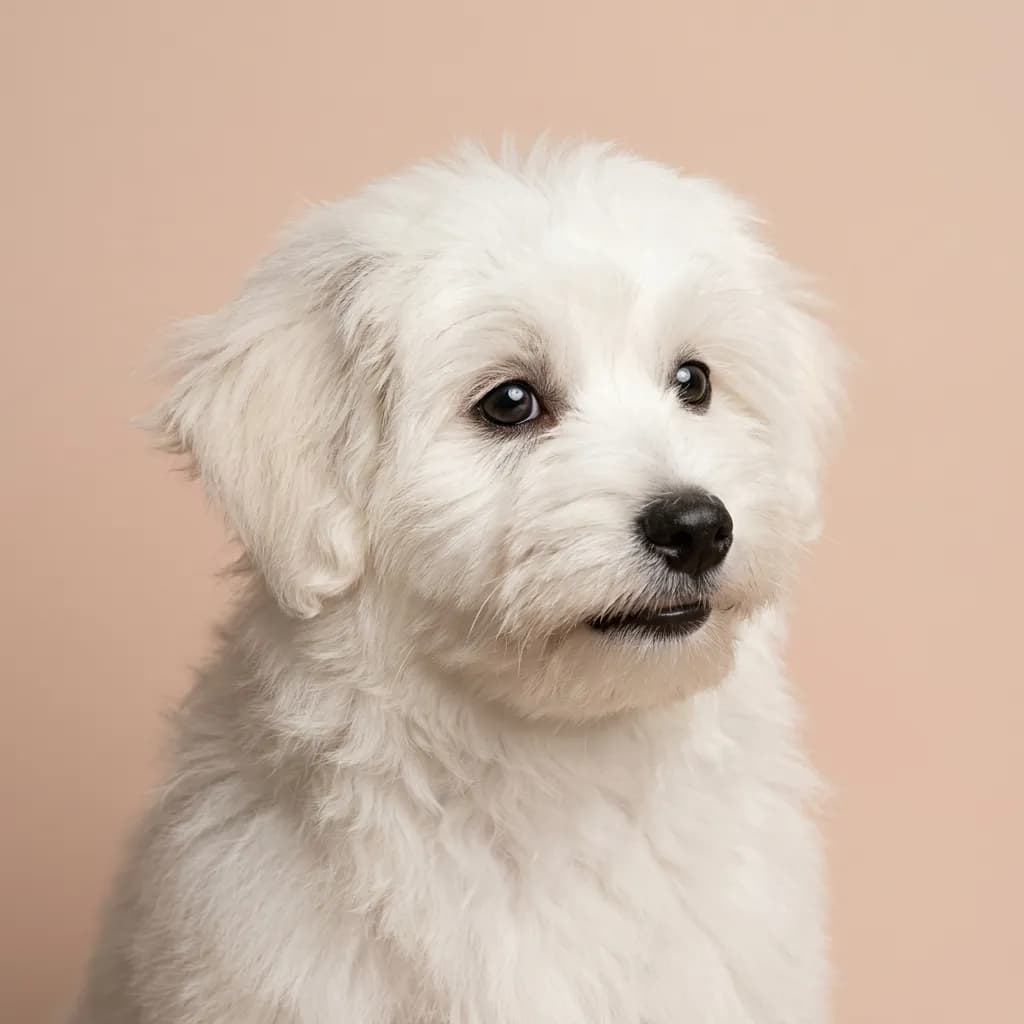
Coton de Tulear
Non-Sporting Group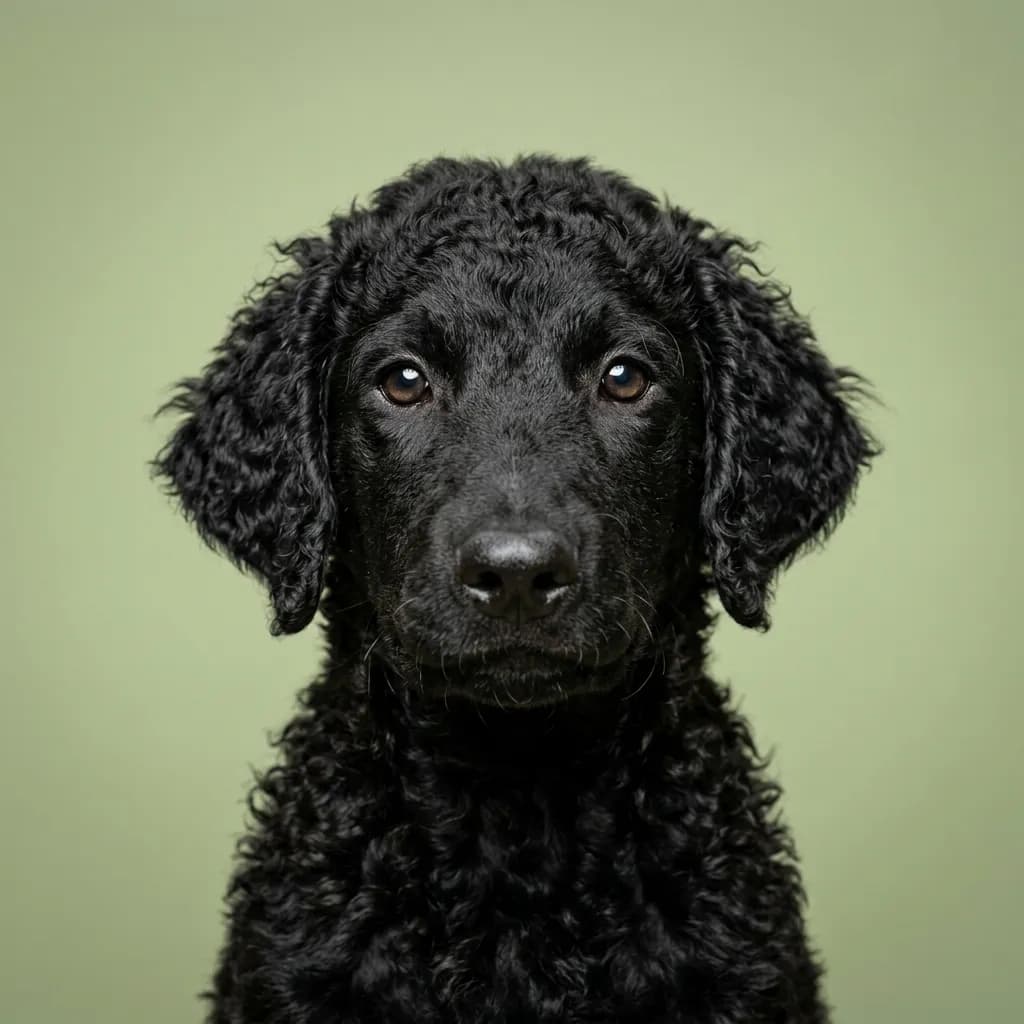
Curly-Coated Retriever
Sporting Group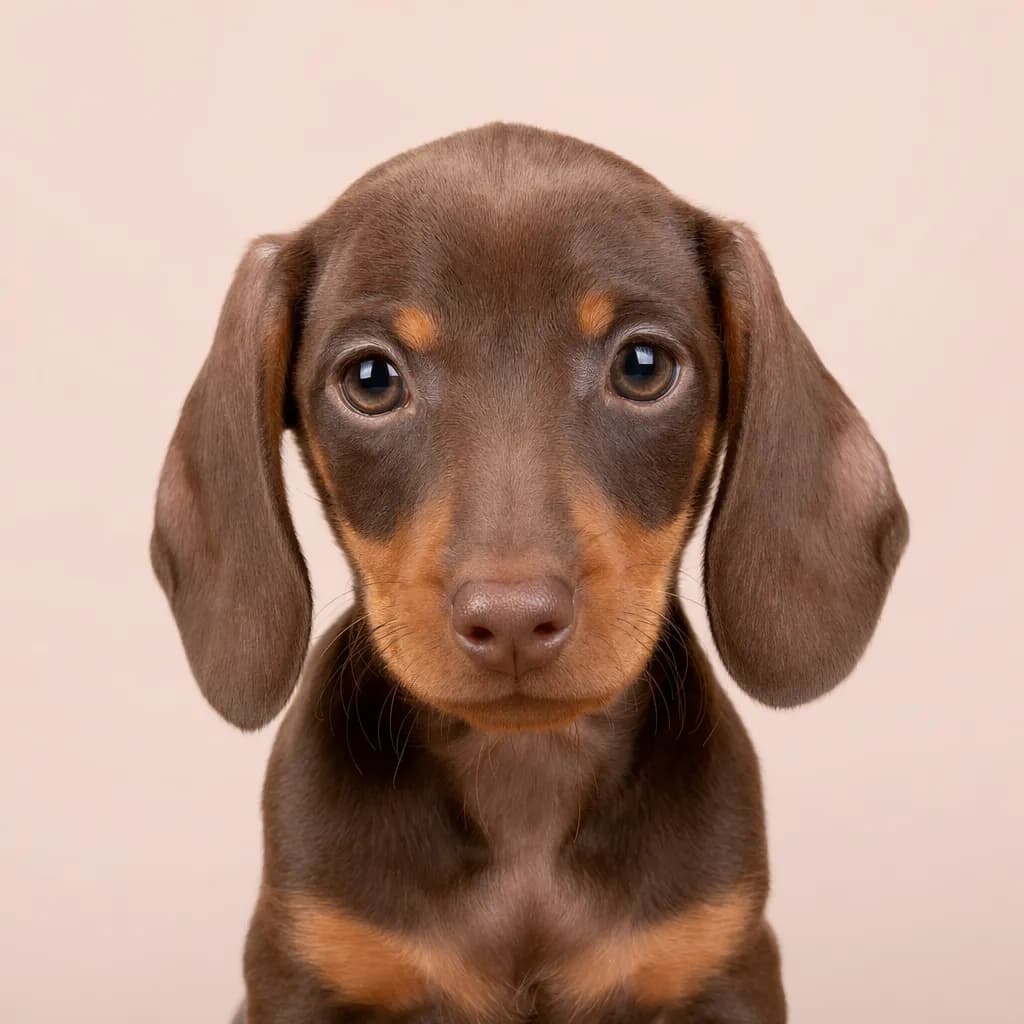
Dachshund
Hound Group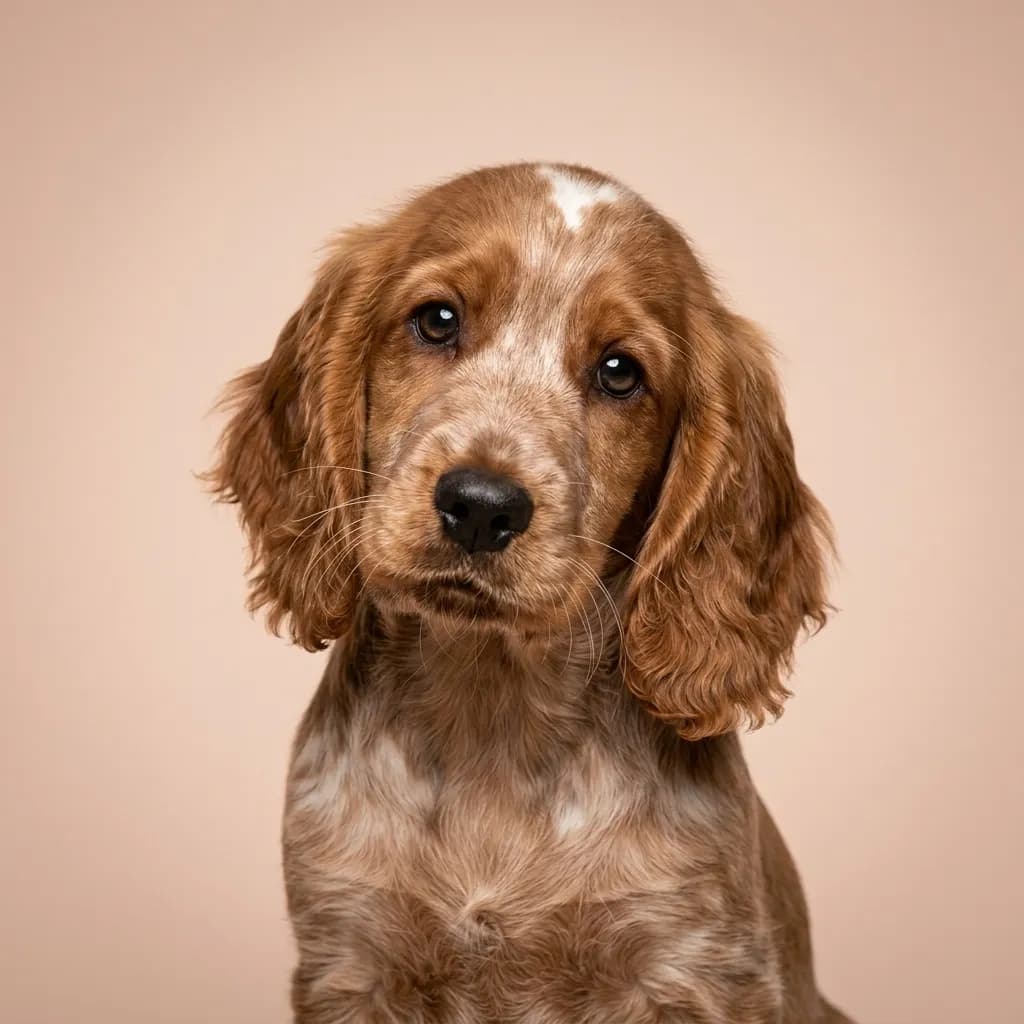
English Cocker Spaniel
Sporting Group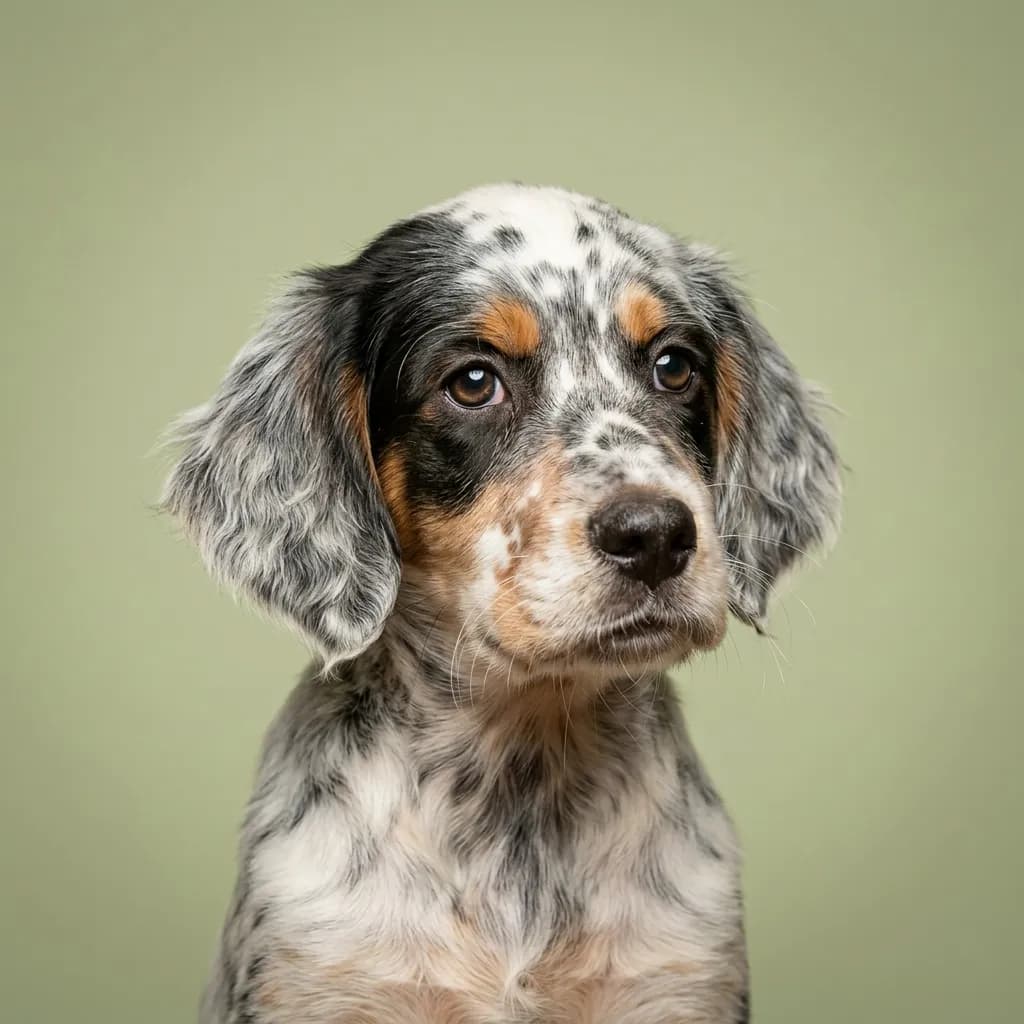
English Setter
Sporting Group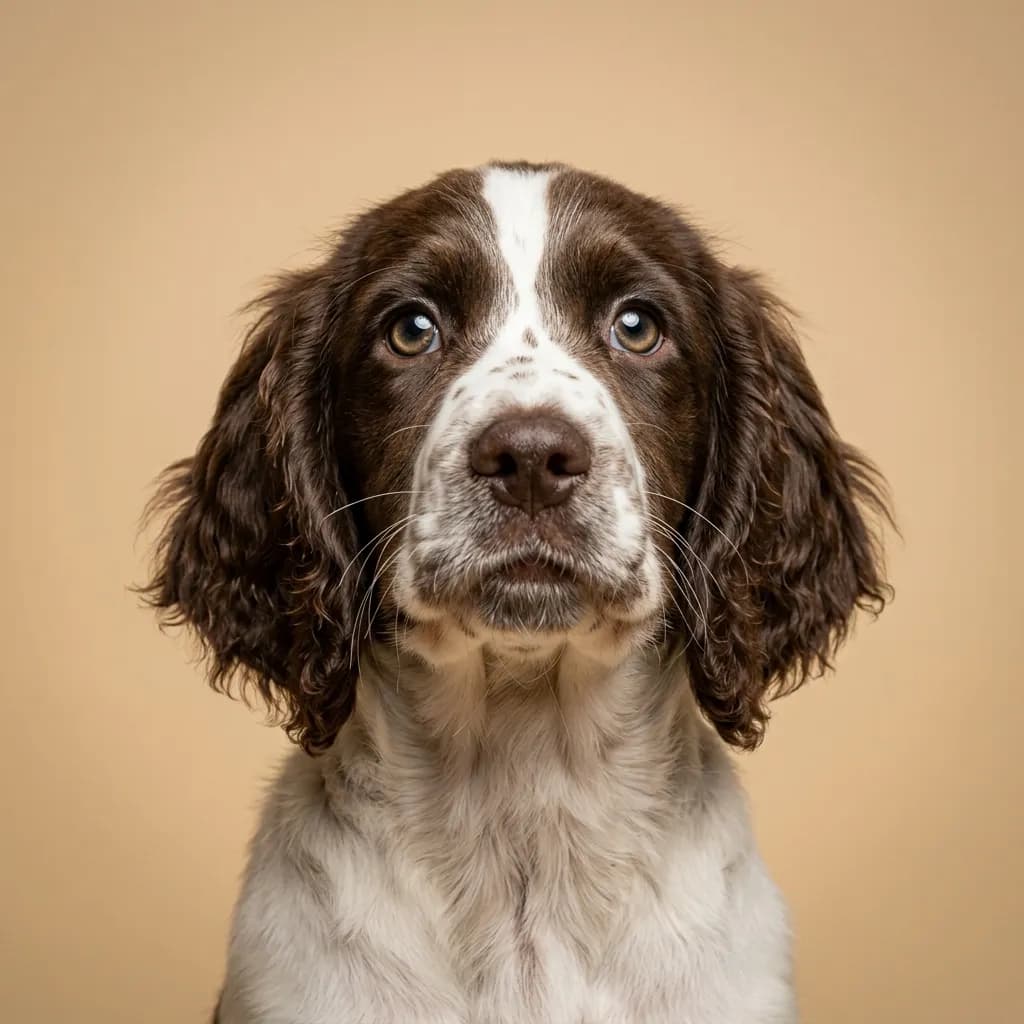
English Springer Spaniel
Sporting Group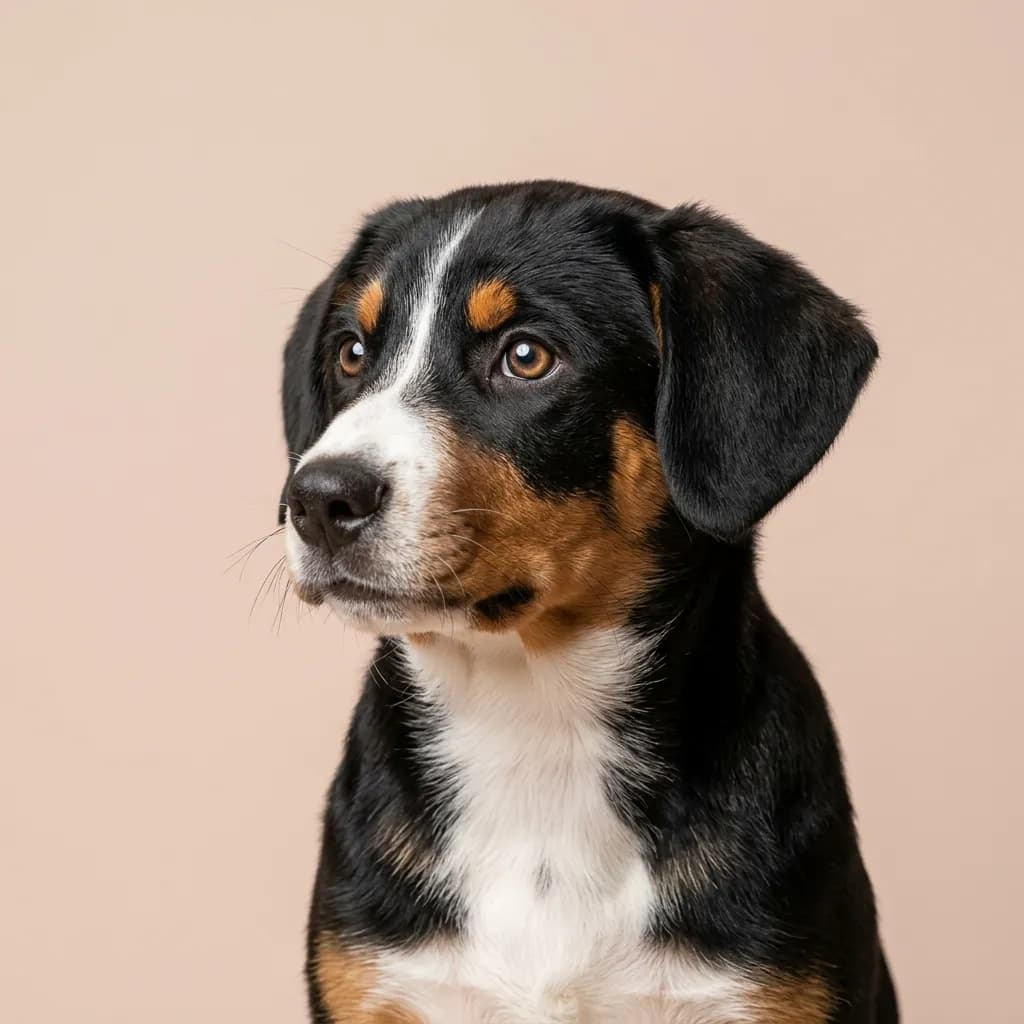
Entlebucher Mountain Dog
Herding Group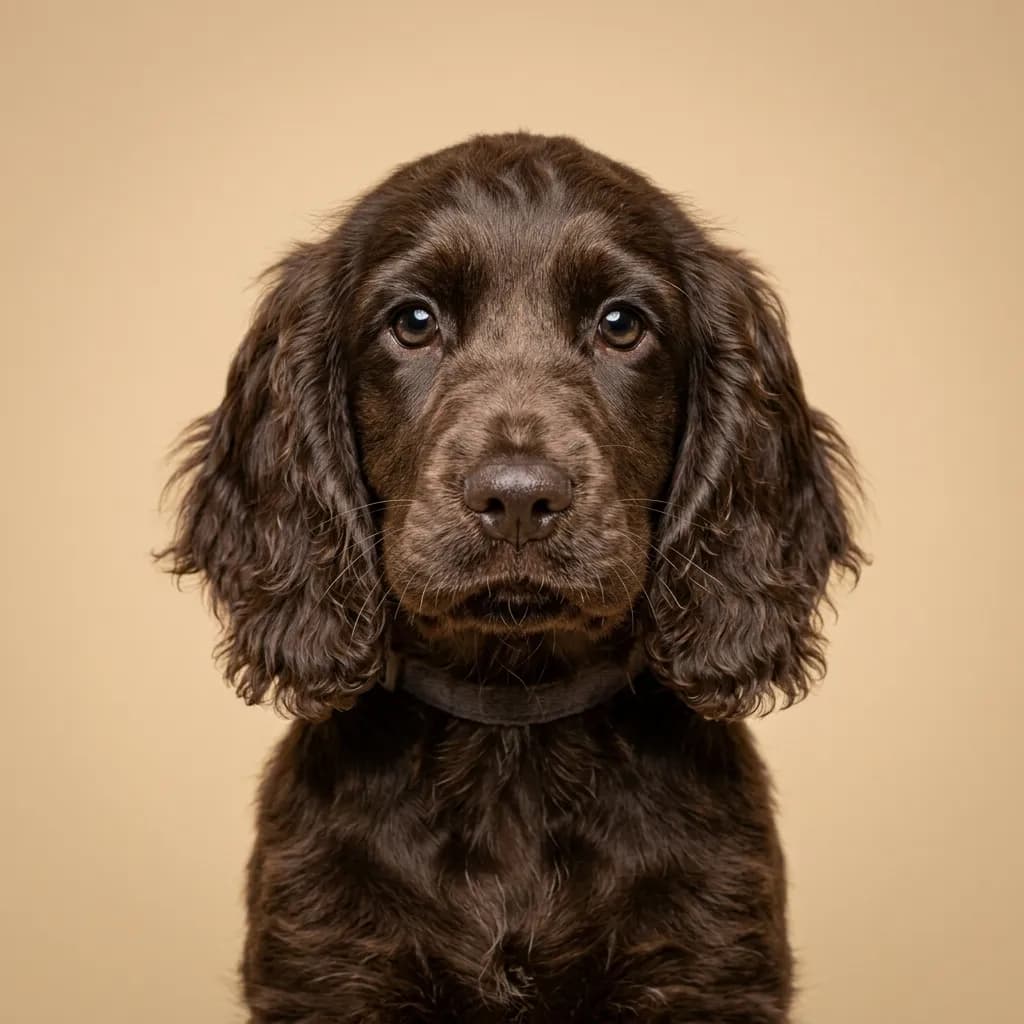
Field Spaniel
Sporting Group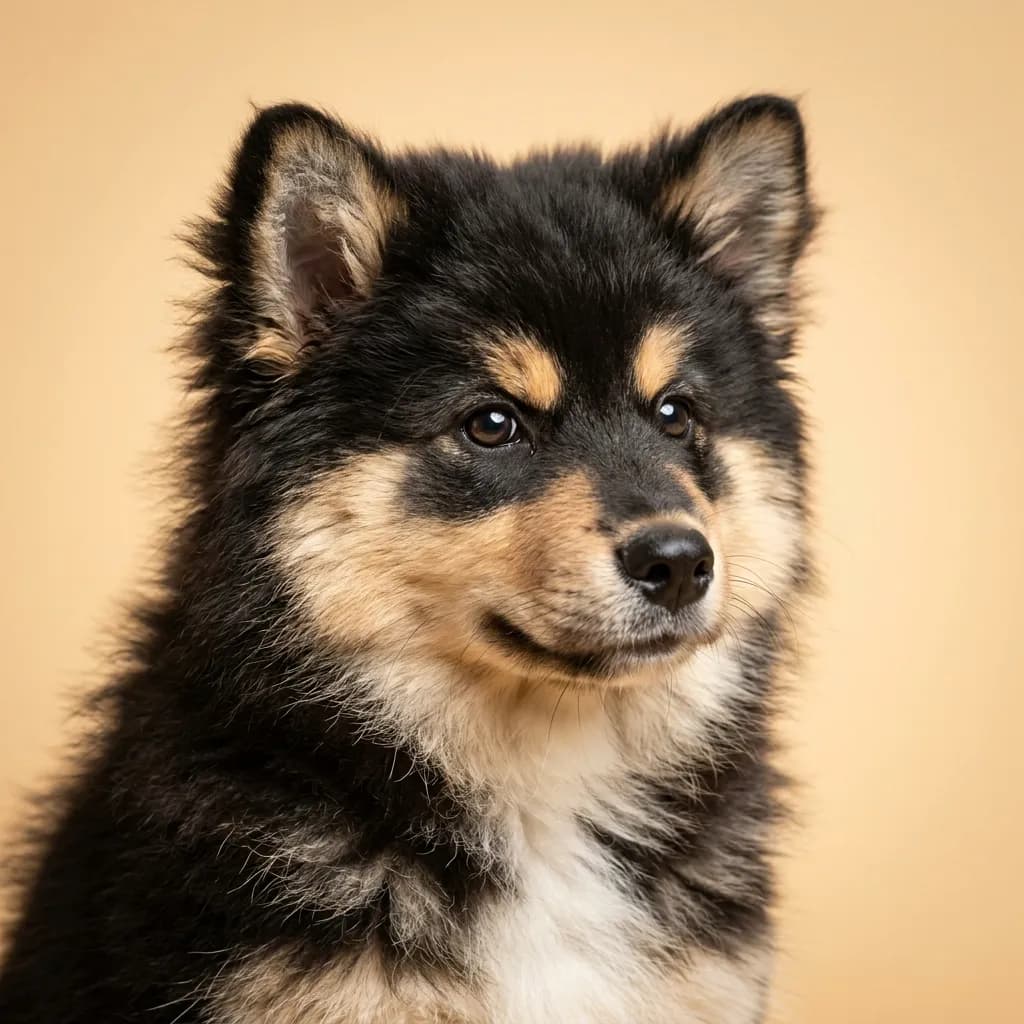
Finnish Lapphund
Herding Group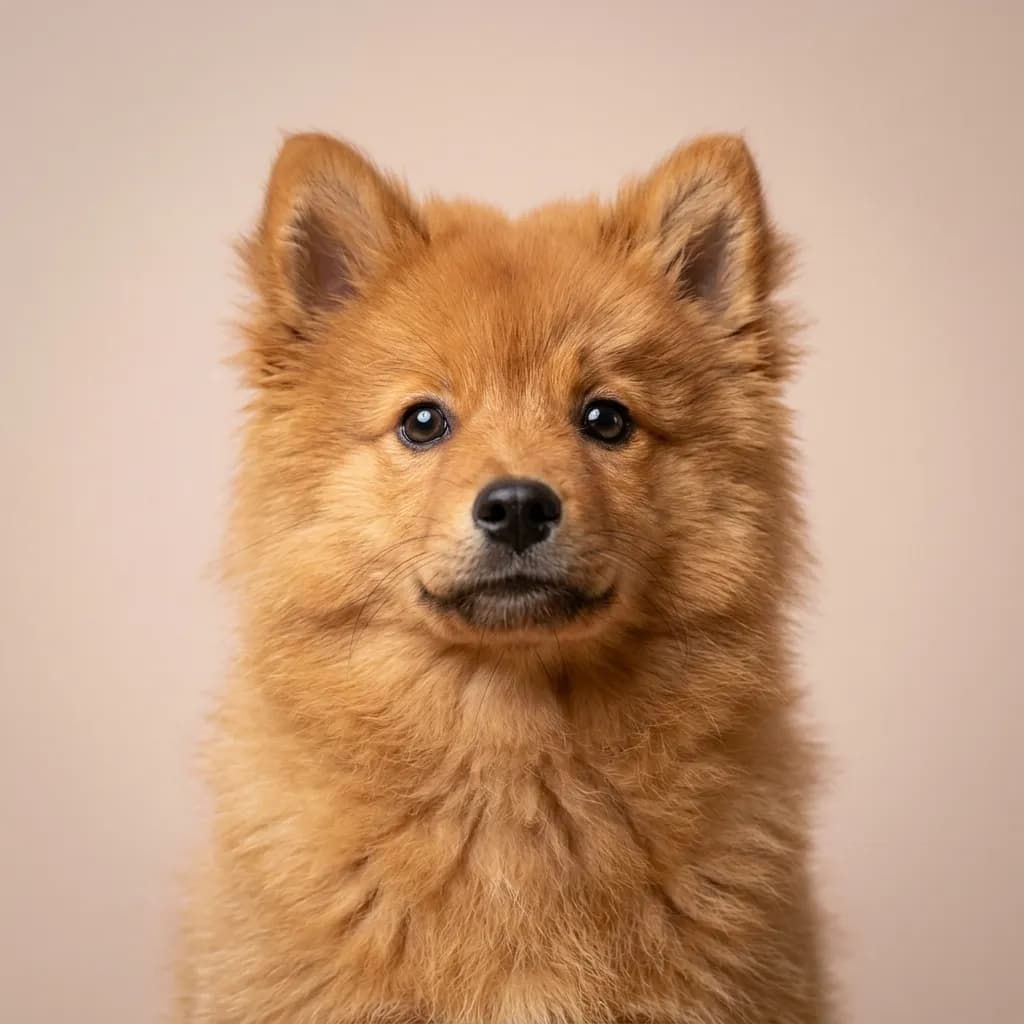
Finnish Spitz
Non-Sporting Group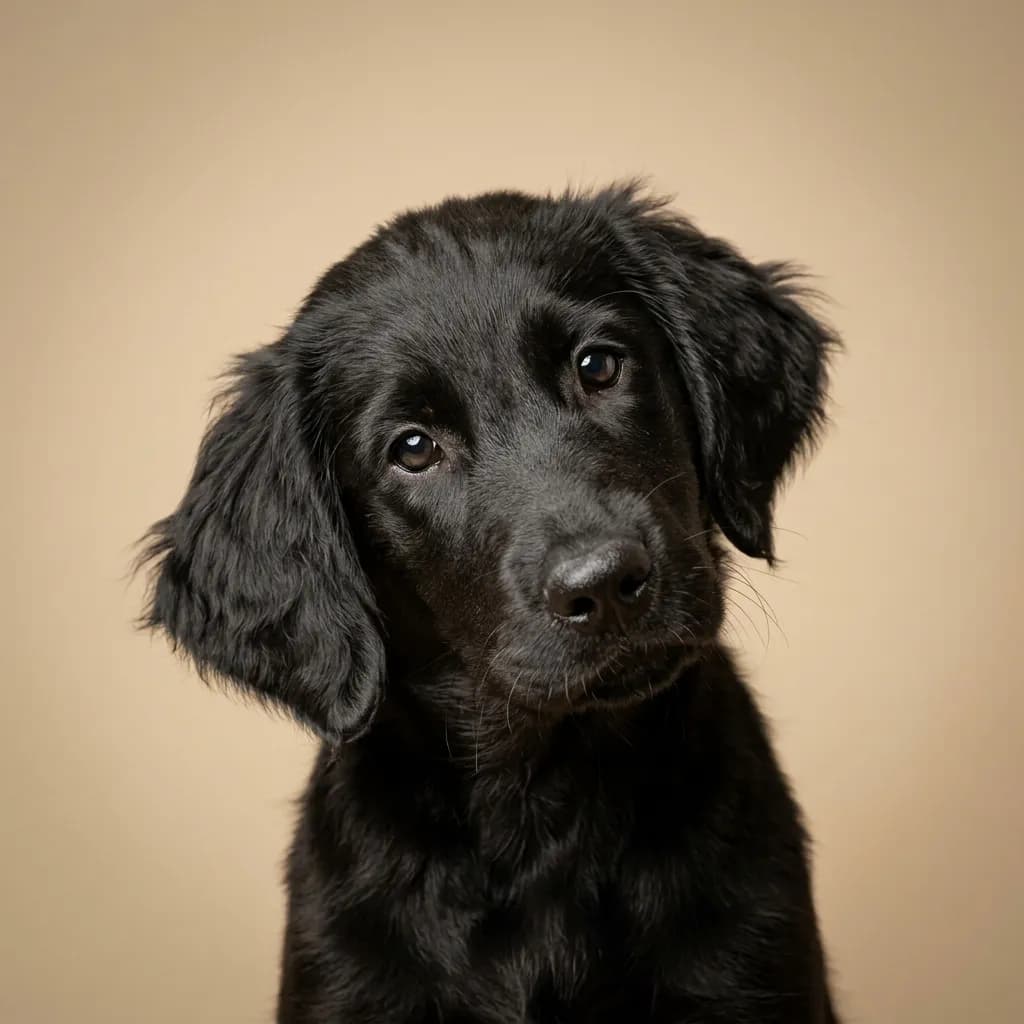
Flat-Coated Retriever
Sporting Group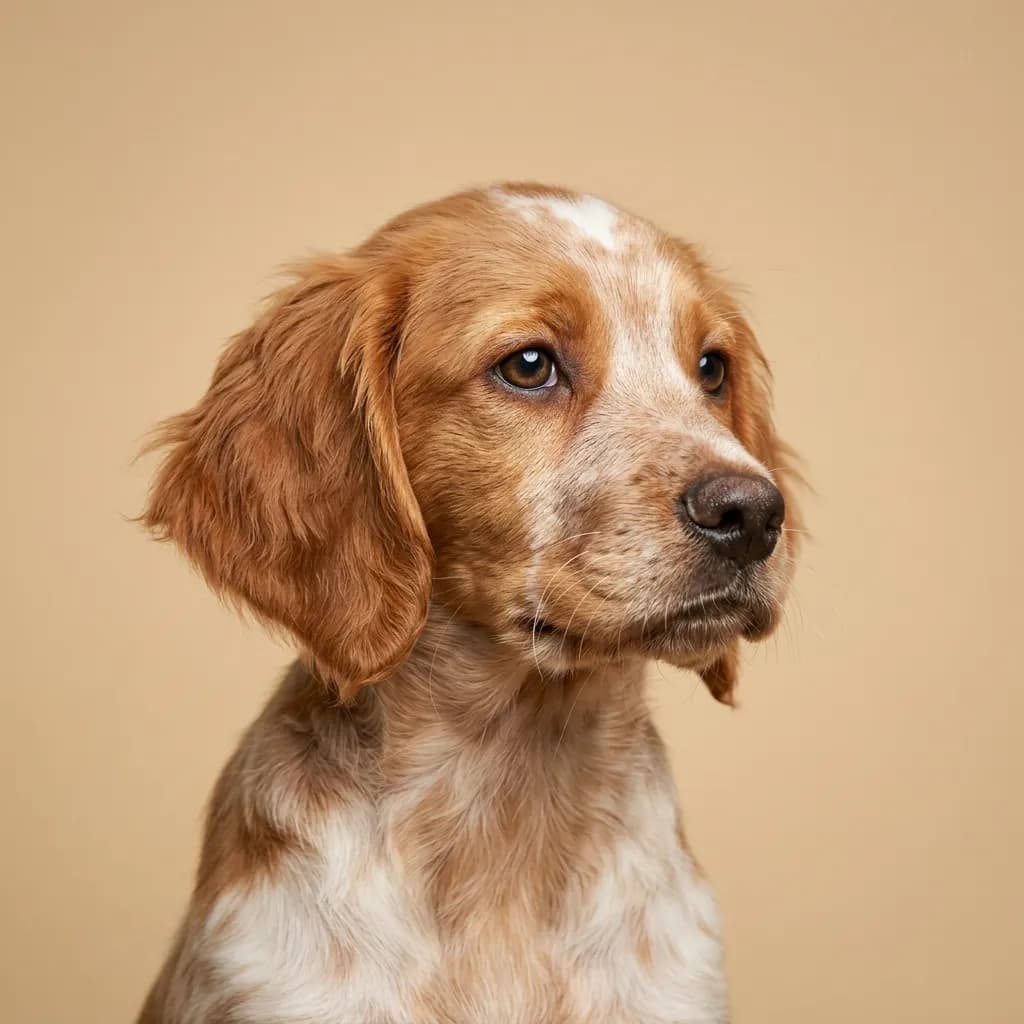
French Spaniel
Foundation Stock Service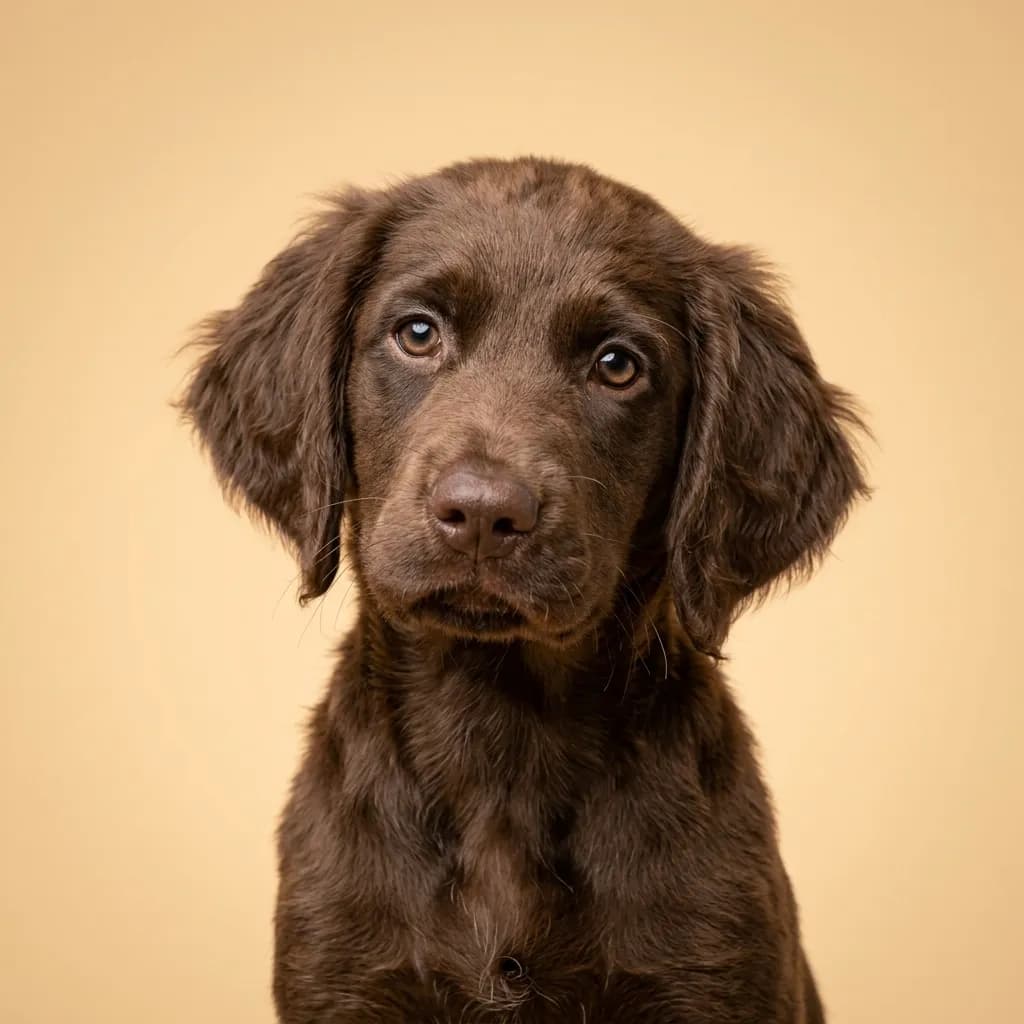
German Longhaired Pointer
Foundation Stock Service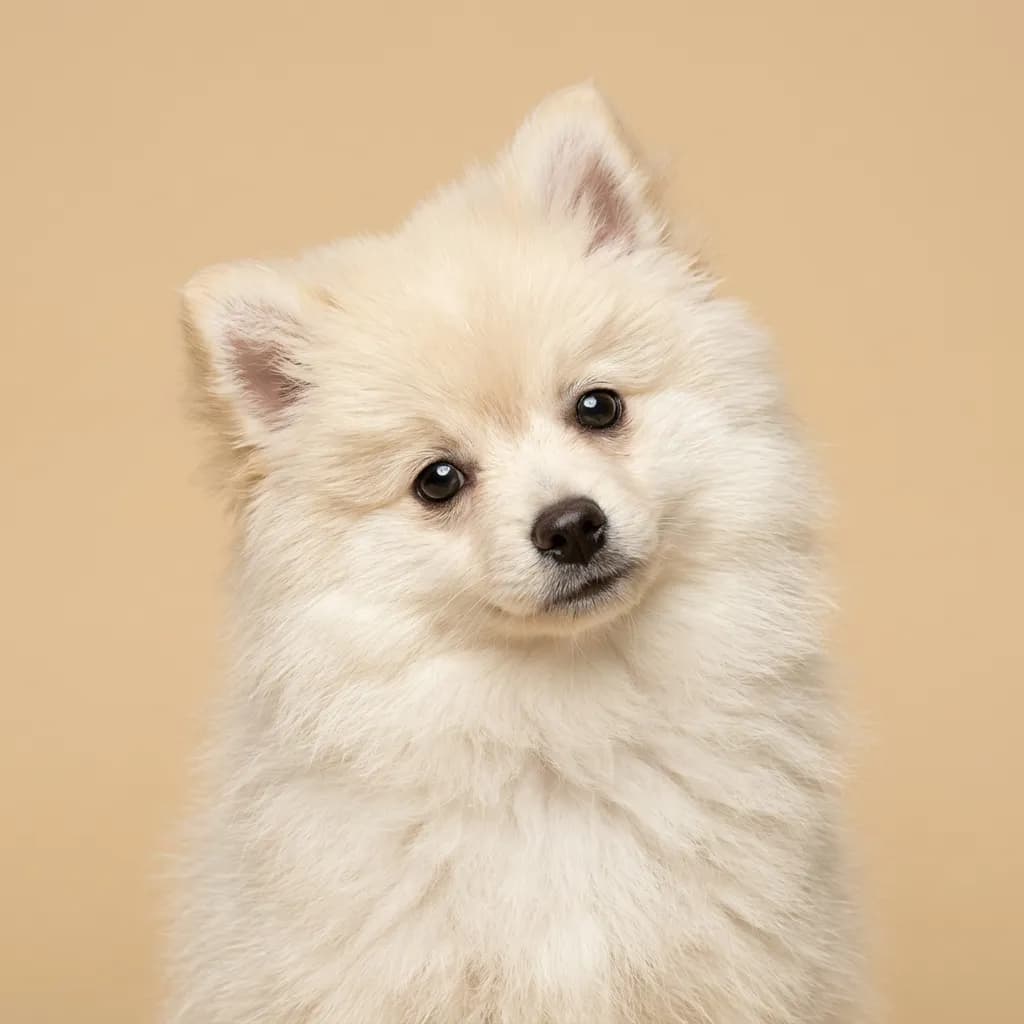
German Spitz
Foundation Stock Service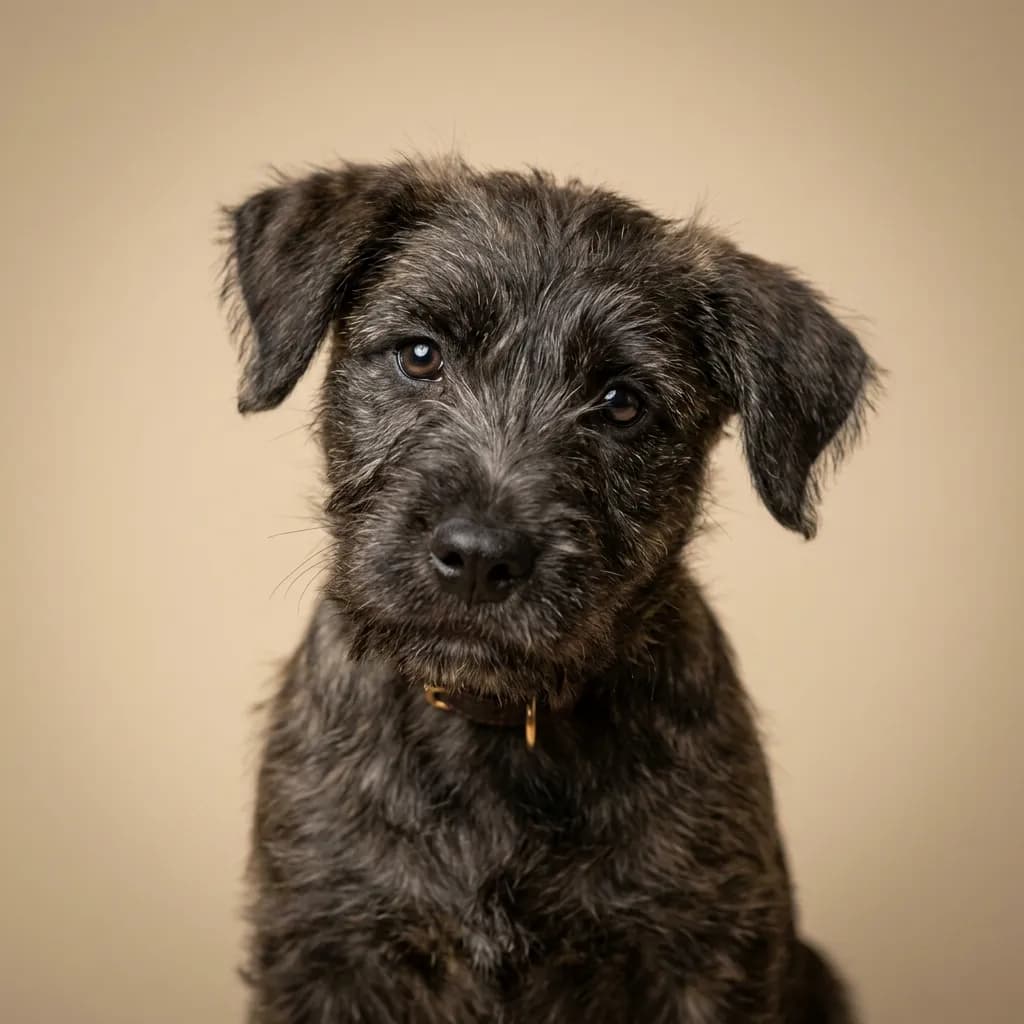
Glen of Imaal Terrier
Terrier Group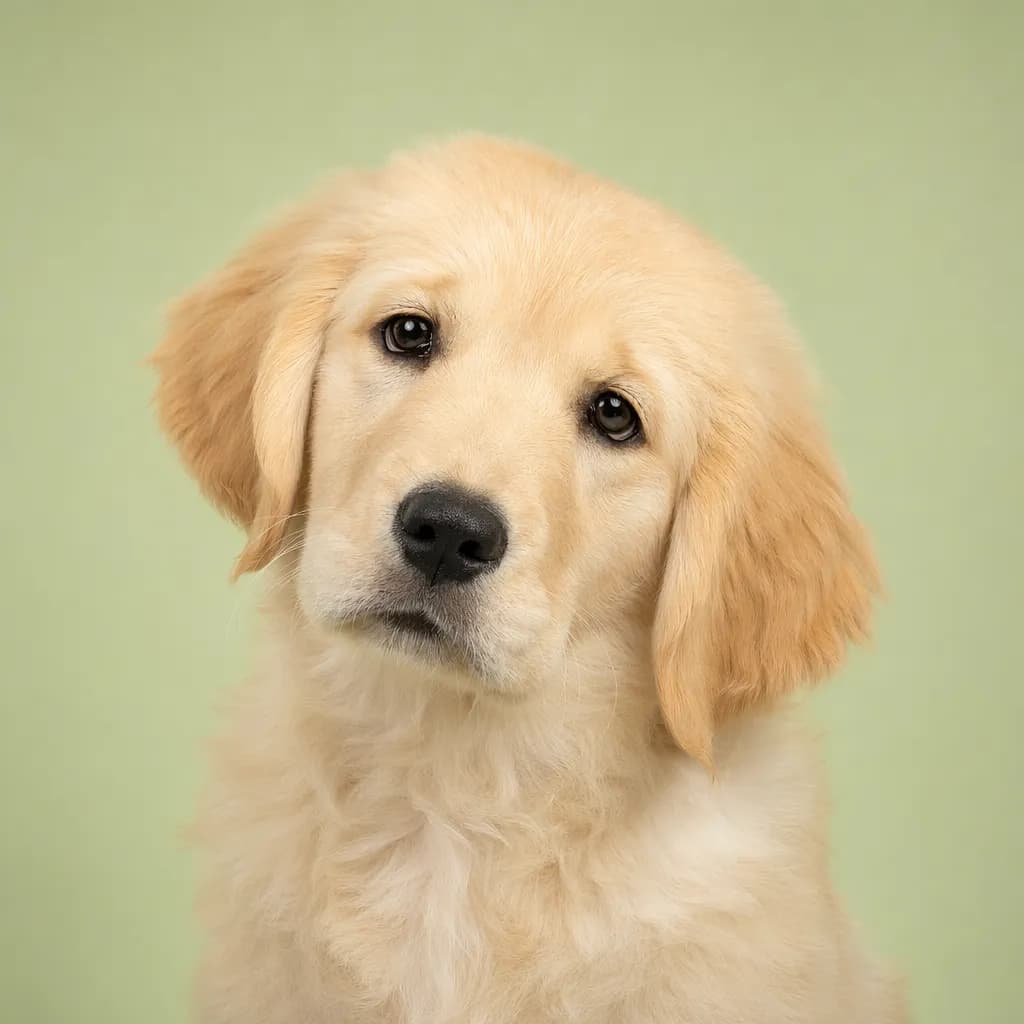
Golden Retriever
Sporting Group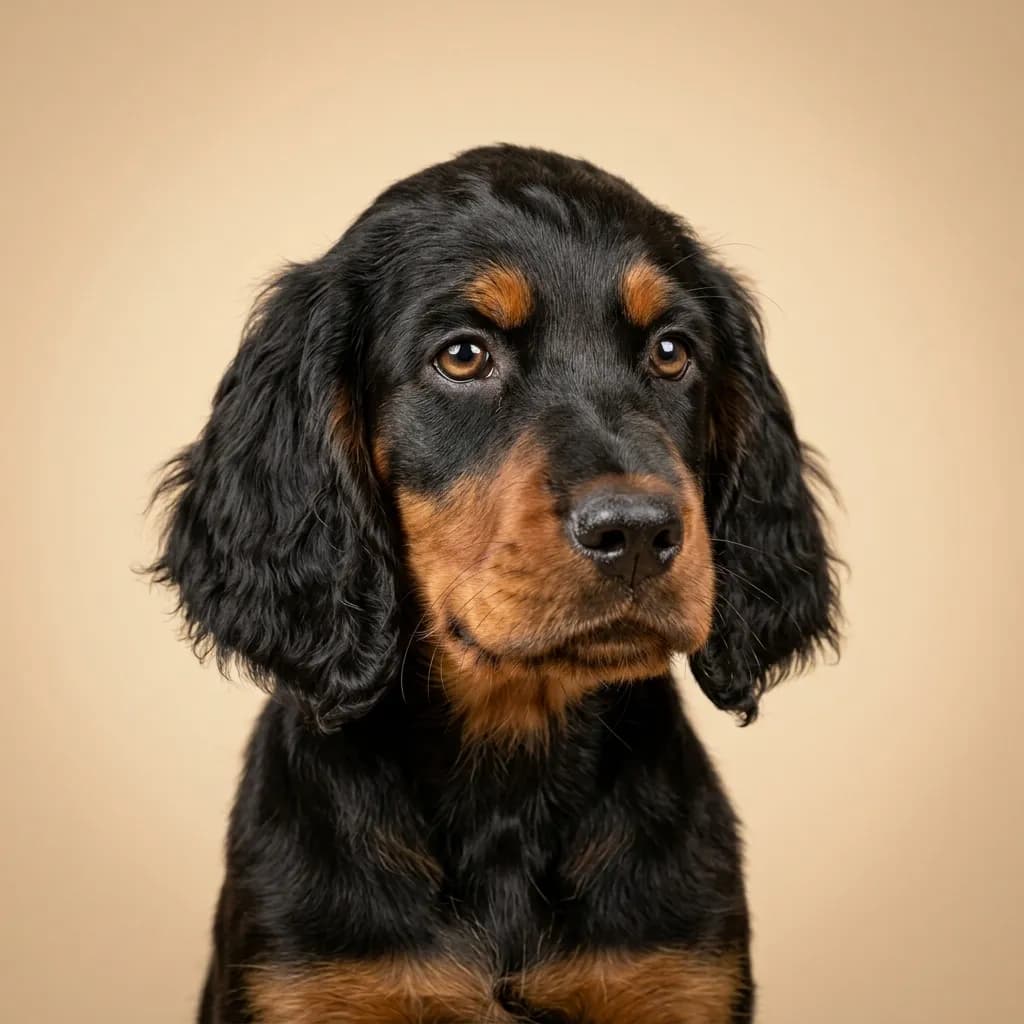
Gordon Setter
Sporting Group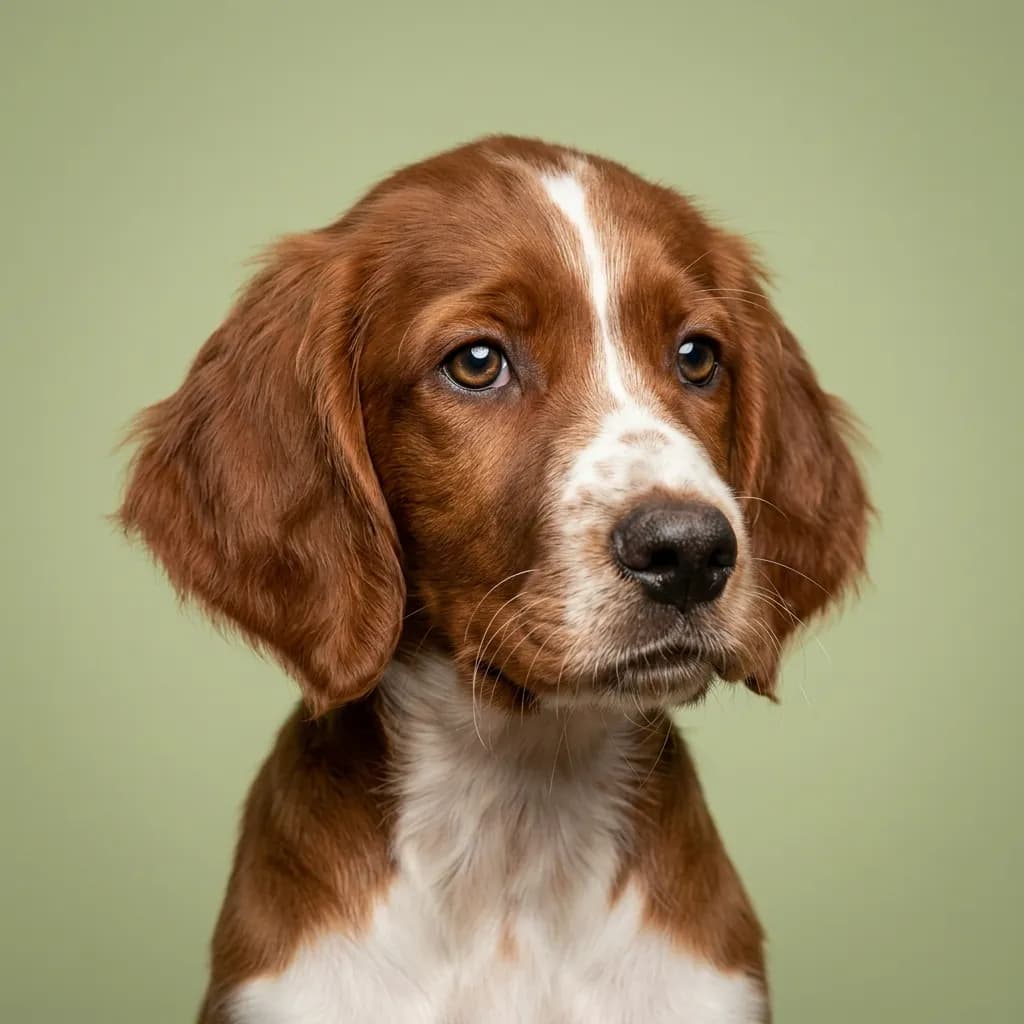
Irish Red and White Setter
Sporting Group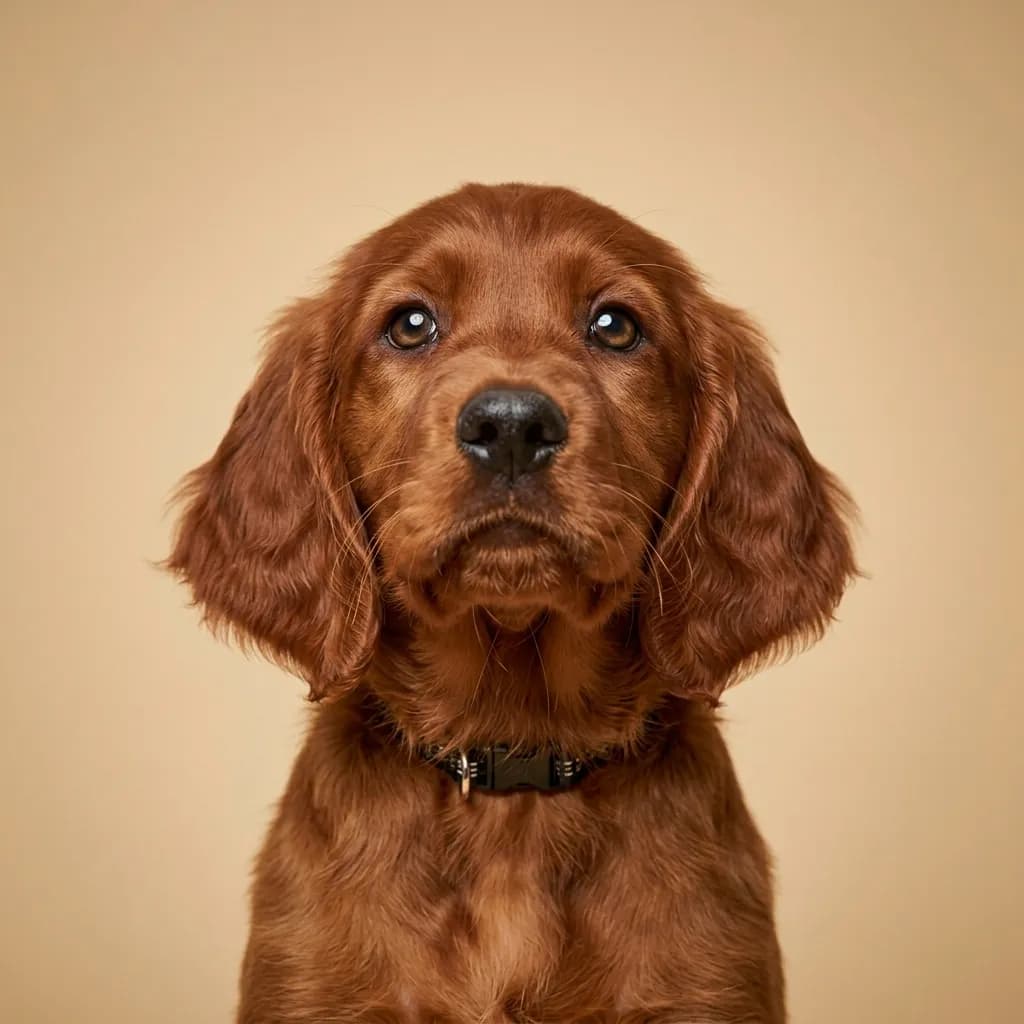
Irish Setter
Sporting Group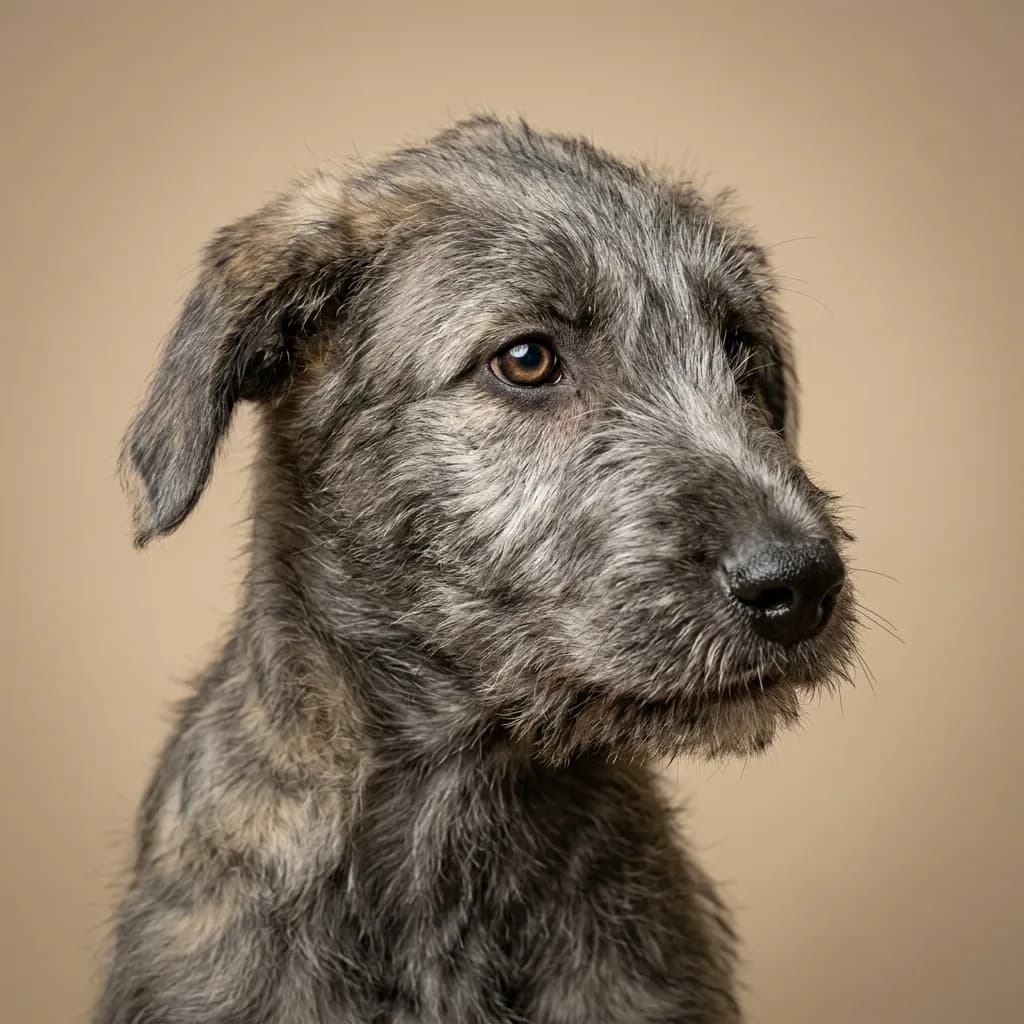
Irish Wolfhound
Hound Group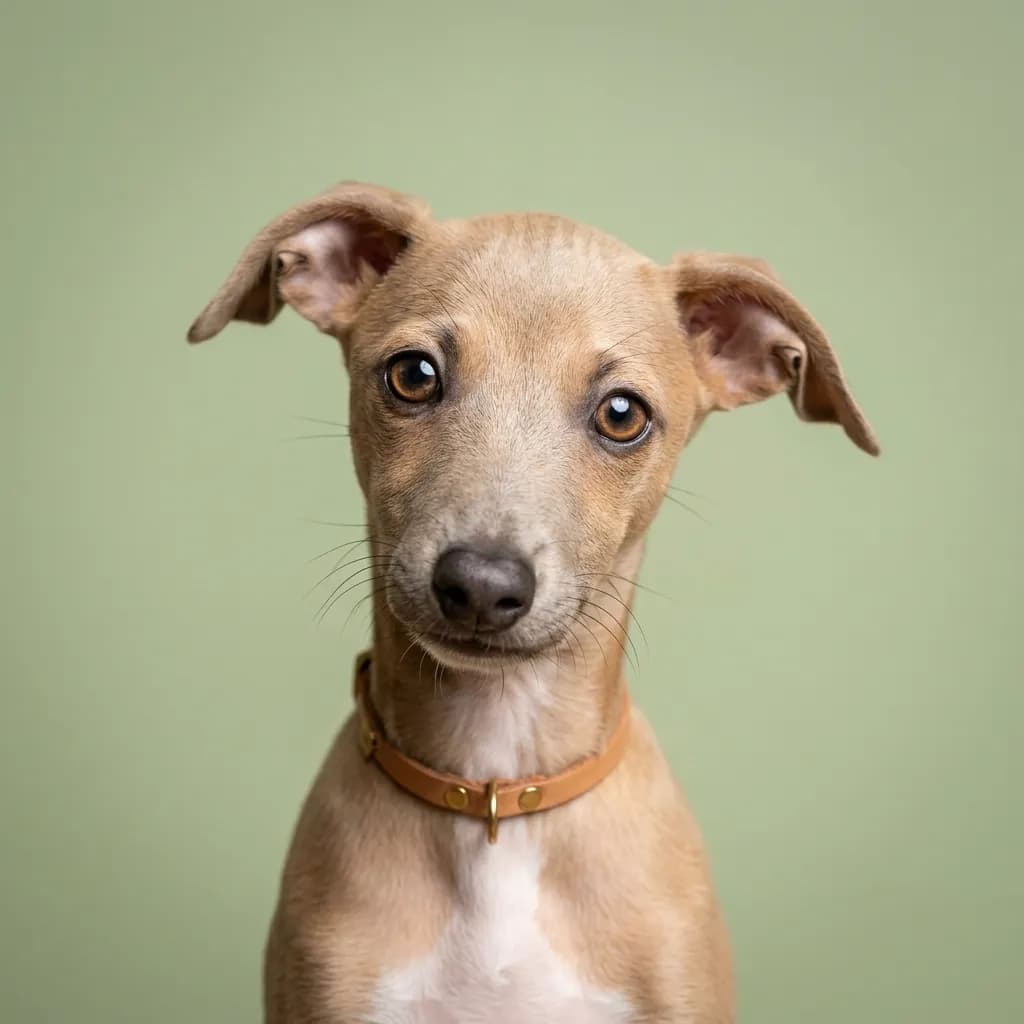
Italian Greyhound
Toy Group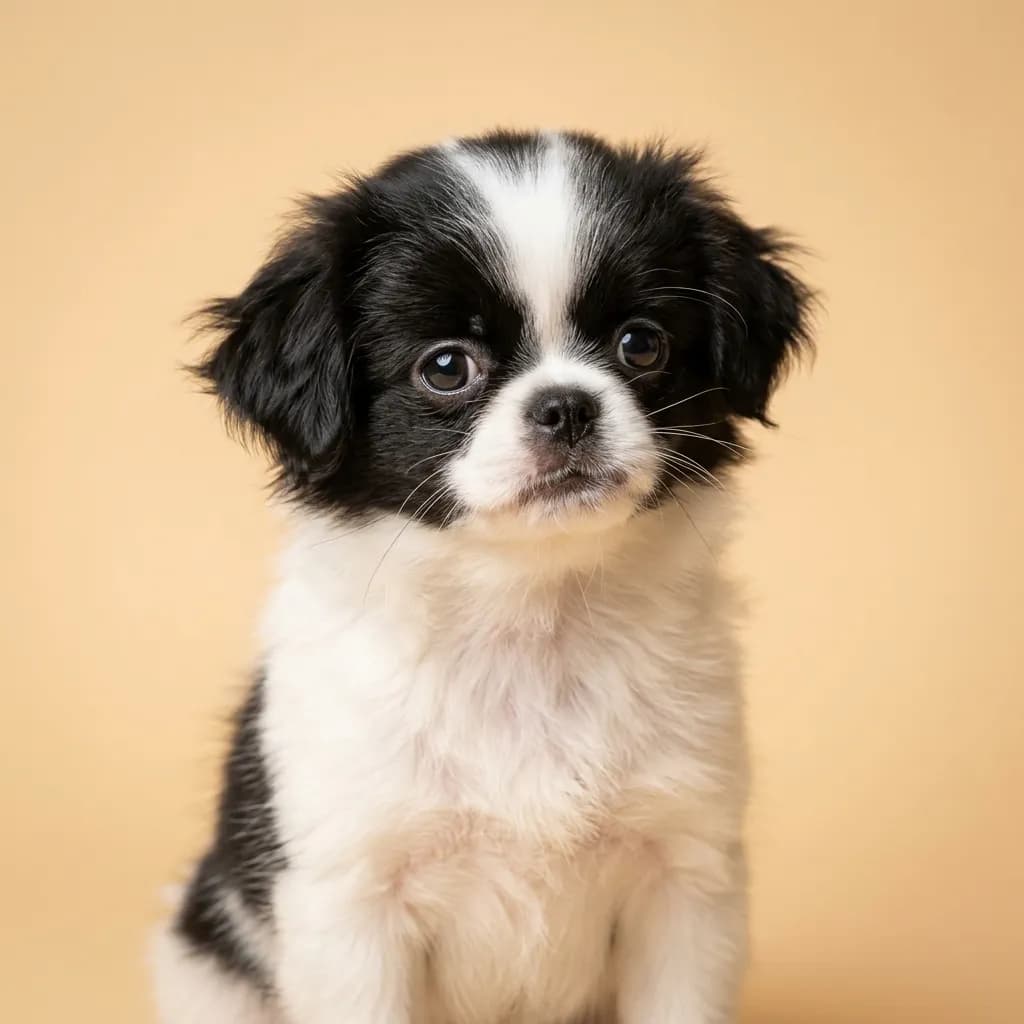
Japanese Chin
Toy Group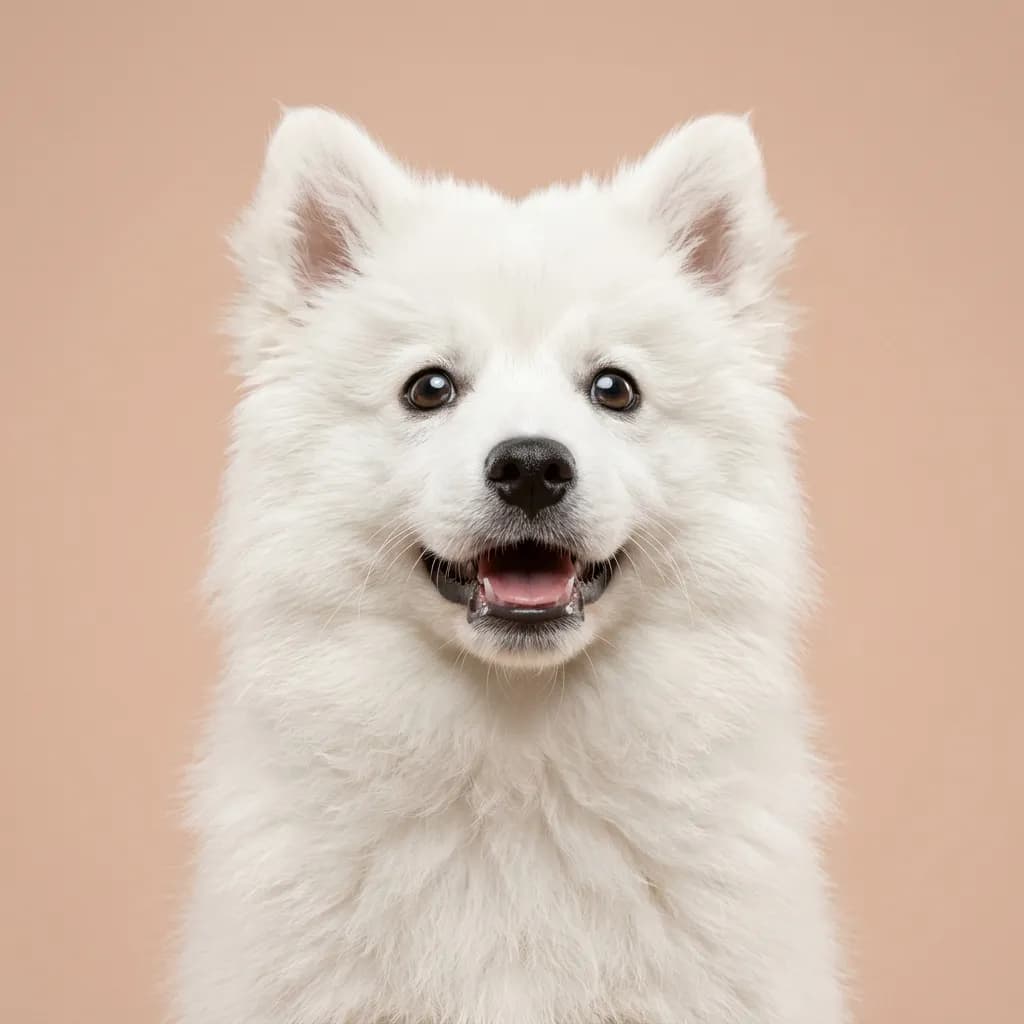
Japanese Spitz
Foundation Stock Service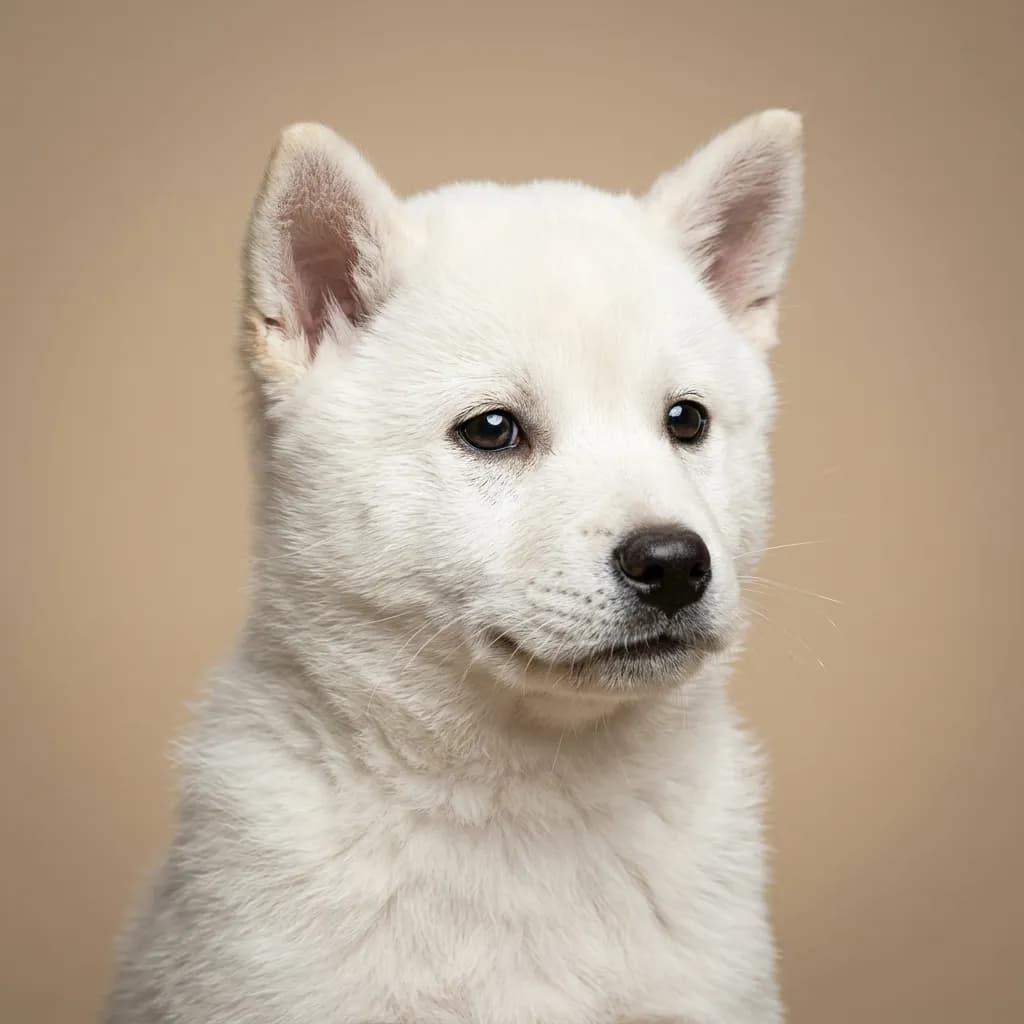
Kishu Ken
Foundation Stock Service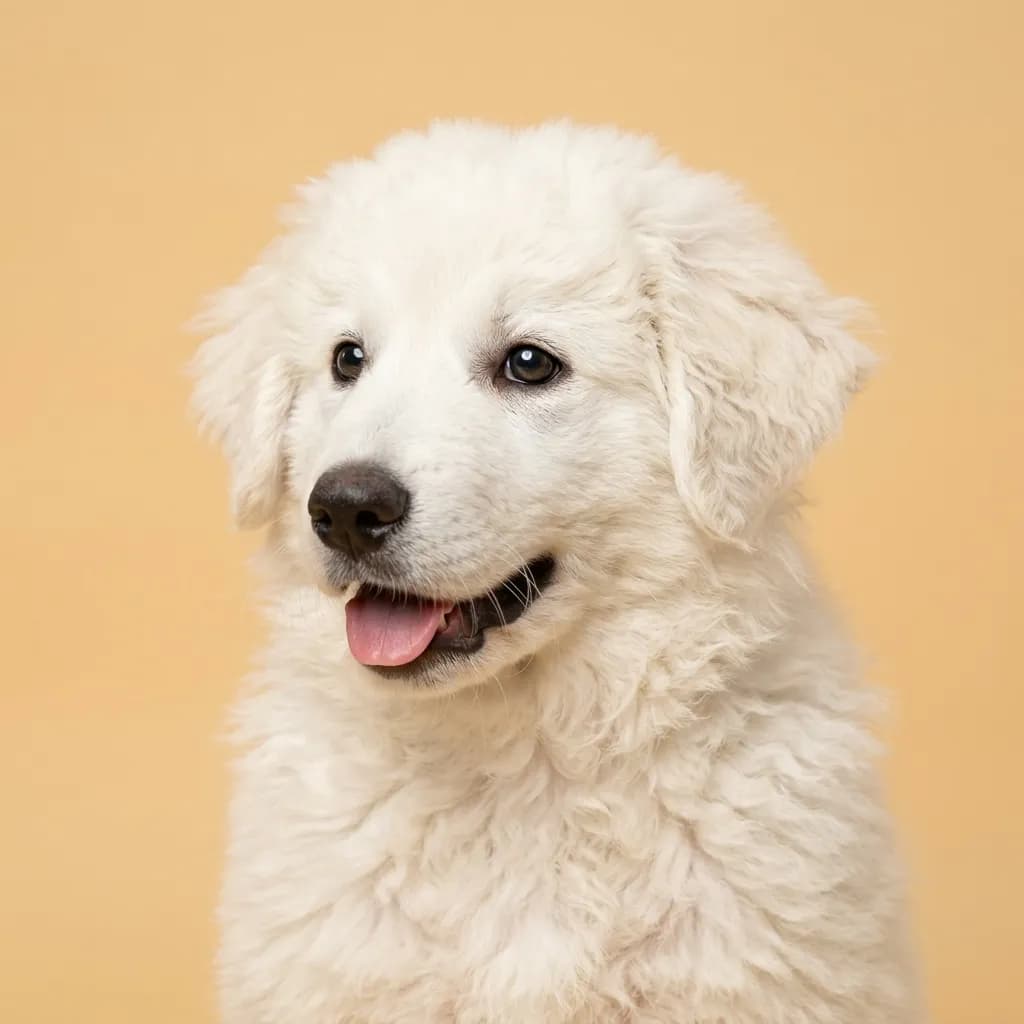
Kuvasz
Working Group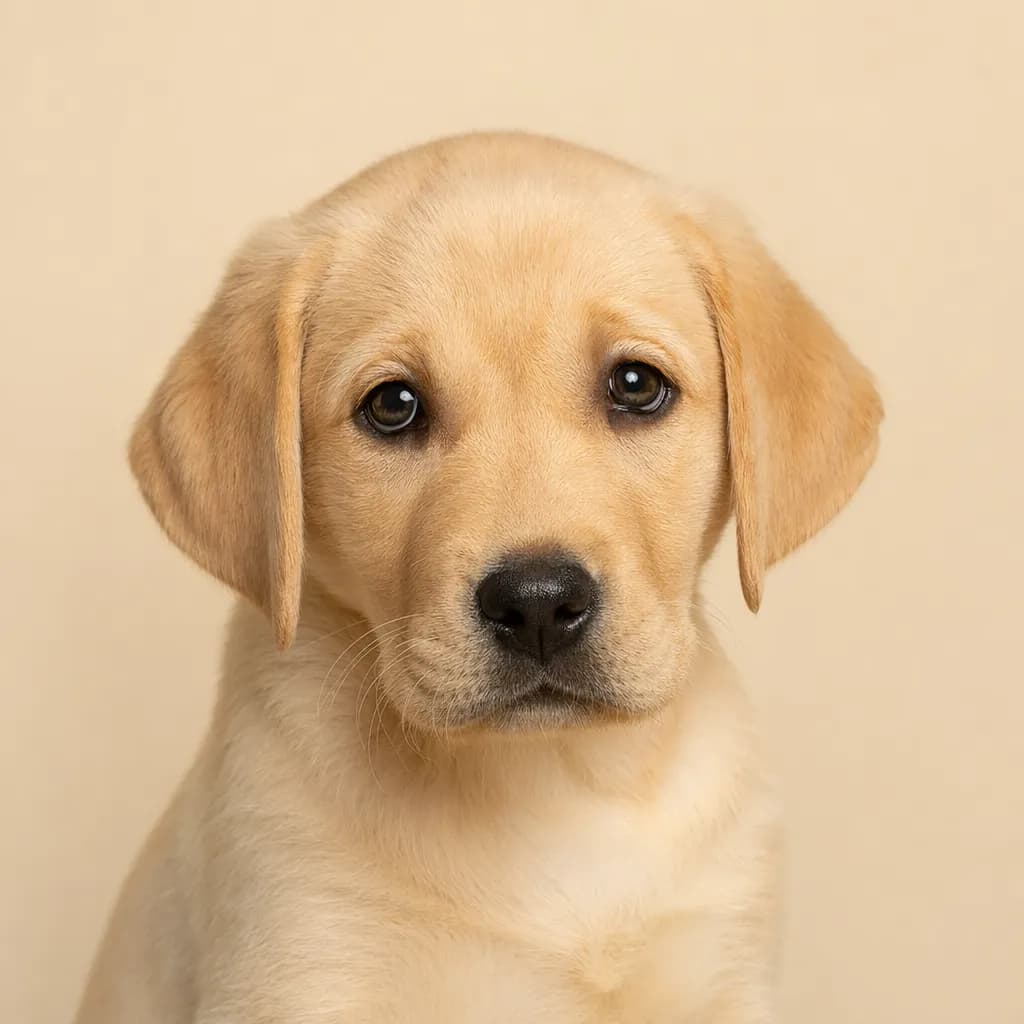
Labrador Retriever
Sporting Group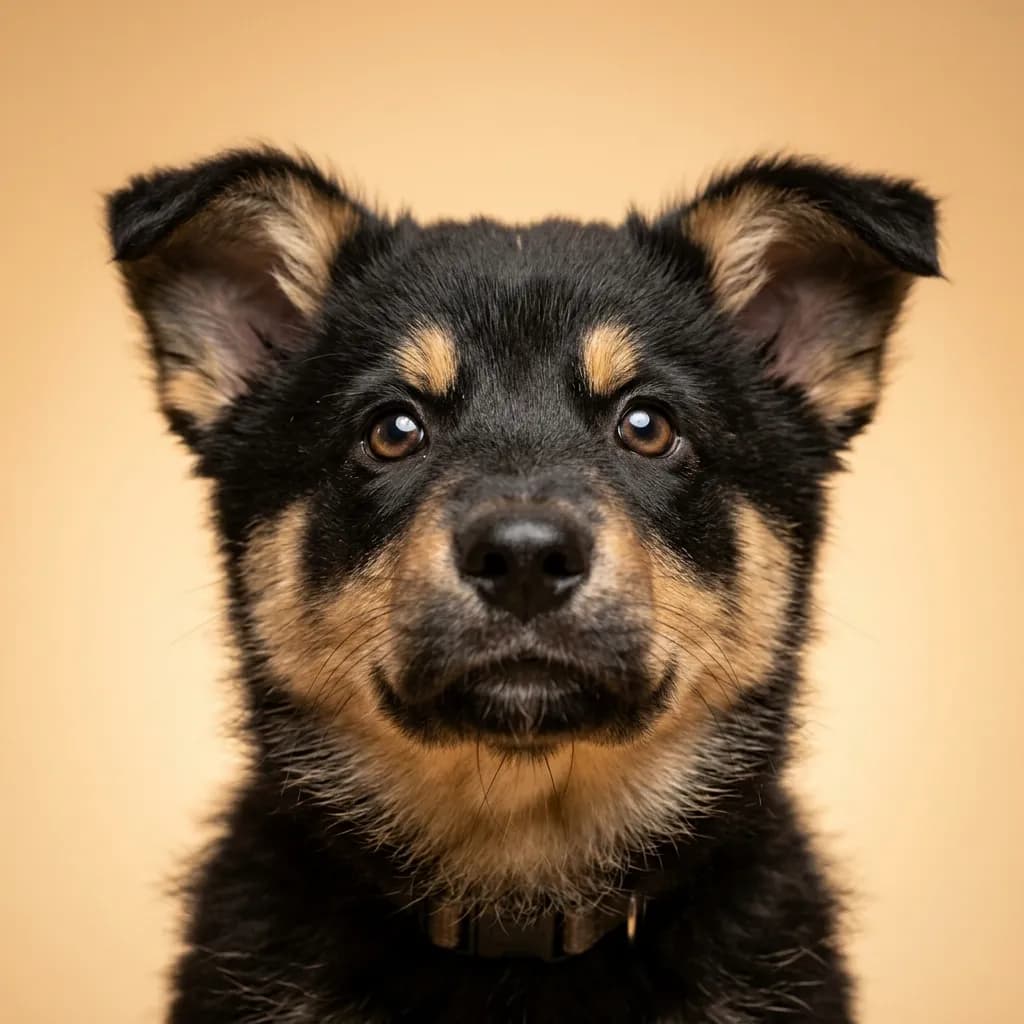
Lapponian Herder
Foundation Stock Service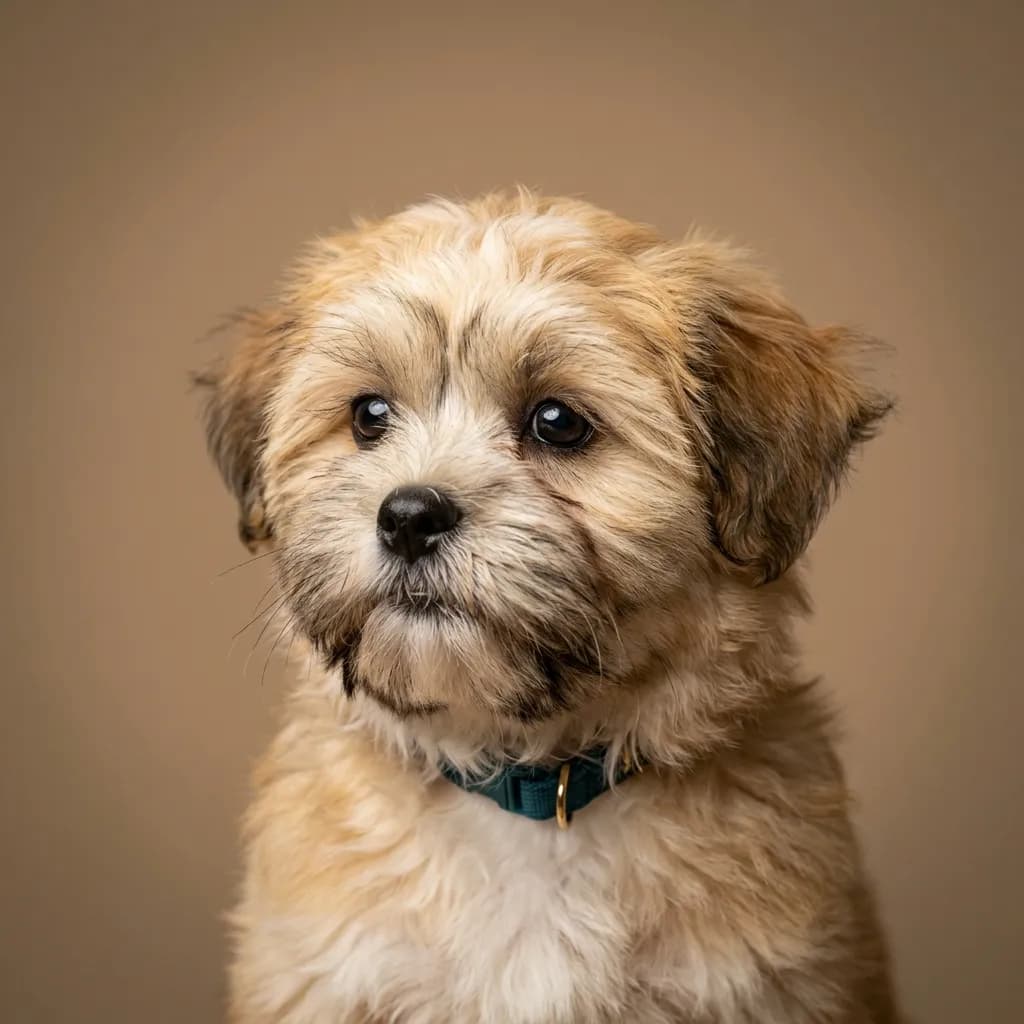
Lhasa Apso
Non-Sporting Group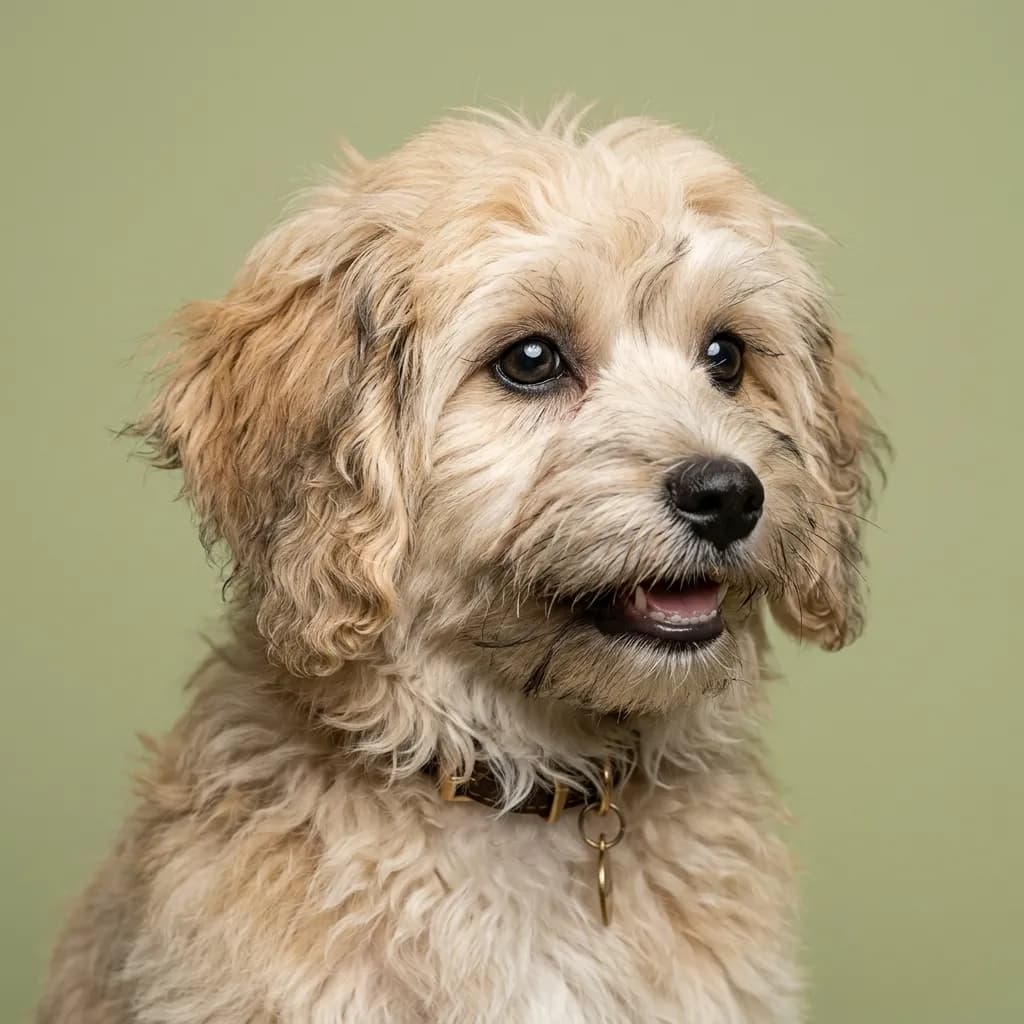
Löwchen
Non-Sporting Group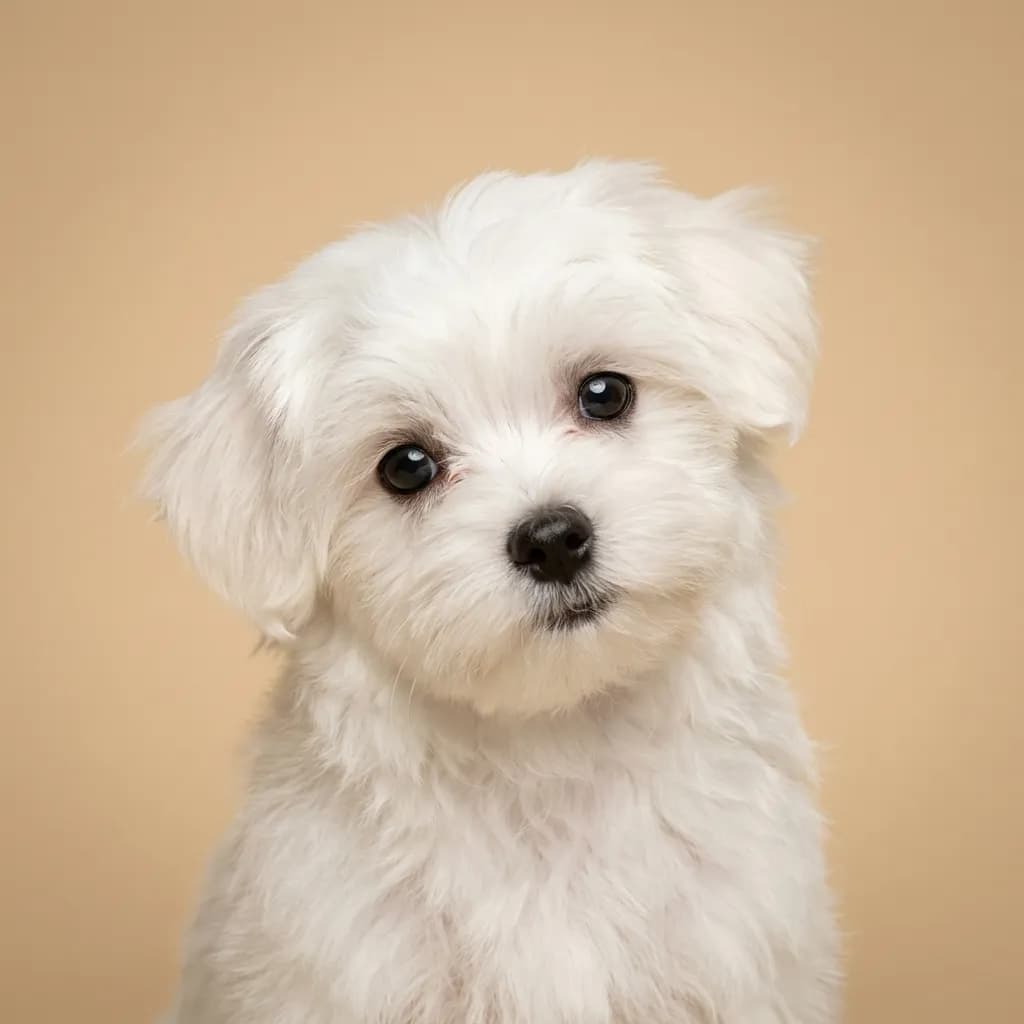
Maltese
Toy Group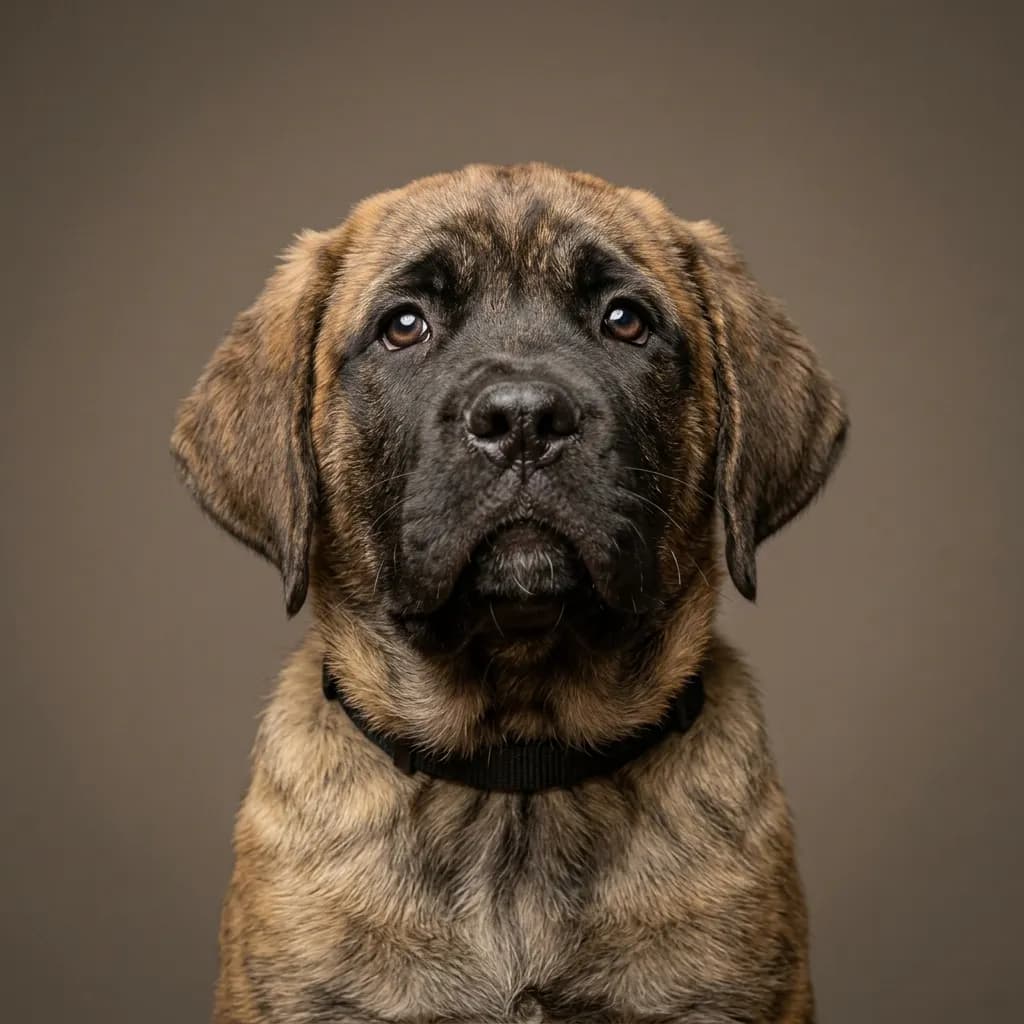
Mastiff
Working Group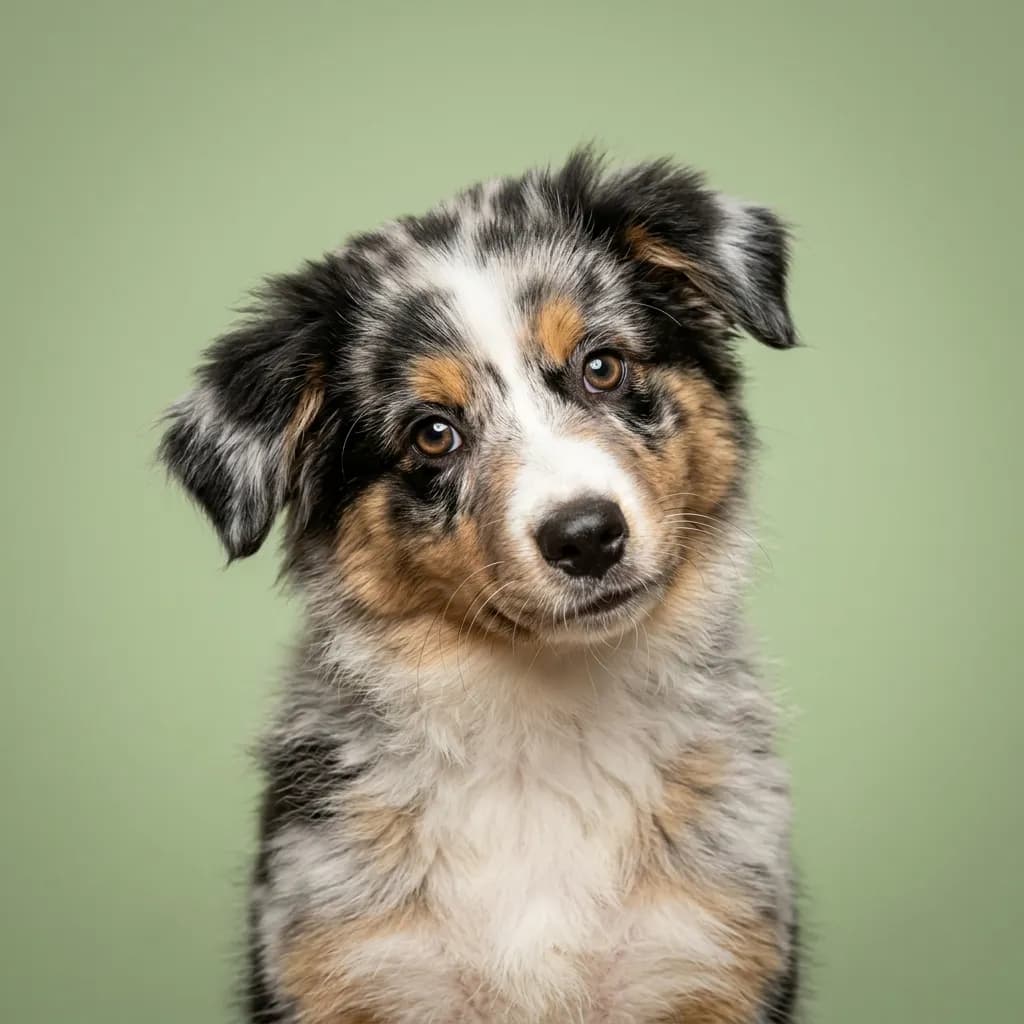
Miniature American Shepherd
Herding Group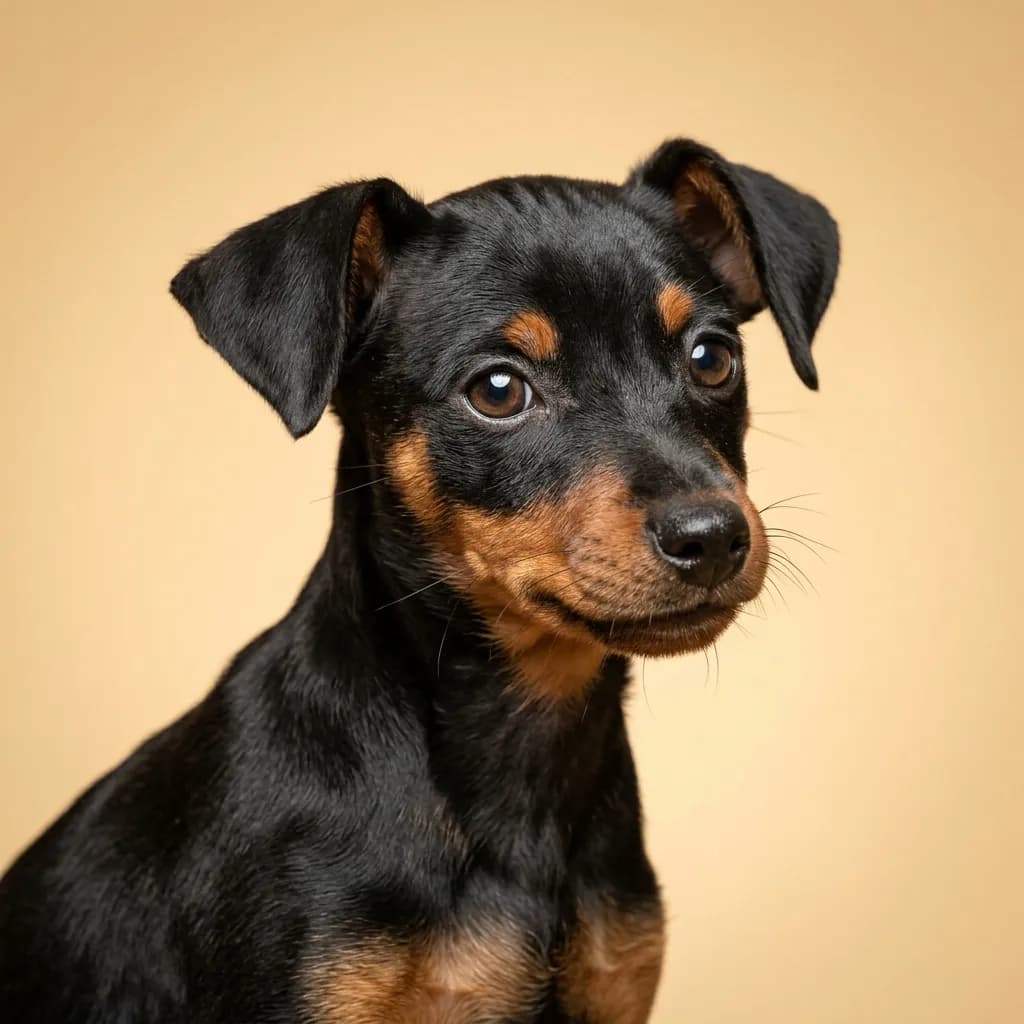
Miniature Pinscher
Toy Group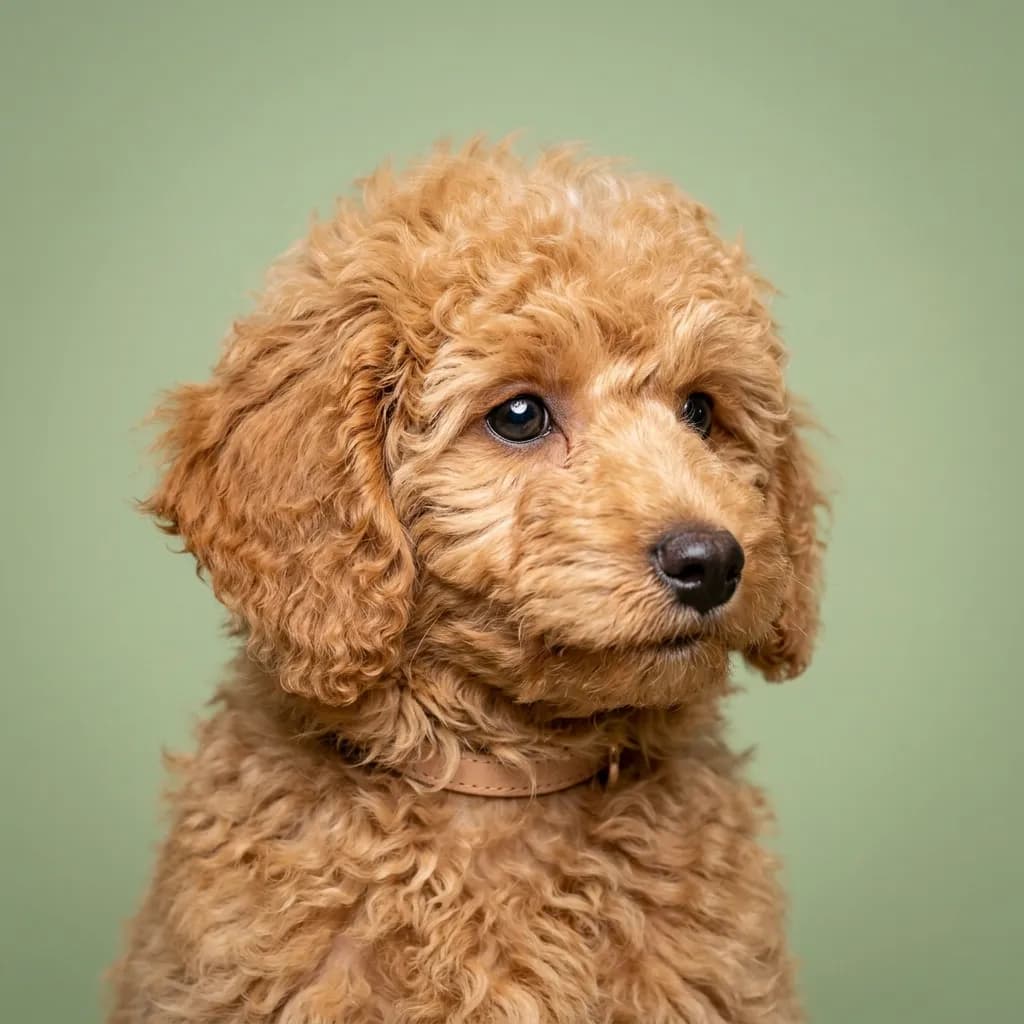
Miniature Poodle
Non-Sporting Group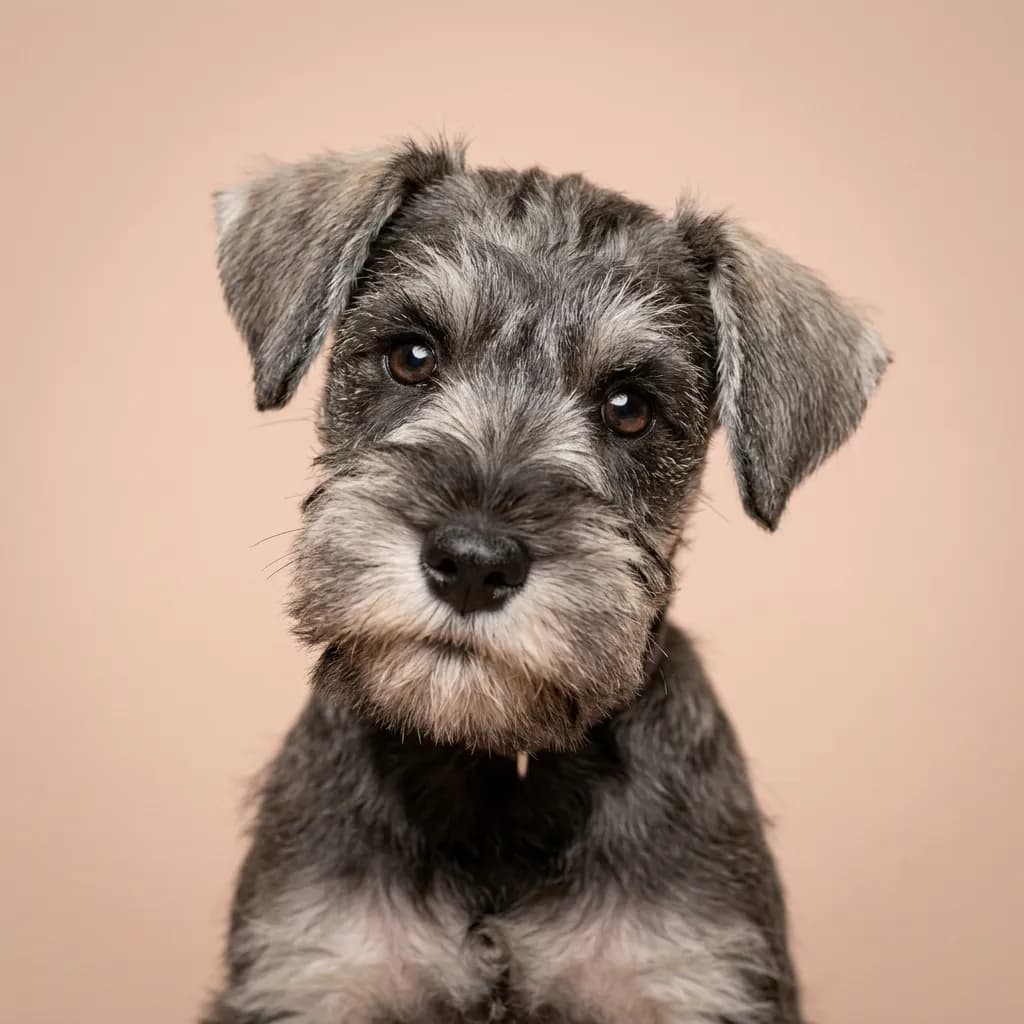
Miniature Schnauzer
Terrier Group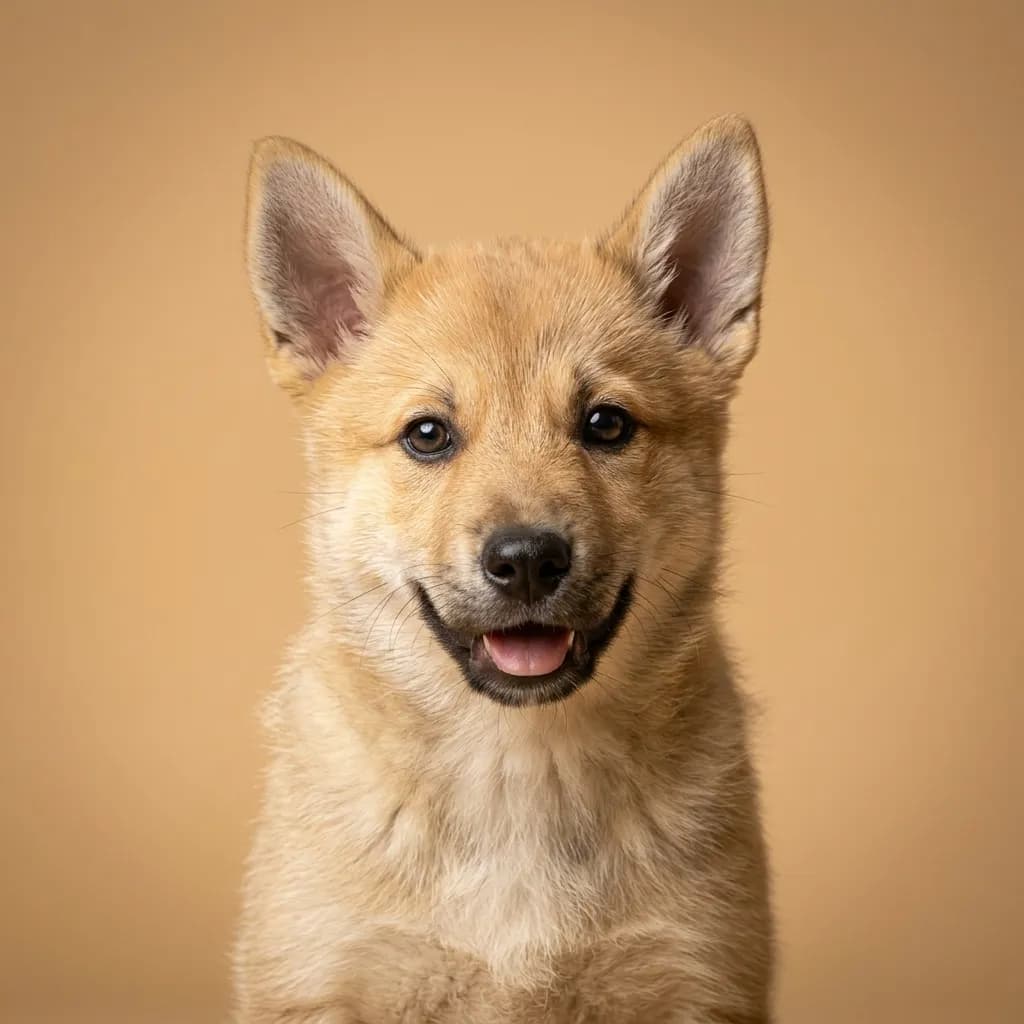
Norwegian Buhund
Herding Group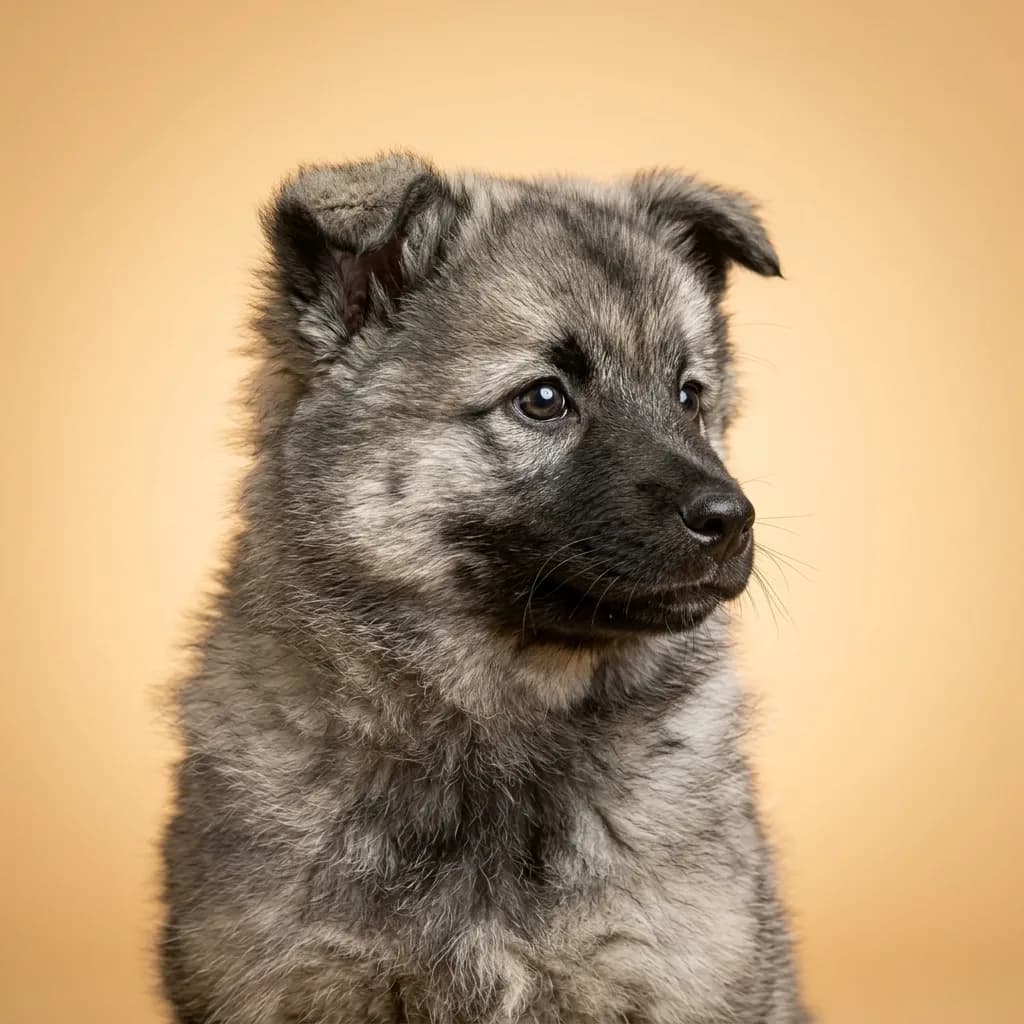
Norwegian Elkhound
Hound Group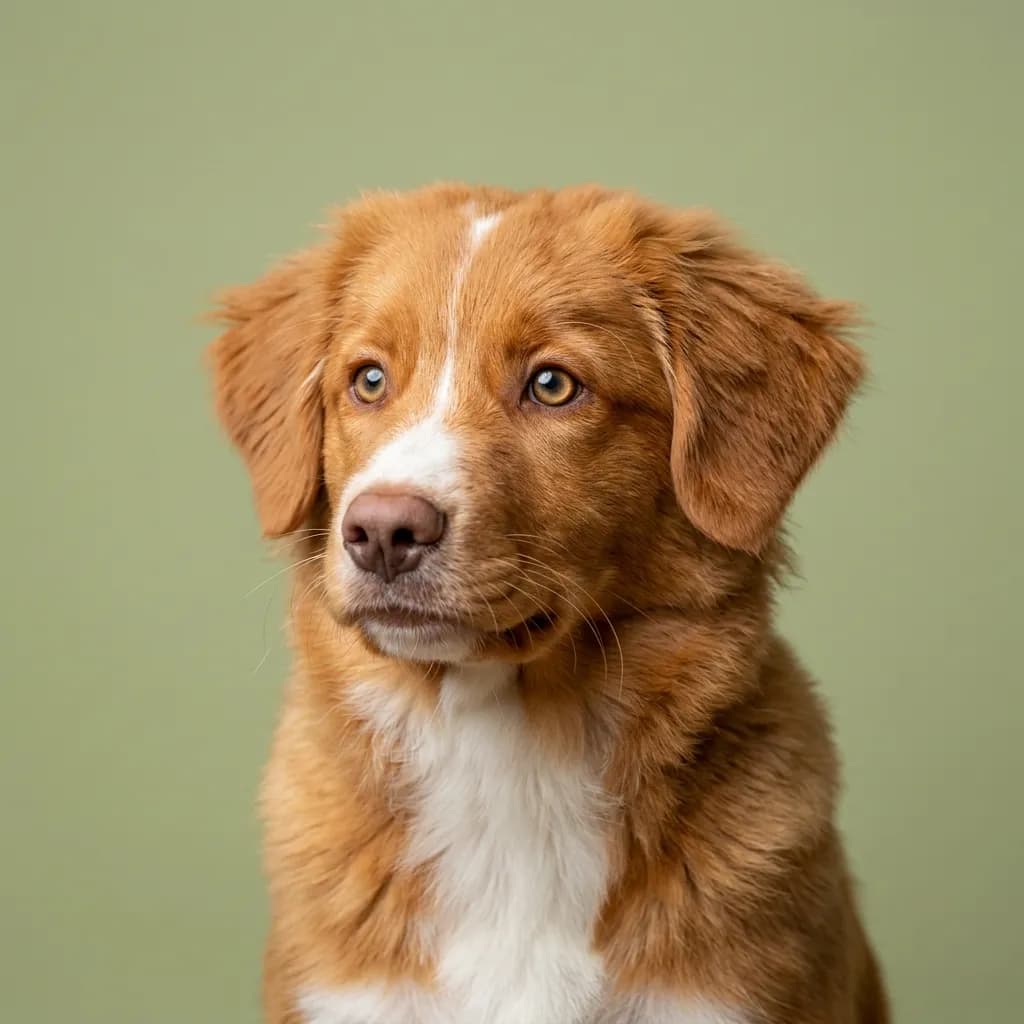
Nova Scotia Duck Tolling Retriever
Sporting Group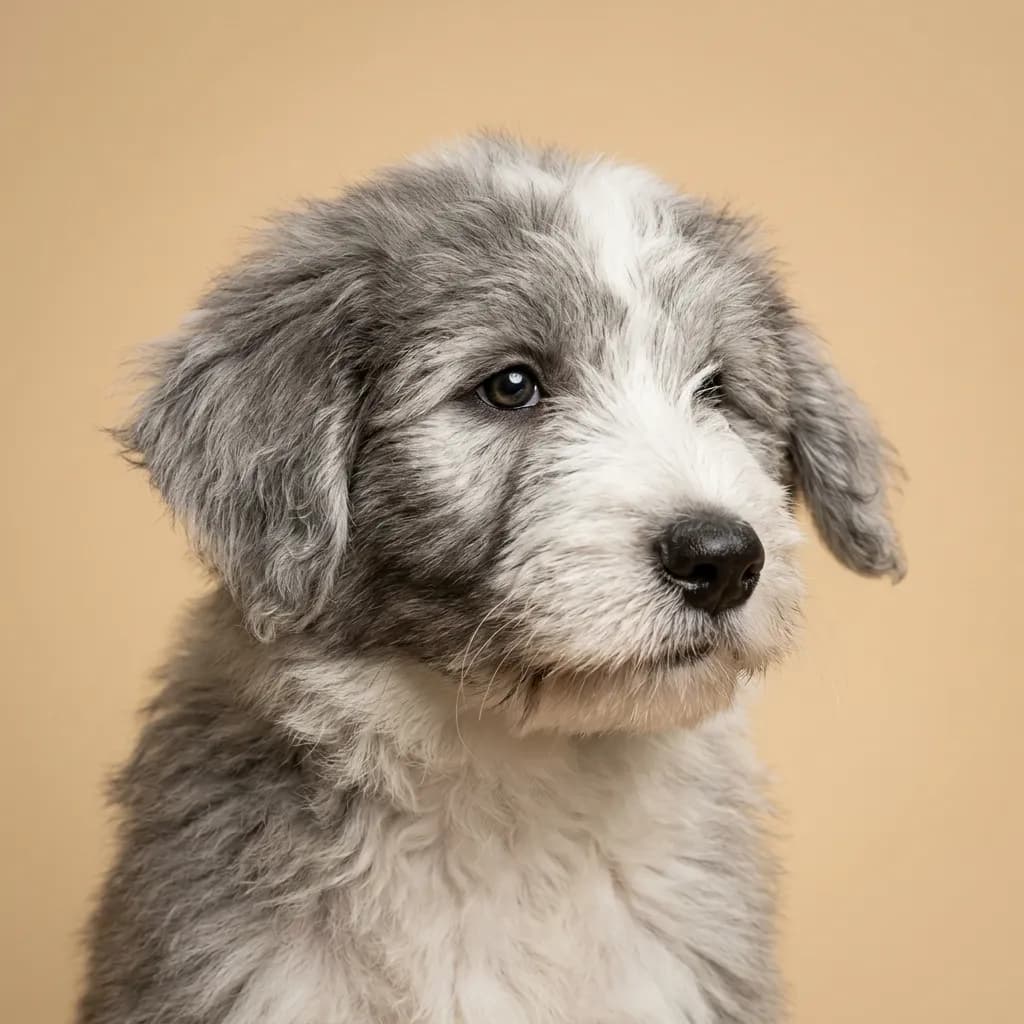
Old English Sheepdog
Herding Group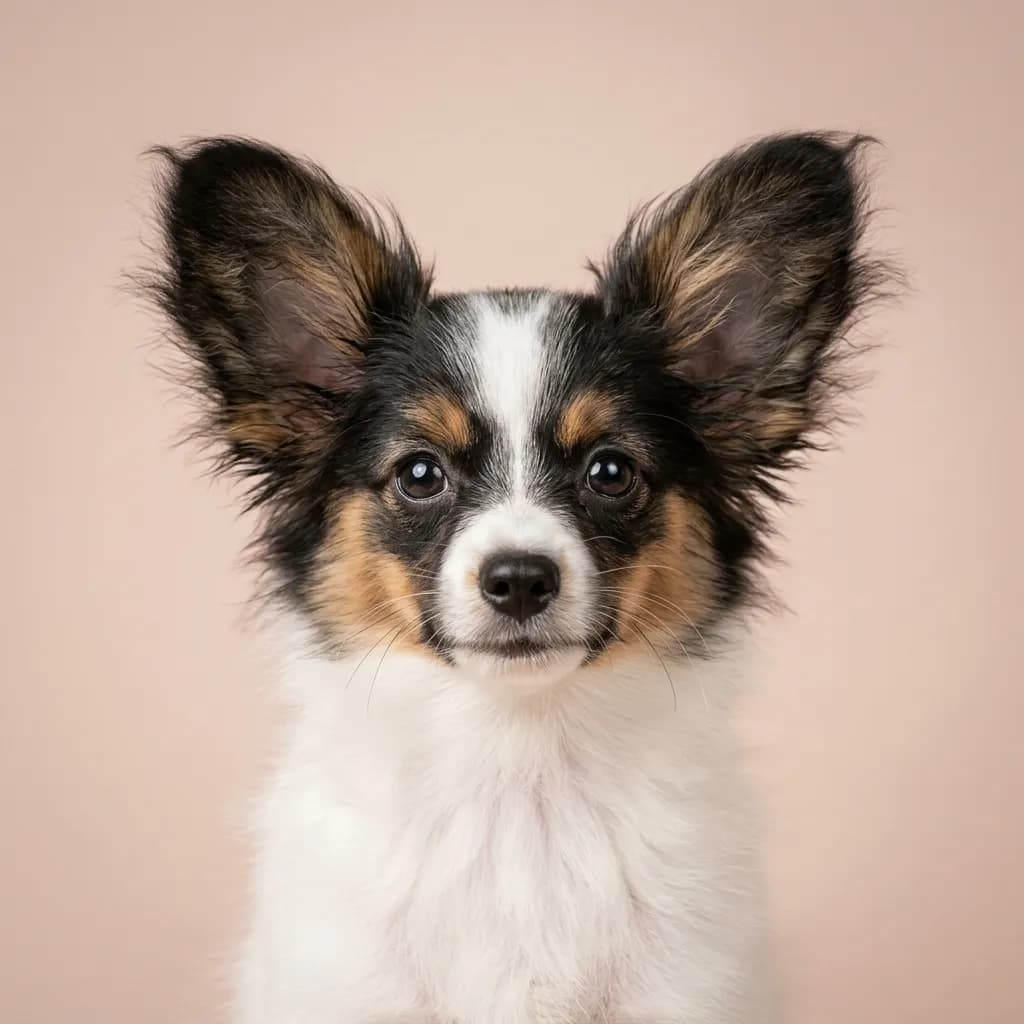
Papillon
Toy Group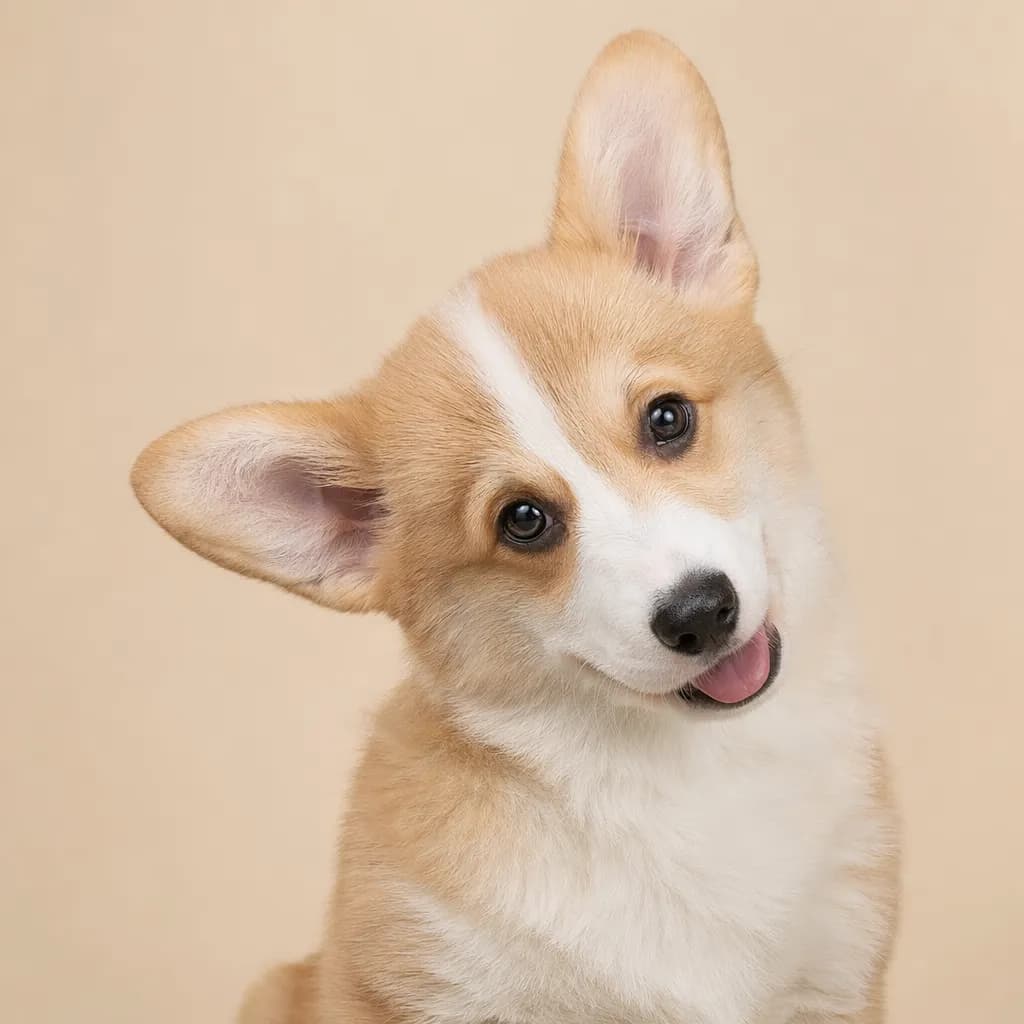
Pembroke Welsh Corgi
Herding Group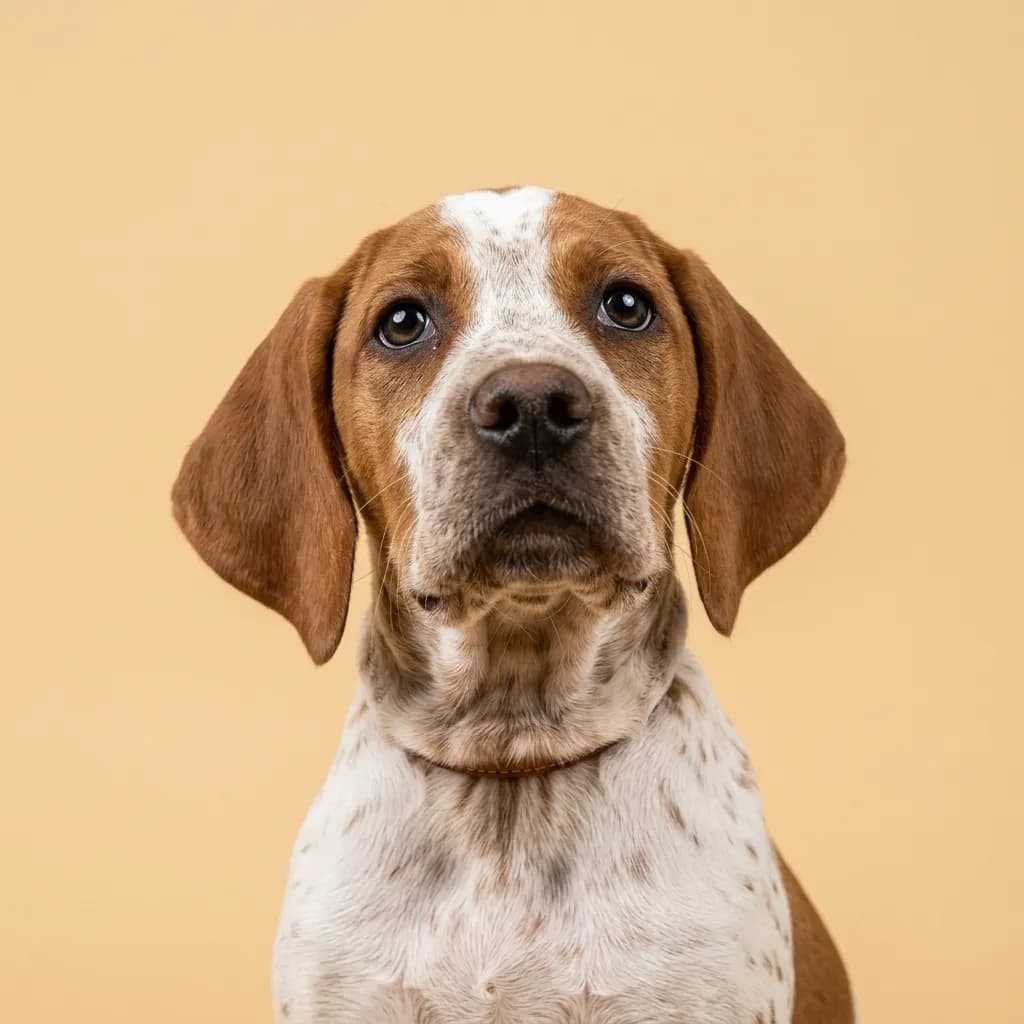
Pointer
Sporting Group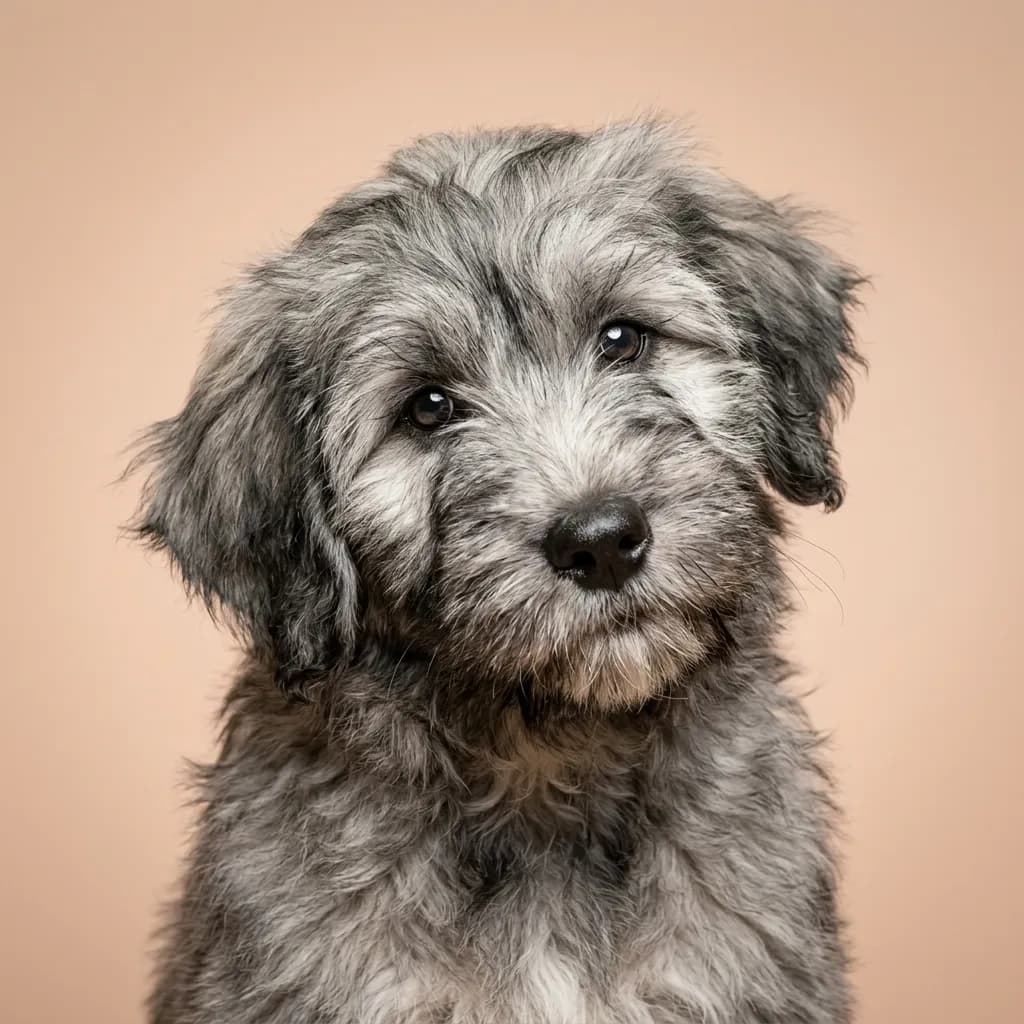
Polish Lowland Sheepdog
Herding Group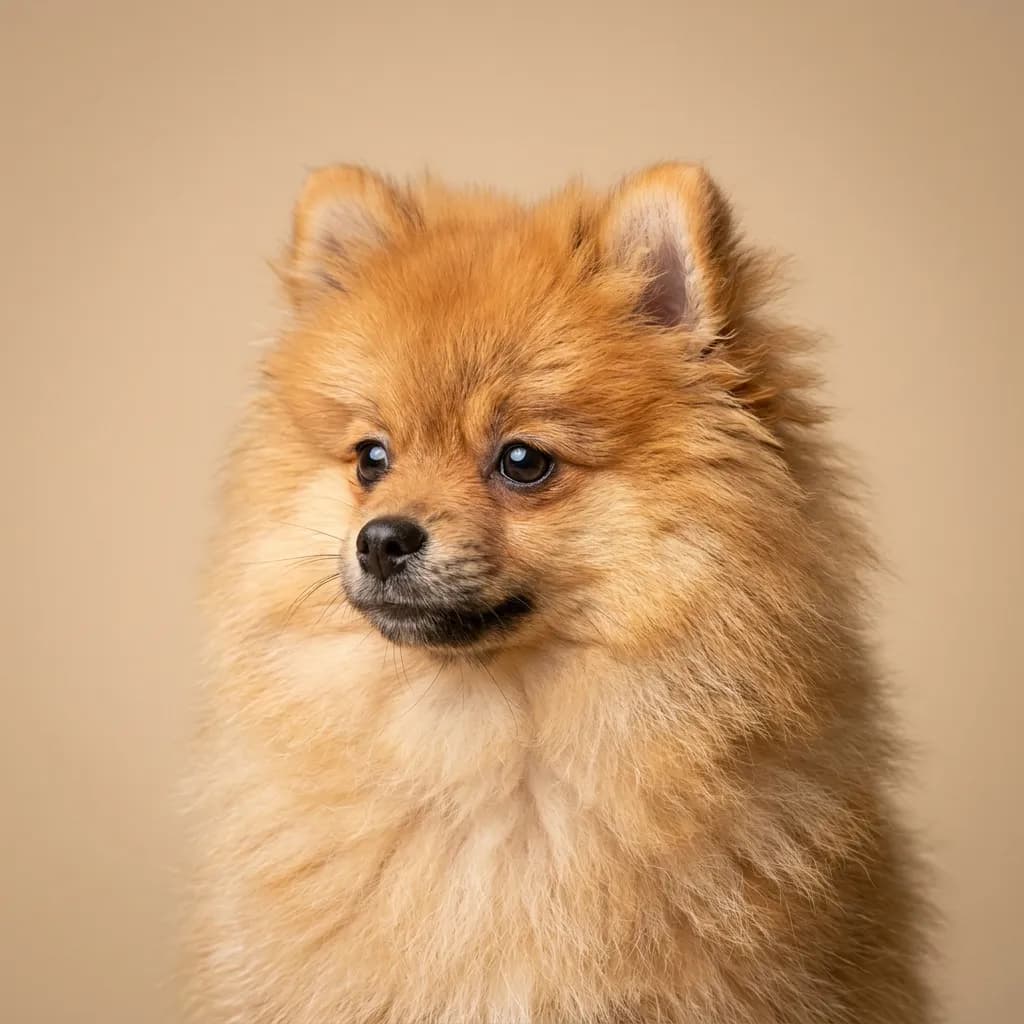
Pomeranian
Toy Group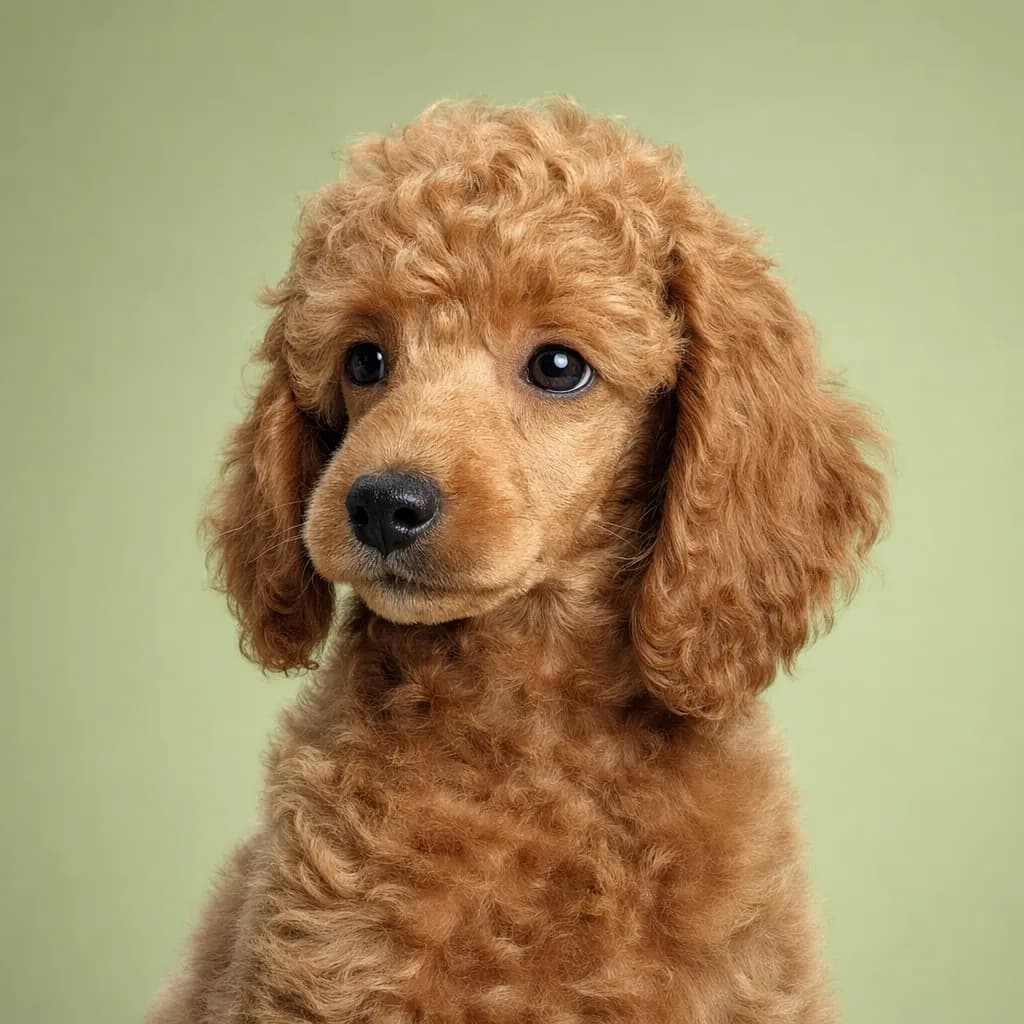
Poodle
Non-Sporting Group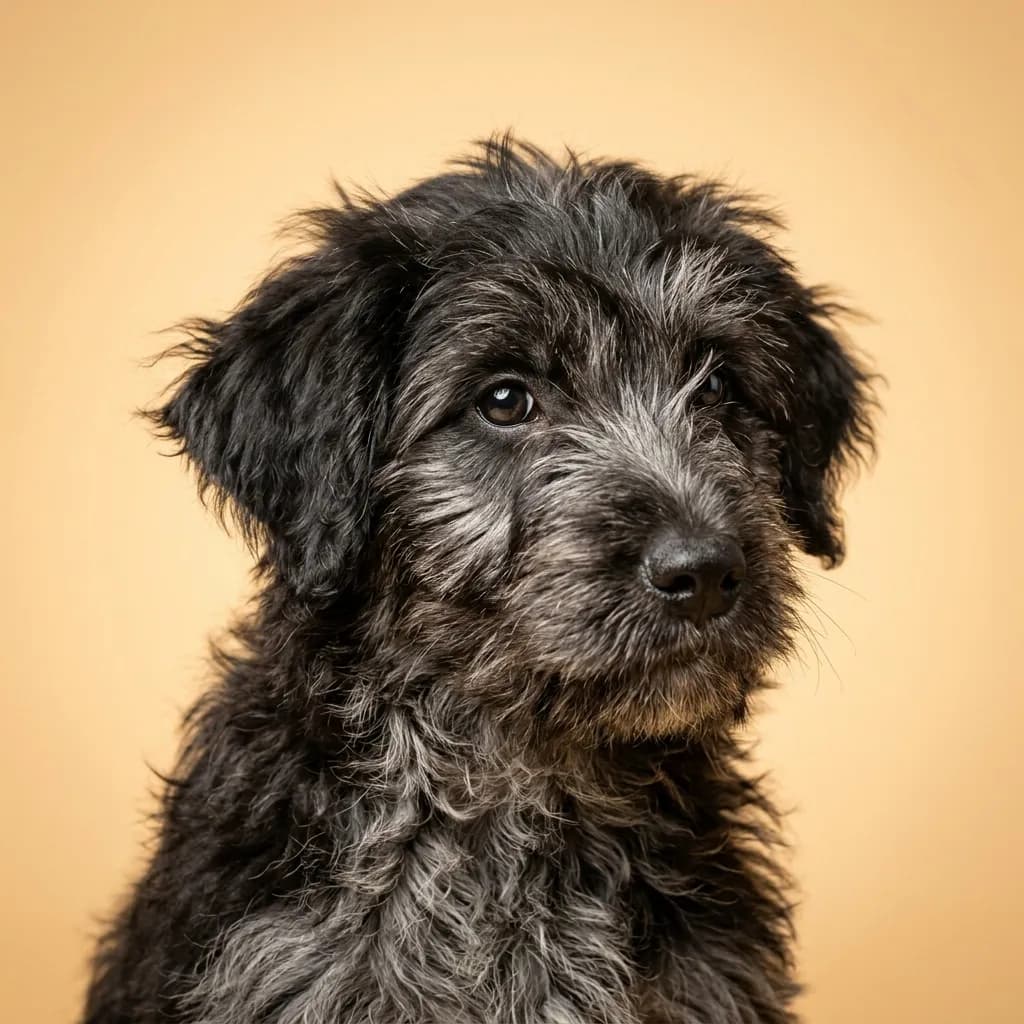
Portuguese Sheepdog
Foundation Stock Service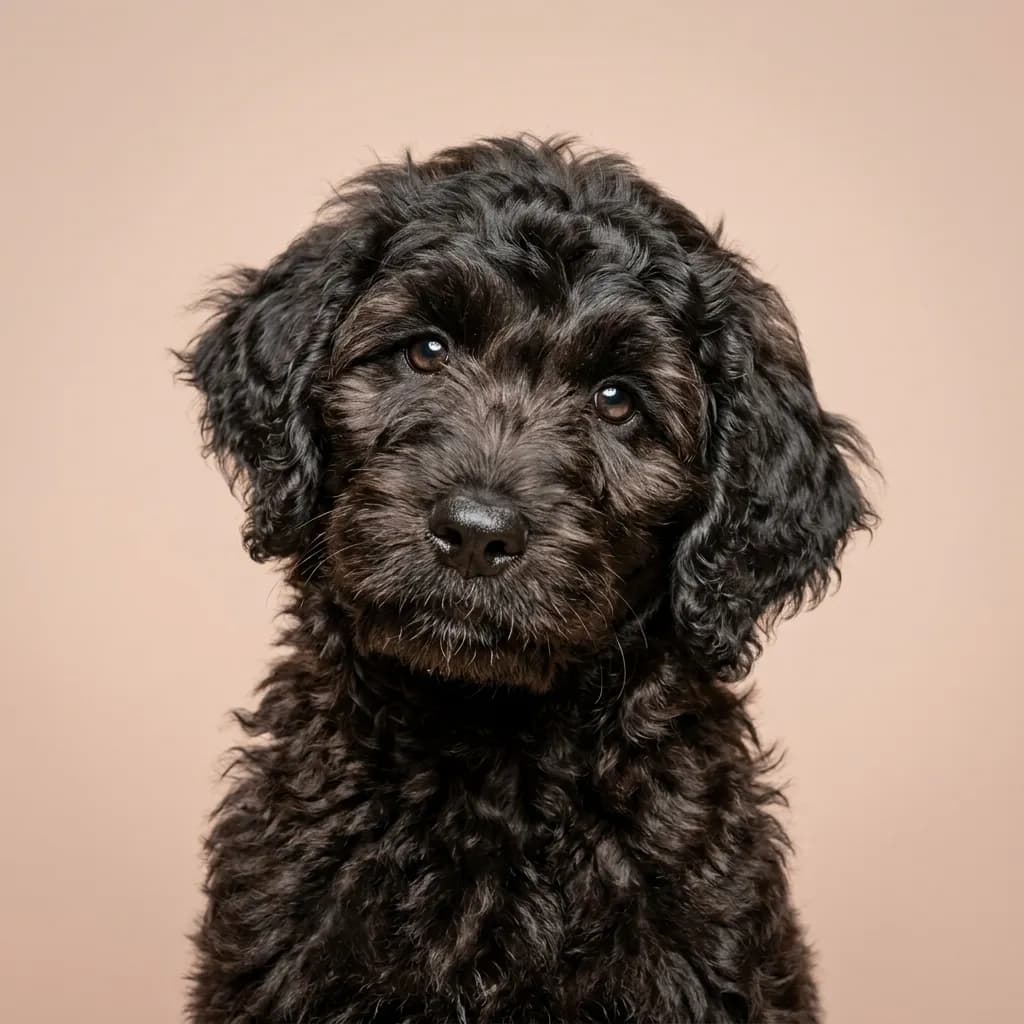
Portuguese Water Dog
Working Group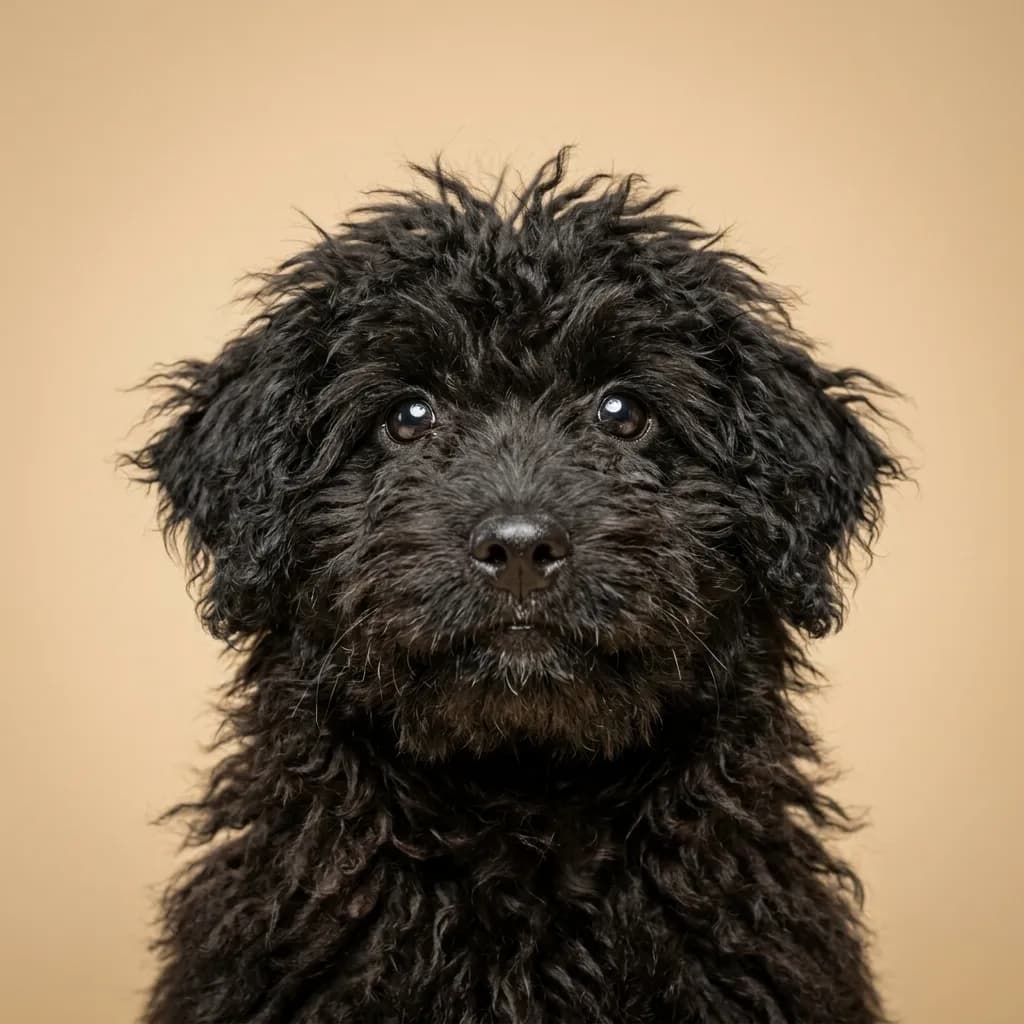
Puli
Herding Group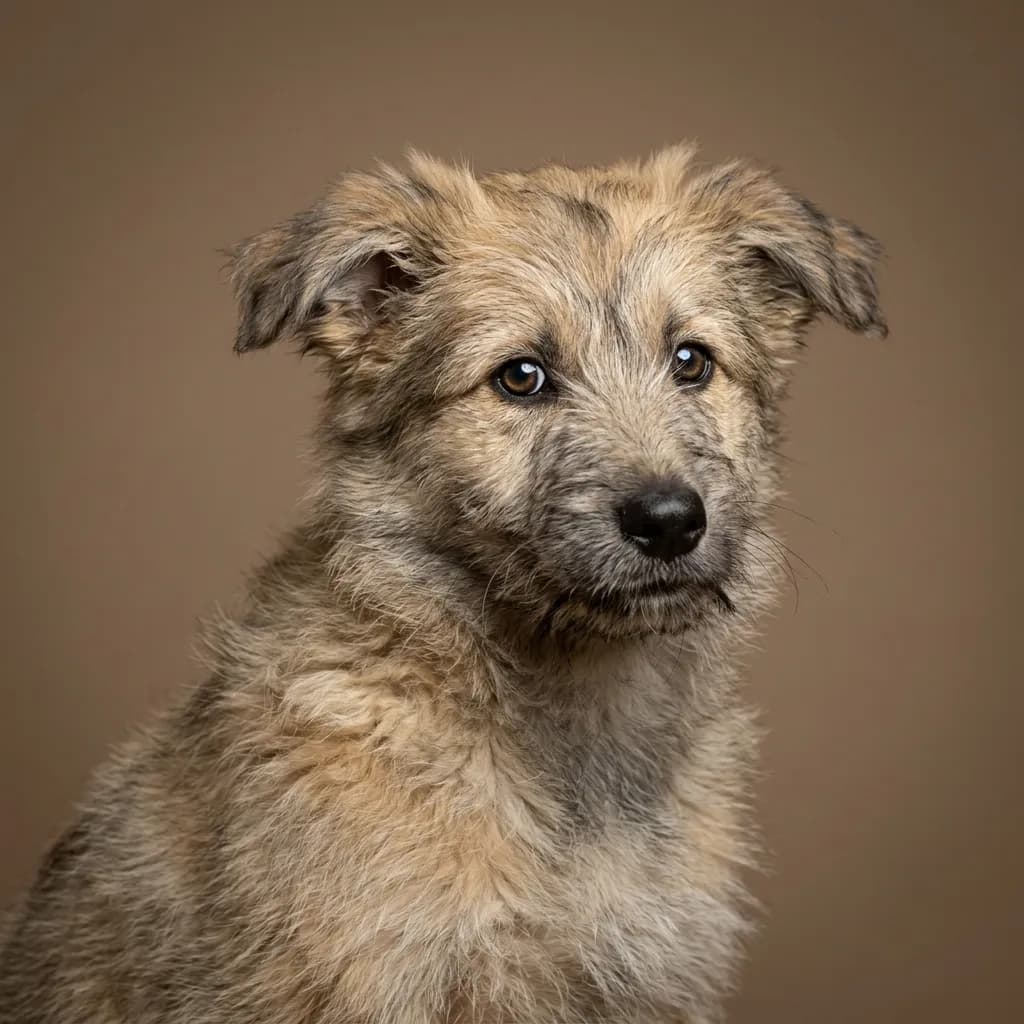
Pyrenean Shepherd
Herding Group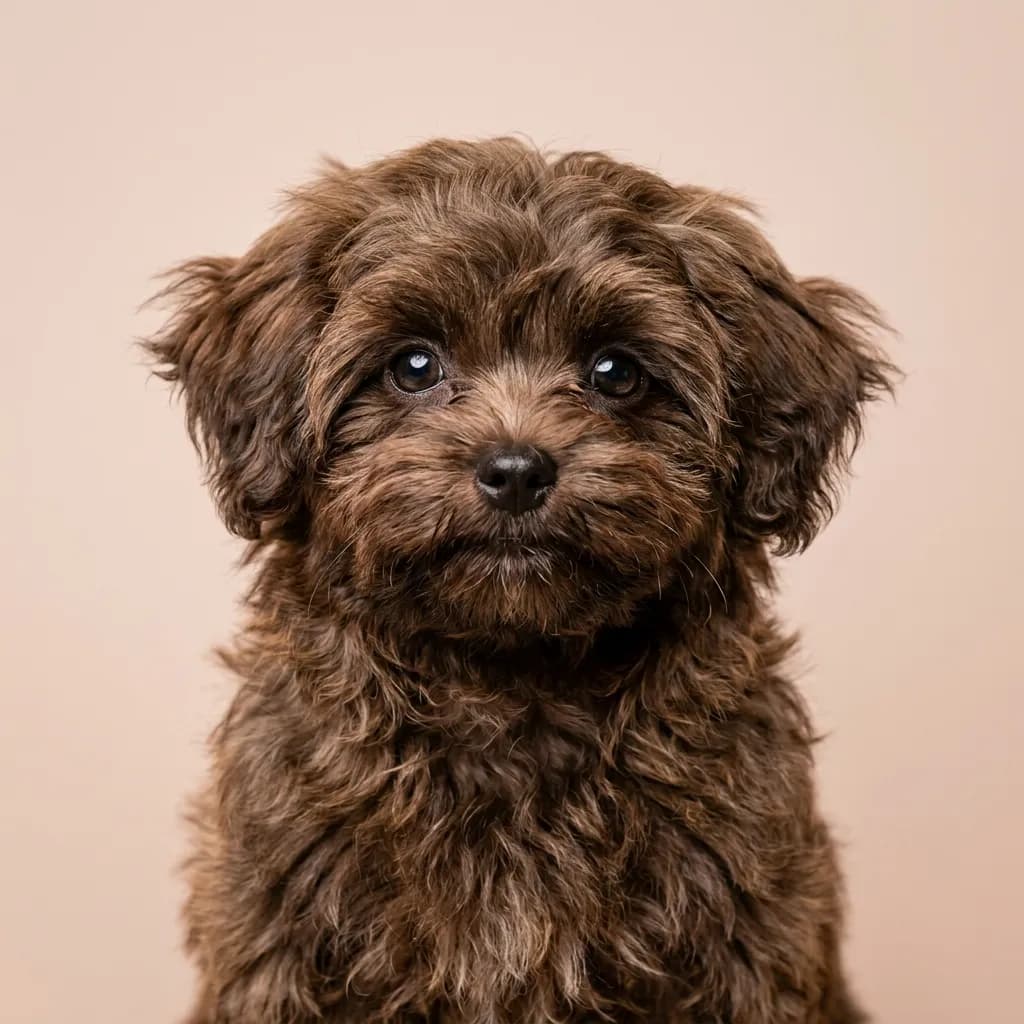
Russian Tsvetnaya Bolonka
Foundation Stock Service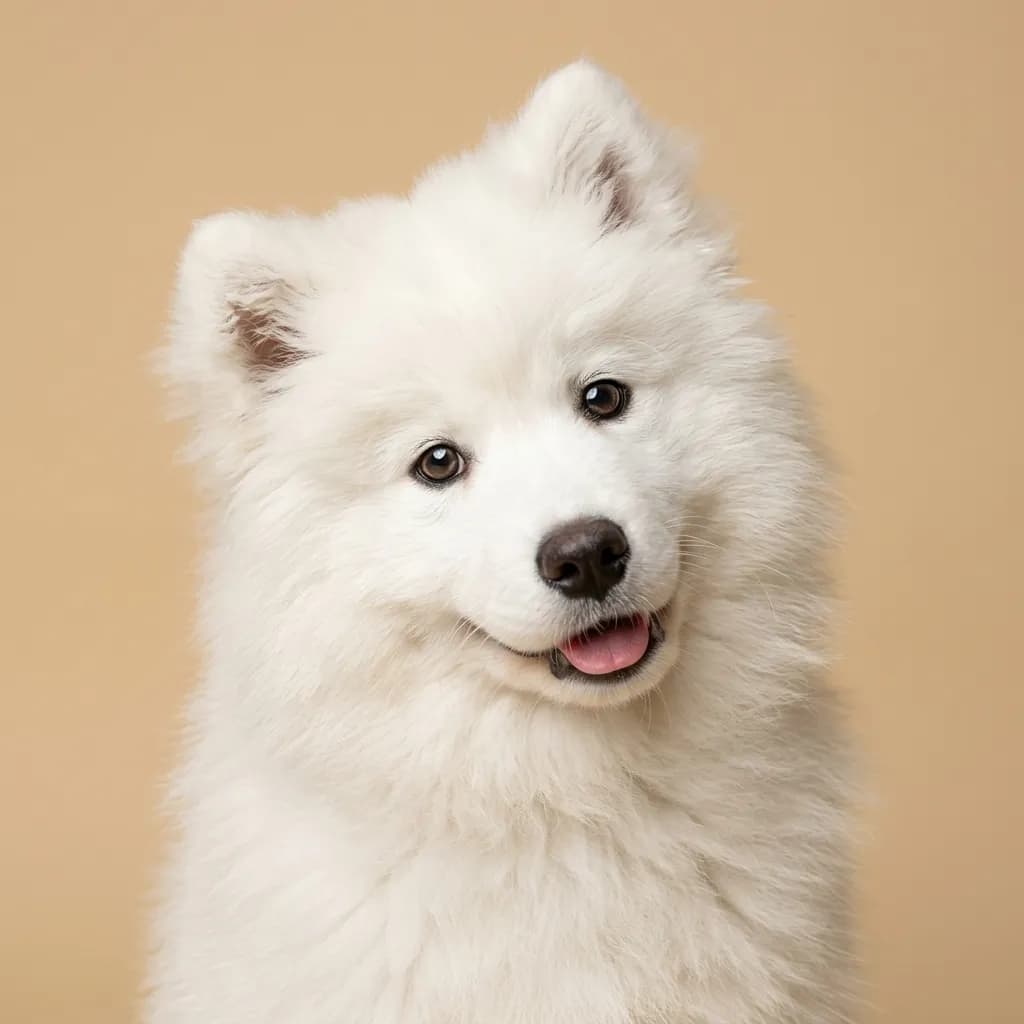
Samoyed
Working Group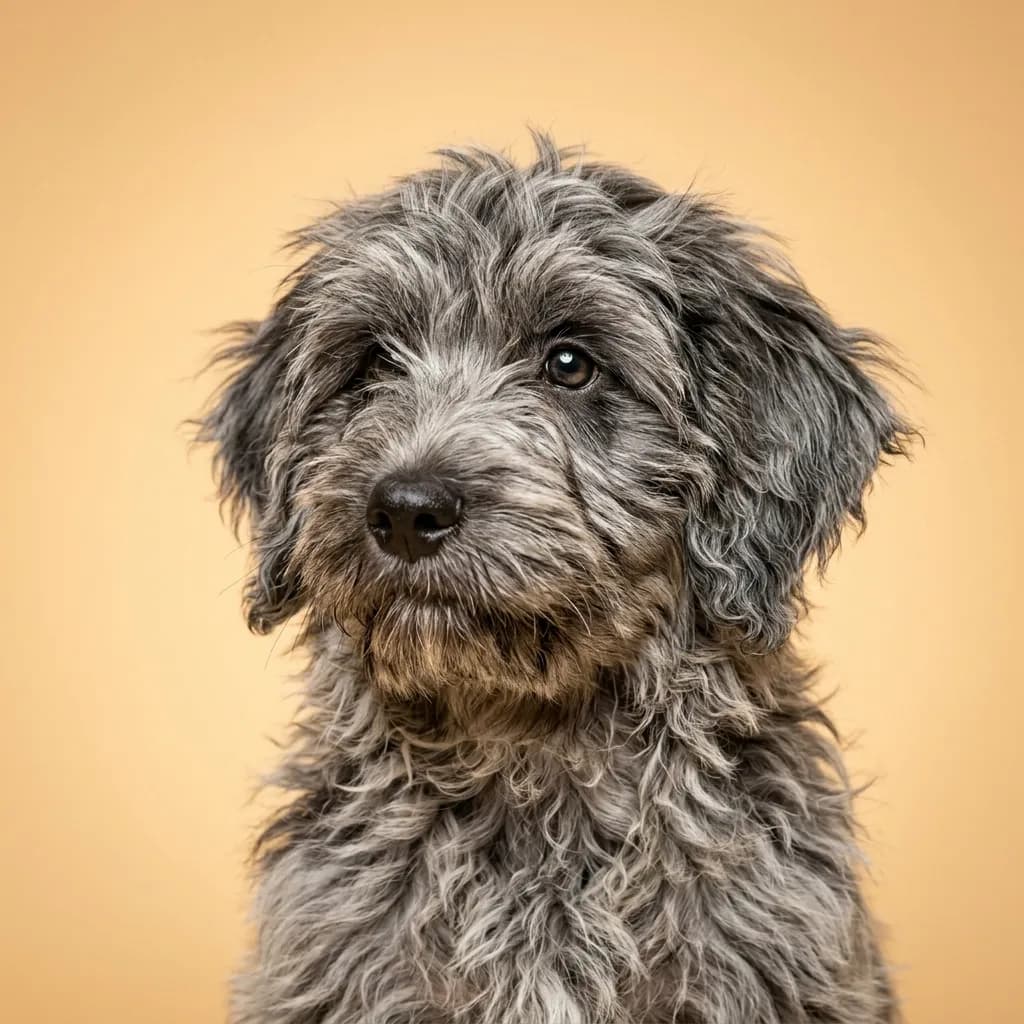
Schapendoes
Foundation Stock Service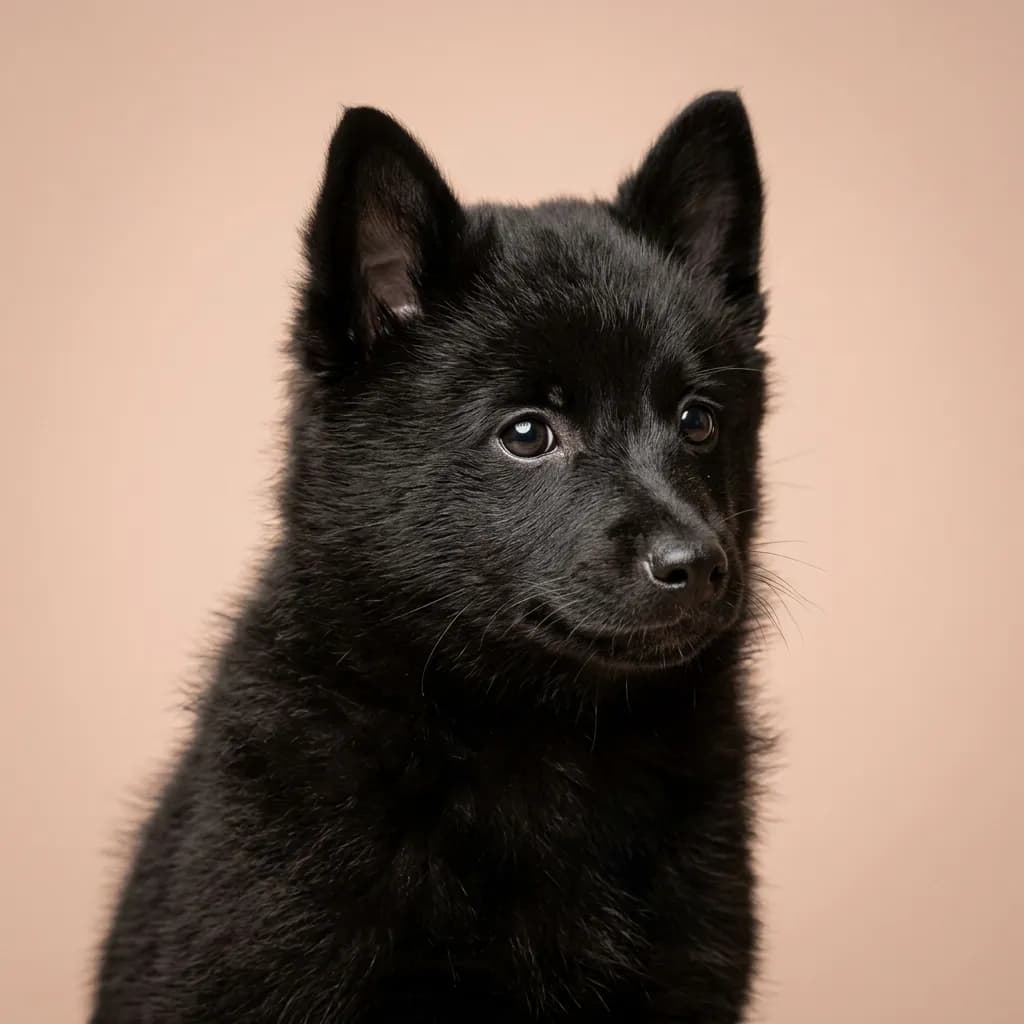
Schipperke
Non-Sporting Group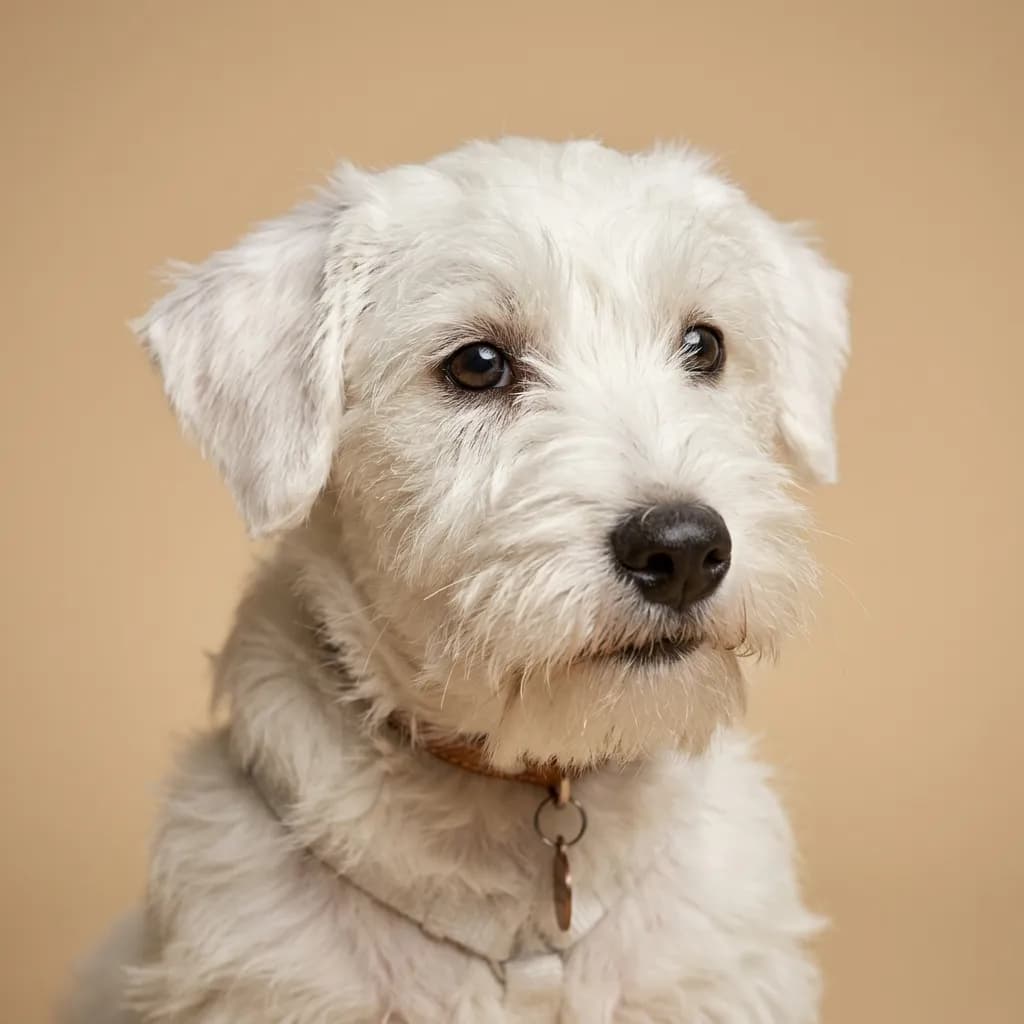
Sealyham Terrier
Terrier Group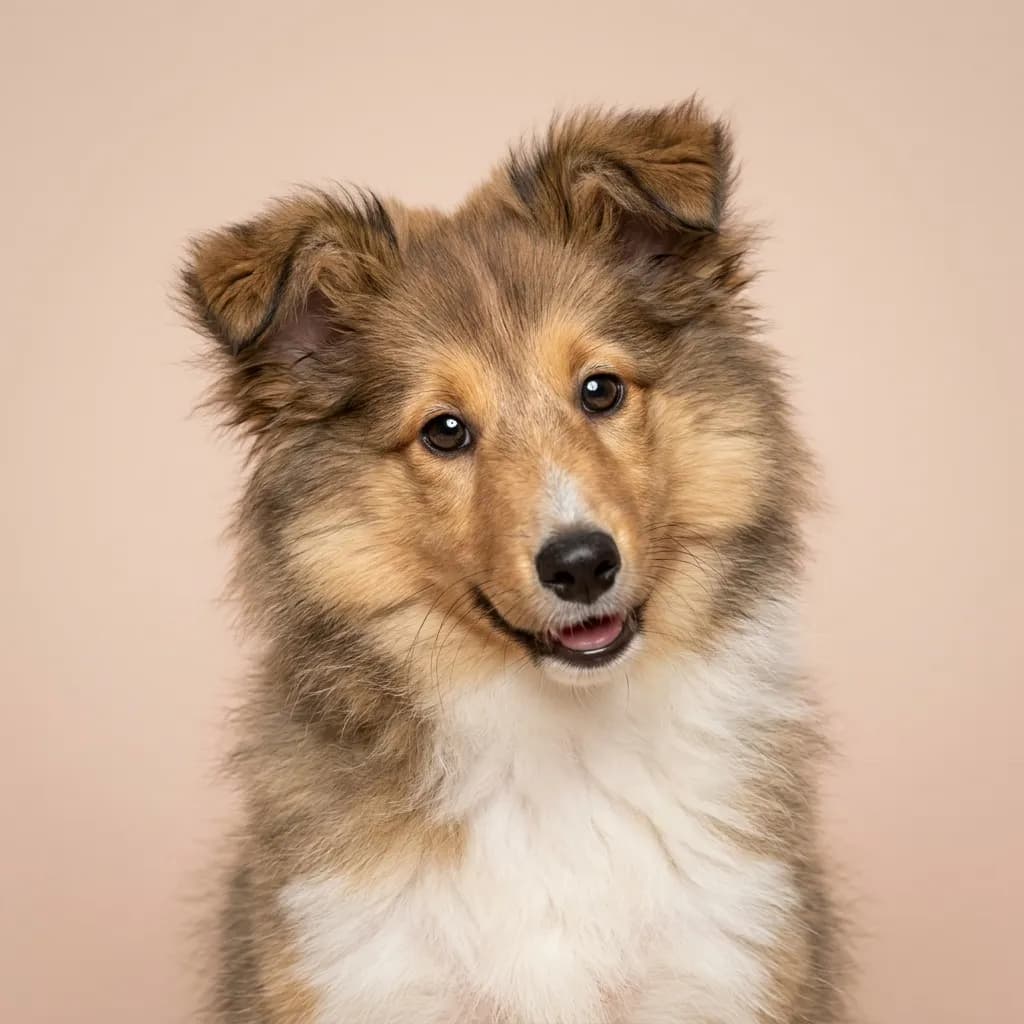
Shetland Sheepdog
Herding Group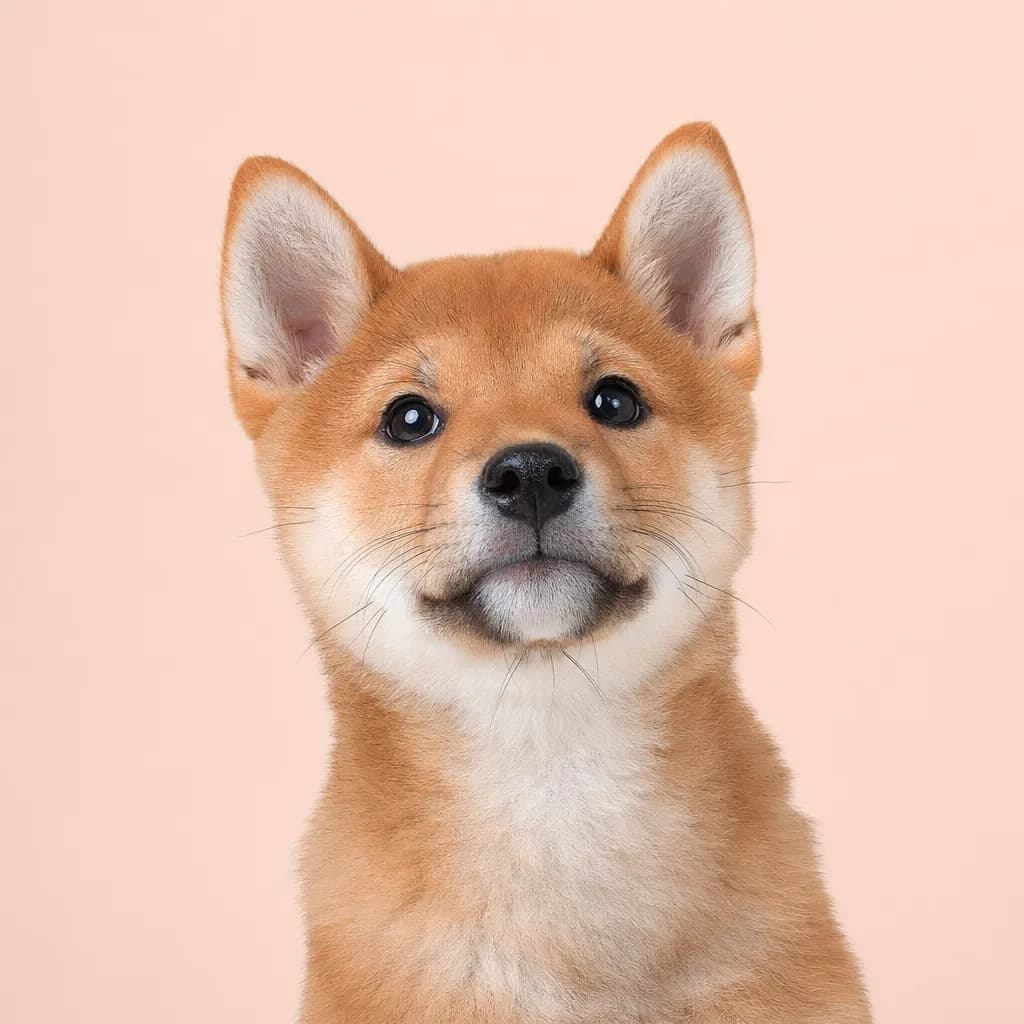
Shiba Inu
Non-Sporting Group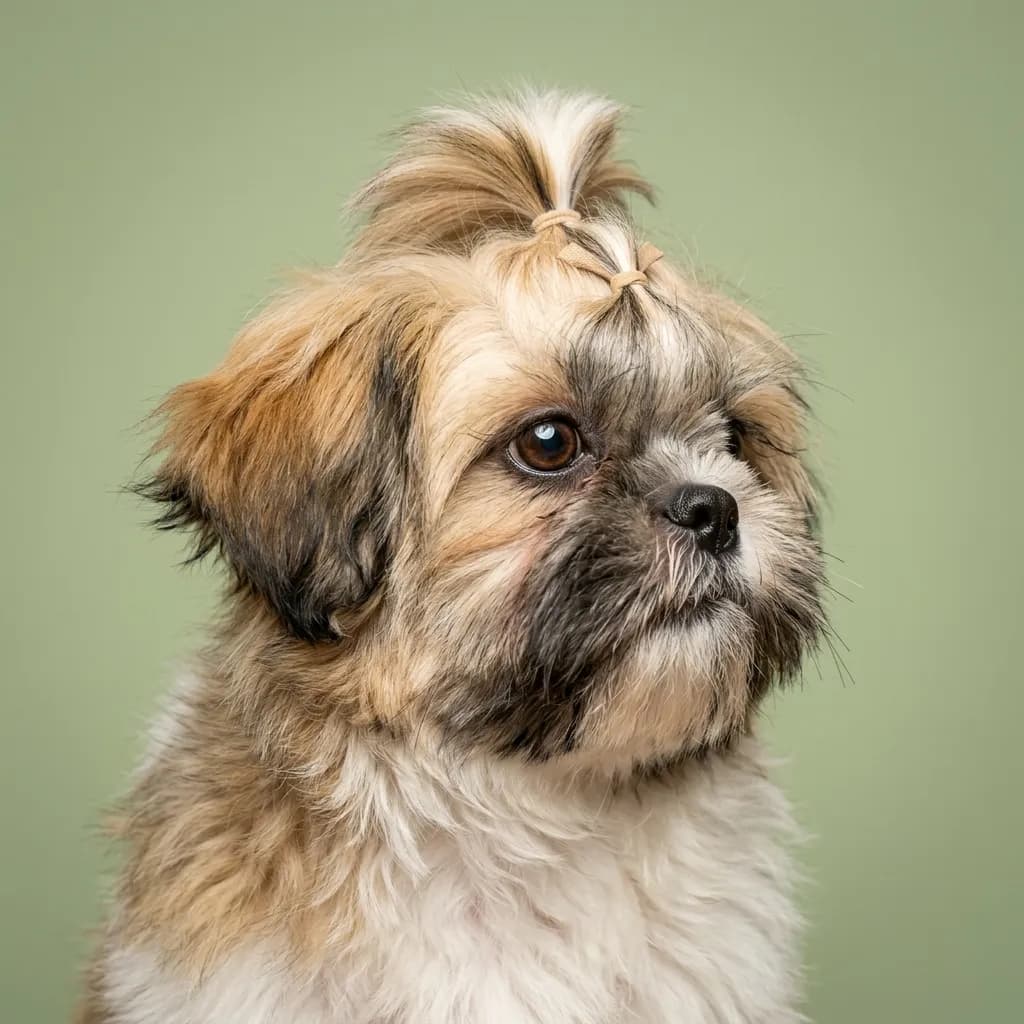
Shih Tzu
Toy Group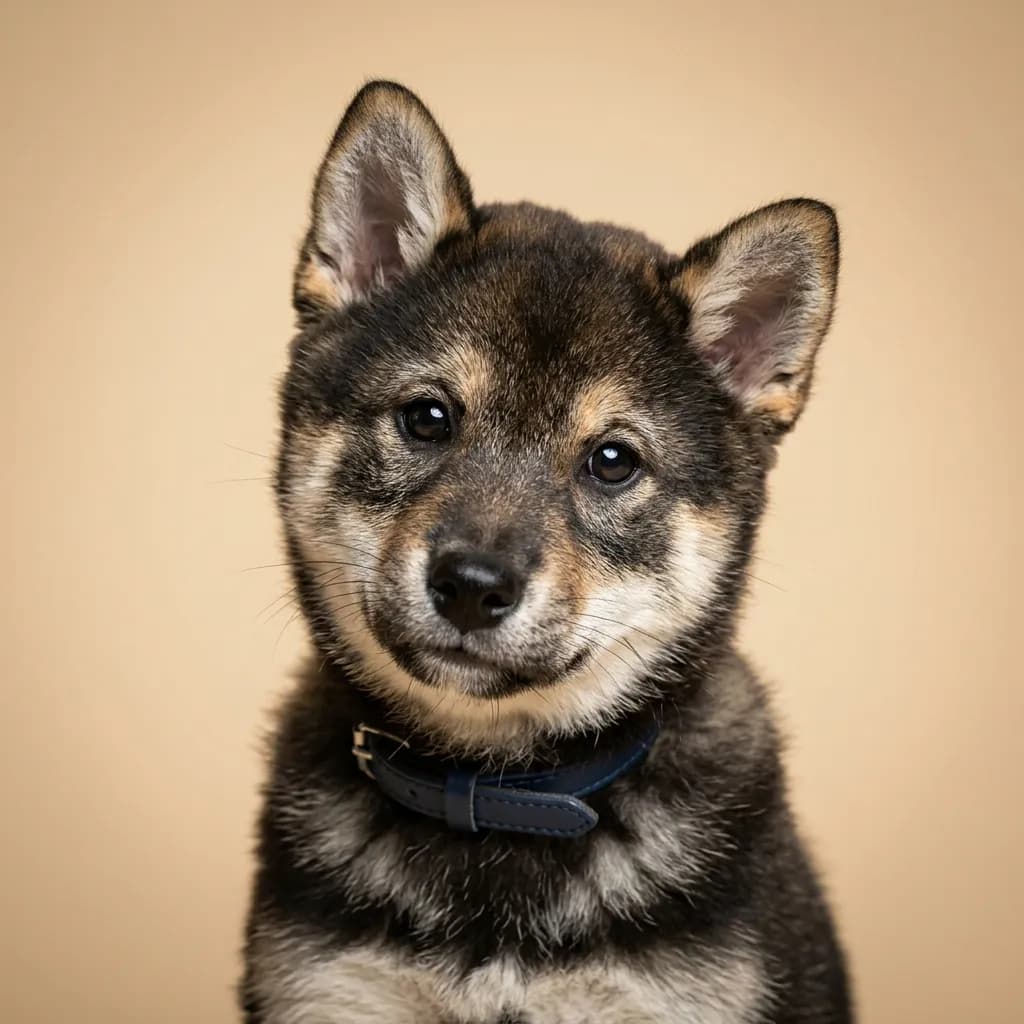
Shikoku
Foundation Stock Service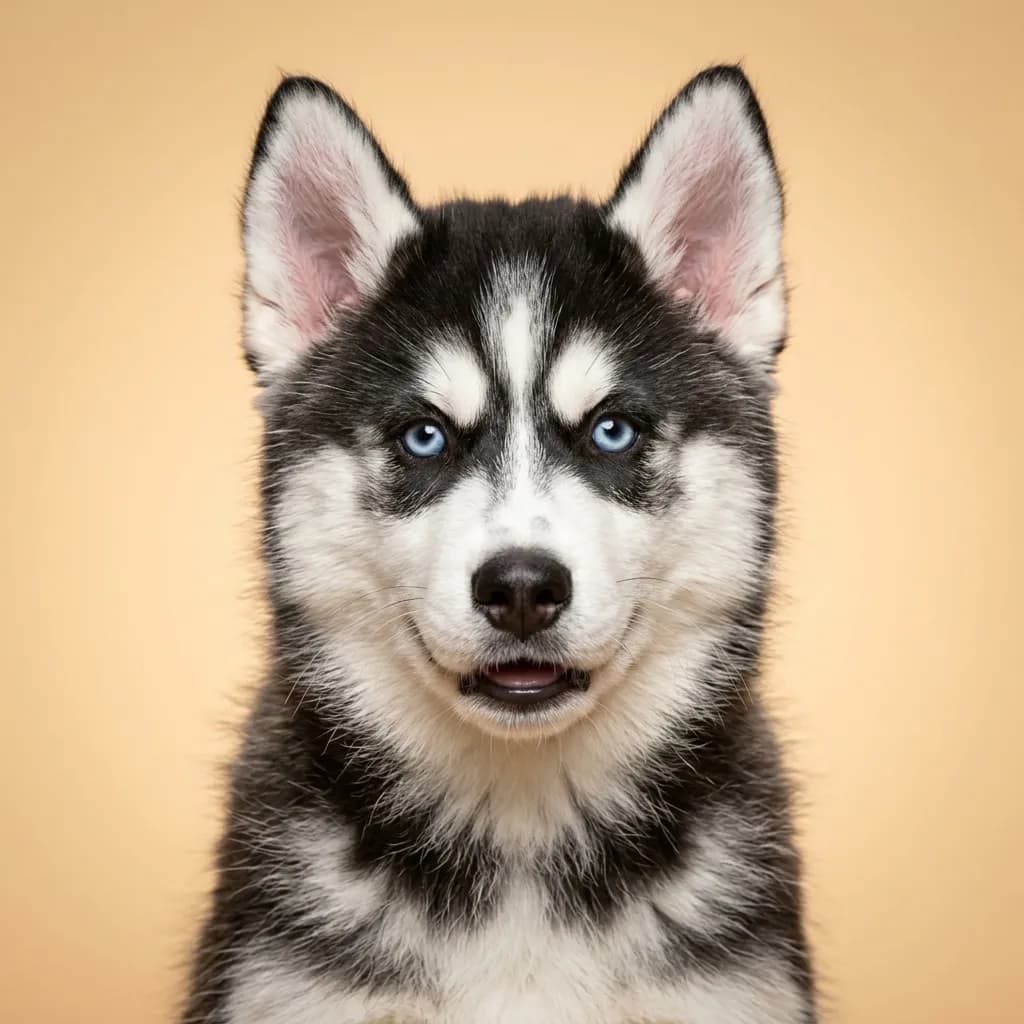
Siberian Husky
Working Group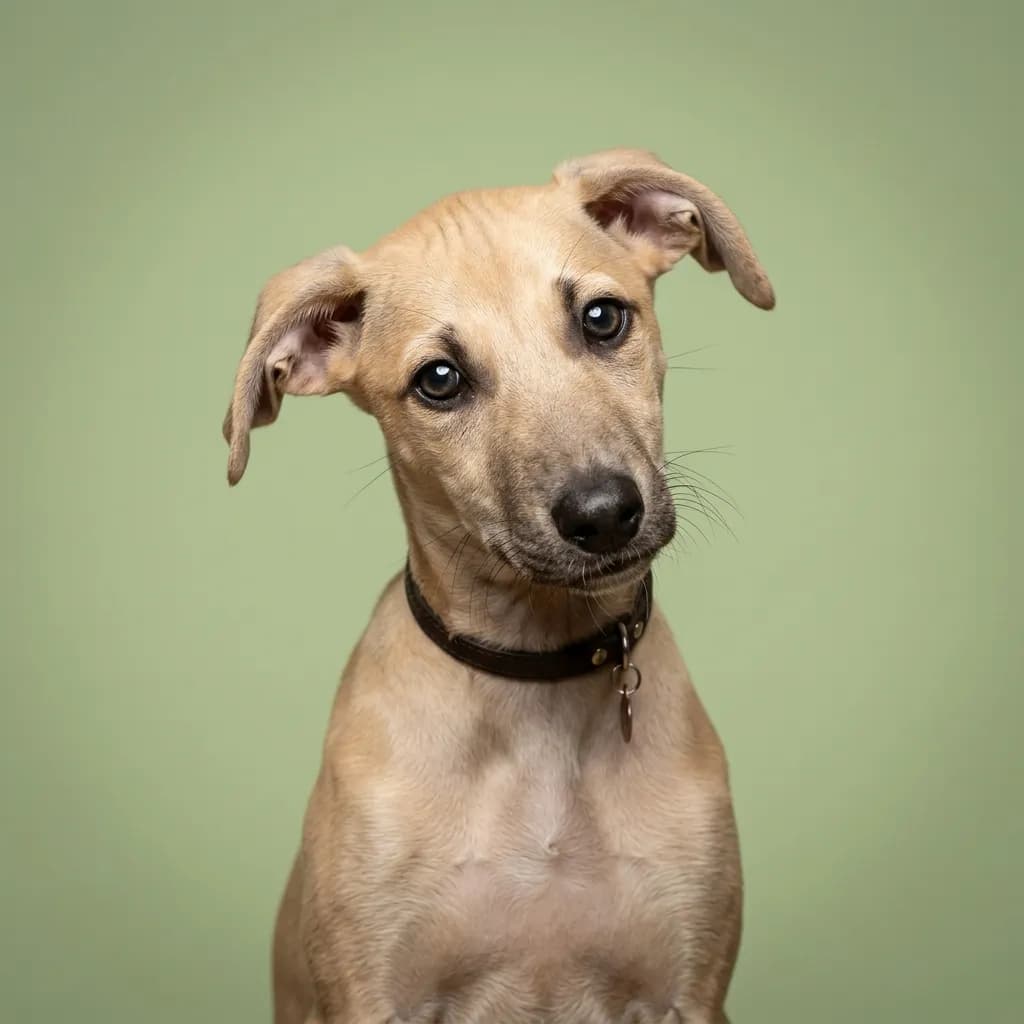
Sloughi
Hound Group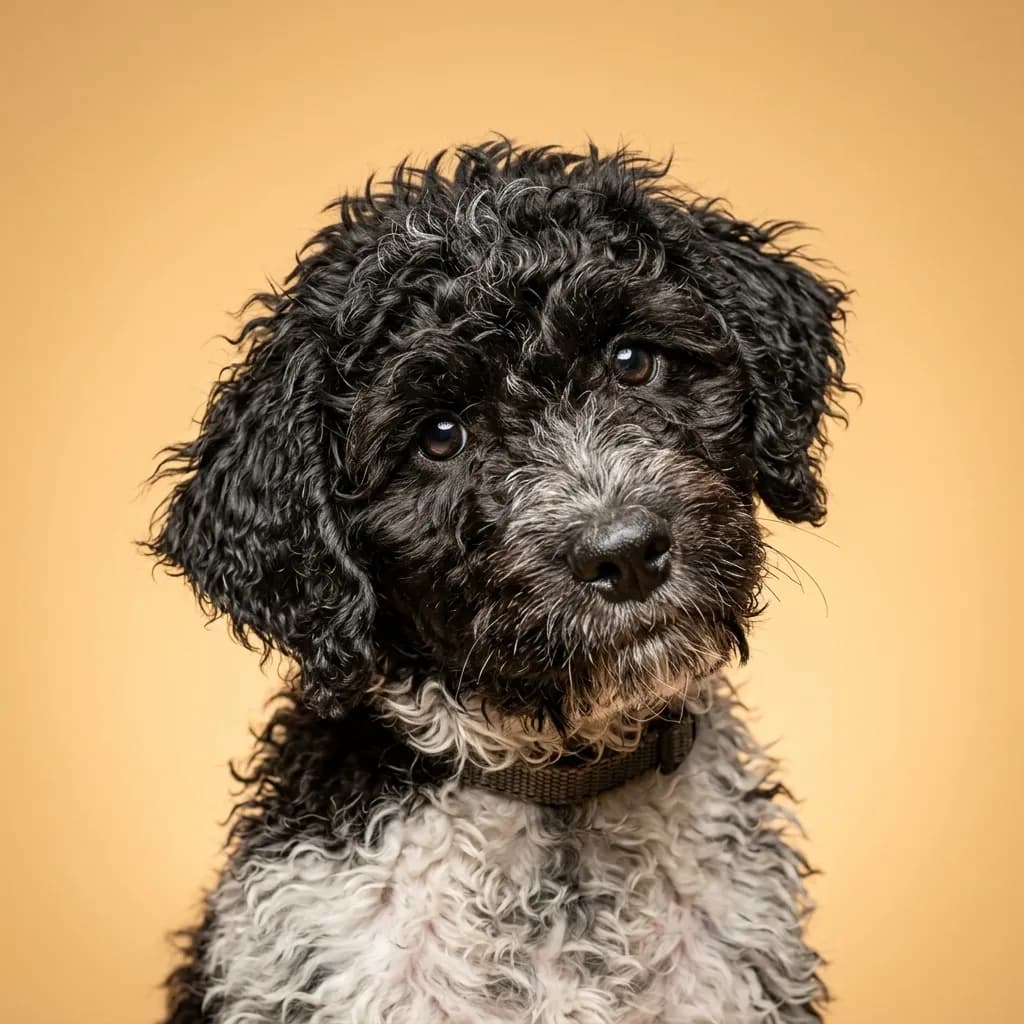
Spanish Water Dog
Herding Group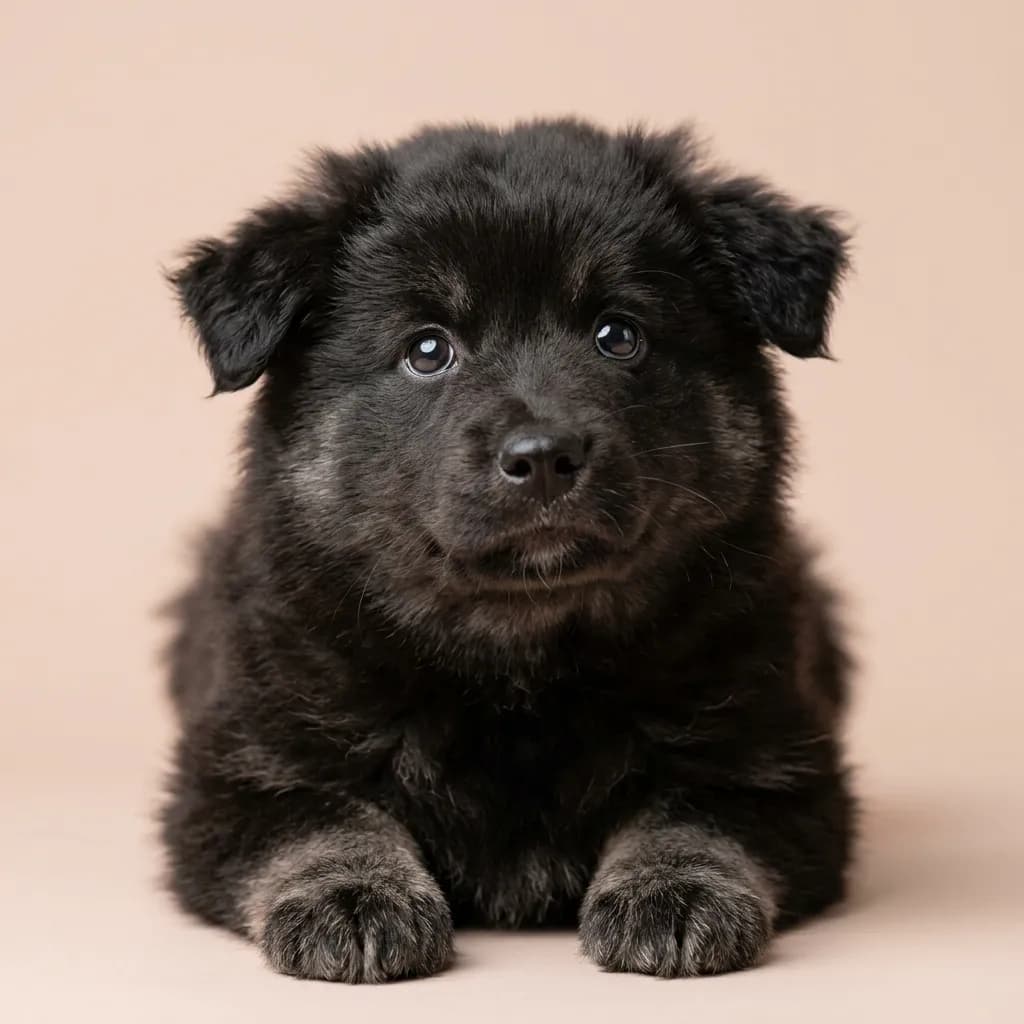
Swedish Lapphund
Foundation Stock Service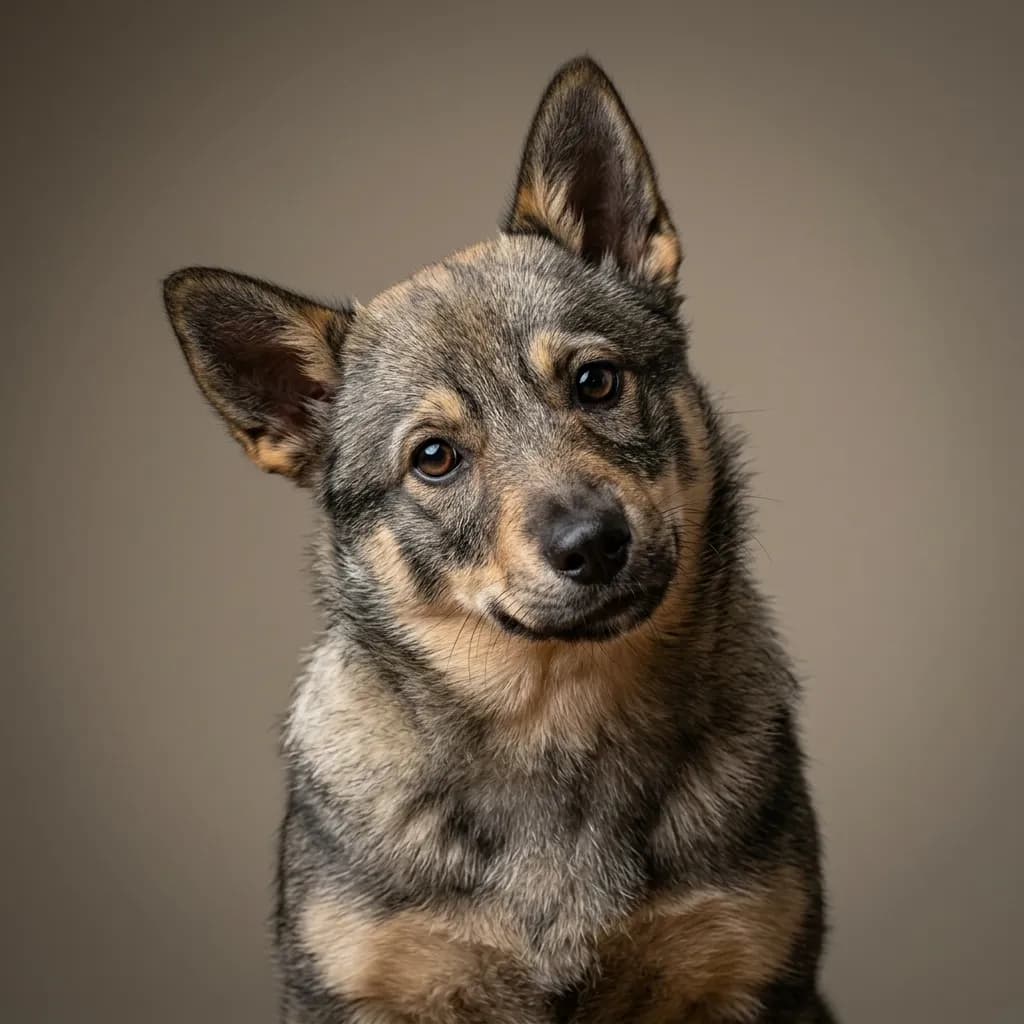
Swedish Vallhund
Herding Group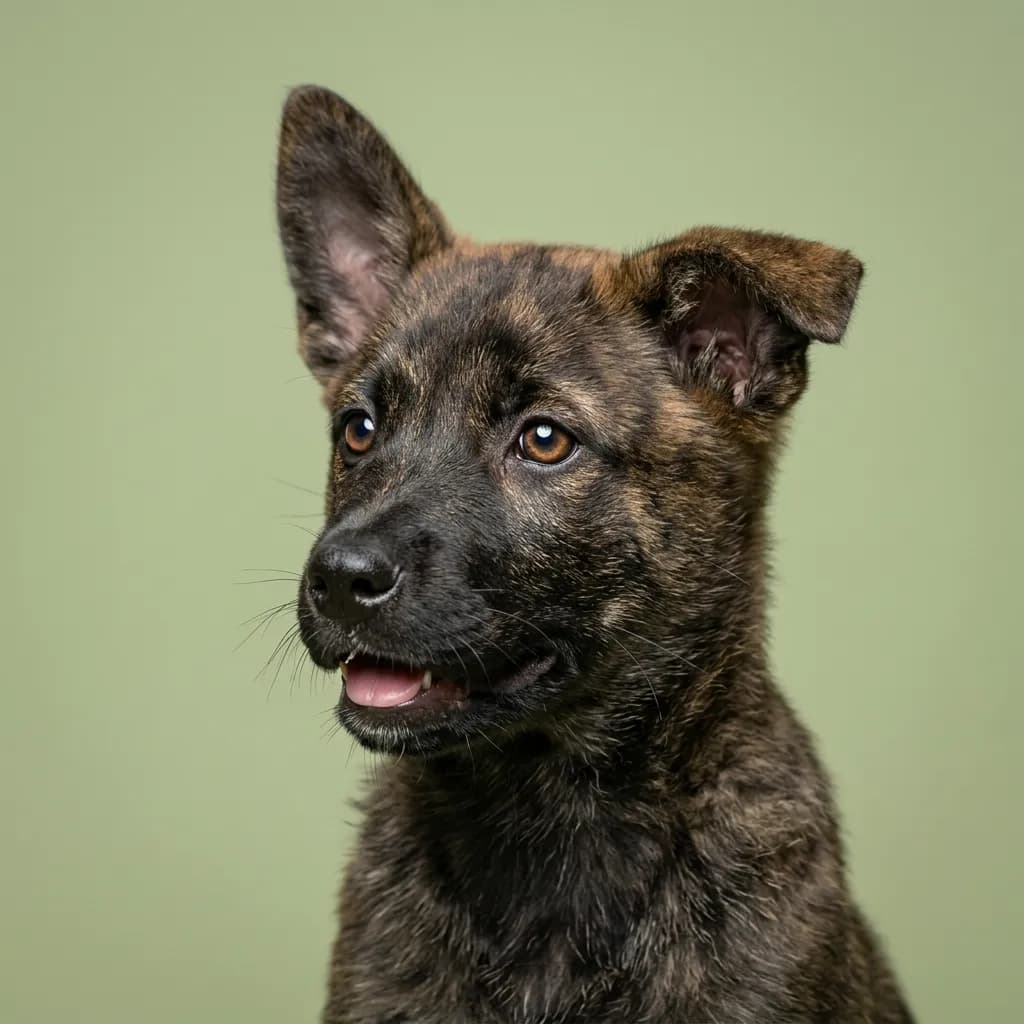
Taiwan Dog
Foundation Stock Service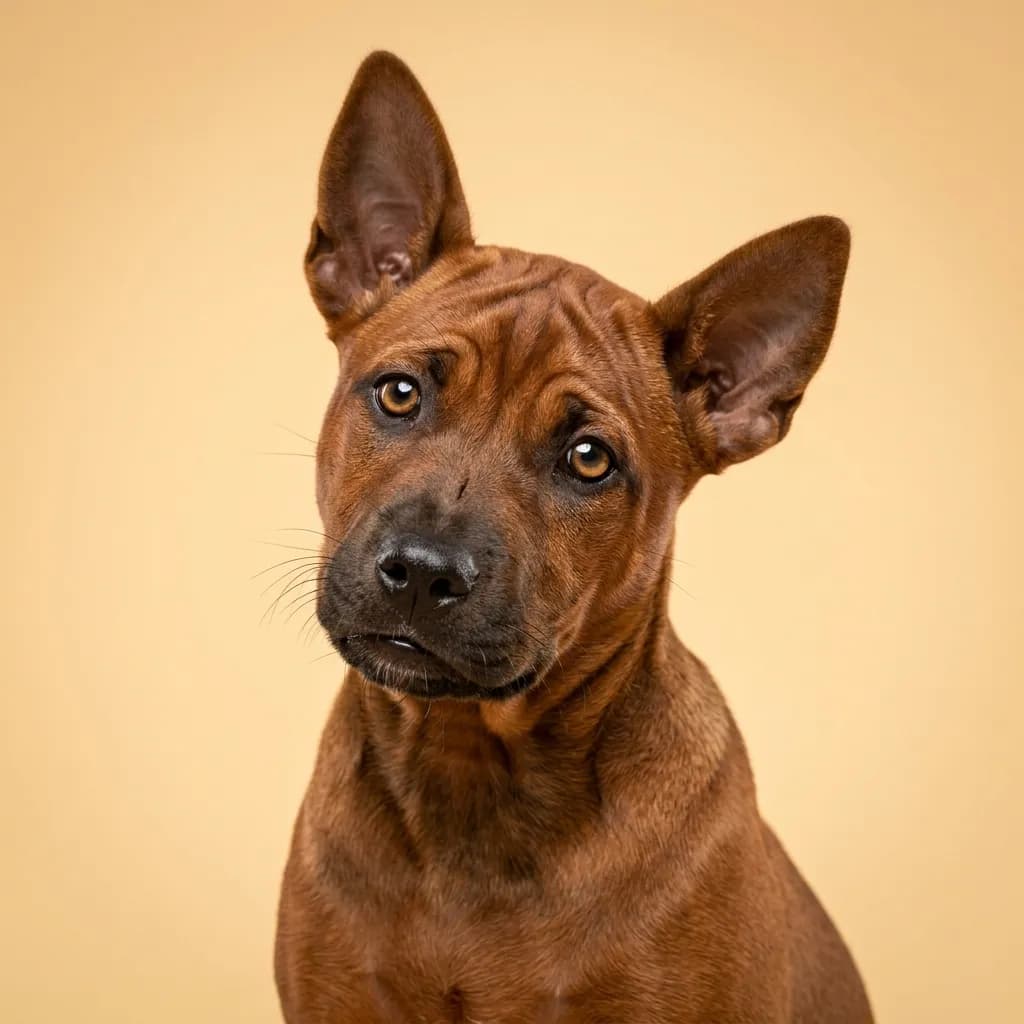
Thai Ridgeback
Foundation Stock Service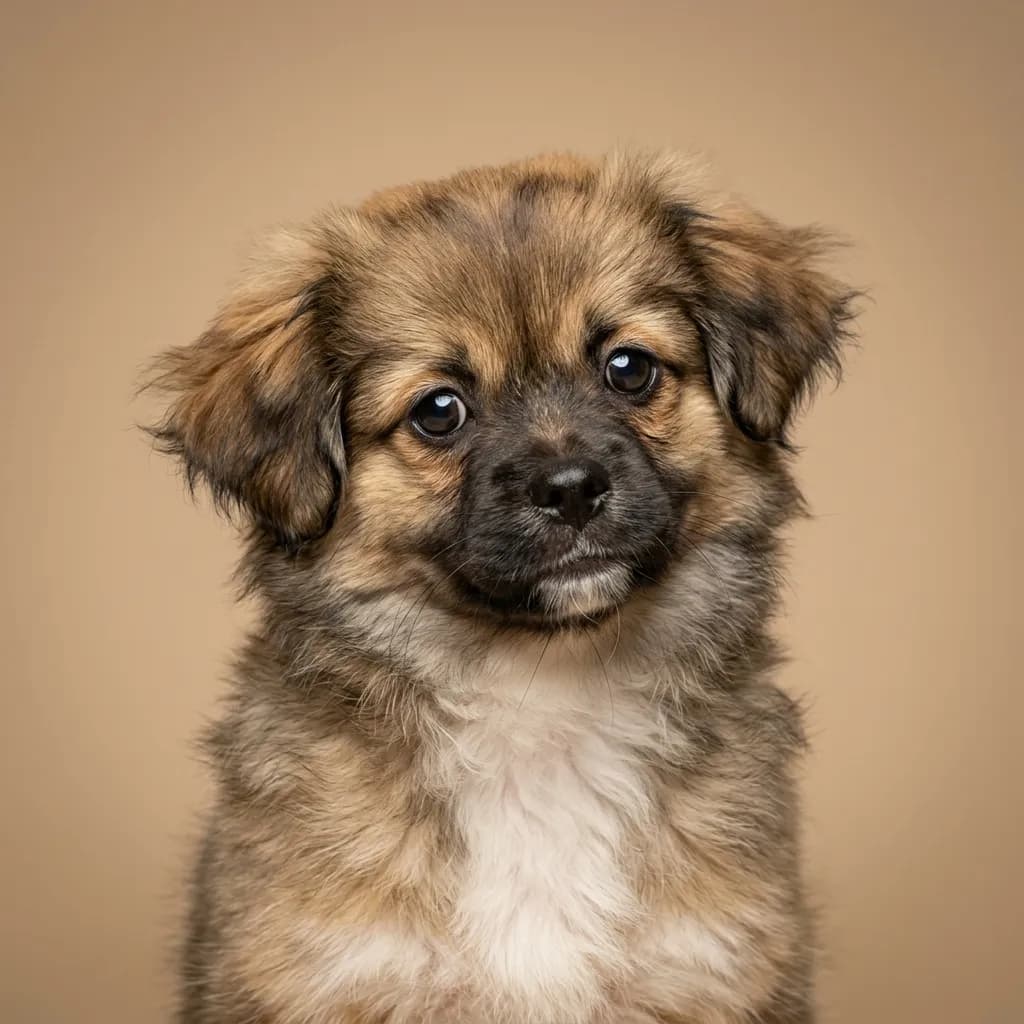
Tibetan Spaniel
Non-Sporting Group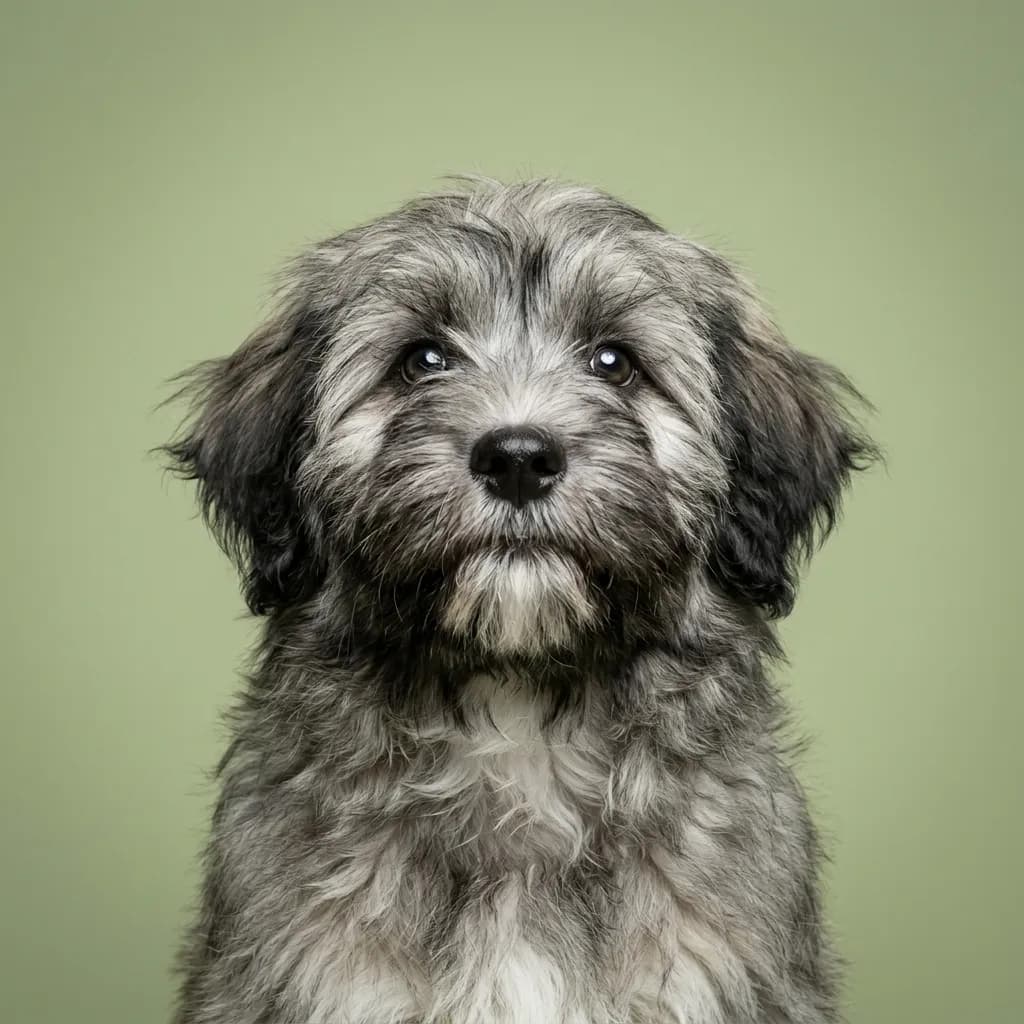
Tibetan Terrier
Non-Sporting Group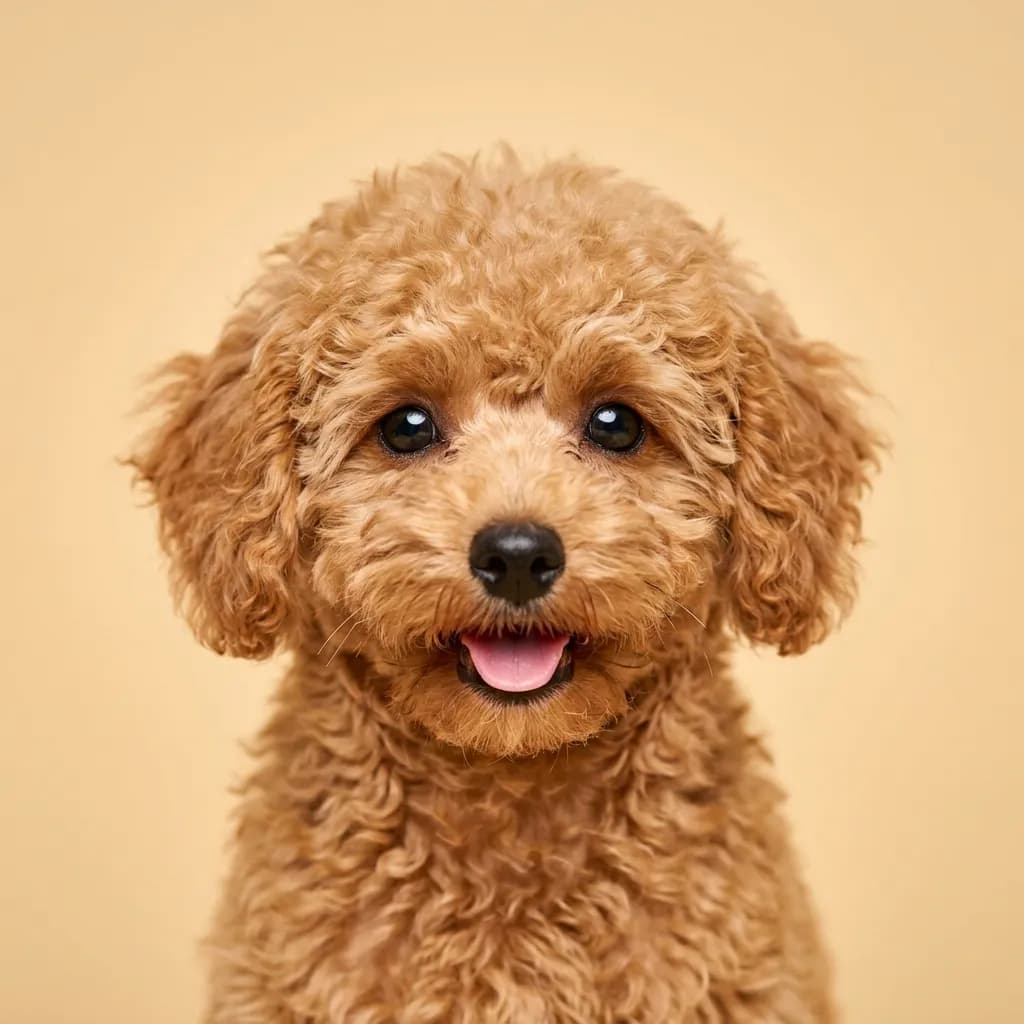
Toy Poodle
Toy Group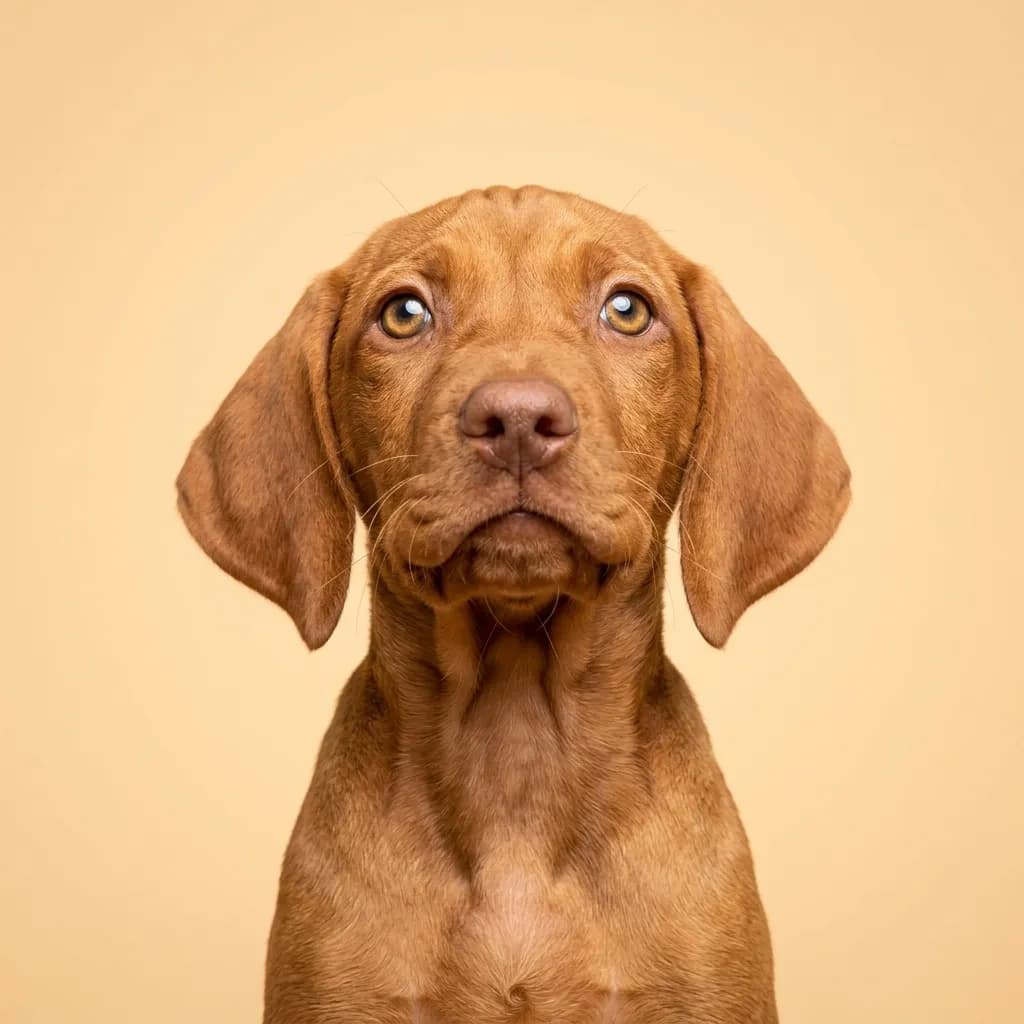
Vizsla
Sporting Group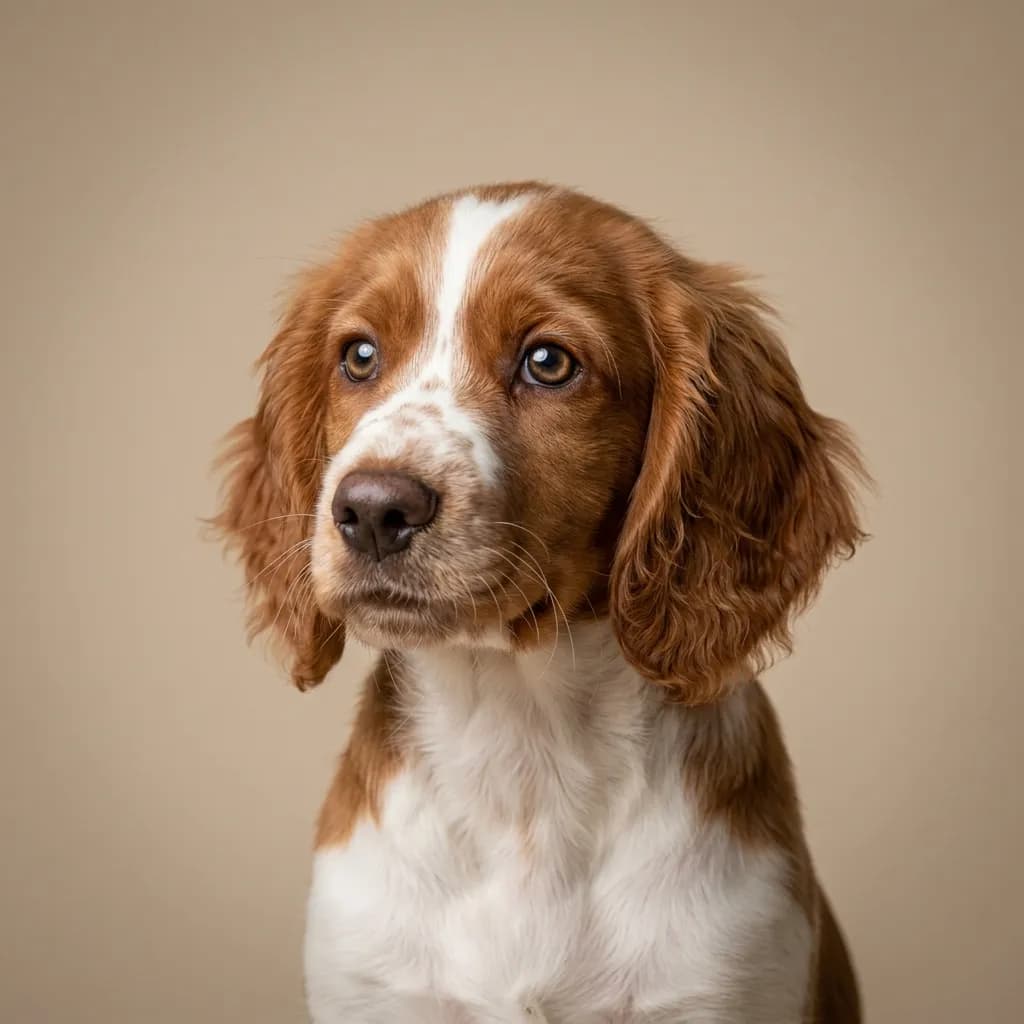
Welsh Springer Spaniel
Sporting Group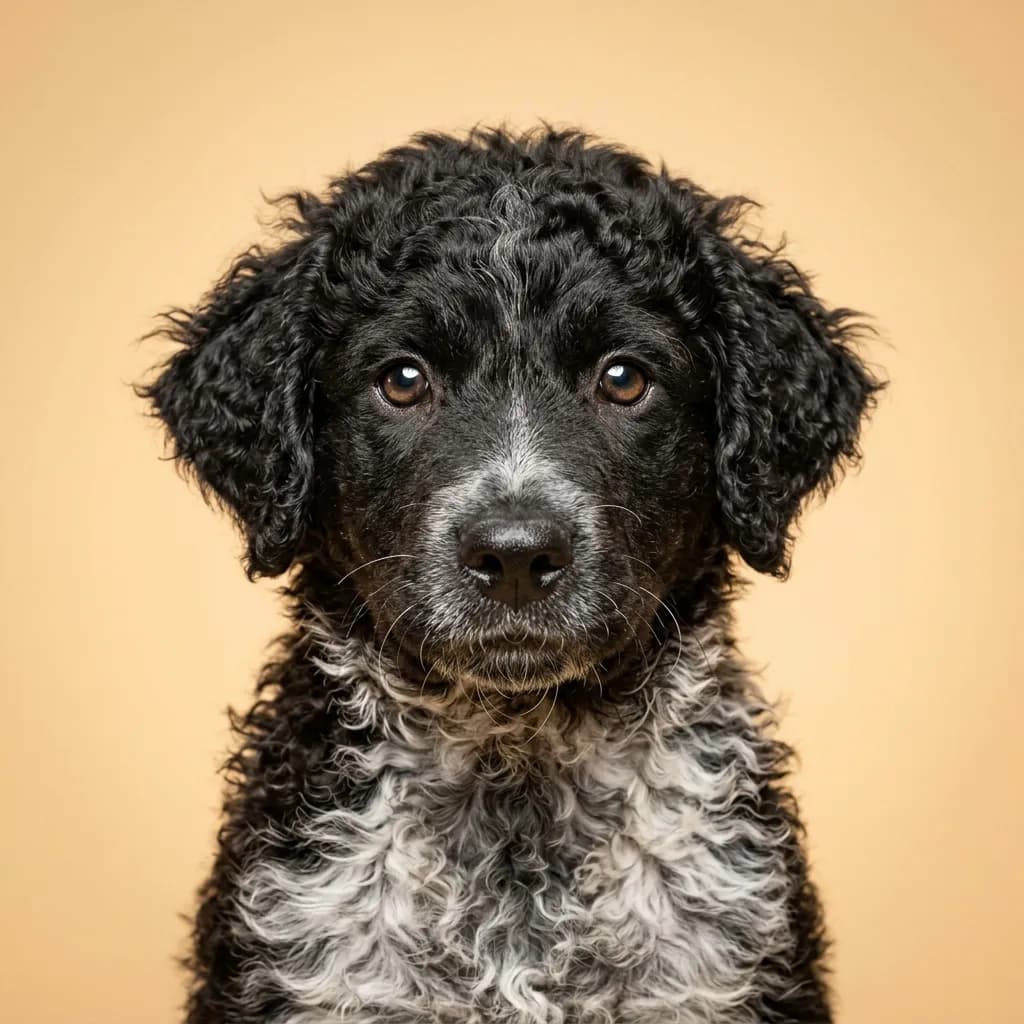
Wetterhoun
Foundation Stock Service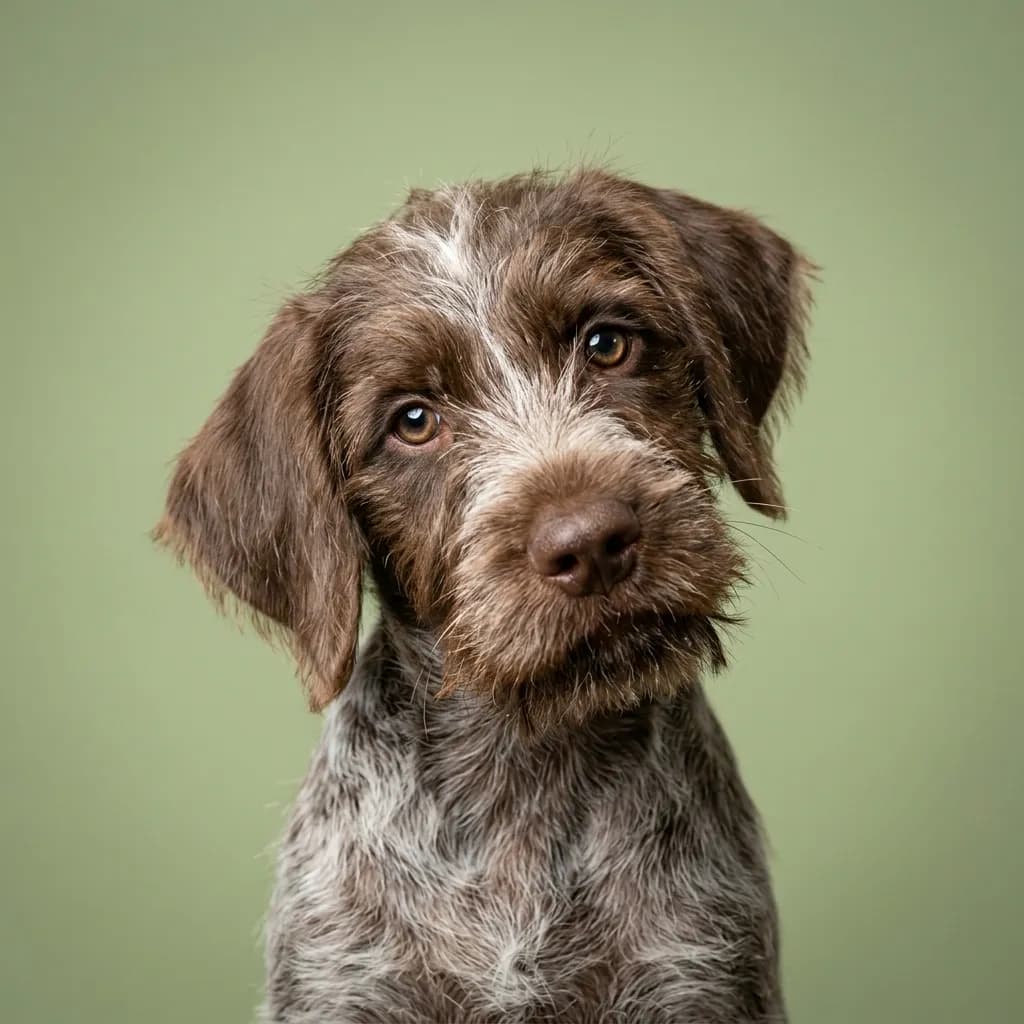
Wirehaired Pointing Griffon
Sporting Group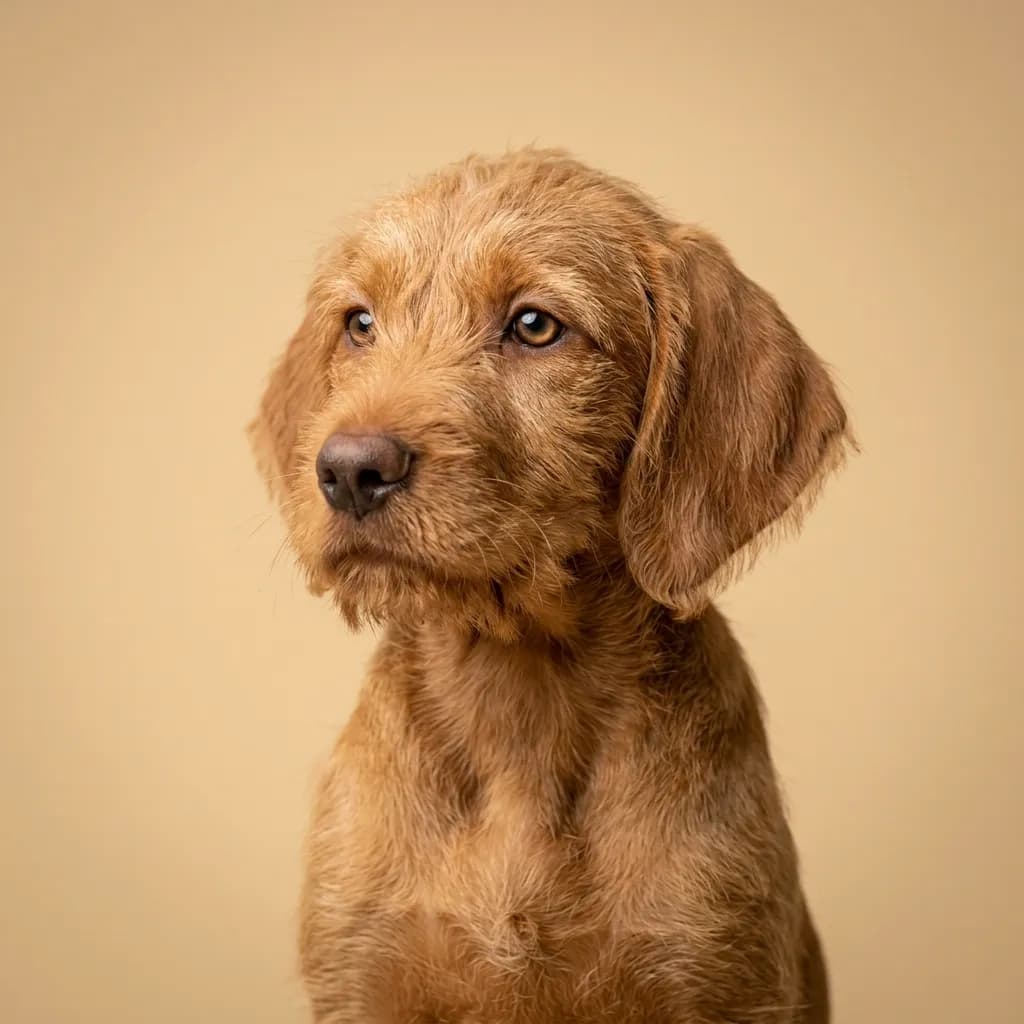
Wirehaired Vizsla
Sporting Group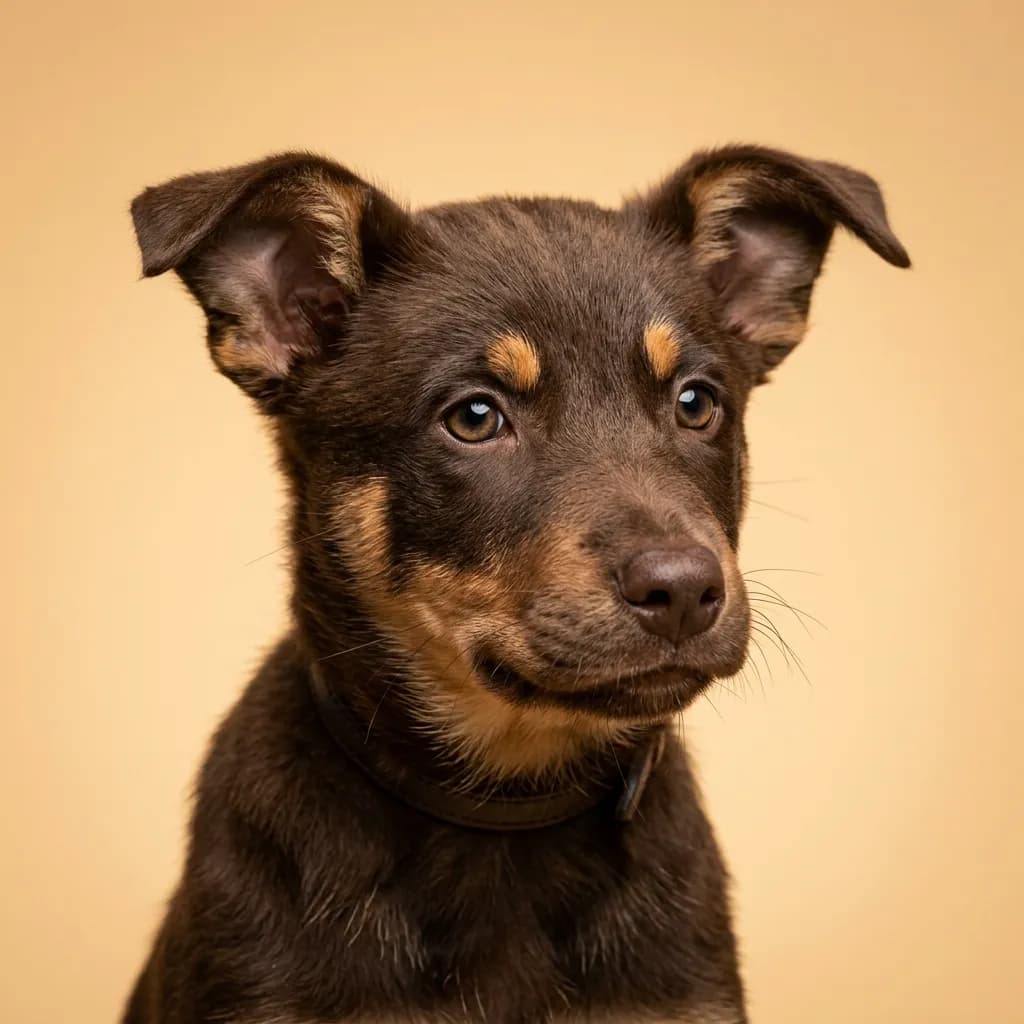
Working Kelpie
Foundation Stock Service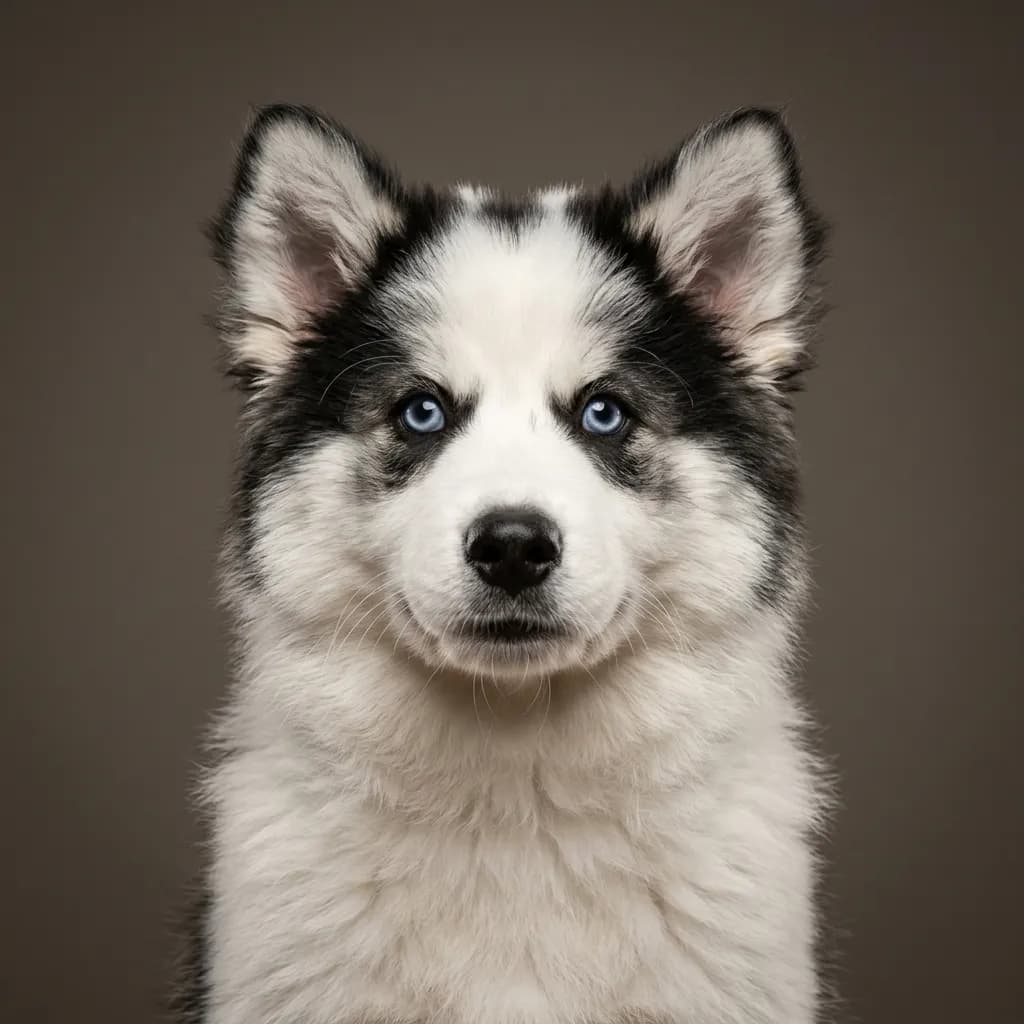
Yakutian Laika
Foundation Stock Service