Training Your Schipperke
Diverse group with varied original purposes. Training approach should be tailored to the specific breed's heritage and temperament rather than group generalizations.
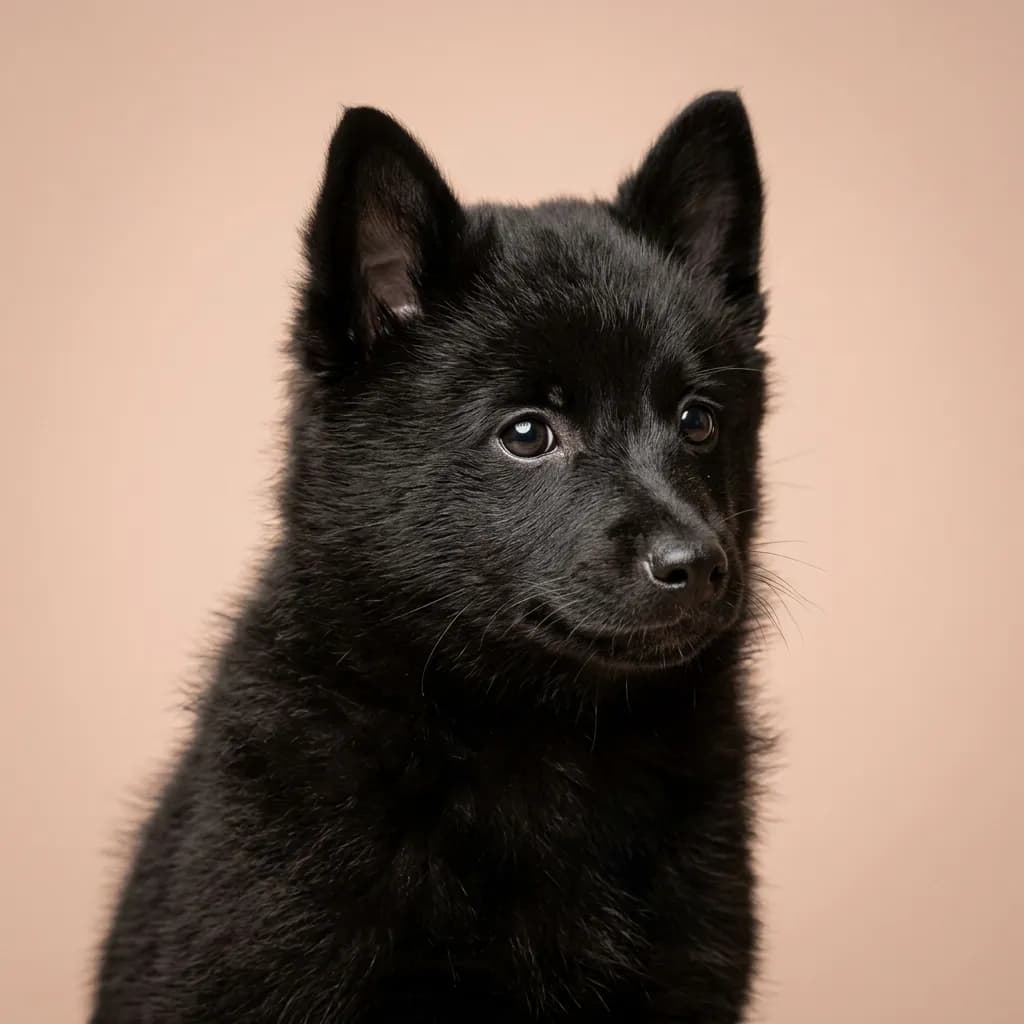
What Training a Schipperke Is Actually Like
Training a Schipperke is like working with a tiny, furry CEO who’s always three steps ahead. They’re in the top tier of working intelligence, picking up new commands in just 5 to 15 repetitions, and they obey the first command 85% of the time. That’s not just good for a small dog—it’s good, period. But here’s the catch: they’re not eager-to-please like a Border Collie. They’re independent, alert, and wired to make their own decisions. That confidence is part of their charm, but it means you can’t rely on fluff and treats alone. They need mental engagement, clear leadership, and a training approach that respects their intelligence without feeding their stubborn streak. They’re not hyperactive, but they’re not couch potatoes either. You’ll need to balance consistency with creativity or they’ll tune you out.
Training Timeline
Start training the day you bring your Schipperke home at 8 weeks. Their socialization window is critical—weeks 3 to 12—and you need to expose them to people, sounds, surfaces, and other dogs in a positive way. By 4 months, they’re entering adolescence, and their curiosity turns bolder. This is when you reinforce basic obedience daily. Around 6 months, they hit emotional maturity, but don’t celebrate too soon. Watch for the second fear period at 24 to 28 weeks—sudden shyness or reactivity to things they used to handle fine. Go slow, don’t force interactions, and keep experiences positive. By 8 to 10 months, they’re testing limits like a tiny teenager. Stick to structured routines, reinforce commands under distraction, and start impulse control work like “wait” at doors and “leave it” around temptations. By 12 months, most are reliable, but continue mental challenges to prevent boredom.
Breed-Specific Challenges
First, prey drive. They were bred to catch rats on barges, so squirrels, mice, even darting cats are moving targets to them. Off-leash freedom is risky unless you have rock-solid recall—and even then, one squirrel can erase weeks of progress. Second, independence. They’ll decide they’re done with your training session long before you are. If it’s not engaging, they’ll just walk away. Third, alert barking. They’re watchdogs by instinct. That means they’ll bark at delivery people, passing bikes, or a leaf blowing across the yard. Early management and teaching a “quiet” cue are non-negotiable. Lastly, small-dog syndrome temptation. Because they’re under 15 pounds, it’s easy to excuse bad behavior. Don’t. They need boundaries as much as a Great Dane.
What Works Best
Use an adaptive mixed approach: positive reinforcement with clear structure. Sessions should be short—5 to 10 minutes, 2 to 3 times a day—because their attention span is sharp but brief. Reward with what motivates the individual. Some go wild for chicken, others prefer play or praise. Find it and use it strategically. Train in multiple locations starting at 12 weeks to build reliability. Their mental stimulation needs are moderate to high, so weave in puzzle toys, scent games, and trick training. Avoid repetition without purpose—they’ll disengage. Instead, layer skills: add distractions, change locations, increase duration gradually. Be consistent but flexible. They respond best to a confident handler who mixes fun with firm expectations. Push too hard and they’ll resist. Underestimate them and they’ll run the household.
Crate Training Your Schipperke
A Schipperke needs a crate that gives them just enough room to stand, turn, and lie down comfortably without extra space to spare. A 24-inch crate usually works for adults, but since puppies grow quickly, start with one that has a divider so you can adjust the space as they gain weight. Schipperkes top out around 13 pounds, so don’t size up too much—too large a crate can encourage potty accidents. Use the divider early and remove it only once they’re fully housebroken and consistently use the entire space without soiling it.
These dogs are confident and curious, which means they’ll inspect the crate like it’s a puzzle to solve. Some take to it fast, others treat it like a personal challenge. Don’t assume they’ll settle just because they’re only a 3/5 on energy—they’re alert and busy-minded, so crating requires consistency. They won’t tolerate being left too long. An adult Schipperke can handle 4 to 5 hours max during the day, but pushing beyond that risks barking or destructive chewing, especially on crate pads or fabric liners. They’re smart enough to figure out how to undo flaps or chew soft bedding, so stick to durable, chew-proof pads or use a simple blanket.
Their trainability is a big advantage. Use food motivation—stuff a Kong with cottage cheese and kibble to make the crate a go-to spot. Because they’re alert and can be vocal, avoid reinforcing barking by only opening the crate when they’re quiet. Crate training works best when you tie it to their routine: after play, before meals, during short solo stretches while you’re in another room. They don’t do well with isolation, so don’t use the crate as a long-term management tool. Keep sessions structured but brief, and always pair the crate with positive cues—never force them in. Build the habit that the crate is their choice, not a punishment.
Potty Training Your Schipperke
Schipperkes are smart little dogs, and that works in your favor when potty training. They’re rated in Coren’s second tier for working intelligence, meaning they pick up new commands in just 5 to 15 repetitions. But don’t let that fool you—they’ve got a streak of independence under that confident, curious personality. They’re not eager-to-please like a Golden Retriever; they’ll weigh whether obeying is worth their time. So consistency is non-negotiable.
Because they’re small—averaging around 13 pounds—their bladders are, too. You can’t expect a 10-week-old Schipperke to hold it for hours. Realistically, they can manage one hour per month of age, maybe slightly more. That means frequent trips outside, especially after meals, naps, and play sessions. Missing a window often means an accident on the living room rug, and Schipperkes are sharp enough to learn which indoor spots are “acceptable” if you’re not vigilant. They’ll exploit any inconsistency.
The good news? With a solid routine, most Schipperkes are reliably house-trained by 5 to 7 months. Some get it down in 12 weeks, but that’s with strict adherence to a schedule and close supervision. Crate training helps a lot—these curious little watchdogs don’t like soiling their personal space, and a properly sized crate limits indoor roaming where they might sneak off to pee behind the couch.
Rewards need to be immediate and high-value. A plain “good dog” won’t cut it. Use tiny, smelly treats—think freeze-dried liver or hot dog bits—and deliver them within seconds of them finishing outside. Praise with energy. They respond better to enthusiasm than monotone approval. And don’t scold accidents after the fact. They won’t connect the reprimand to the pee on the floor, but they will learn to sneak off and go somewhere quieter. Stick to positive reinforcement, stay consistent, and you’ll win.
Leash Training Your Schipperke
Schipperkes are sturdy little watchdogs with a bold attitude that can surprise first-time owners. At around 13 pounds, they’re small, but don’t let that fool you—they were bred to guard canal boats and hunt vermin in Belgium, which means they’ve got a strong sense of purpose and a nose for trouble. That history shows up on leash walks in the form of sudden stops to investigate every scent, sharp turns to confront squirrels, and a tendency to pull when something grabs their attention. Their prey drive isn’t off the charts but it’s present, and their alert, curious nature means they’re always scanning.
A well-fitted front-clip harness is your best bet. Schipperkes have a thick ruff around the neck that makes collars easy to slip out of, and their compact build means a back-clip harness can still allow pulling leverage. A front-clip gives you more control without straining their delicate trachea. Stick with lightweight gear—this isn’t a breed that needs heavy-duty equipment, but durability matters since they’re active and tenacious.
Common leash issues include lunging at small animals, barking at passing bikes or joggers, and stubborn pauses when they decide something’s worth sniffing. Their guarding instincts make them wary of sudden movements, so desensitization to traffic and strangers from an early age is key. They’re smart and responsive, scoring a solid 4/5 on trainability, so consistency pays off fast.
Realistically, “good” leash behavior for a Schipperke means walking politely most of the time, with brief investigative pauses and minimal pulling. You’re not going to get a loose-leash walker 100% of the time—curiosity is hardwired. But with positive reinforcement and structured exposure, they learn to check in with you, even when the world feels exciting.
“I just wish someone would tell me what to do and when to do it.”
Not generic puppy tips. Not a video course you’ll never finish. Just one email a week telling you exactly what to work on with your Schipperke, at the age they are right now. Nothing to sift through. Nothing to figure out. Just this week.
Get Started — It’s FreeTell us your breed and your puppy’s age. We’ll send you exactly what to work on this week.
Socializing Your Schipperke
You’ve got a Schipperke, and that means you’re dealing with a bold little watchdog in a 13-pound package. Their socialization window hits hard between weeks 3 and 12, but here’s the catch: their first fear period runs from weeks 8 to 11, right in the middle of when they’re most impressionable. That overlap is critical. A scary experience during those weeks can stick with them for life, so you can’t just throw them into every situation and hope for the best. Controlled, positive exposure is non-negotiable.
Schipperkes were bred to guard Belgian canal barges and chase down vermin, so they’re naturally alert and suspicious of strangers—both people and dogs. That means they need more exposure to unfamiliar adults, kids, other animals, and sudden noises than your average small dog. Don’t assume their confidence means they’re okay with everything. They’re curious, yes, but that curiosity can tip into wariness if not guided early. Introduce new things slowly, keep treats handy, and never force interaction.
They’re naturally wary of loud sounds, costumed people (think Halloween), and fast-moving objects like bikes or skateboards. These aren’t quirks—they’re triggers that can spark guarding or barking behaviors if ignored. Get them used to those stimuli at a distance first, then gradually close the gap as they stay calm.
A common mistake? Assuming their small size means they don’t need serious socialization. Or worse, letting them hide when nervous instead of gently coaching them through it. That avoidance breeds adult dogs that bark at every passerby or tense up at playgrounds.
Skip proper socialization, and you’ll end up with a 6-month-old adult Schipperke who’s not just cautious but reactive. Their confidence turns into defensiveness, their alertness into constant barking. Done right, though, and you’ve got a fearless little companion who’s curious without being chaotic, alert without being aggressive. It’s not optional. It’s the foundation.