Training Your Shiba Inu
Diverse group with varied original purposes. Training approach should be tailored to the specific breed's heritage and temperament rather than group generalizations.
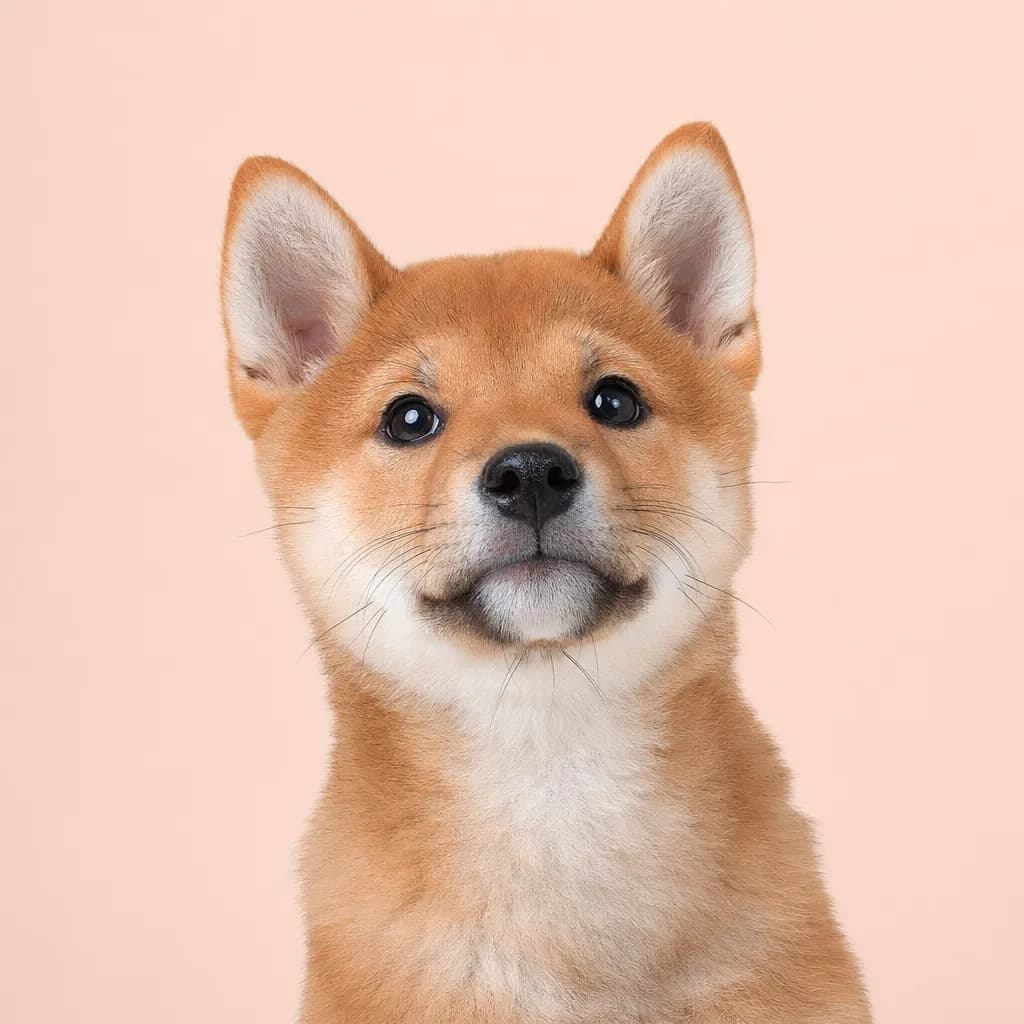
What Training a Shiba Inu Is Actually Like
Training a Shiba Inu is less about obedience and more about negotiation. They’re smart—ranked Tier 5 in Coren’s intelligence, meaning they need 40 to 80 repetitions to learn a new command, and only obey the first command about 30% of the time. But that’s not the full story. Shibas are problem-solvers with a strong sense of self, bred to work independently in mountainous terrain flushing game. They don’t default to looking at you for direction like a Border Collie would. Instead, they assess whether your request is worth their effort. They’re not stubborn for no reason—they’re selective. This makes training a mix of persistence, creativity, and respect for their autonomy. If you try to dominate them, you’ll lose. If you earn their cooperation, you’ll gain a surprisingly responsive partner. They need mental stimulation—rated 4 out of 5 on that scale—so boring drills will backfire. Keep it engaging, or they’ll tune you out.
Training Timeline
Start at 8 weeks with basic handling, name recognition, and short socialization bursts—not overwhelming, just positive exposure. The critical window closes at 12 weeks, so prioritize safe, controlled experiences with people, surfaces, and sounds. By 16 weeks, introduce leash walking and potty training; expect progress to stall around 4 months as adolescence hits. This phase lasts until 10 months and includes testing limits, selective hearing, and increased independence. At 6 months, they reach emotional maturity, but don’t relax—weeks 24 to 28 bring a second fear period. Avoid forcing interactions; instead, use distance and high-value rewards to build confidence. Crate training and recall should be solid by 7 months, but off-leash reliability is unrealistic for most Shibas. Continue reinforcing basics through 10 months, and expect occasional regression during stress or routine changes.
Breed-Specific Challenges
First, independence. Shibas were not bred to follow commands—they were bred to make decisions in the field. This means they’ll often choose not to respond, especially if something more interesting is happening. Second, recall is notoriously unreliable. Even well-trained Shibas may ignore you if they catch a scent. Secure fencing is non-negotiable. Third, they can be cat-like in their tolerance for handling. Nail trims, baths, and vet exams require early and consistent desensitization. Skipping this leads to a dog that resists restraint. Fourth, same-sex aggression, especially among males, is common. Early and ongoing socialization helps, but same-sex dog relationships often remain tense.
What Works Best
Short sessions—5 to 10 minutes, 2 to 3 times daily—work better than long drills. Their attention span is selective, not short. Use high-value rewards; many Shibas respond better to chicken or cheese than kibble. Some prefer play or praise, so observe what motivates your individual. Positive reinforcement is essential; punishment creates resentment and avoidance. Incorporate puzzle toys and scent games to meet their mental stimulation needs. For potty training, expect it to take longer than average—up to 6 months for full reliability. Crate training from day one helps. Use a clicker for precision, but keep the energy light. Above all, stay calm and consistent. Shibas read your mood instantly and will exploit frustration or inconsistency. Train with patience, and you’ll earn their cooperation—not because you demanded it, but because it was worth their while.
Crate Training Your Shiba Inu
A Shiba Inu needs a 36-inch crate even as an adult, since they’re small at about 20 pounds but long and lean with a thick coat that makes them fill more space. If you’re crate training a puppy, use a divider—Shiba puppies grow fast, but they don’t hit full size until 10 to 12 months. A crate too big from the start teaches them to eliminate in one end and sleep in the other, which defeats the whole purpose.
Shibas are alert and independent, so they don’t settle into crate training like eager-to-please breeds. Their trainability is low at 2/5, and their strong will means they’ll test boundaries. Don’t expect instant acceptance. They might bark or scratch at first, not necessarily from panic but because they’re stubborn and curious. You can’t force it. Make the crate a safe zone with a chew-resistant pad—because yes, Shibas will destroy soft bedding if left alone with it. Go for a durable, waterproof pad you don’t mind losing.
They’re not high-energy dogs on a 5-point scale, but their mental energy is off the charts. A tired Shiba is a cooperative Shiba. Do 10 minutes of off-leash play or a few rounds of find the treat before crating. That mental and physical warm-down helps them settle instead of plotting escape.
Adult Shibas can handle 4 to 5 hours crated if exercised well, but don’t stretch it. They’re not separation anxiety machines like some breeds, but they do notice being left out. Never use the crate as punishment—it kills progress fast with this breed.
One quirk: Shibas might dig at the crate floor or chew the bars out of boredom. Prevent it by limiting crating time and stuffing a Kong with frozen peanut butter. Start training early, keep sessions short and positive, and respect their pride. They won’t obey because you say so. They’ll cooperate because it was their idea. Work with that.
Potty Training Your Shiba Inu
Shiba Inus are small dogs, averaging around 20 pounds, which means their bladders are on the smaller side. Puppies especially need frequent potty breaks—every 2 to 3 hours during the day—and can’t hold it much longer than their age in months plus one. A 10-week-old Shiba might manage 2 hours; a 4-month-old, maybe 4. Their size demands consistency, not just patience. You can’t cut corners.
But the real hurdle is their temperament. Alert, attentive, and fiercely independent, Shibas aren’t eager to please like a Labrador. They’re rated 2 out of 5 for trainability and sit in Coren’s Tier 5, meaning they need 40 to 80 repetitions to learn a new command. That stubborn streak means they’ll wait to see if they want to comply, not just do it because you asked. This isn’t defiance—it’s their nature. You’re working with a dog who thinks like a cat.
Because of that, potty training takes longer. Realistically, expect 4 to 6 months for a Shiba to be reliably house-trained, and even then, setbacks happen. Indoor accidents are common if supervision slips, and some Shibas will deliberately choose hidden spots—under furniture, tucked behind a curtain—because they’re private by instinct.
Rewards need to be strategic. Food treats work, but only if they’re high-value. Think freeze-dried liver, not kibble. And timing is critical—praise and treat the second they finish outside. Shibas respond best to calm, consistent reinforcement, not over-the-top excitement. They’ll tune you out if you’re too loud or pushy.
Crate training helps, but don’t rely on it alone. Pair it with a strict schedule, constant supervision indoors, and frequent outdoor trips to the same spot. They’ll learn faster when the routine is predictable and the payoff is worth their effort.
Leash Training Your Shiba Inu
Leash training a Shiba Inu isn’t about forcing perfection—it’s about managing their independence with consistency and the right tools. These dogs are small, averaging around 20 pounds, but don’t let their size fool you. They’ve got a stubborn streak and a prey drive that lights up the second they spot a squirrel or fluttering bird. That energy level sits at a moderate 3 out of 5, but it’s bursts of intense focus, not endurance, so expect sudden lunges or freeze-ups mid-walk.
Start with a front-clip harness. Shibas are strong for their size and can easily twist out of collars or strain their necks when they pull. A front-clip harness gives you more control without encouraging opposition reflex. Skip the prong or choke collars unless you’re experienced—positive reinforcement works better with this breed’s sensitive pride.
Their original job was flushing small game in rugged Japanese terrain, which means they’re wired to investigate, dart, and ignore you when something interesting appears. That’s not bad behavior, it’s instinct. So leash problems usually show up as pulling toward scents, sudden stops, or polite refusal to move when they’ve decided the walk is over. They’ll also alert bark at bikes, runners, or other dogs—part of their active, attentive temperament.
Realistic expectations matter. A well-trained Shiba won’t heel like a Border Collie. “Good” leash behavior here means walking beside you most of the time, responding to check-ins, and coming when called after a sniff session. Use high-value treats and short sessions—10 minutes max—because their attention span is selective, not short. They respond best to an adaptive mixed approach: structure with flexibility, rewards with clear boundaries.
Consistency is key. Shibas test limits because they’re smart and opinionated. If you let them pull one day and correct it the next, they’ll assume the rule changed. Train like you mean it, but accept that your Shiba will always walk with a little side-eye and a hint of rebellion. That’s not failure. That’s just a Shiba being a Shiba.
“I just wish someone would tell me what to do and when to do it.”
Not generic puppy tips. Not a video course you’ll never finish. Just one email a week telling you exactly what to work on with your Shiba Inu, at the age they are right now. Nothing to sift through. Nothing to figure out. Just this week.
Get Started — It’s FreeTell us your breed and your puppy’s age. We’ll send you exactly what to work on this week.
Socializing Your Shiba Inu
Shiba Inus are alert and independent by nature, which means their socialization window—weeks 3 to 12—is critical and tricky. That window overlaps directly with their first fear period, weeks 8 to 11, when puppies are especially sensitive to scary experiences. Because Shibas are naturally wary of the unfamiliar, a bad encounter during this time can stick with them for life. You can’t wait and see with a Shiba. You need to be proactive, calm, and consistent from day one.
They need more exposure to strangers, children, other dogs, and new environments than most small breeds. Bred to work solo in the mountains of Japan, they weren’t pack animals relying on constant social cues. That independence translates today into aloofness or suspicion if they haven’t seen enough variety early on. You’ve got to get them out—parks, sidewalks, pet-friendly stores—but keep it positive. No forcing. Let them observe, sniff, and process at their own pace.
Shibas are naturally wary of sudden movements, loud noises, and unfamiliar people reaching for them. That doesn’t mean they’re aggressive, but it does mean they’ll shut down or retreat if overwhelmed. The key is pairing new things with high-value treats and zero pressure. A stranger offering food from the ground is better than one trying to pet them.
Common mistakes? Overestimating their confidence because they’re bold at home, or assuming their cuteness means they’ll adapt easily. Another big one: skipping socialization after 12 weeks because “they’re past the window.” They’re not. You’re just shifting from foundation to reinforcement.
Miss early socialization with a Shiba and you’ll likely end up with a dog that’s reactive to strangers, tense around kids, or shuts down in new places. Their alertness turns into hypervigilance. That independence becomes stubborn disengagement. Do it right, and you’ll have a confident, observant companion who’s secure in any setting.