Alaskan Malamute vs Basset Hound
Side-by-side comparison across all 14 AKC trait ratings, with a clear verdict on which breed fits which kind of household.
Not sure which breed fits your life?
Answer five questions about your home, your schedule, and your tolerance for shedding. We’ll match you to your top three breeds from over 200.
Alaskan Malamute vs Basset Hound
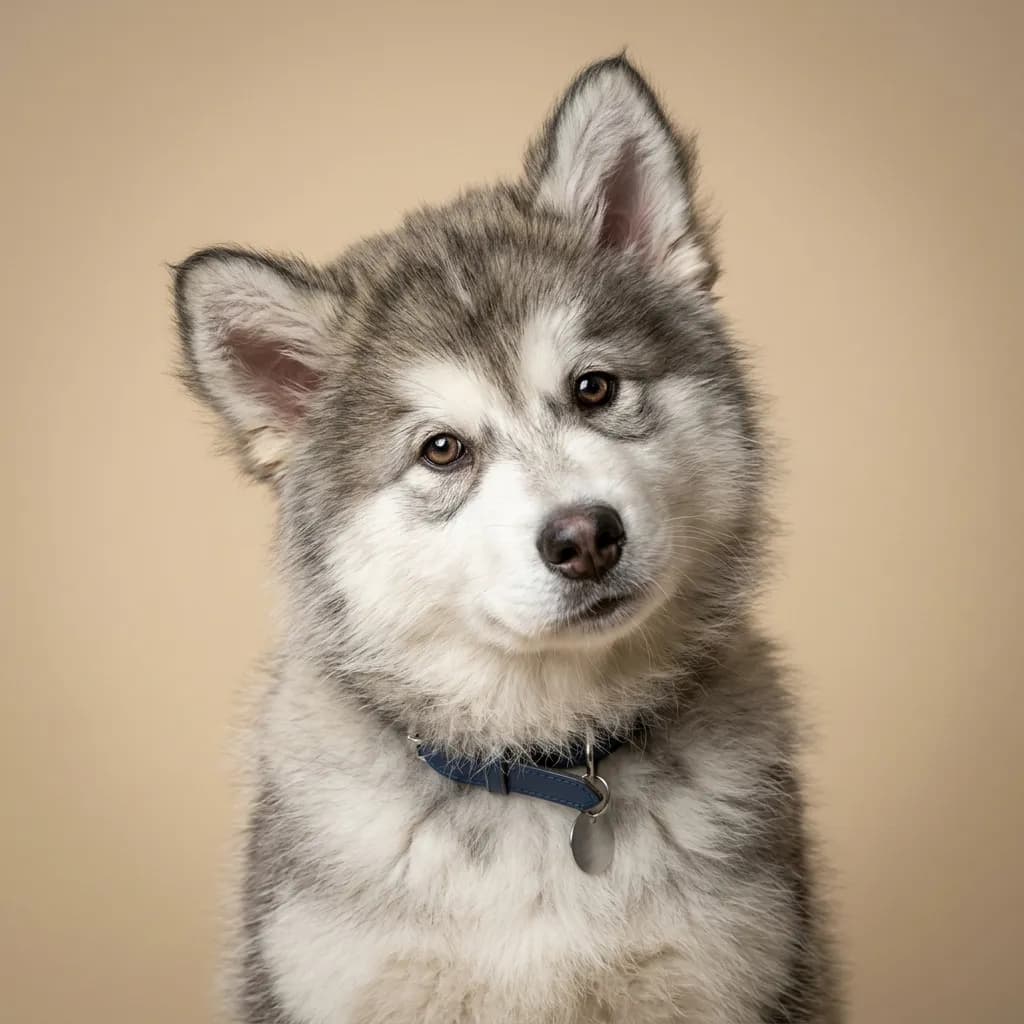
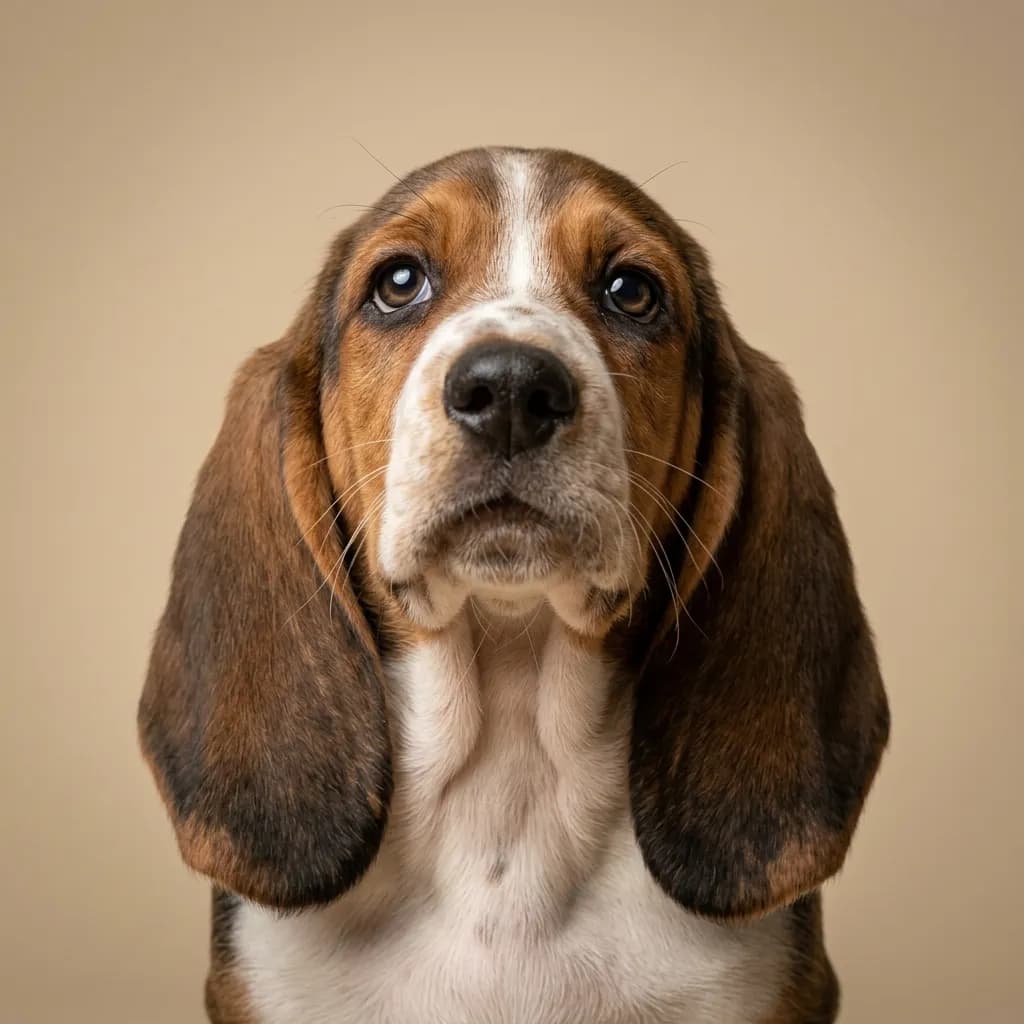
You don’t see Alaskan Malamutes and Basset Hounds side by side at dog parks often, but people compare them when they’re dreaming big. either picturing a loyal, rugged companion or a laid-back family pet, and not realizing how wildly different those dreams can be. One pulls sleds through Arctic snow, the other waddles after rabbits through French brush. This isn’t just a size difference. It’s a lifestyle collision. The Malamute is power and purpose wrapped in a wolflike coat. At 80 pounds and built for endurance, this dog needs space, cold weather, and hours of activity. You’ll need a yard, preferably snow, and the time to match its 4/5 energy. It’s affectionate and loyal, yes, but not always obedient. trainability is moderate, and that independent streak means you’ll need experience. They’re not for apartment life or hot summers; overheating is real, and so is their need to roam. Now look at the Basset Hound, built low to the ground with ears that drag through dinner. At 50-65 pounds and maxing out at 15 inches tall, this dog moves slow by design. Bred to track at a leisurely pace, it’s perfect for families who want calm, steady company. They’re great with kids, adaptable to apartments, and far less demanding physically. But don’t be fooled by the droopy eyes. Bassets bark when excited, gain weight easily, and need ear maintenance weekly. Here’s the truth the charts won’t tell you: Malamutes bond deeply but demand respect as working dogs, not just pets. Bassets? They’re clowns with stubborn hearts. Pick the Malamute if you want a partner in adventure. Choose the Basset if you want a funny, loyal shadow who’s happy just being near you. Your daily routine. not your idealized one. should decide.
Trait-by-trait
Higher bar = more of that trait. Shedding, barking, drooling, grooming flipped for readability.Where they diverge
Choose the Alaskan Malamute if…
- Active people
- Cold climates
- Experienced owners
- You value trainability — Alaskan Malamute scores noticeably higher.
Choose the Basset Hound if…
- Families
- Apartment dwellers
- Seniors
- You value drooling level — Basset Hound scores higher here.