Alaskan Malamute vs Bichon Frise
Side-by-side comparison across all 14 AKC trait ratings, with a clear verdict on which breed fits which kind of household.
Not sure which breed fits your life?
Answer five questions about your home, your schedule, and your tolerance for shedding. We’ll match you to your top three breeds from over 200.
Alaskan Malamute vs Bichon Frise
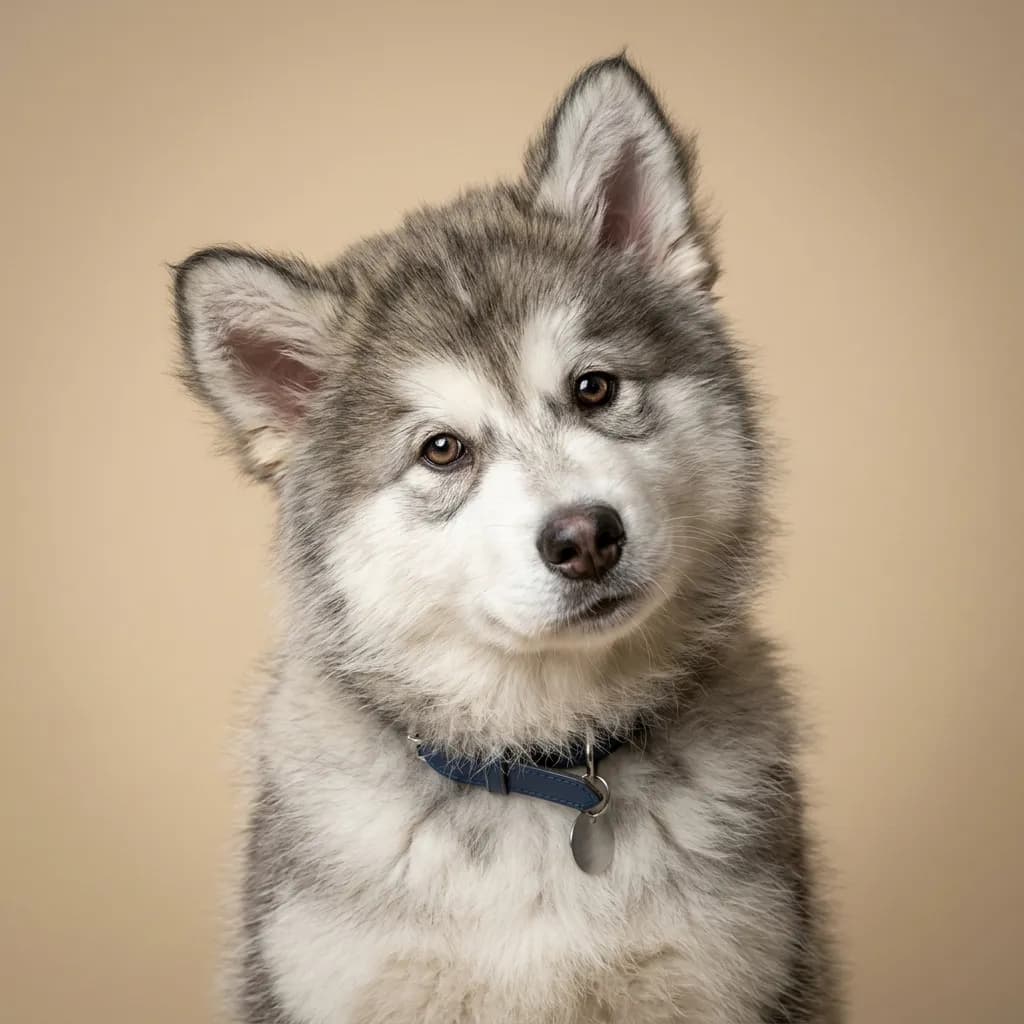
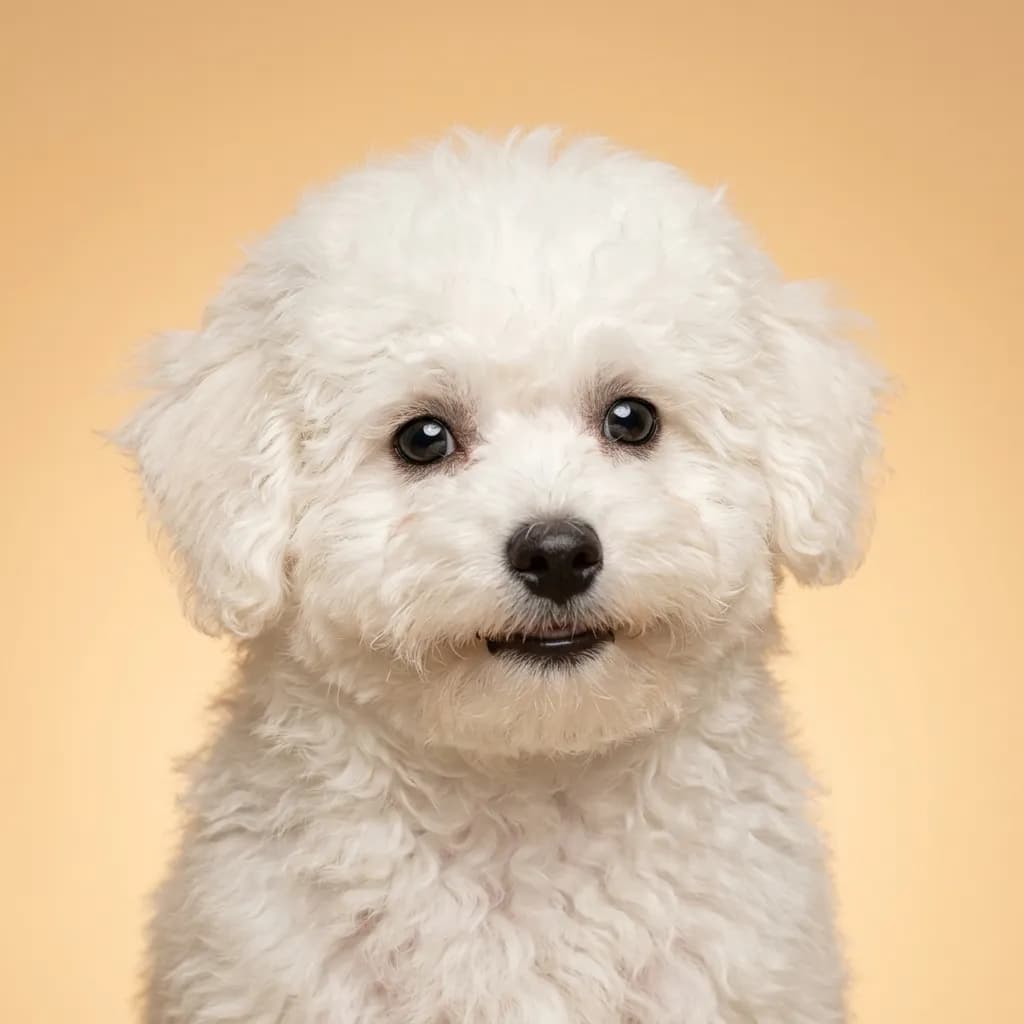
You’re probably not comparing a snow-loving powerhouse sled dog and a cloud-like lap dog unless you’re deep in the “what dog should I get” rabbit hole and your lifestyle is all over the map. But here’s why these two pop up together: both are fluffy, both are friendly, and both have that “teddy bear” look that tricks people into thinking they’re similar. They’re not. The Alaskan Malamute was built to pull heavy loads across frozen tundra. That means you’re signing up for a dog that needs space, cold weather, and a serious outlet for energy. You’ll need a yard, daily long walks or runs, and the patience for seasonal shedding that looks like a blizzard hit your living room. They’re loyal and affectionate but strong-willed. First-time owners often get steamrolled. The Bichon Frise? That little white puffball was bred to charm nobles in palaces. They’re adaptable, happy in apartments, and thrive on human attention. They don’t shed much, but don’t be fooled. those curls need professional grooming every 4 to 6 weeks, which adds up. Skip it and you’ll have mats in a month. They’re great with kids, love routines, and travel well. unless you leave them alone too long. Then they’ll bark. Pick the Malamute if you hike, live in a cold climate, and want a dog that feels like a wild, powerful partner. Pick the Bichon if you want a cheerful, portable companion who’ll sit on your lap and make everyone at the dog park smile. Here’s the real talk: the Malamute might look like a big teddy bear, but it’s not a toy. And the Bichon? That fluff hides a dog that needs more grooming than most people expect. Neither is low-maintenance. just in completely different ways.
Trait-by-trait
Higher bar = more of that trait. Shedding, barking, drooling, grooming flipped for readability.Where they diverge
Choose the Alaskan Malamute if…
- Active people
- Cold climates
- Experienced owners
- You value shedding level — Alaskan Malamute scores noticeably higher.
Choose the Bichon Frise if…
- Apartments
- Seniors
- Families
- You value affectionate w/ family — Bichon Frise scores higher here.