Alaskan Malamute vs Bolognese
Side-by-side comparison across all 14 AKC trait ratings, with a clear verdict on which breed fits which kind of household.

Not sure which breed fits your life?
Answer five questions about your home, your schedule, and your tolerance for shedding. We’ll match you to your top three breeds from over 200.
Alaskan Malamute vs Bolognese
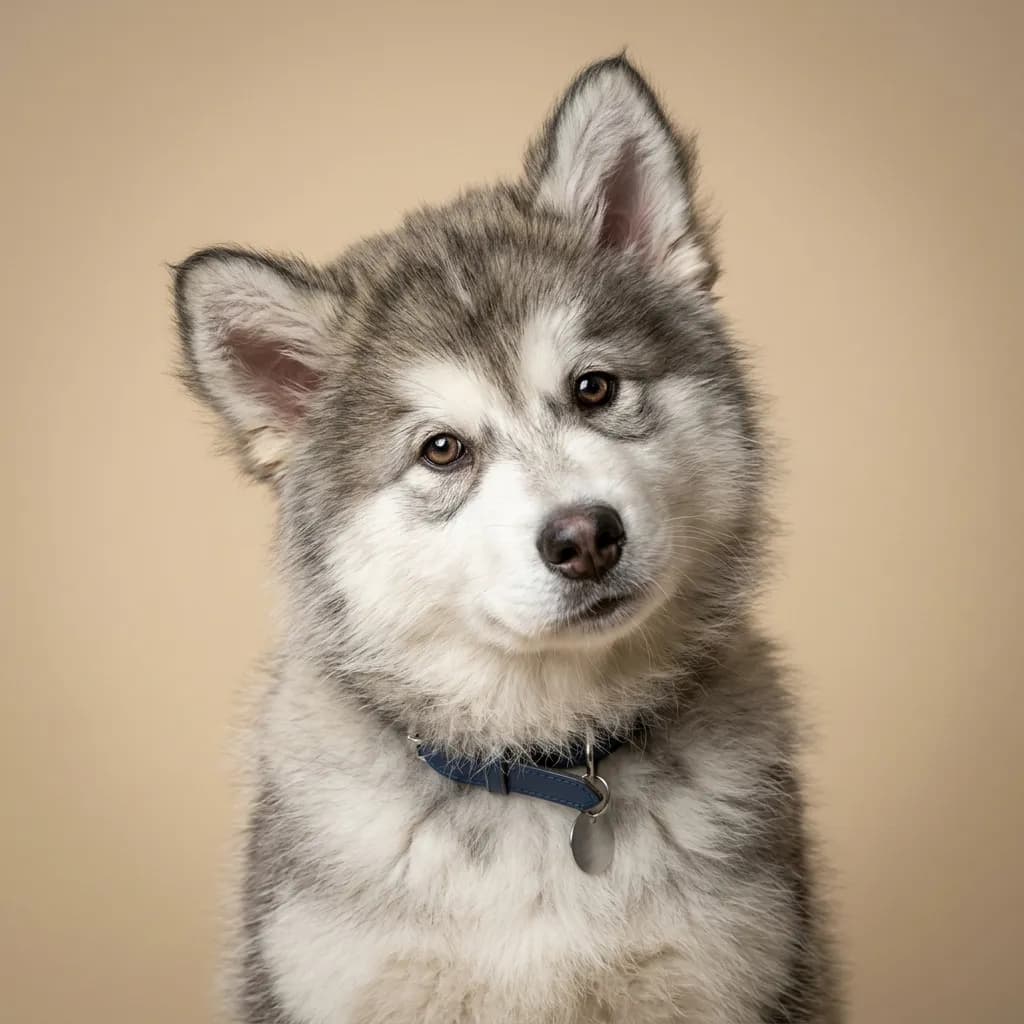
You probably wouldn’t think to compare a snow-ready Arctic powerhouse with a lapdog bred for Renaissance nobles, but here we are. maybe you’re torn between a rugged outdoor companion and a velvety little shadow who lives for cuddles. These two breeds are polar opposites in nearly every way that matters. The Alaskan Malamute is built for purpose. Think sleds, snowdrifts, and hauling loads across frozen tundra. These dogs are strong, independent, and need serious physical and mental work. You’ll need a yard, cold weather, and the time to keep them busy. They’re loyal and affectionate in a big-dog, goofy way, but they’re not lap dogs. They’re also not quiet, clean, or low-maintenance. They shed like it’s their job, and if you live in Florida or work 60-hour weeks, don’t bother. The Bolognese, meanwhile, barely casts a shadow. This little Italian charmer lives to be near you. No shedding, yes to snuggling, and a temperament so easygoing it’s almost suspicious. They adapt to apartments, city life, and your work-from-home routine. But don’t expect a hiking buddy. They’re happy with a daily stroll and lots of chin scratches. And while they bond deeply, they don’t do well left alone for hours. separation anxiety is real here. Here’s the thing no one tells you: Malamutes look impressive, but they’re not guard dogs. They’ll likely greet an intruder with a wag and a request for belly rubs. The Bolognese might be tiny, but they’re alert and will bark at the mailman like it’s their life’s mission. Pick the Malamute if you want a working dog and can handle the effort. Pick the Bolognese if you want a soft, loyal companion who fits in a tote bag and thrives on quiet closeness. Your lifestyle. not your Pinterest board. should decide this.
Trait-by-trait
Higher bar = more of that trait. Shedding, barking, drooling, grooming flipped for readability.Where they diverge
Choose the Alaskan Malamute if…
- Active people
- Cold climates
- Experienced owners
- You value shedding level — Alaskan Malamute scores noticeably higher.
Choose the Bolognese if…
- Apartments
- Seniors
- Allergy sufferers
- You value affectionate w/ family — Bolognese scores higher here.