Alaskan Malamute vs Brussels Griffon
Side-by-side comparison across all 14 AKC trait ratings, with a clear verdict on which breed fits which kind of household.

Not sure which breed fits your life?
Answer five questions about your home, your schedule, and your tolerance for shedding. We’ll match you to your top three breeds from over 200.
Alaskan Malamute vs Brussels Griffon
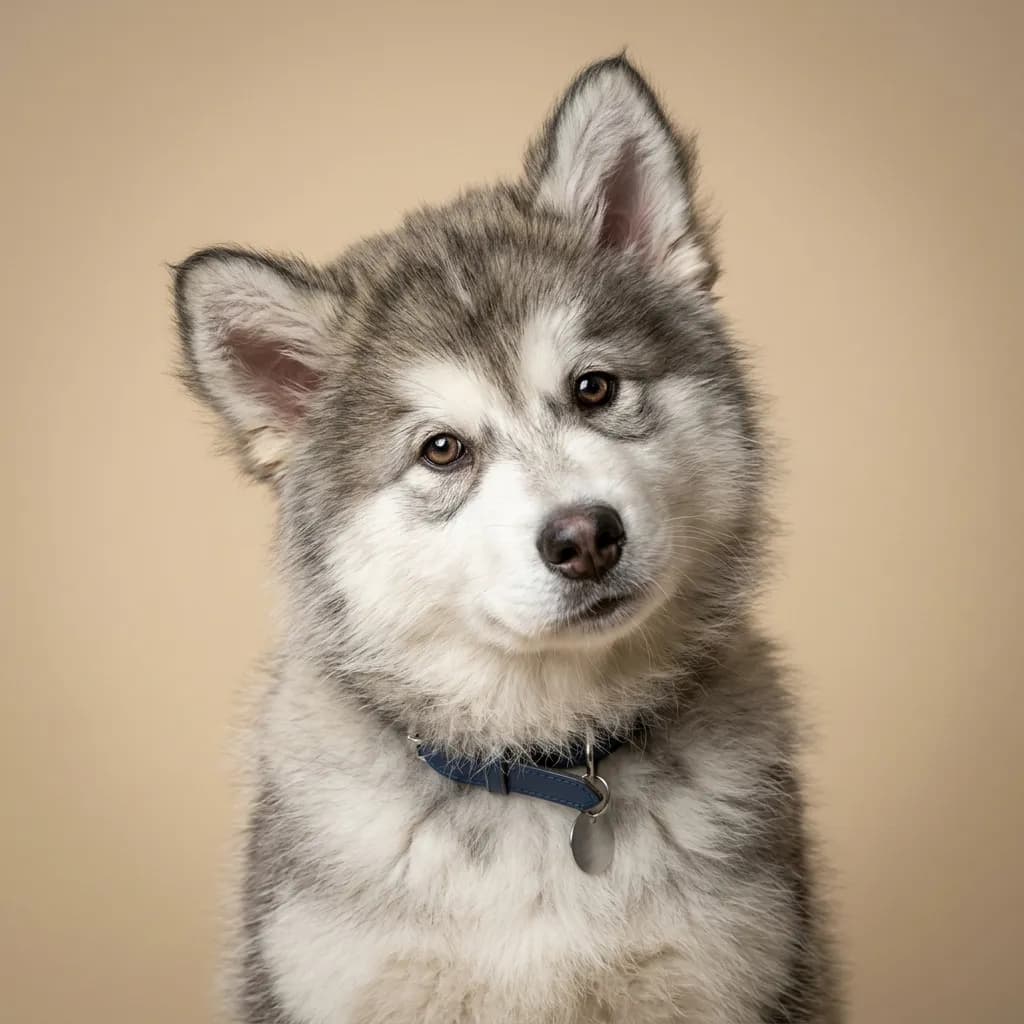
You’d never think someone would compare a snowbound freight hauler and a tiny, mustachioed lapdog, but here we are. People cross-shop Alaskan Malamutes and Brussels Griffons when they’re drawn to big personalities in very different packages. One looks like a wolf cub built for polar expeditions; the other resembles a wise old man stuffed into a tennis ball. But beyond charm, these breeds couldn’t be more opposite. The Malamute is a force of nature. You’re not just adopting a dog, you’re signing up for a lifestyle. This 80-pound bundle of fluff needs space, cold weather, and someone who logs serious miles outdoors. They’re loyal and affectionate, but they’ll pull you down the trail like a sled if you’re not careful. both literally and metaphorically. They’re smart but stubborn, and their need for mental and physical work is non-negotiable. First-time owners? Probably not. Apartment in Phoenix? Absolutely not. Then there’s the Brussels Griffon. compact, comically expressive, and weirdly human in his emotions. He’s built for cuddling on the couch, not trekking through ice fields. He bonds fiercely to one or two people and will follow you from room to room like a furry therapist. But that flat face brings health headaches, and his bark can be surprisingly loud for something that fits in a handbag. The real insight? It’s not about size or energy. It’s about presence. Malamutes demand space in your world. Griffons just want to be your entire world. Pick the Malamute if you need a partner in adventure. Pick the Griffon if you want a tiny, dramatic soul who thinks he’s your equal in every way.
Trait-by-trait
Higher bar = more of that trait. Shedding, barking, drooling, grooming flipped for readability.Where they diverge
Choose the Alaskan Malamute if…
- Active people
- Cold climates
- Experienced owners
- You value watchdog / protective — Alaskan Malamute scores noticeably higher.
Choose the Brussels Griffon if…
- Singles and couples
- Apartment living
- Retirees
- You value affectionate w/ family — Brussels Griffon scores higher here.