Alaskan Malamute vs Havanese
Side-by-side comparison across all 14 AKC trait ratings, with a clear verdict on which breed fits which kind of household.
Not sure which breed fits your life?
Answer five questions about your home, your schedule, and your tolerance for shedding. We’ll match you to your top three breeds from over 200.
Alaskan Malamute vs Havanese
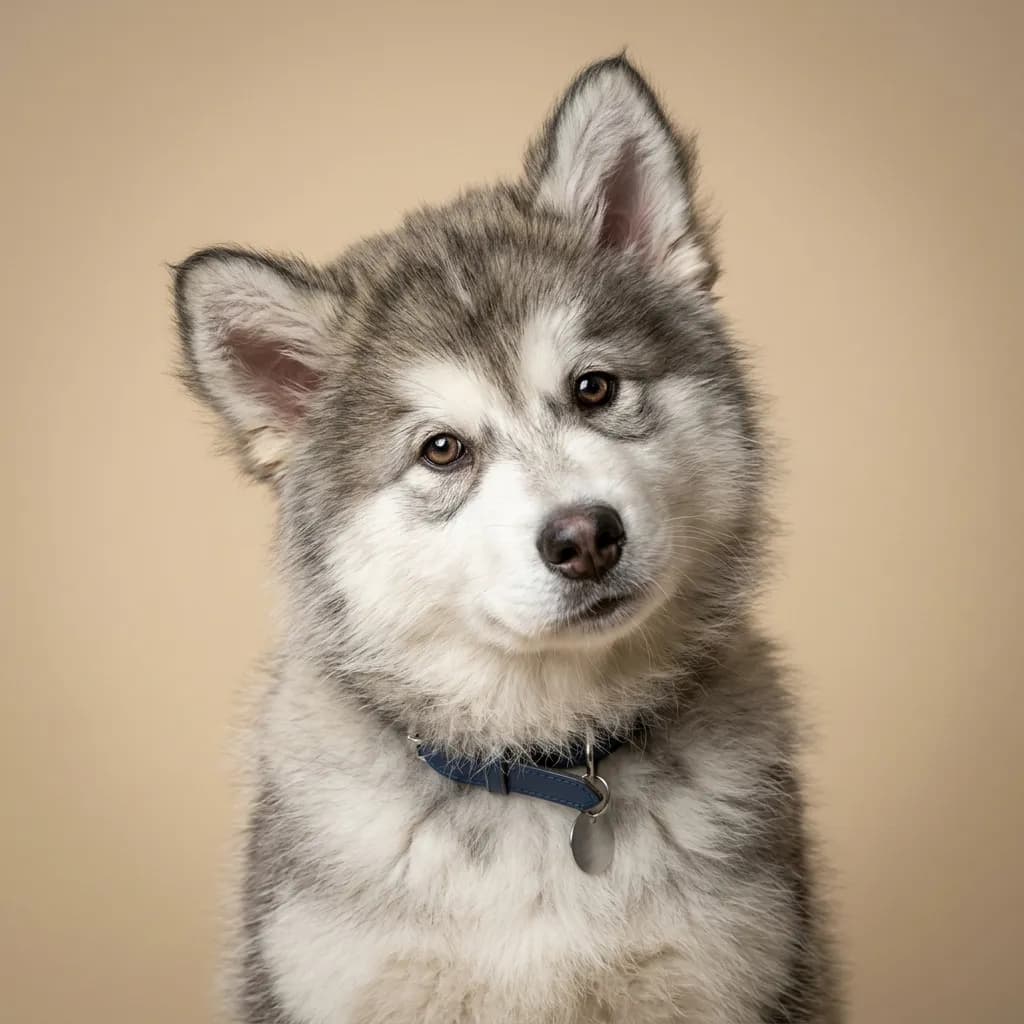
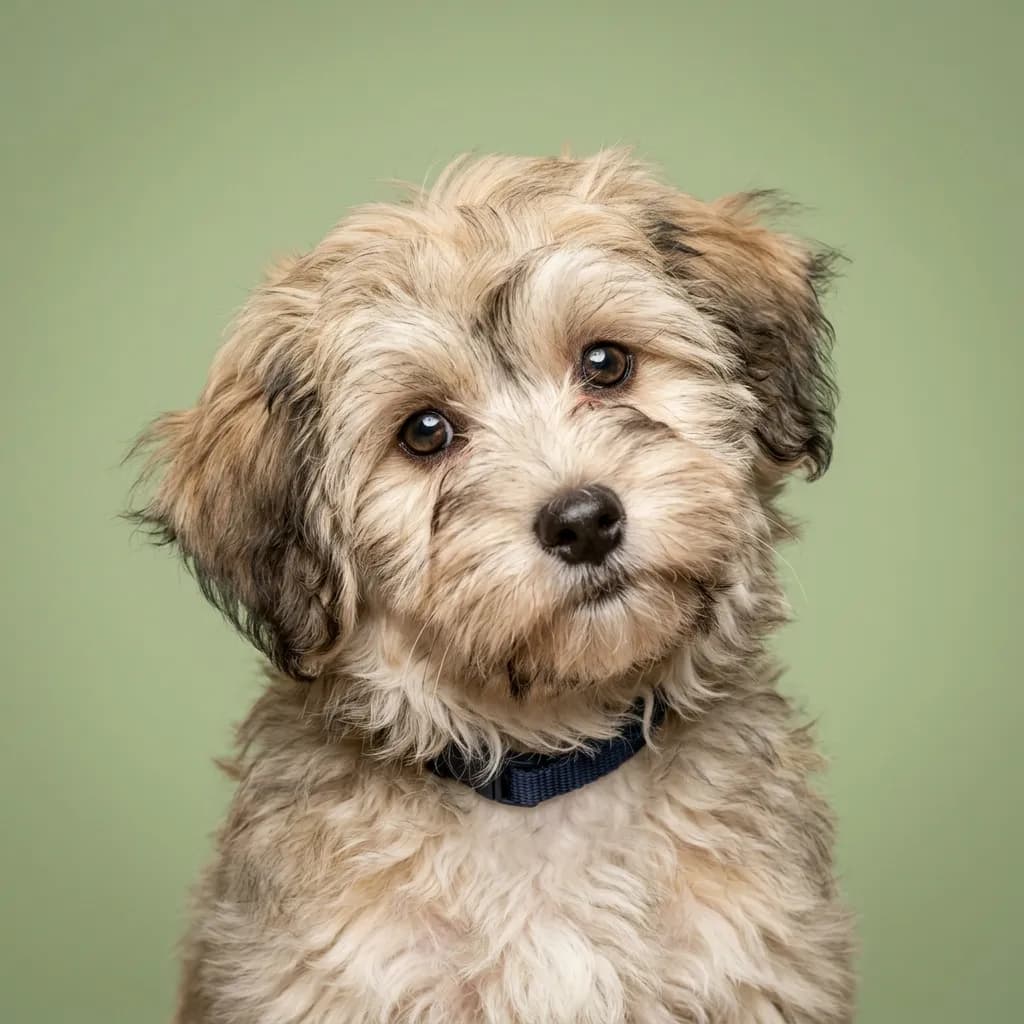
You’re probably not comparing a 80-pound Arctic freight hauler to a 10-pound lapdog because you need both. You’re comparing them because you’re torn between two visions of dog life. One’s a rugged adventure partner, the other a velcro companion. The Alaskan Malamute and Havanese don’t just differ in size. They’re built for entirely different worlds. The Malamute was born to pull heavy sleds across frozen tundra. It’s strong, stubborn, and needs serious exercise. You’ll need a yard, cold weather, and the time to meet its physical demands. It’s loyal and affectionate, but not always obedient. Training takes patience. And yes, it sheds. twice a year, it blows its entire coat like a snowstorm indoors. This isn’t a dog for city living or hot summers. It’s for someone who hikes, skis, or lives where winter never quits. The Havanese, meanwhile, was bred to charm Cuban royalty. It’s tiny, playful, and bonds hard to its people. It’s happy in apartments, adores kids, and travels easily. But don’t mistake small for low-maintenance. This dog hates being alone. Leave it for hours, and you’ll come home to howling or chewed baseboards. Its silky coat needs daily brushing unless you keep it in a puppy cut. It’s not a guard dog, but it will bark at the mailman. Here’s the real difference: Malamutes are independent thinkers with a job in their DNA. Havanese live to be with you, any time, anywhere. If you want a dog that’s part of your outdoor life and can handle solitude better, go Malamute. If you want a cheerful, adaptable shadow who thrives on closeness, pick the Havanese. Just know. either way, you’re not just getting a pet. You’re changing your routine.
Trait-by-trait
Higher bar = more of that trait. Shedding, barking, drooling, grooming flipped for readability.Where they diverge
Choose the Alaskan Malamute if…
- Active people
- Cold climates
- Experienced owners
- You value shedding level — Alaskan Malamute scores noticeably higher.
Choose the Havanese if…
- Apartment dwellers
- Seniors
- Families with children
- You value affectionate w/ family — Havanese scores higher here.