Alaskan Malamute vs Neapolitan Mastiff
Side-by-side comparison across all 14 AKC trait ratings, with a clear verdict on which breed fits which kind of household.
Not sure which breed fits your life?
Answer five questions about your home, your schedule, and your tolerance for shedding. We’ll match you to your top three breeds from over 200.
Alaskan Malamute vs Neapolitan Mastiff
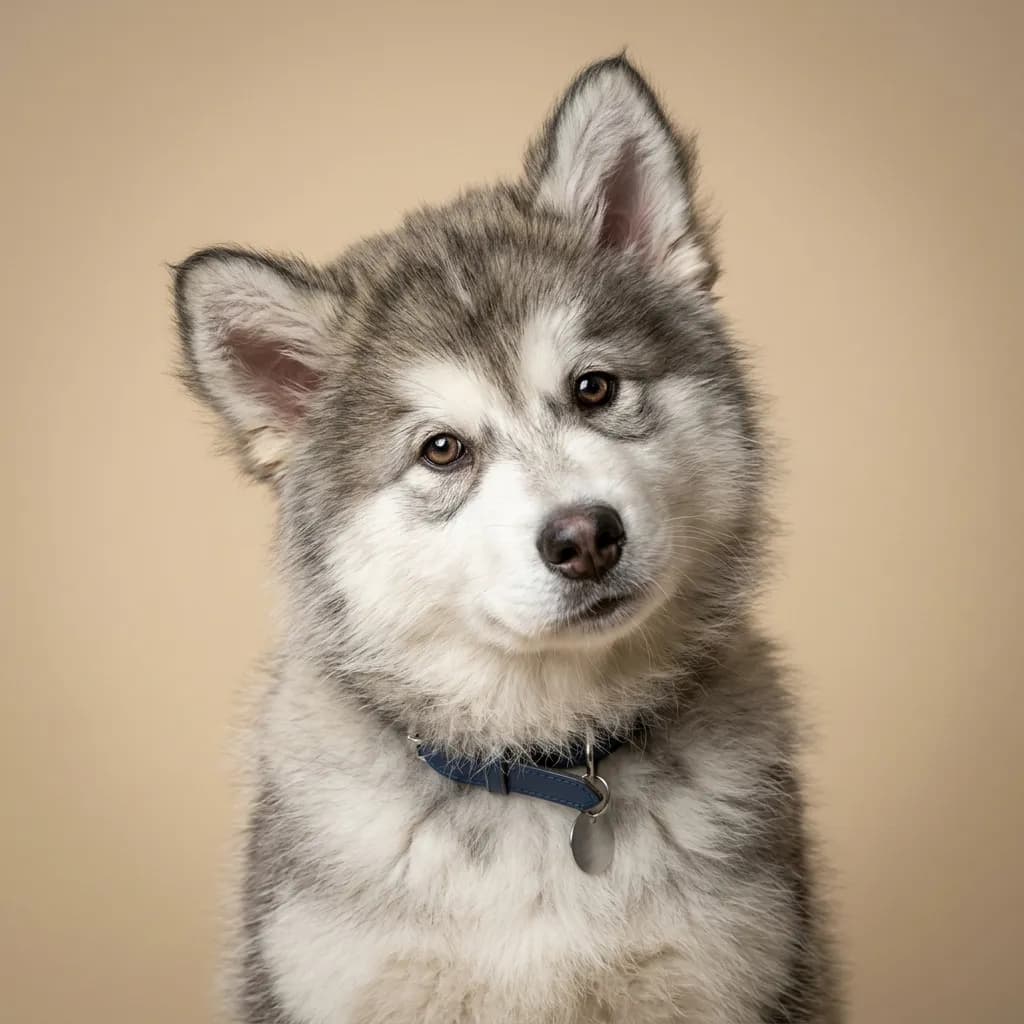
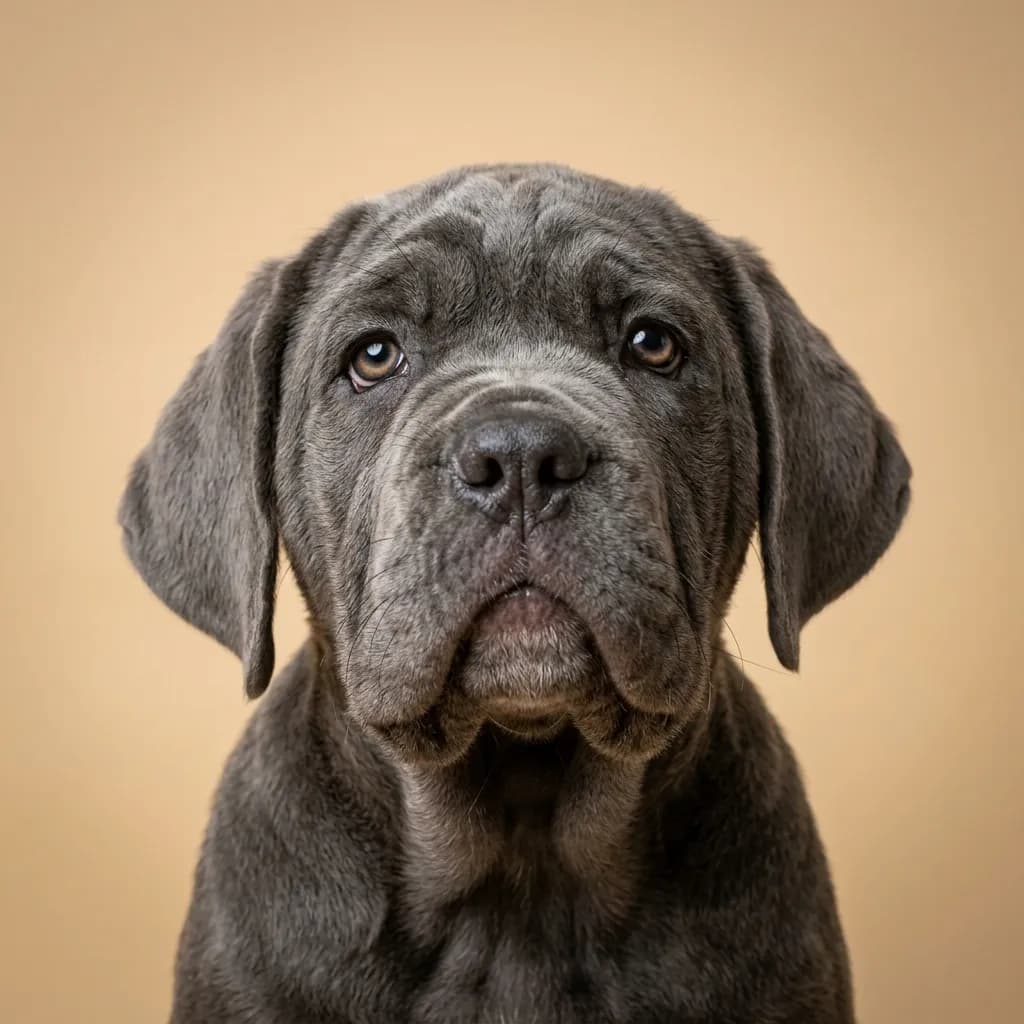
You’re not really comparing these two breeds unless you’ve already ruled out “easy.” Both are big, both are powerful, and both demand experience. People line them up because they want a serious dog. something impressive, loyal, and capable of handling rough weather or rough company. But that’s where the similarity ends. The Alaskan Malamute isn’t just built for cold; it lives for it. Think snowdrifts and sleds, not suburban sidewalks. This dog has the energy of a weekend backpacker and the will of someone who won’t stop until the job’s done. You’ll need to match that pace. They’re affectionate but stubborn, the type to out-stubborn you on a recall. If you hike, ski, or live above the snowline, they’re brilliant. If you live in a townhouse in Houston? Run. The Neapolitan Mastiff, meanwhile, is the silent fortress. Massive, with skin that hangs like old armor, they’re not fast, but they’re always watching. Bred to guard, they’re deeply loyal but slow to warm to strangers. which means early socialization isn’t optional. They drool on your shoes, take up three-quarters of the couch, and need careful feeding to avoid bloat. But in the right home, they’re calm, dignified, and oddly sensitive. Here’s the real insight: both dogs are protective, but in totally different ways. The Malamute will guard your family by being part of it, always active and involved. The Mastiff guards by presence alone. he’ll sit in the doorway and stare, and that’s enough. Pick the Malamute if you want a partner for adventure. Pick the Mastiff if you want a monument with a heartbeat. Just don’t pick either unless you’re ready to lead.
Trait-by-trait
Higher bar = more of that trait. Shedding, barking, drooling, grooming flipped for readability.Where they diverge
Choose the Alaskan Malamute if…
- Active people
- Cold climates
- Experienced owners
- You value trainability — Alaskan Malamute scores noticeably higher.
Choose the Neapolitan Mastiff if…
- Experienced large-breed owners
- Those wanting an imposing guard dog
- Homeowners with space
- You value drooling level — Neapolitan Mastiff scores higher here.