Alaskan Malamute vs Shiba Inu
Side-by-side comparison across all 14 AKC trait ratings, with a clear verdict on which breed fits which kind of household.
Not sure which breed fits your life?
Answer five questions about your home, your schedule, and your tolerance for shedding. We’ll match you to your top three breeds from over 200.
Alaskan Malamute vs Shiba Inu
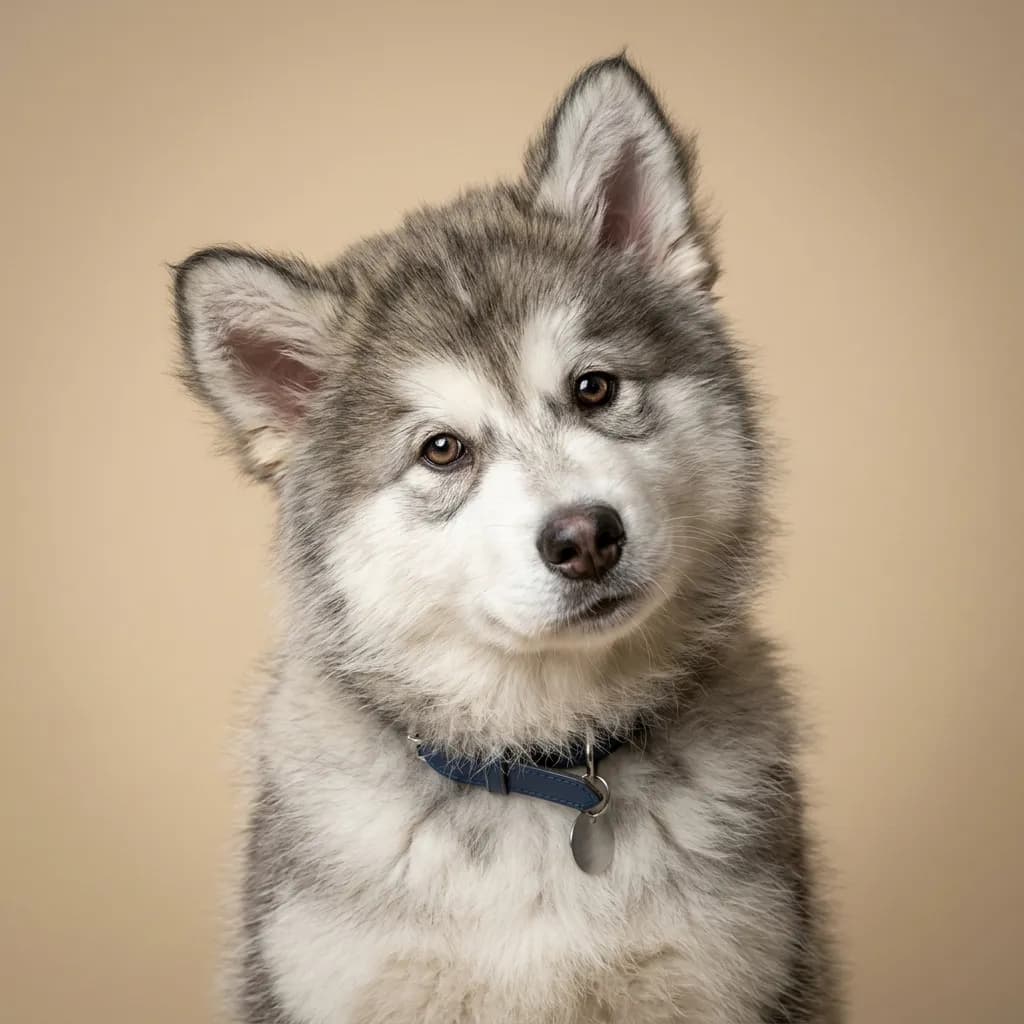
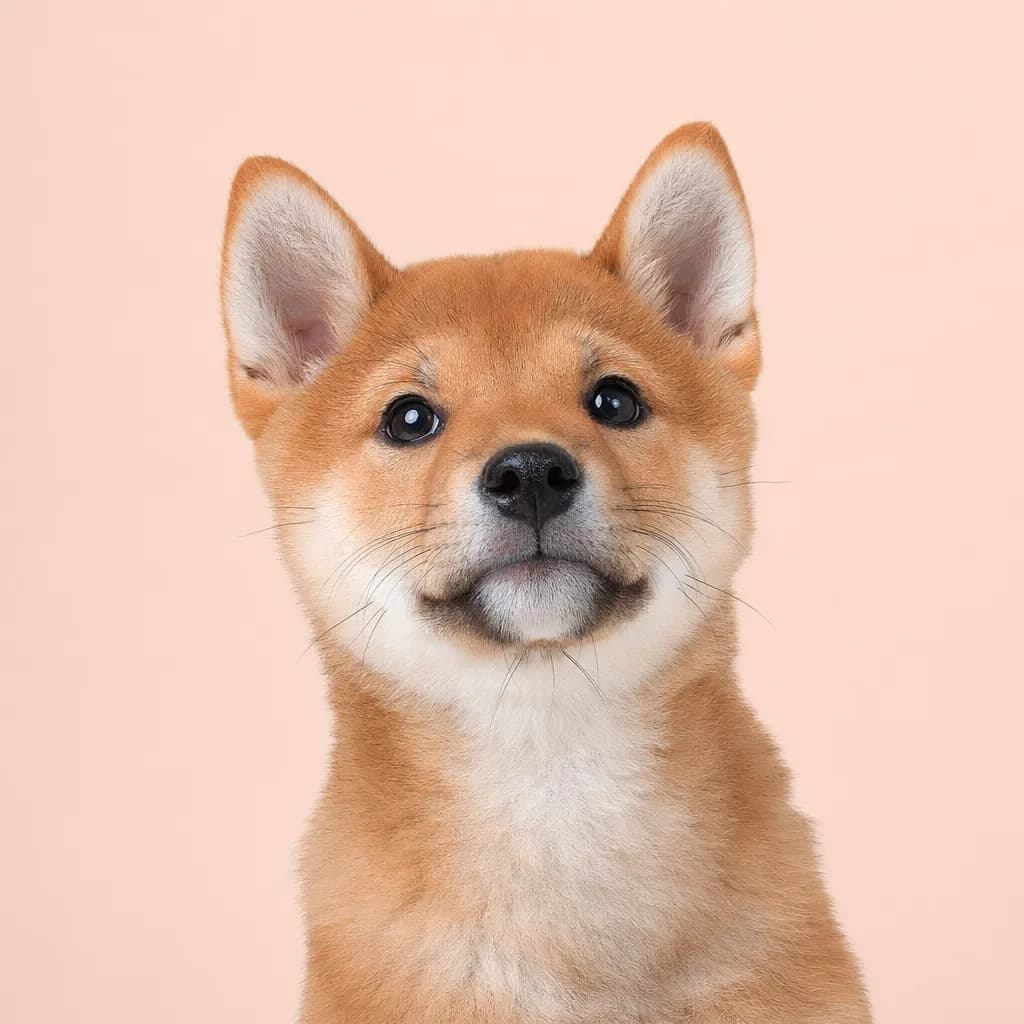
People compare Alaskan Malamutes and Shiba Inus because they both look like wolves and have that wild, striking appearance. thick coats, alert eyes, fox-like faces. But that’s where the similarity ends. Choosing between them isn’t just preference, it’s lifestyle. The Malamute is a powerhouse. At 80 pounds of muscle, this dog was built to pull sleds through Arctic snow, and it shows. You’ll need space, time, and energy to match theirs. They’re loyal and affectionate in a goofy, family-dog way, but they’re not solo adventurers. They thrive when included in outdoor activities. hiking, skijoring, even weight-pulling for fun. But they’re not for apartments or hot climates. They overheat fast, and their thick coat sheds like a snowstorm in spring. And while they’re smart, they’re independent thinkers, so training takes consistency. Now the Shiba Inu? Think of a cat with a dog’s body. Compact, clean, and fiercely independent. They groom themselves, hate rain, and will stare at you like you’re the weird one when called. They’re alert and sprightly, great for city living if you have a secure yard, but don’t expect a recall on the first try. They bond deeply but on their terms. Trainability is low not because they’re dumb. they’re sharp. but because they ask, “Why should I?” Here’s the real insight: Malamutes want to work with you. Shiba Inus want to work around you. If you need a partner in adventure, go Malamute. If you want a spirited companion who respects boundaries. and maybe judges your life choices. the Shiba’s your dog. Just don’t get either if you’re looking for a push-button pet. These are dogs with minds of their own.
Trait-by-trait
Higher bar = more of that trait. Shedding, barking, drooling, grooming flipped for readability.Where they diverge
Choose the Alaskan Malamute if…
- Active people
- Cold climates
- Experienced owners
- You value trainability — Alaskan Malamute scores noticeably higher.
Choose the Shiba Inu if…
- Experienced dog owners
- Those wanting a cat-like independence
- Active owners
- You value affectionate w/ family — Shiba Inu scores higher here.