Alaskan Malamute vs Siberian Husky
Side-by-side comparison across all 14 AKC trait ratings, with a clear verdict on which breed fits which kind of household.
Not sure which breed fits your life?
Answer five questions about your home, your schedule, and your tolerance for shedding. We’ll match you to your top three breeds from over 200.
Alaskan Malamute vs Siberian Husky
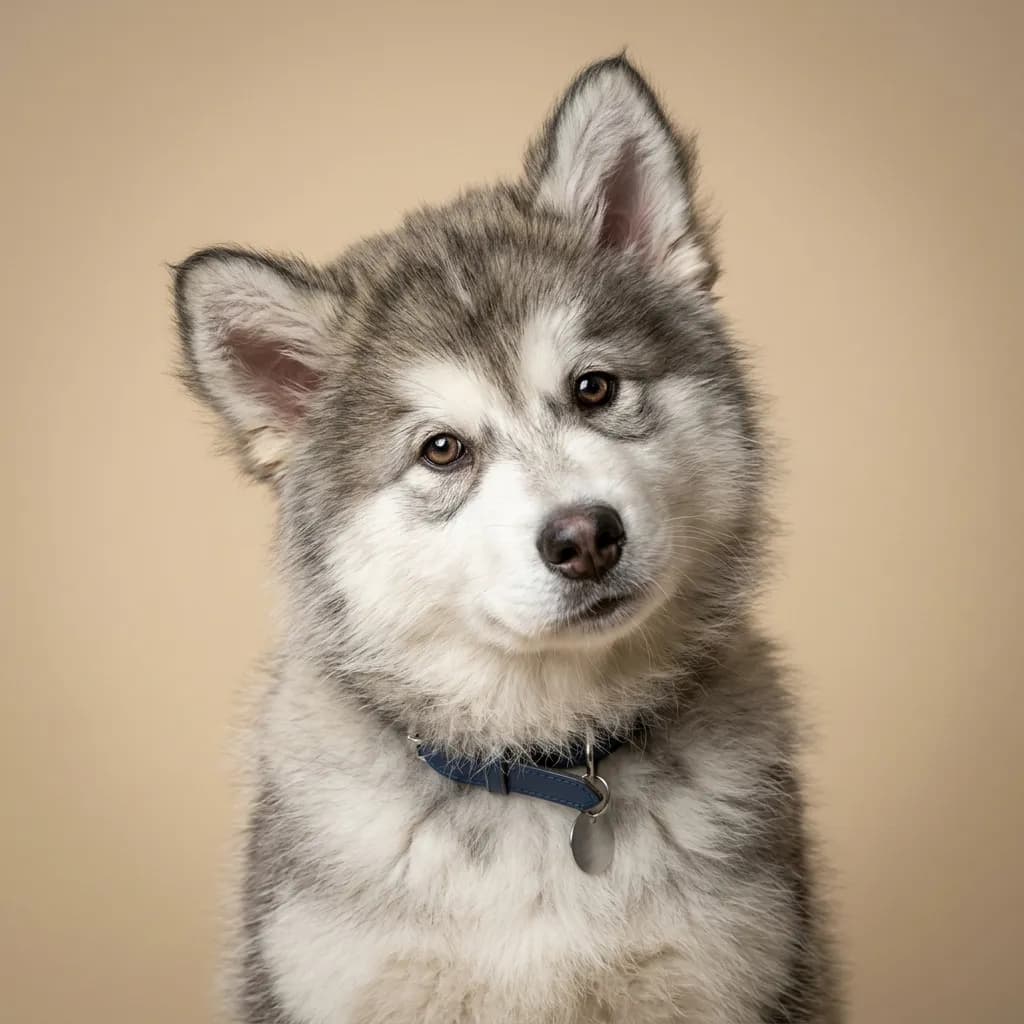
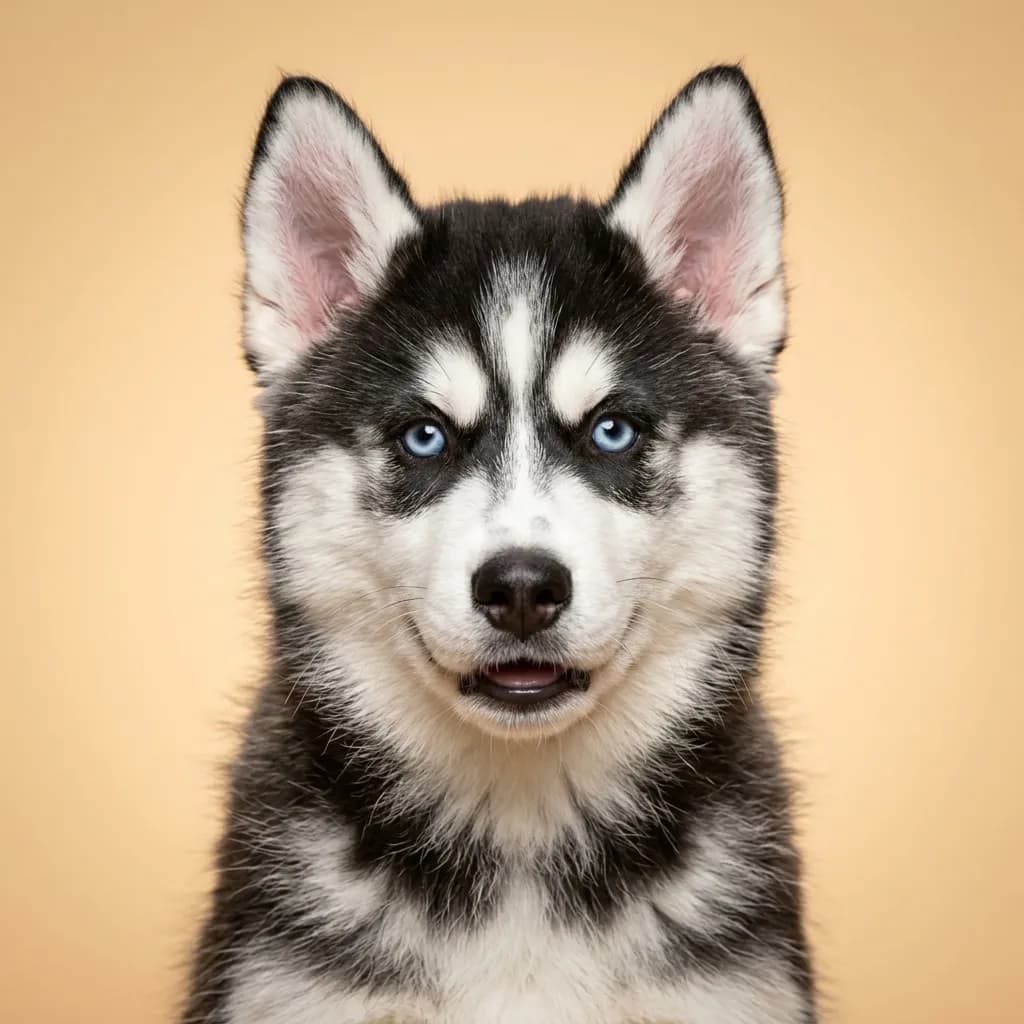
People mix up Alaskan Malamutes and Siberian Huskies all the time. and yeah, they both look like wolves and thrive in snowdrifts. but choosing between them is like picking between a freight train and a race car. Both are loyal and built for cold, but their energy and purpose couldn’t be more different. The Malamute is the powerhouse. At 75 to 85 pounds, this dog was bred to haul heavy loads across frozen Alaska, not sprint. You’ll get affectionate loyalty, sure, but also a stubborn strength that demands experienced handling. They’re less barky than you’d think, but they will shed. consistently, everywhere. and need serious outdoor space. Apartment life? Forget it. First-time owner? You’ll get steamrolled. They need structure, cold weather, and someone who already knows how to work with strong-willed dogs. Then there’s the Siberian Husky. lighter, leaner, built for speed over endurance. These dogs are mischievous charmers, bouncing off the walls with a 5/5 energy rating and a howl you’ll hear at 3 a.m. They’re better with kids and more adaptable to different homes, but good luck with off-leash freedom. Their trainability score hides a truth no chart captures: they’re smart enough to outwit you. They’ll escape, dig, and ignore recall like it’s a suggestion. Here’s the real talk: If you want a dog that works with you, pulling heavy weight in a team, pick the Malamute. But if you want a spirited, social athlete that thrives on daily runs and looks like a snowflake given form. go Husky. Just know, no amount of training will stop either from turning your backyard into a tundra.
Trait-by-trait
Higher bar = more of that trait. Shedding, barking, drooling, grooming flipped for readability.Where they diverge
Choose the Alaskan Malamute if…
- Active people
- Cold climates
- Experienced owners
- You value watchdog / protective — Alaskan Malamute scores noticeably higher.
Choose the Siberian Husky if…
- Active owners who exercise daily
- Cold climate households
- Families with children
- You value affectionate w/ family — Siberian Husky scores higher here.