Alaskan Malamute vs Tosa
Side-by-side comparison across all 14 AKC trait ratings, with a clear verdict on which breed fits which kind of household.
Not sure which breed fits your life?
Answer five questions about your home, your schedule, and your tolerance for shedding. We’ll match you to your top three breeds from over 200.
Alaskan Malamute vs Tosa
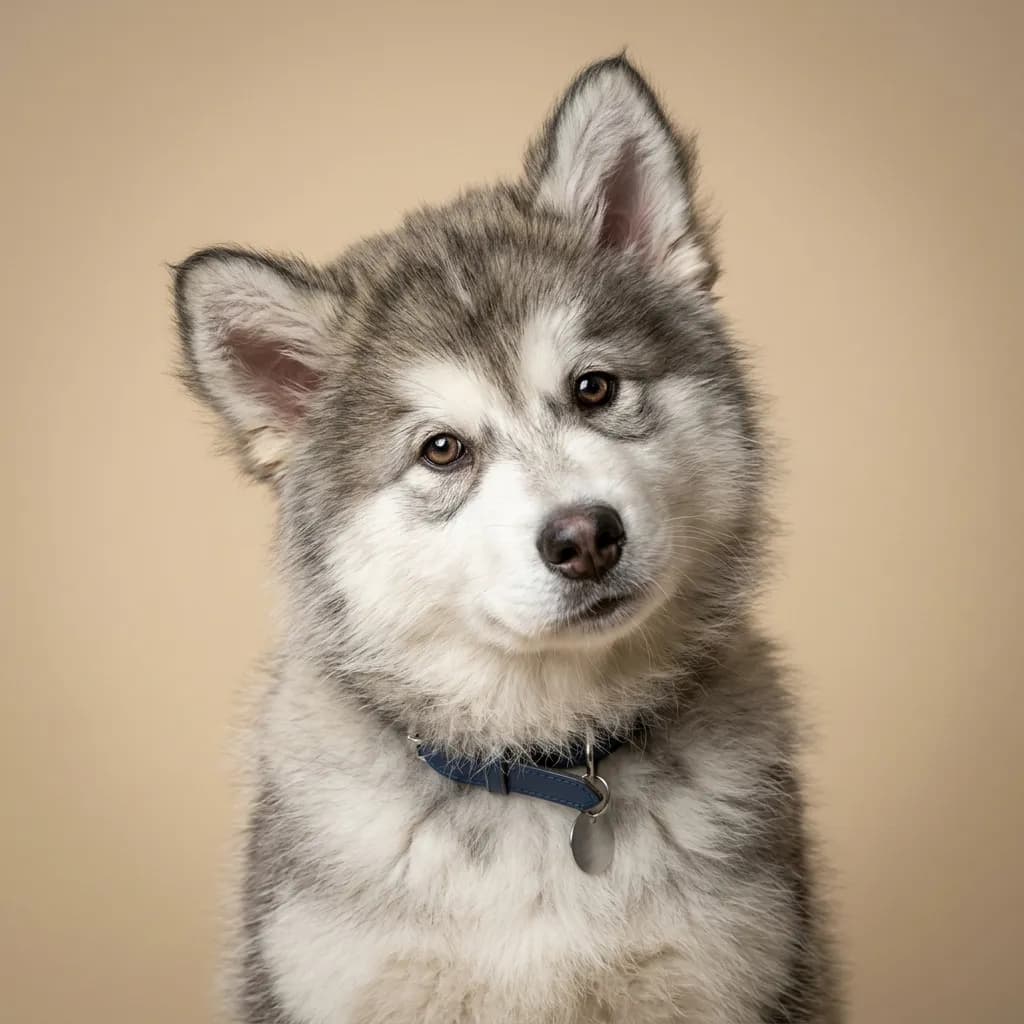
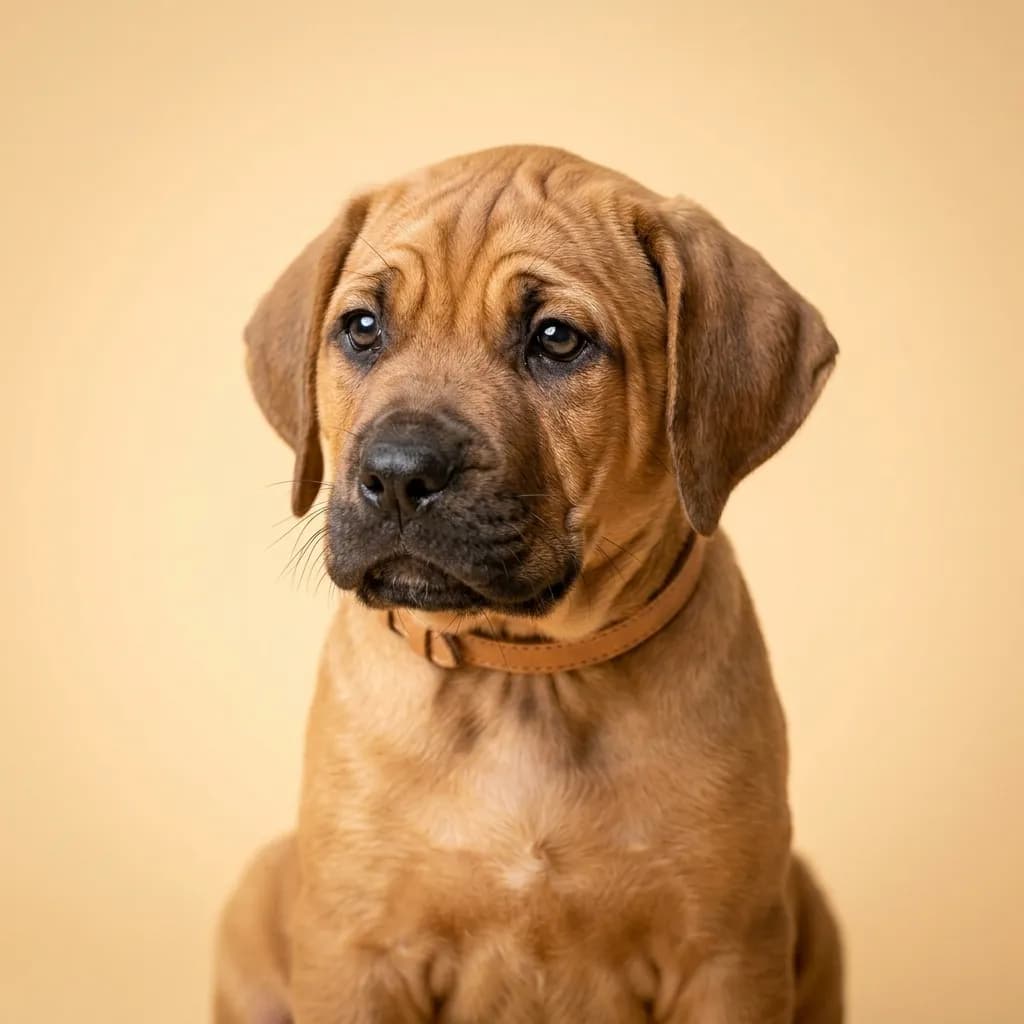
You don’t see people weighing an Alaskan Malamute against a Tosa every day, but when you do, it’s usually someone drawn to powerful, imposing dogs with deep histories and a certain primal presence. Both are serious commitments, but for wildly different reasons. Think of the Malamute as the rugged, energetic sled dog who wants to be part of your outdoor adventures, and the Tosa as the stoic, 150-pound silent guardian who’d rather sit beside you than sprint ahead. The Malamute thrives on movement. Bred to haul freight across Arctic ice, this dog needs space, cold weather, and a job. You’ll get affection and loyalty, but also a Houdini-level escape artist with a prey drive that won’t quit. They’re playful with kids but too boisterous for small homes. The Tosa, in contrast, is calm to the point of stillness. Originally bred for dog fighting in Japan, modern Tosas are deeply loyal and surprisingly gentle with their people, but they’re not built for hiking trails or dog parks. They need early, consistent training and a home where they’re the only pet. often the only dog. Here’s what the data won’t tell you: the Tosa’s calm is not indifference. It’s focus. This dog watches everything, absorbs everything, and bonds intensely with one or two people. A Malamute loves everyone in the house equally; a Tosa may choose you. and only you. If you’re active and live where it snows, the Malamute could be your partner. If you want a quiet, massive companion and have the experience to handle a dog with legacy and power, the Tosa might call to you. But don’t get either if you’re looking for easy. These aren’t pets. They’re commitments carved in muscle and history.
Trait-by-trait
Higher bar = more of that trait. Shedding, barking, drooling, grooming flipped for readability.Where they diverge
Choose the Alaskan Malamute if…
- Active people
- Cold climates
- Experienced owners
- You value good with other dogs — Alaskan Malamute scores noticeably higher.
Choose the Tosa if…
- very experienced large-breed owners
- homes with secure property
- owners seeking a calm giant breed companion
- You value drooling level — Tosa scores higher here.