American Eskimo Dog vs Bloodhound
Side-by-side comparison across all 14 AKC trait ratings, with a clear verdict on which breed fits which kind of household.
Not sure which breed fits your life?
Answer five questions about your home, your schedule, and your tolerance for shedding. We’ll match you to your top three breeds from over 200.
American Eskimo Dog vs Bloodhound
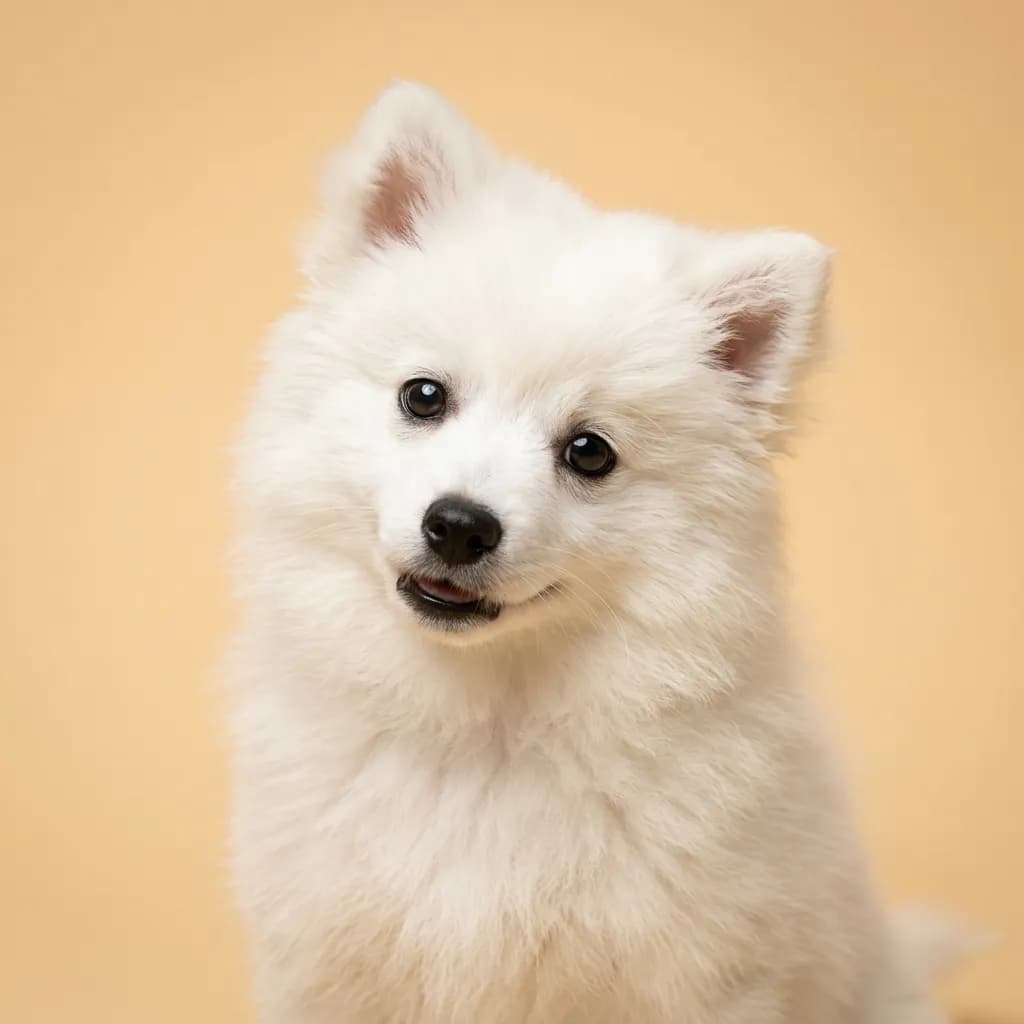
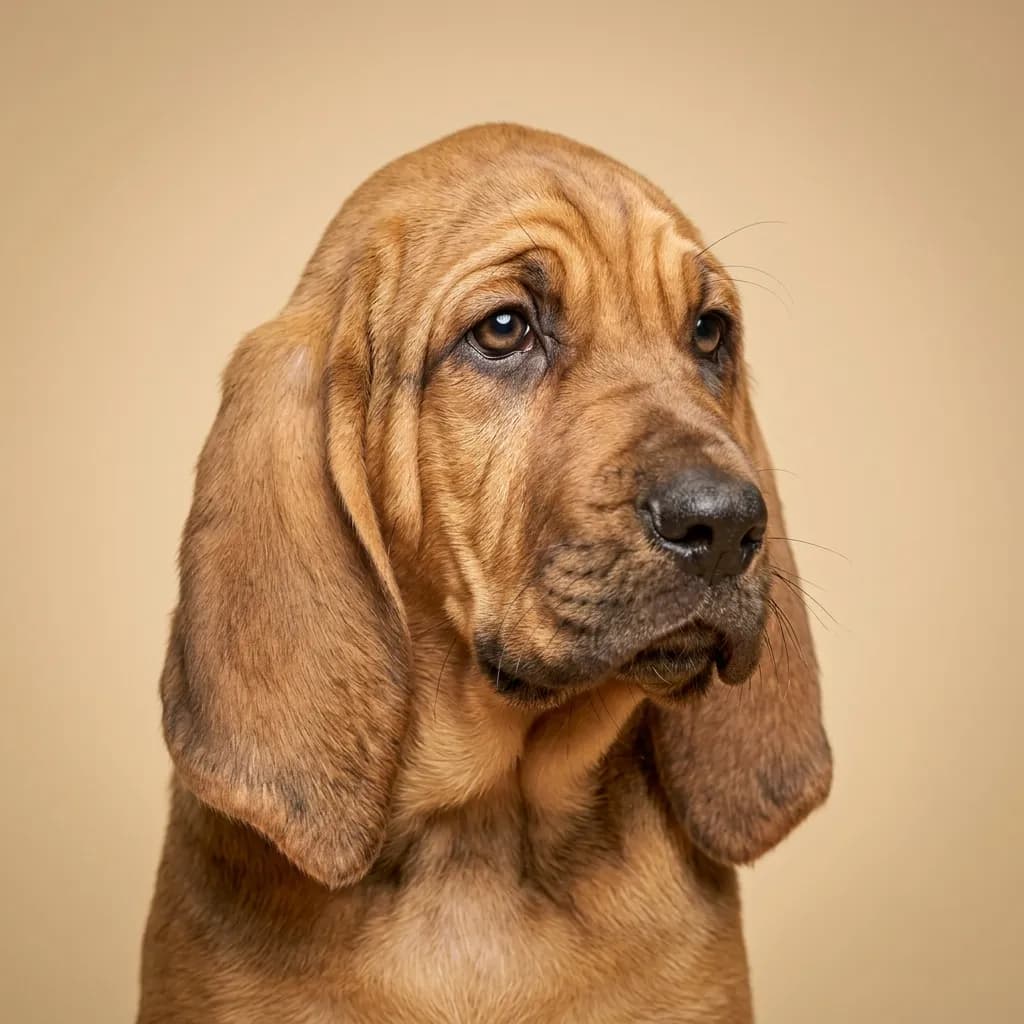
People compare the American Eskimo Dog and the Bloodhound because both are striking, intelligent, and vocal in their own ways. but that’s where the similarities end. One’s a sprightly companion built for show and circus tricks; the other’s a living bloodhound machine designed to follow scent trails for miles. Choosing between them isn’t about preference for fluff or floppy ears, but about lifestyle alignment. The American Eskimo is a compact, alert dog with a fox-like face and a need to be involved in everything you do. At 9 to 19 inches tall, it’s easy to overlook how much energy packs into that small frame. You’ll need daily play sessions, training games, and consistent grooming. especially in summer, when their double coat sheds like a snowstorm. They’re great with kids, thrive in cold climates, and adapt well to suburban or city living as long as you’re active. They bond tightly, alert you to every squirrel, and can even compete in agility. The Bloodhound? You’re not just adopting a dog, you’re managing a force of nature. At 80 to 110 pounds, with droopy ears and skin folds, they’re built for one thing: scent. Their sense of smell is so precise, courts admit their tracking as evidence. But they’re not precision tools in the home. They drool, bay loudly, are stubborn when a scent hits, and need a secure yard. because fences are suggestions to them. They’re gentle with families but too massive and independent for young kids or novice owners. Here’s the real talk: the Eskimo wants to please you. The Bloodhound wants to follow his nose. whether you like it or not. If you want partnership, pick the Eskimo. If you want a working marvel and can handle the mess, go for the hound.
Trait-by-trait
Higher bar = more of that trait. Shedding, barking, drooling, grooming flipped for readability.Where they diverge
Choose the American Eskimo Dog if…
- Families
- Active people
- Cold climates
- You value good with young children — American Eskimo Dog scores noticeably higher.
Choose the Bloodhound if…
- Active people
- Rural homes
- Hunters
- You value drooling level — Bloodhound scores higher here.