American Eskimo Dog vs Chesapeake Bay Retriever
Side-by-side comparison across all 14 AKC trait ratings, with a clear verdict on which breed fits which kind of household.

Not sure which breed fits your life?
Answer five questions about your home, your schedule, and your tolerance for shedding. We’ll match you to your top three breeds from over 200.
American Eskimo Dog vs Chesapeake Bay Retriever
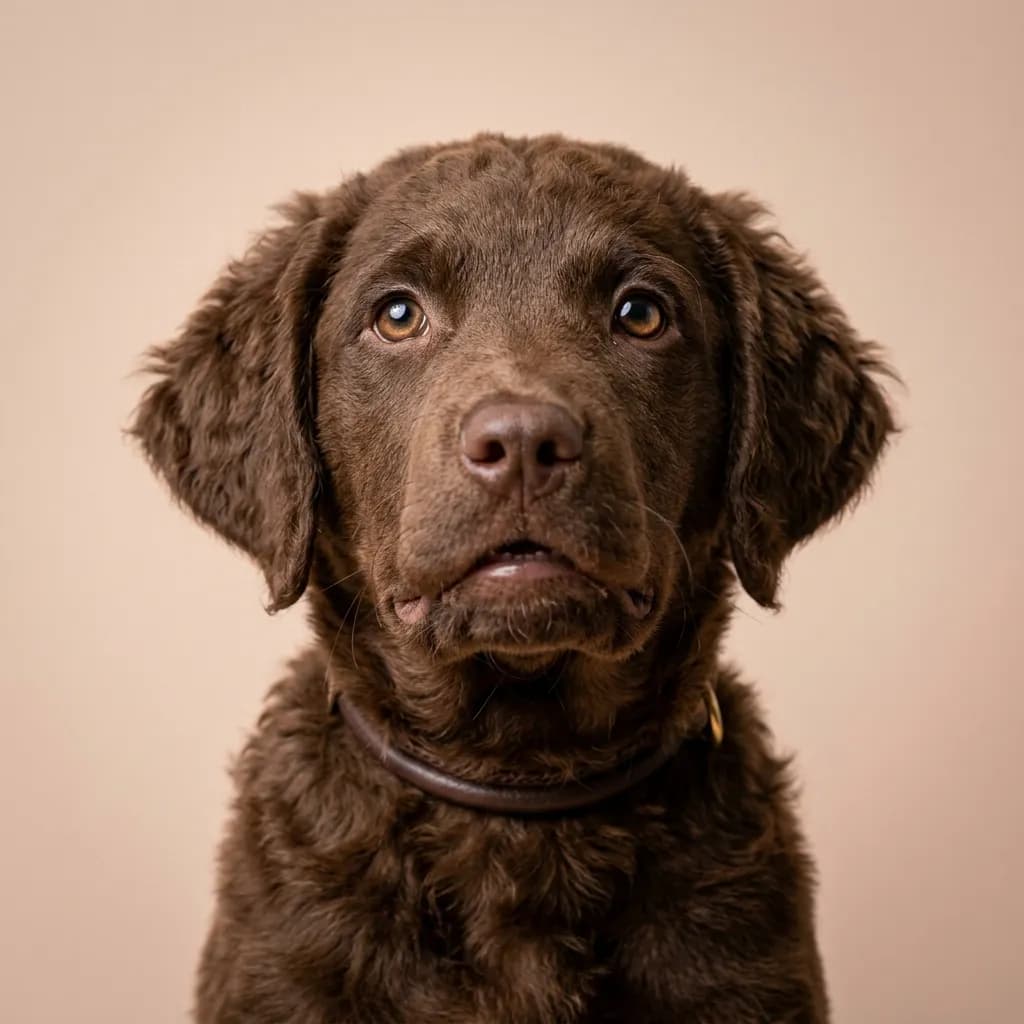
People don’t usually pit a fluffy white lapdog against a hulking brown retriever, but both the American Eskimo Dog and the Chesapeake Bay Retriever share a few surprising traits. loud watchdog instincts, high energy, and a real love for cold weather. That’s probably why someone might glance at both: they want a loyal, active dog that thrives outdoors and can handle winter. But scratch the surface and you’re looking at two completely different lives. The American Eskimo is a comedian in a powder puff coat. At under 35 pounds, this little dynamo lives for attention, tricks, and zooming around the yard. They’re brilliant and bond tightly with families, great with kids, and adapt well to smaller homes. just don’t expect silence or low upkeep. Their double coat needs regular brushing, and they’ll alert you to every leaf that blows by. They were circus stars, and they still perform for your approval. The Chessie, meanwhile, is a working-class poet. Built like a tank at up to 80 pounds, this dog was forged in icy bay waters, hauling ducks in brutal conditions. They’re deeply loyal but more reserved, especially with strangers and young kids. they don’t always know their strength. They need space, jobs to do, and a yard where they can splash through puddles. Their wavy, water-resistant coat is low-maintenance compared to the Eskimo’s, but they shed just as much. Here’s the real difference: the Eskimo wants to be your constant shadow. The Chessie wants to work with you. If you’re gone a lot or live in an apartment, skip the Chessie. If you want a couch potato, skip both. but especially the Eskimo. One truth the data won’t tell you: the American Eskimo’s bark is piercing and frequent. The Chessie’s silence is more telling. When a Chessie does bark, you’d better listen.
Trait-by-trait
Higher bar = more of that trait. Shedding, barking, drooling, grooming flipped for readability.Where they diverge
Choose the American Eskimo Dog if…
- Families
- Active people
- Cold climates
- You value good with young children — American Eskimo Dog scores noticeably higher.
Choose the Chesapeake Bay Retriever if…
- Active families
- Hunters and waterfowlers
- Cold and wet climate owners
- You value drooling level — Chesapeake Bay Retriever scores higher here.