American Eskimo Dog vs Great Pyrenees
Side-by-side comparison across all 14 AKC trait ratings, with a clear verdict on which breed fits which kind of household.
Not sure which breed fits your life?
Answer five questions about your home, your schedule, and your tolerance for shedding. We’ll match you to your top three breeds from over 200.
American Eskimo Dog vs Great Pyrenees
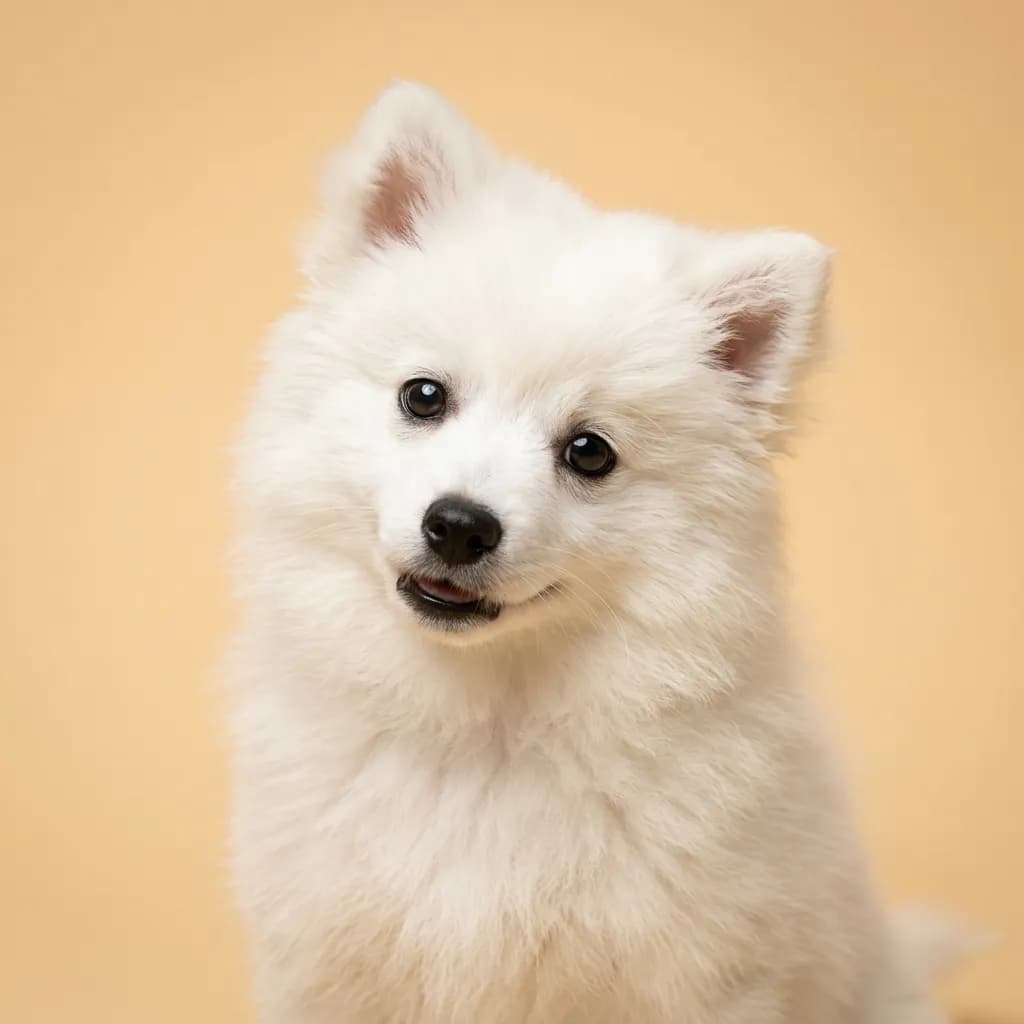
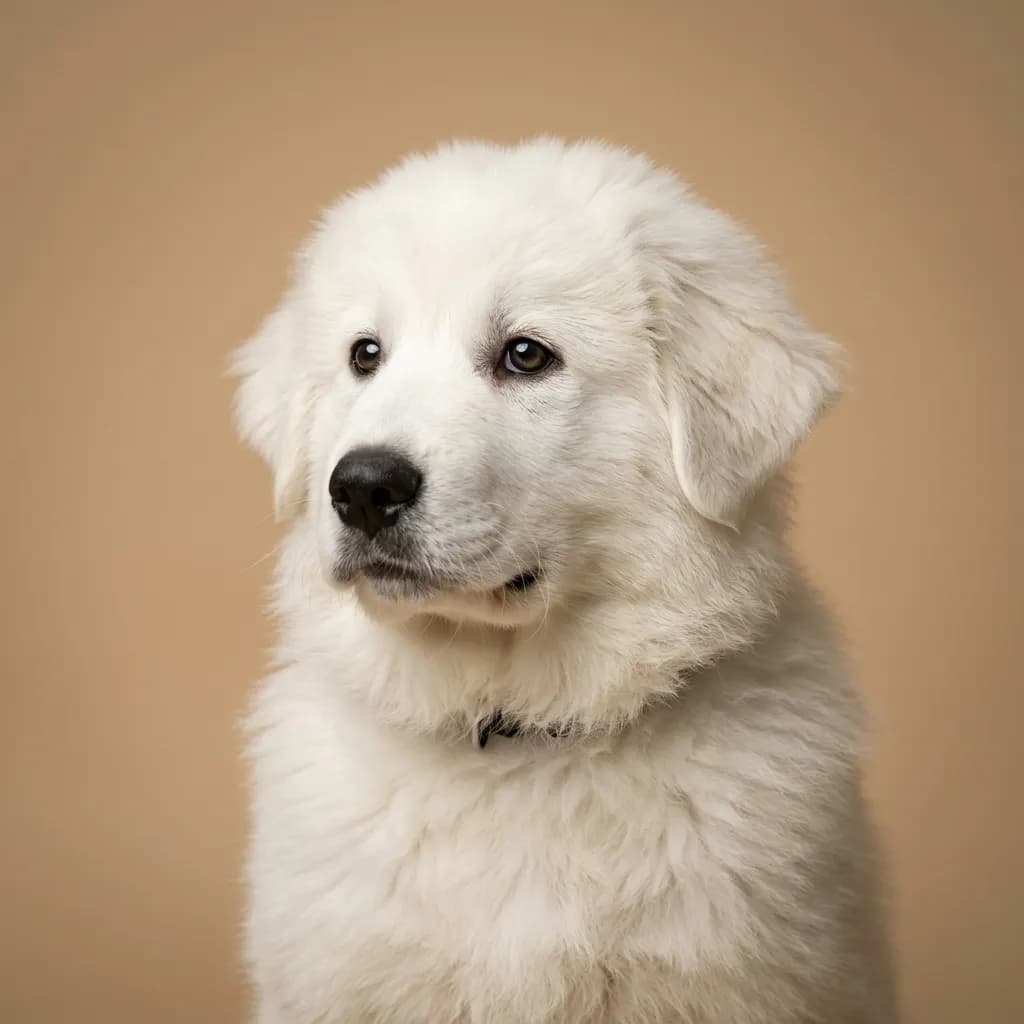
People compare the American Eskimo Dog and the Great Pyrenees because both are fluffy, white, and built for cold weather, so at a glance they look like they belong to the same winter wonderland dog family. But that’s where the similarities end. One fits in your lap, the other could knock it over by accident. The American Eskimo is a compact, high-energy companion bred for performing tricks and alerting owners to every passing leaf. At 6 to 35 pounds, they’re adaptable to city living. just be ready to brush that coat weekly and commit to mental engagement. They’re quick learners, thrive in agility, and bond tightly with families. If you want a dog that’s always “on” and ready to impress, this is your guy. The Great Pyrenees is a gentle giant, tipping the scales at 85 to 100 pounds, built for solitude and responsibility. Bred to guard sheep in mountain storms, they’re independent thinkers with a strong will. They’re calm indoors but need space and a secure yard. Their loyalty runs deep, but they won’t fetch your slippers on command. Training requires patience, not precision. Families with active lifestyles in colder climates might lean toward the Eskie for their adaptability and spark. Rural homes with acreage. and predators to deter. will find the Pyrenees a natural fit. Here’s the real talk: the Eskimo Dog wants to be part of your every move. The Great Pyrenees will love you fiercely, but he’ll also decide at 2 a.m. that he needs to patrol the property. because in his mind, the job never stops. Choose not just by size or fluff level, but by who you are when no one’s watching.
Trait-by-trait
Higher bar = more of that trait. Shedding, barking, drooling, grooming flipped for readability.Where they diverge
Choose the American Eskimo Dog if…
- Families
- Active people
- Cold climates
- You value good with young children — American Eskimo Dog scores noticeably higher.
Choose the Great Pyrenees if…
- Livestock guardians
- Rural or farm living
- Families with children
- You value drooling level — Great Pyrenees scores higher here.