American Foxhound vs Swedish Lapphund
Side-by-side comparison across all 14 AKC trait ratings, with a clear verdict on which breed fits which kind of household.

Not sure which breed fits your life?
Answer five questions about your home, your schedule, and your tolerance for shedding. We’ll match you to your top three breeds from over 200.
American Foxhound vs Swedish Lapphund
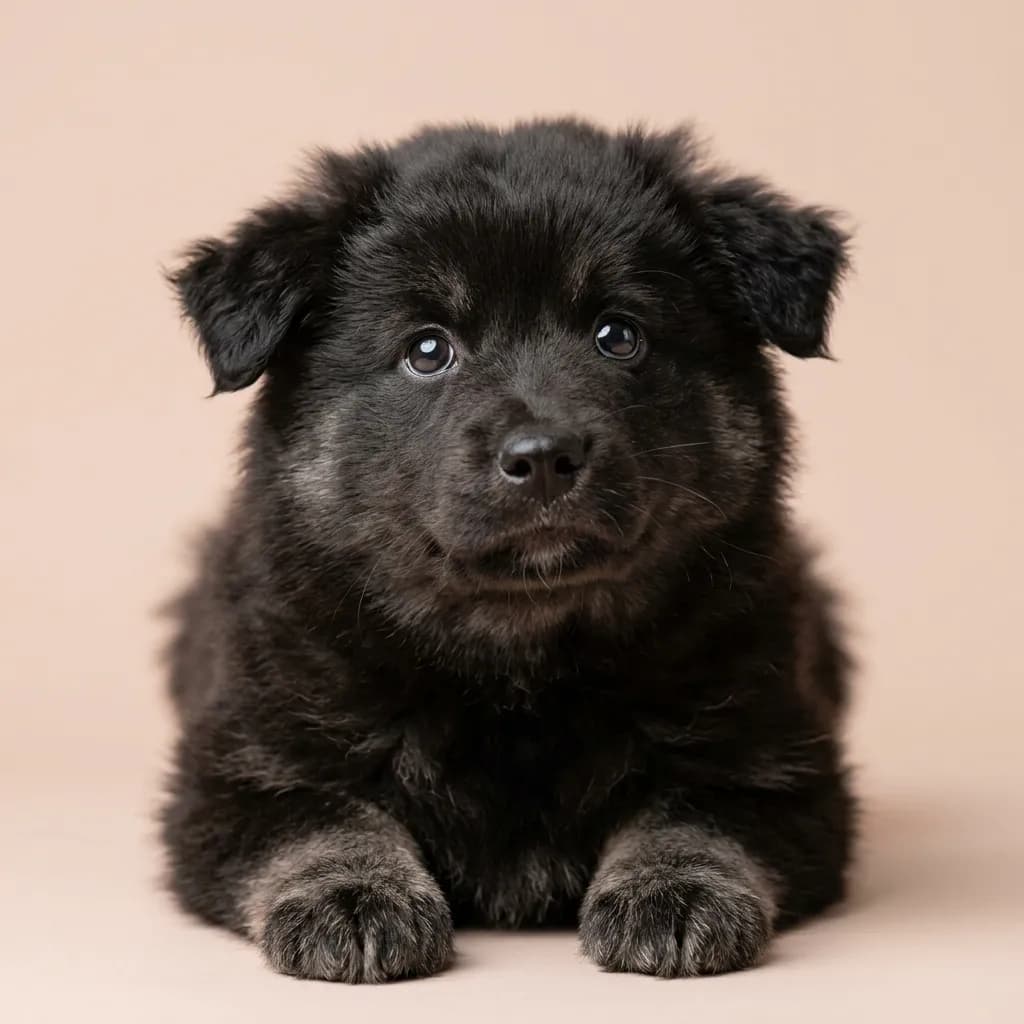
You don’t see people comparing an American Foxhound to a Swedish Lapphund every day, but when you do, it’s usually someone drawn to medium-sized, energetic dogs with a rustic charm and a nose for adventure. Both are rare outside their niches, both thrive in cold weather, and both look like they stepped out of a folk tale. But that’s where the story splits. The American Foxhound was built for distance and stamina, bred to run for miles alongside horseback riders, baying loud and long to keep the pack together. You’ll never miss when this dog wants something. he’ll tell the whole neighborhood. He’s easygoing with kids and other dogs, but aloof with affection and stubborn when it comes to training. If you live on acreage, hunt, or just need a calm-in-the-house companion who lights up on long trail runs, he fits. But don’t expect cuddles on command or quiet weekends indoors. The Swedish Lapphund, in contrast, is a compact, quick-eyed northerner, originally herding reindeer in Arctic circles. He’s smarter and more responsive than the Foxhound, eager to learn tricks or crush agility courses. He bonds deeply with his family and actually wants to please you, which makes training far less of a negotiation. But he’s no wallflower. his bark is frequent, his energy high, and he needs mental puzzles as much as physical ones. He’ll adapt slightly better to suburban life, but only if you’re out in snow boots twice a day. Here’s the real talk: the Foxhound may live with you, but his heart belongs to the trail. The Lapphund? He lives for you. Pick based on whose loyalty matters more. freedom, or connection.
Trait-by-trait
Higher bar = more of that trait. Shedding, barking, drooling, grooming flipped for readability.Where they diverge
Choose the American Foxhound if…
- Active people
- Rural homes
- Hunters
- You value good with young children — American Foxhound scores noticeably higher.
Choose the Swedish Lapphund if…
- Active families
- Cold climate households
- Dog sports enthusiasts
- You value affectionate w/ family — Swedish Lapphund scores higher here.