American Hairless Terrier vs Otterhound
Side-by-side comparison across all 14 AKC trait ratings, with a clear verdict on which breed fits which kind of household.
Not sure which breed fits your life?
Answer five questions about your home, your schedule, and your tolerance for shedding. We’ll match you to your top three breeds from over 200.
American Hairless Terrier vs Otterhound
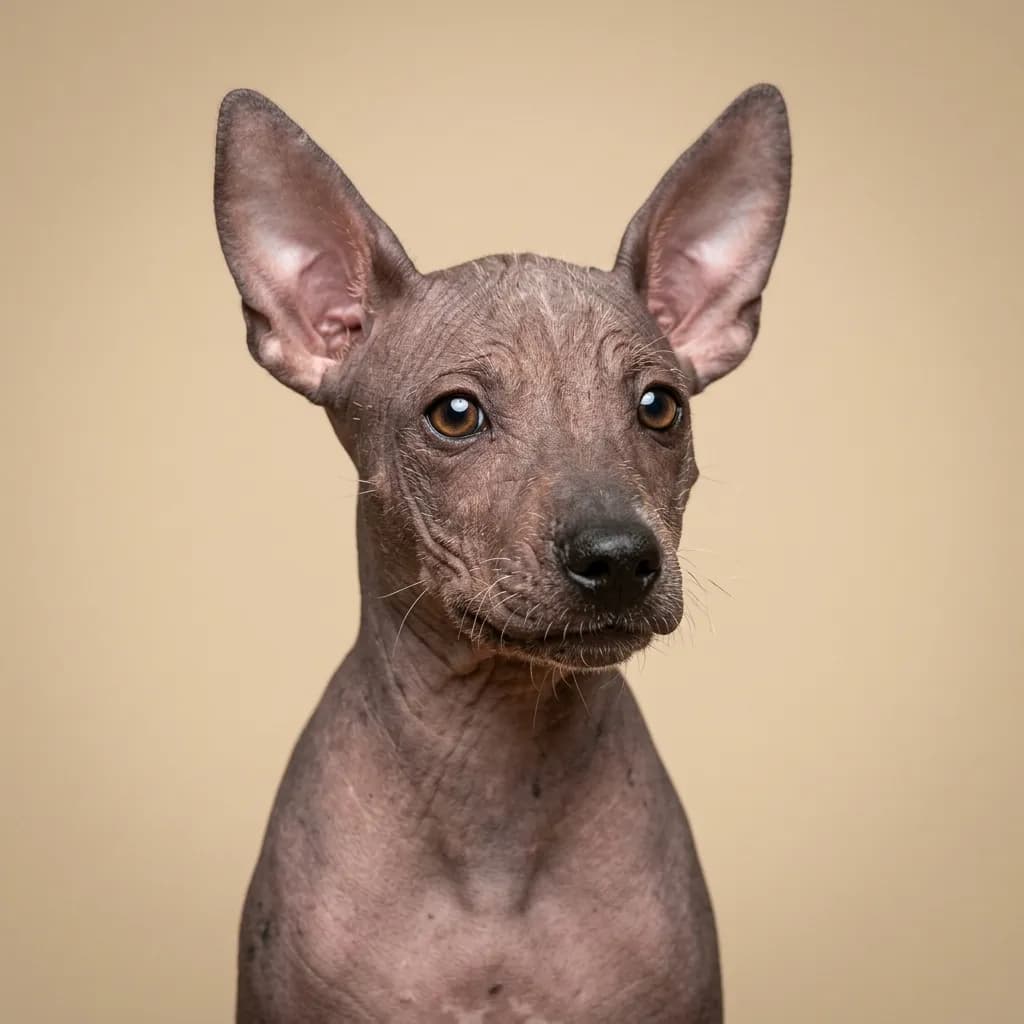
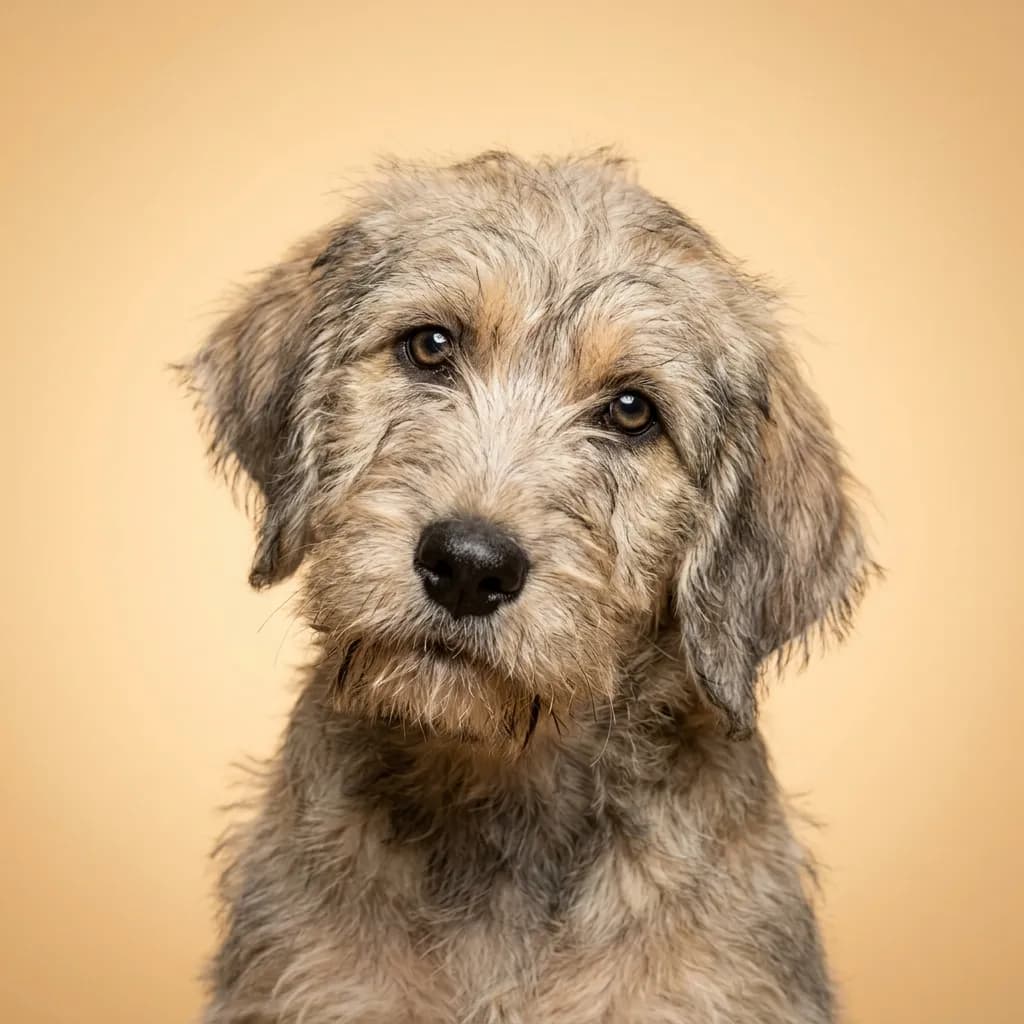
You probably wouldn’t think to compare a tiny, bald terrier from Louisiana bayous with a shaggy, 100-pound British otter hunter unless you’ve spent real time digging into rare breeds. But here’s why they come up together: both are unusual, both are friendly, and both promise something different than the usual golden or lab mix. That’s where the similarities end. The American Hairless Terrier is the nimble apartment companion who’ll learn tricks in an afternoon and curl up on your lap after. At 12 to 16 pounds, it’s built for life indoors. You’ll love its warmth and smarts, but don’t forget the sunscreen. this dog burns easy and needs protection even on cloudy days. It’s great with kids, quiet enough for neighbors, and a dream for allergy sufferers. The Otterhound? Imagine a mopped-up Saint Bernard with a passion for muddy riverbanks. It’s loud, it drools, it smells like wet dog and earth after a swim, and it will bay at anything that moves. It needs space, a job, and people who understand that “coming when called” isn’t really its thing. It’s affectionate, yes, but its idea of fun involves tracking scents for miles. Pick the Hairless Terrier if you want a trainable, low-shedding companion who fits city life. Choose the Otterhound only if you’ve got land, patience, and a soft spot for eccentric, independent hounds. Here’s the real talk: the Otterhound isn’t just rare, it’s nearly extinct. You’re not just buying a dog. you’re preserving a lineage. That’s not something you sign up for lightly.
Trait-by-trait
Higher bar = more of that trait. Shedding, barking, drooling, grooming flipped for readability.Where they diverge
Choose the American Hairless Terrier if…
- Allergy sufferers
- Apartment dwellers
- Active people
- You value good with young children — American Hairless Terrier scores noticeably higher.
Choose the Otterhound if…
- Active families
- Rural settings
- Outdoor and swimming enthusiasts
- You value drooling level — Otterhound scores higher here.