American Leopard Hound vs Bloodhound
Side-by-side comparison across all 14 AKC trait ratings, with a clear verdict on which breed fits which kind of household.
Not sure which breed fits your life?
Answer five questions about your home, your schedule, and your tolerance for shedding. We’ll match you to your top three breeds from over 200.
American Leopard Hound vs Bloodhound
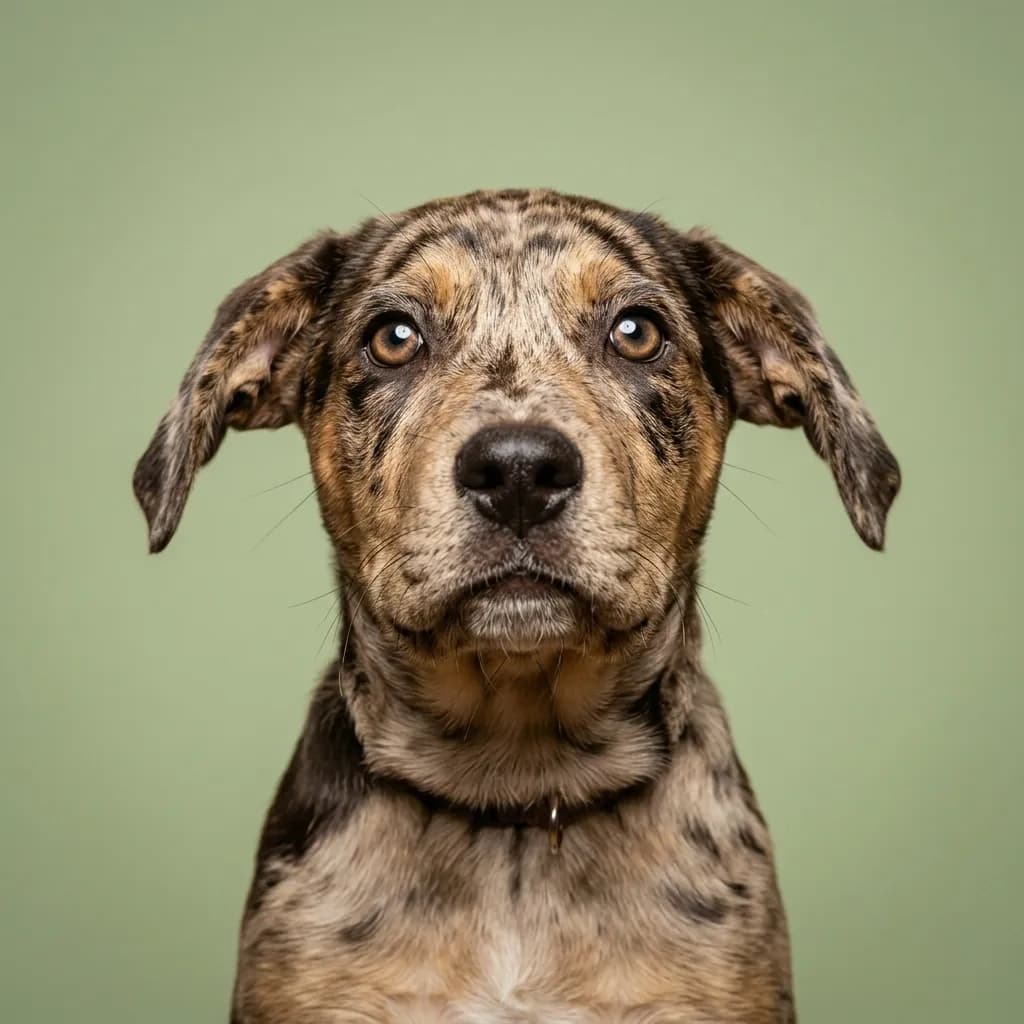
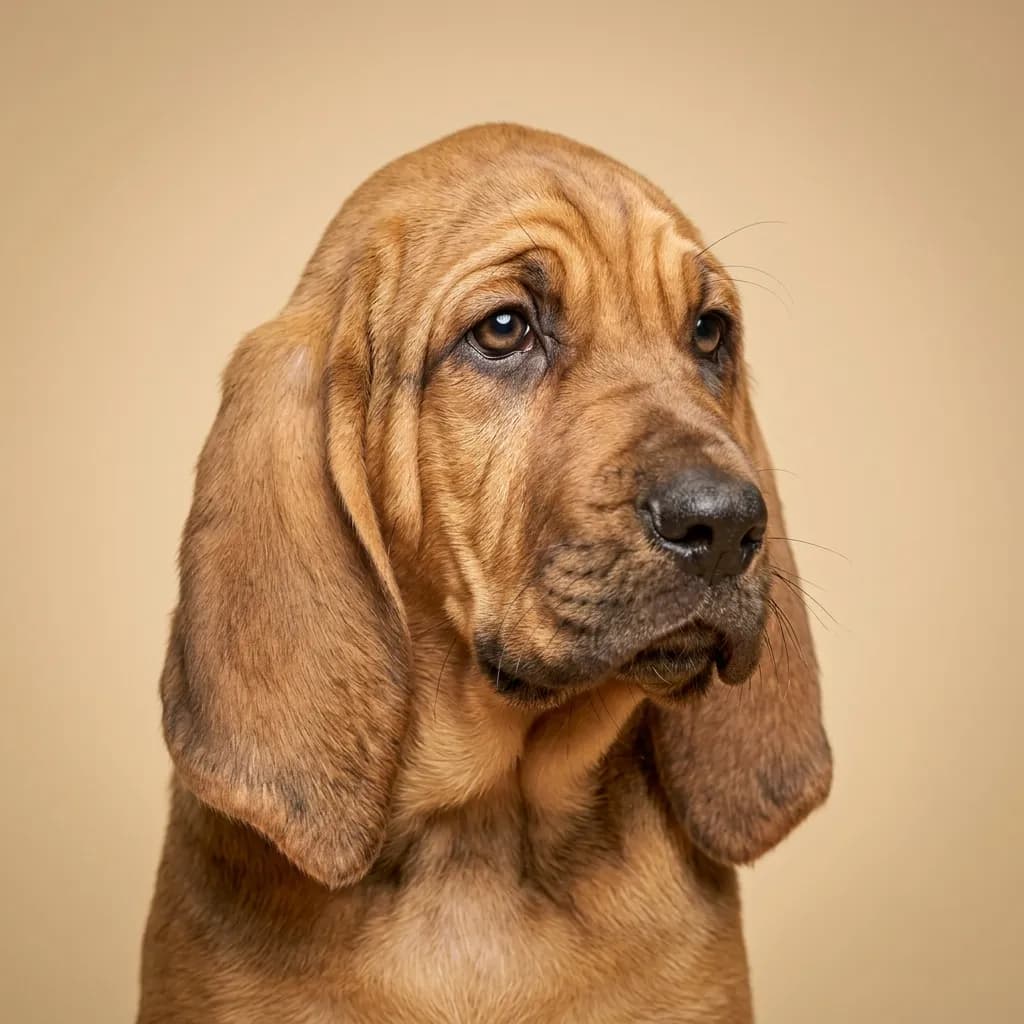
People toss these two breeds together because they’re both big, nose-driven hounds with that classic floppy-eared look. But if you’re standing in your driveway wondering which one actually fits your life, here’s the real story. The American Leopard Hound is a working partner. Think of a lean, agile athlete built for covering miles of rocky woods. It’s got energy to burn and thrives with hunters or active families on acreage. It’s great with kids, loves people, and will track anything that moves. so don’t expect it to ignore your neighbor’s cat. Training? It’s smart but independent. You’ll need consistency, not just treats. This dog isn’t built for city living or couch life. It needs space and purpose. The Bloodhound is built for one thing: scent. That massive head holds the most sensitive nose in the dog world. These dogs can follow a trail for days, which is why law enforcement and SAR teams rely on them. But that single-minded focus comes at a cost. They’re louder. deep baying that carries for miles. and they’re stubborn in a way that tries even experienced owners. They’re affectionate, yes, but their sheer size and tendency to drag you down the street mid-sniff make them a poor fit for homes without a secure yard. Here’s the insight no one talks about: the Leopard Hound bonds tightly to a family and wants to be part of your action. The Bloodhound loves you, sure, but it’s emotionally married to the scent trail. You’re almost secondary once the nose hits the ground. Choose the Leopard Hound if you want a versatile, family-friendly hunting companion. Choose the Bloodhound only if you’re ready for a scent-obsessed, drooly giant that answers to the wind.
Trait-by-trait
Higher bar = more of that trait. Shedding, barking, drooling, grooming flipped for readability.Where they diverge
Choose the American Leopard Hound if…
- hunters
- active rural families
- experienced hound owners
- You value good with young children — American Leopard Hound scores noticeably higher.
Choose the Bloodhound if…
- Active people
- Rural homes
- Hunters
- You value drooling level — Bloodhound scores higher here.