Anatolian Shepherd Dog vs Pumi
Side-by-side comparison across all 14 AKC trait ratings, with a clear verdict on which breed fits which kind of household.
Not sure which breed fits your life?
Answer five questions about your home, your schedule, and your tolerance for shedding. We’ll match you to your top three breeds from over 200.
Anatolian Shepherd Dog vs Pumi
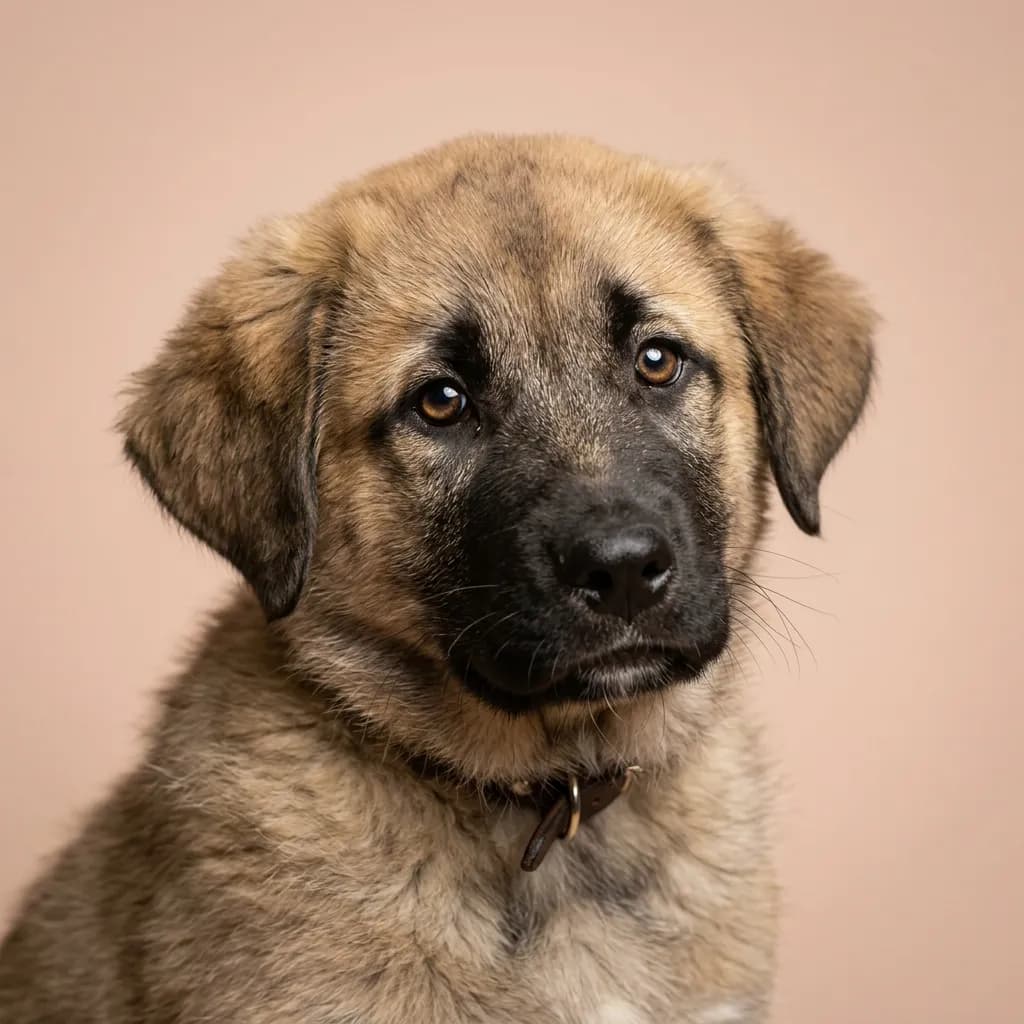
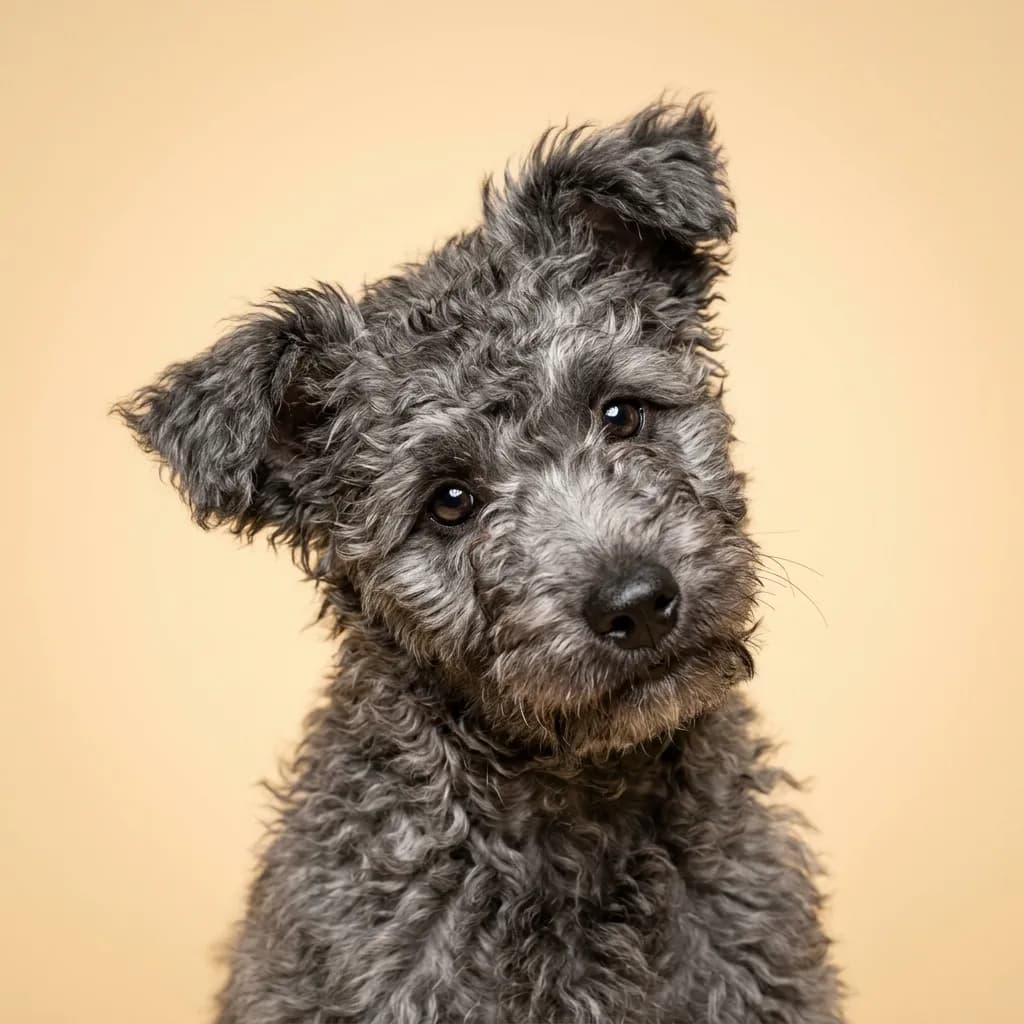
People compare the Anatolian Shepherd Dog and the Pumi because both are working breeds with strong instincts, but that’s where the similarities end. You’re not choosing between two points on the same spectrum. You’re picking between a mountain and a lightning bolt. The Anatolian is a massive, independent guardian bred to make life-or-death decisions alone on Turkish plateaus. He’s not looking to please you; he’s watching the horizon for threats. At 100 pounds or more, he’s built like a tank with a mind of his own. He won’t bark unless necessary, but when he does, it’s serious. He’s not cuddly, not overly playful, and he won’t fit in a small yard or city apartment. You need space, experience, and respect for his autonomy. He’s not a pet in the traditional sense. he’s more like a living fence with loyalty. The Pumi, meanwhile, is a spring wound tight. He’s under 30 pounds, with a curly coat and ears like satellite dishes. Bred to nip and bark sheep into formation, he thrives on activity and connection. He’ll learn tricks in minutes, compete in agility, and follow you from room to room just to be near. He wants to be included, challenged, and loved constantly. A sedentary home will drive him nuts. he’ll find his own jobs, like shredding the couch or barking at shadows. One shouldn’t own a Pumi unless they’re ready for a dog that needs a job. One shouldn’t own an Anatolian unless they’re ready to accept a dog that will ignore them. The real insight? The Anatolian teaches you to trust silence. The Pumi teaches you that some dogs don’t just want to live with you. they want to live through you. Pick based on whether you need protection from the world or a partner in it.
Trait-by-trait
Higher bar = more of that trait. Shedding, barking, drooling, grooming flipped for readability.Where they diverge
Choose the Anatolian Shepherd Dog if…
- Experienced owners
- Rural properties
- Livestock guardians
- You value shedding level — Anatolian Shepherd Dog scores noticeably higher.
Choose the Pumi if…
- Active owners
- Dog sports enthusiasts
- Experienced herding breed owners
- You value affectionate w/ family — Pumi scores higher here.