Appenzeller Sennenhund vs Irish Wolfhound
Side-by-side comparison across all 14 AKC trait ratings, with a clear verdict on which breed fits which kind of household.
Not sure which breed fits your life?
Answer five questions about your home, your schedule, and your tolerance for shedding. We’ll match you to your top three breeds from over 200.
Appenzeller Sennenhund vs Irish Wolfhound
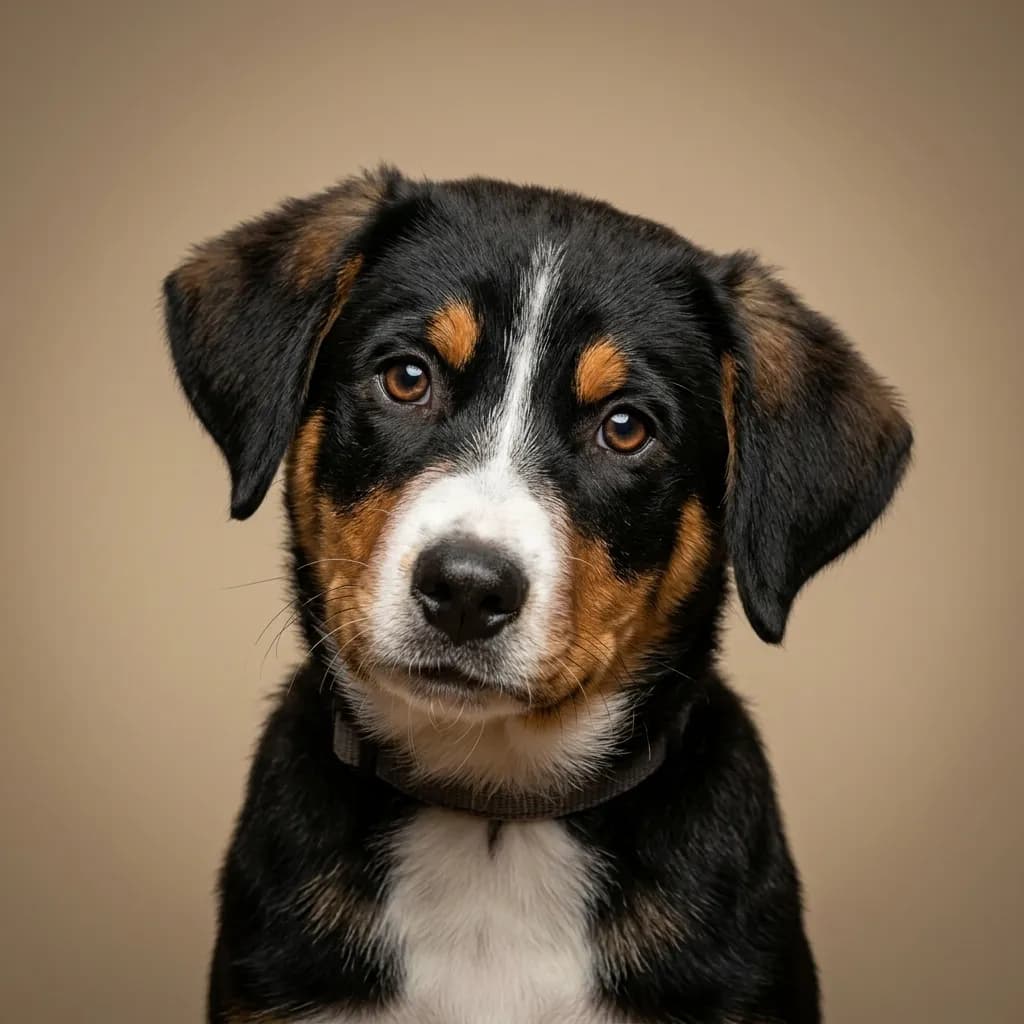
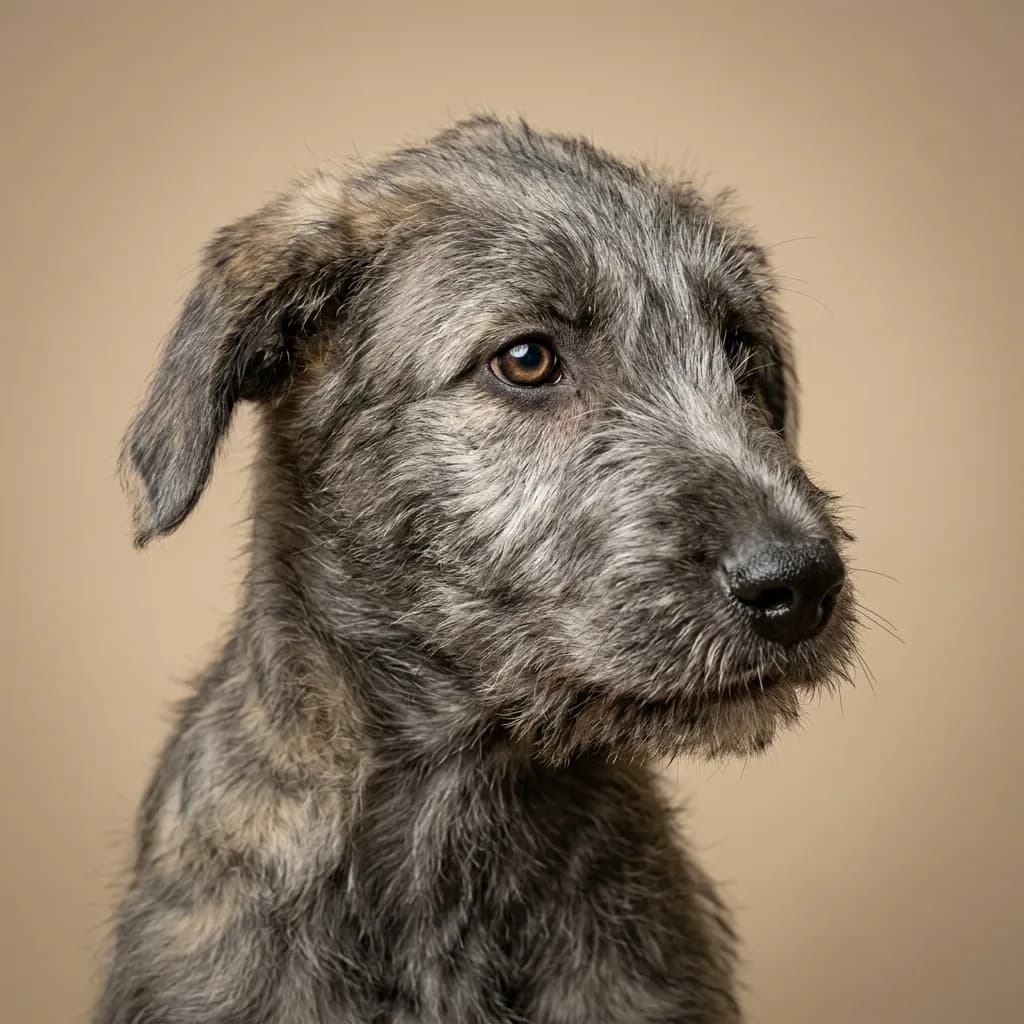
You’re not really comparing these two breeds unless you’ve already ruled out the obvious choices. Maybe you want a dog that stands out, something with history and presence, but you’re torn between the agile mountain herder and the gentle giant of Irish legend. The Appenzeller Sennenhund and Irish Wolfhound don’t share size, lifespan, or even the same century in terms of how they move through the world. The Appenzeller is the dog you’ll see nimbly herding goats on a steep alpine slope, then racing through an agility course on Saturday. At 50 to 70 pounds, he’s compact, alert, and always tuned in. He barks at changes. a delivery truck, a squirrel, your mood. He needs a job, even if it’s just advanced obedience, and he thrives with owners who speak dog fluently. First-timers, this isn’t your entry point. The Irish Wolfhound is a different kind of commitment. Picture a dog so large he rests his head on your shoulder, yet greets children with the gentleness of a library cat. He’s quiet, rarely barking, and surprisingly low-energy for his size. But his time with you is tragically short. 6 to 8 years is typical. You’ll likely outlive him by decades, and that’s the quiet truth no breeder brochure leads with. If you want a partner in activity, a dog that’ll grow with your skills in training or sports, the Appenzeller fits. If you want a noble, calm presence and have the space and resources to support a fragile giant, the Wolfhound may steal your heart. Here’s the real insight: the Appenzeller demands your time, but the Wolfhound demands your heart. knowing it won’t be yours for long.
Trait-by-trait
Higher bar = more of that trait. Shedding, barking, drooling, grooming flipped for readability.Where they diverge
Choose the Appenzeller Sennenhund if…
- active families
- experienced owners
- rural and farm settings
- You value barking level — Appenzeller Sennenhund scores noticeably higher.
Choose the Irish Wolfhound if…
- Families with space
- Gentle companion seekers
- Owners with large homes
- You value watchdog / protective — Irish Wolfhound scores higher here.