Australian Cattle Dog vs Bloodhound
Side-by-side comparison across all 14 AKC trait ratings, with a clear verdict on which breed fits which kind of household.
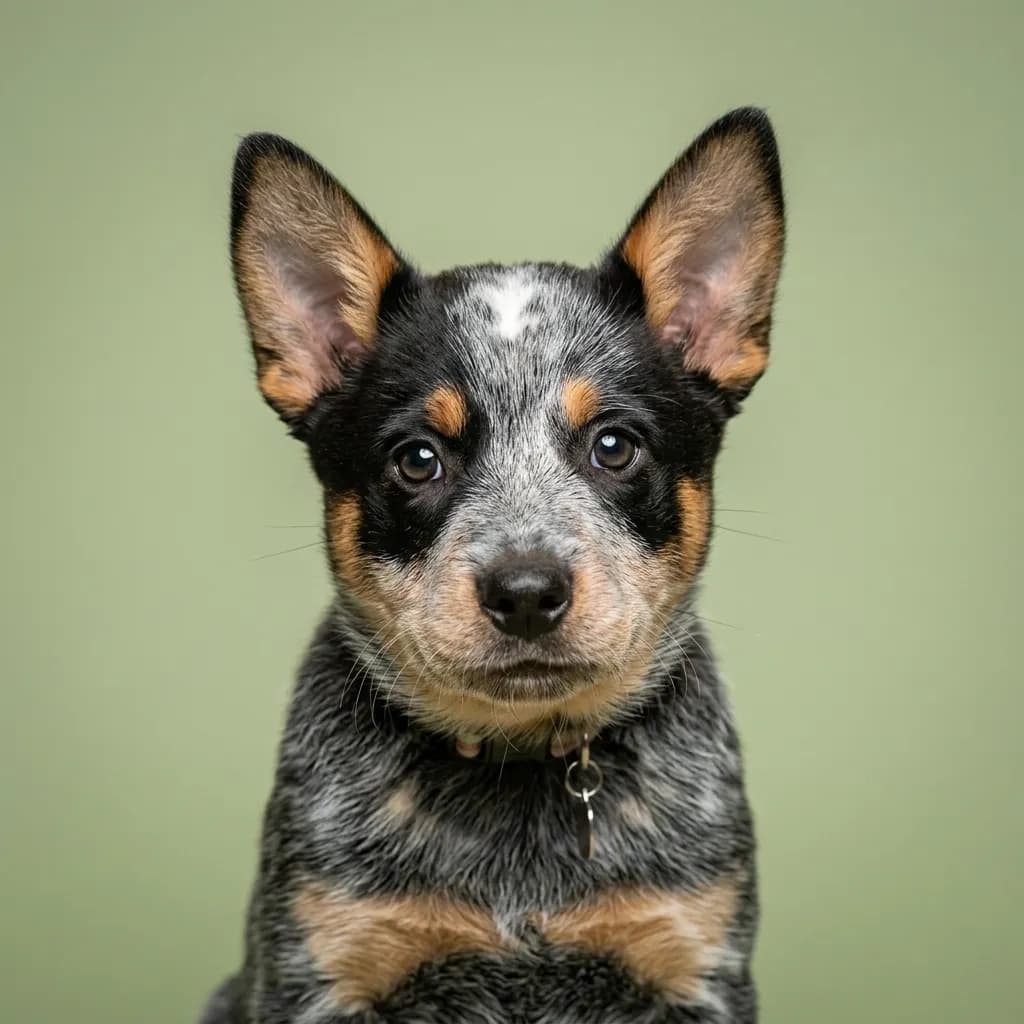
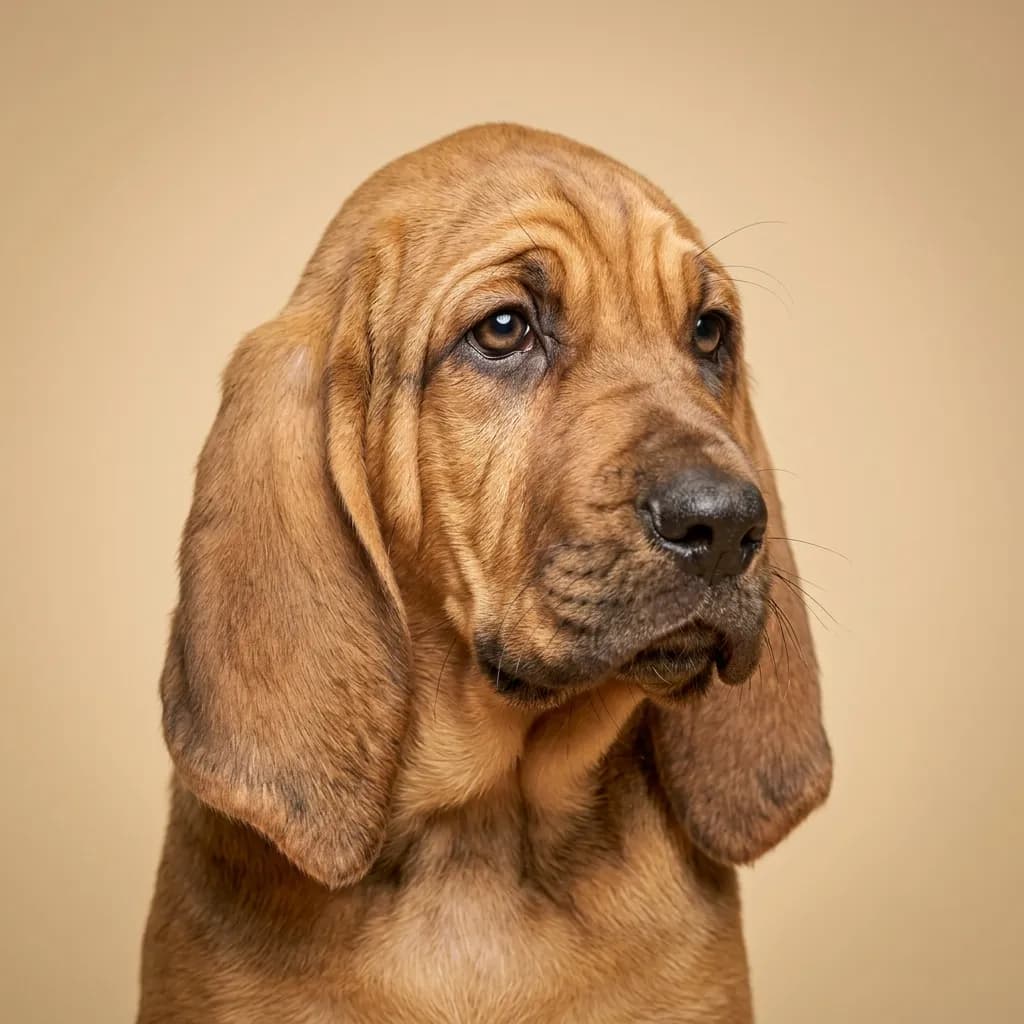
Not sure which breed fits your life?
Answer five questions about your home, your schedule, and your tolerance for shedding. We’ll match you to your top three breeds from over 200.
Australian Cattle Dog vs Bloodhound
People compare Australian Cattle Dogs and Bloodhounds because both are intense in their own ways. high-drive, single-minded, and absolutely not the dog you casually adopt because the kids want a pet. But that’s where the similarities end. One was built to move cattle across scorched Australian plains, the other to follow a human scent for 130 miles through forests and rivers. They’re both working machines, just built for entirely different jobs. If you’re an active person with time to burn, the Cattle Dog will match your energy and then some. This dog needs structure, mental puzzles, and physical challenges. Without them, it’ll start herding your toddlers or chewing through your baseboards. It’s loyal and sharp, but not naturally cuddly. You earn its affection through work. The Bloodhound, meanwhile, will lean into you like a warm sack of flour, drooling and sighing, radiating affection. But good luck calling it back once it catches a scent. That nose. 50 times more sensitive than a human’s. rules its brain. Recall is a suggestion, not a command. Apartment life? Neither will thrive, but the Bloodhound’s deep baying and sheer size make it a non-starter. You need space, a secure fence, and patience with drool, wrinkles, and ear infections. Here’s the real talk: both breeds demand experience. But the Cattle Dog punishes boredom. The Bloodhound punishes distraction. Pick the Cattle Dog if you want a partner in adventure who’ll learn agility or hike ridgelines with you. Pick the Bloodhound if you’re okay with a gentle, slobbery philosopher who’s always mentally somewhere else. following a scent trail only it can detect.
Trait-by-trait
Higher bar = more of that trait. Shedding, barking, drooling, grooming flipped for readability.Where they diverge
Choose the Australian Cattle Dog if…
- Active people
- Outdoor enthusiasts
- Experienced owners
- You value watchdog / protective — Australian Cattle Dog scores noticeably higher.
Choose the Bloodhound if…
- Active people
- Rural homes
- Hunters
- You value drooling level — Bloodhound scores higher here.