Basset Hound vs Bloodhound
Side-by-side comparison across all 14 AKC trait ratings, with a clear verdict on which breed fits which kind of household.
Not sure which breed fits your life?
Answer five questions about your home, your schedule, and your tolerance for shedding. We’ll match you to your top three breeds from over 200.
Basset Hound vs Bloodhound
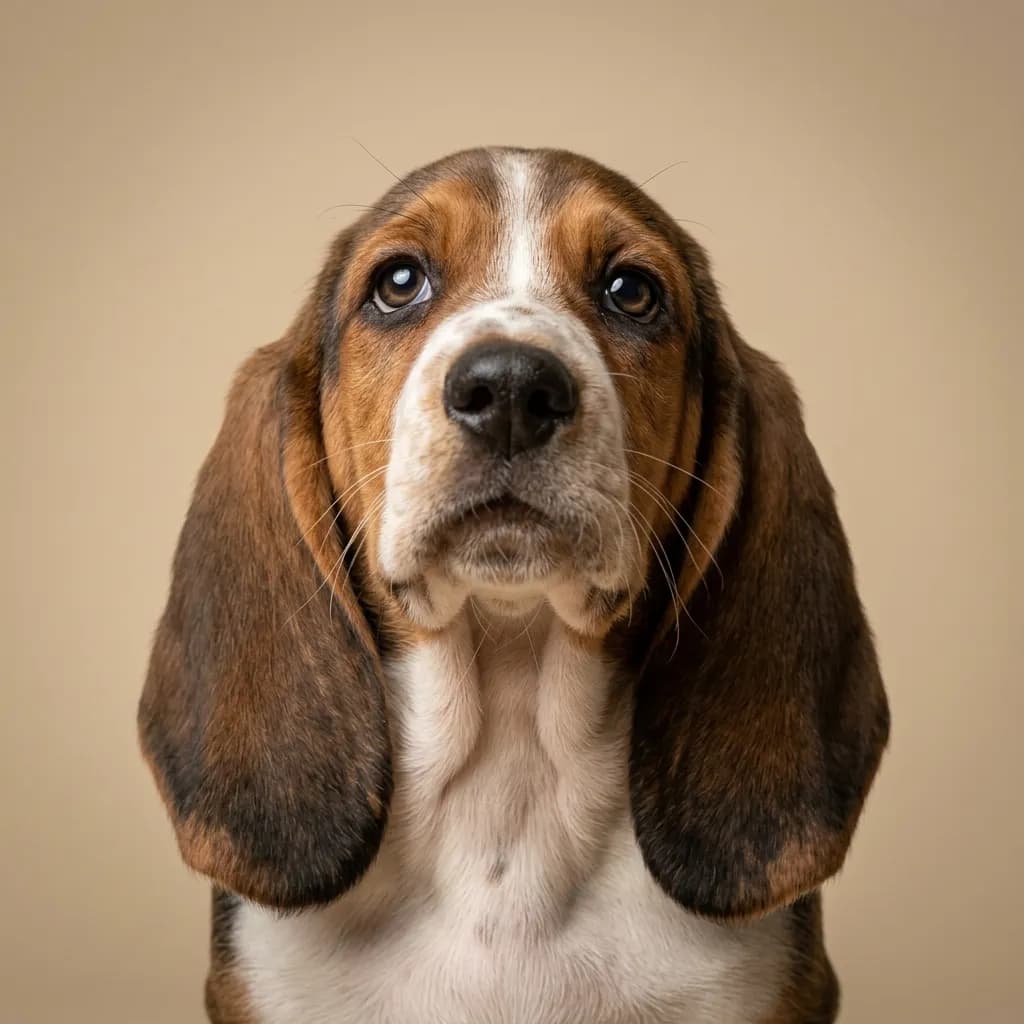
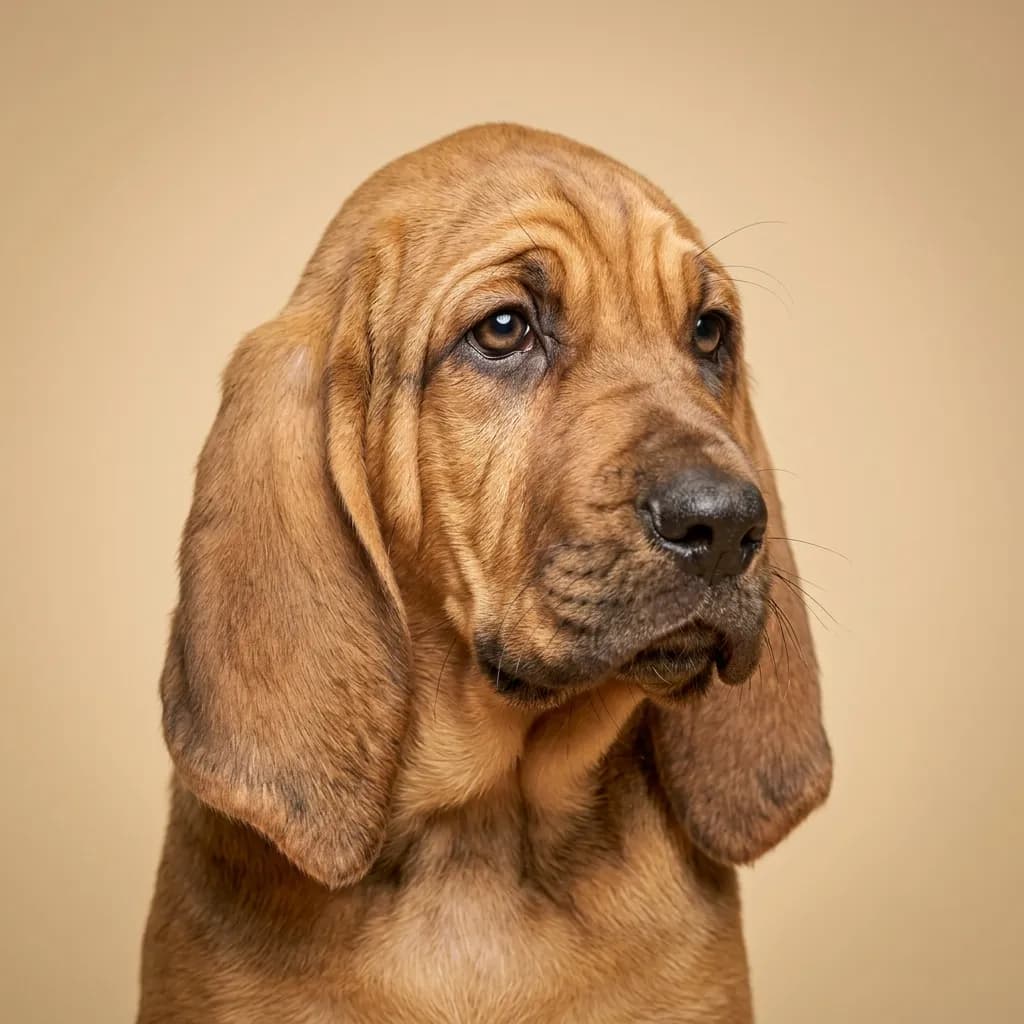
People compare Basset Hounds and Bloodhounds because they look like distant, droopy cousins. both low to the ground or draped in wrinkles, built for scent. But that’s where the family resemblance ends. If you’re choosing between them, you’re really deciding between a slow-moving, couch-loving family pet and a relentless, long-range scent machine. The Basset Hound is the laid-back neighbor who’s always up for a snack and a nap. At under 15 inches tall and under 65 pounds, they’re manageable in smaller spaces, as long as you’re okay with the baying. They’re patient with kids, love other pets, and won’t drag you on walks. But don’t expect lightning-fast recall. once they catch a whiff of something, they’re gone. Training takes patience, and you’ll need to guard against weight gain. Their shorter legs mean less joint strain, but those floppy ears still need cleaning. The Bloodhound is another beast entirely. Taller than most dogs at 23. 27 inches, and weighing up to 110 pounds, they’re built like scent tanks. Originally tracking humans over miles, they’ll follow a trail for hours, ignoring everything else. They’re more energetic, louder, and need space. fenced yards are non-negotiable. While affectionate, they’re less reliable with young kids simply because of their size and drive. Here’s the real talk: neither dog is truly “trainable” in the obedient sense. They’re scent hounds. Their nose rules their brain. The Basset is easier to live with in suburbia. The Bloodhound? You’re not really their owner. you’re more like their logistics coordinator. Pick the Basset if you want charm and calm. Pick the Bloodhound only if you’re ready for a full-time tracking partner who also happens to live in your house.
Trait-by-trait
Higher bar = more of that trait. Shedding, barking, drooling, grooming flipped for readability.Where they diverge
Choose the Basset Hound if…
- Families
- Apartment dwellers
- Seniors
- You value good with young children — Basset Hound scores noticeably higher.
Choose the Bloodhound if…
- Active people
- Rural homes
- Hunters
- You value affectionate w/ family — Bloodhound scores higher here.