Belgian Laekenois vs Samoyed
Side-by-side comparison across all 14 AKC trait ratings, with a clear verdict on which breed fits which kind of household.

Not sure which breed fits your life?
Answer five questions about your home, your schedule, and your tolerance for shedding. We’ll match you to your top three breeds from over 200.
Belgian Laekenois vs Samoyed
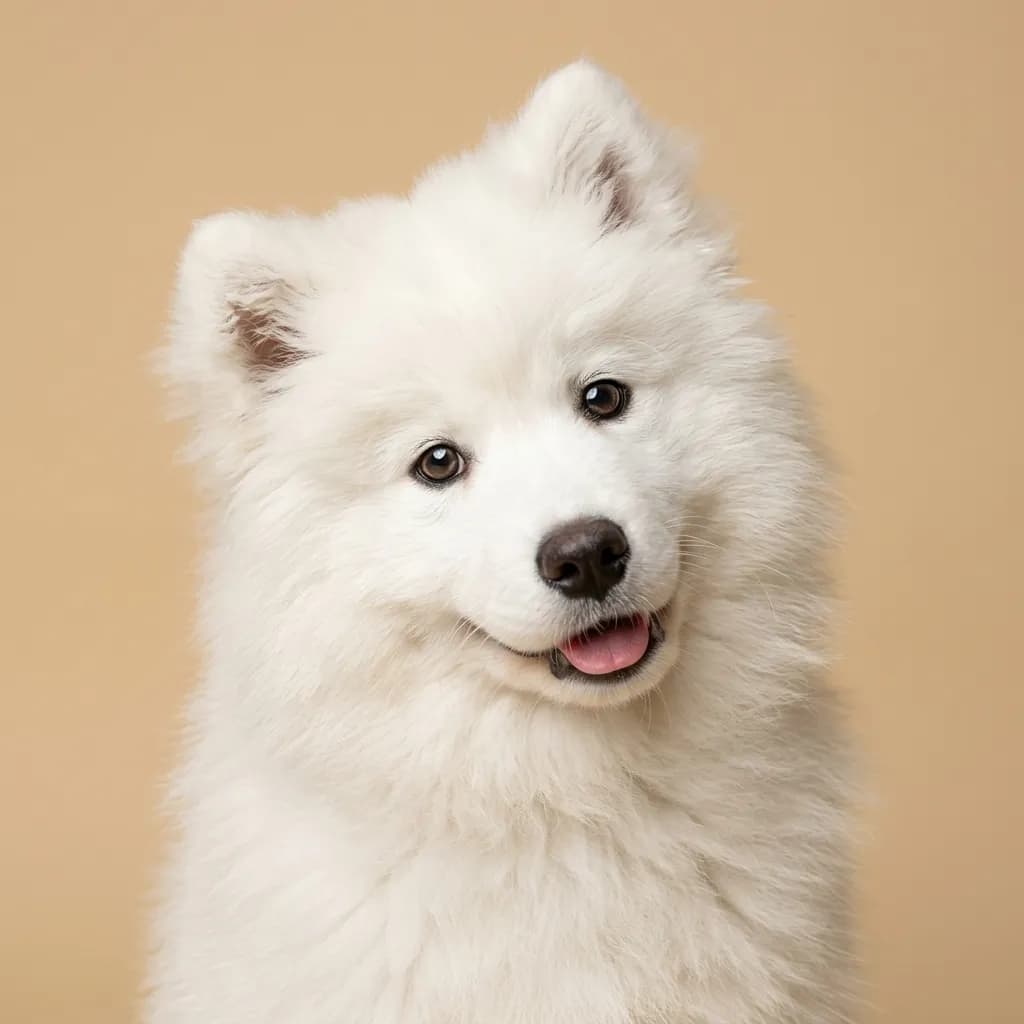
People compare the Belgian Laekenois and the Samoyed because they’re both medium to large, fluffy, working dogs with alert eyes and a certain wild beauty. But that’s where the surface similarities end. One’s a lean, wiry-coated herder from Belgium built for precision and purpose, the other a snow-proof, smiling companion from Siberia bred to thrive in Arctic winds and keep humans company. The Laekenois is intense. It’s not loud like a Samoyed but it’s always watching, thinking, responding. This dog needs a job, whether that’s agility, tracking, or advanced obedience. It bonds fiercely with its person and thrives under consistent, experienced handling. If you’re a first-time owner or want a laid-back couch buddy, this isn’t your breed. It’s also rare. fewer than 300 in the U.S.. so finding a reputable breeder is tough and expensive. The Samoyed, meanwhile, is built for connection. It barks. often, proudly. and sheds a shocking amount, especially in warmer months. But its gentle, goofy nature makes it a favorite in active families. It’s adaptable to city or country living, as long as it gets daily exercise and isn’t left alone too long. That iconic smile isn’t just for show; this dog genuinely wants to be part of everything you’re doing. Here’s the real difference: the Laekenois respects you as a leader. The Samoyed loves you like you’re the only person in the world. Choose the Laekenois if you want a driven, trainable partner who’ll work beside you. Choose the Samoyed if you want a loyal, social companion who’ll remind you daily that joy is contagious. even when it’s 80 degrees and you’re covered in white fur.
Trait-by-trait
Higher bar = more of that trait. Shedding, barking, drooling, grooming flipped for readability.Where they diverge
Choose the Belgian Laekenois if…
- Experienced owners
- Active people
- Working roles
- You value trainability — Belgian Laekenois scores noticeably higher.
Choose the Samoyed if…
- Active families
- Cold climate households
- Dog sports enthusiasts
- You value good with young children — Samoyed scores higher here.