Belgian Laekenois vs Slovensky Cuvac
Side-by-side comparison across all 14 AKC trait ratings, with a clear verdict on which breed fits which kind of household.
Not sure which breed fits your life?
Answer five questions about your home, your schedule, and your tolerance for shedding. We’ll match you to your top three breeds from over 200.
Belgian Laekenois vs Slovensky Cuvac
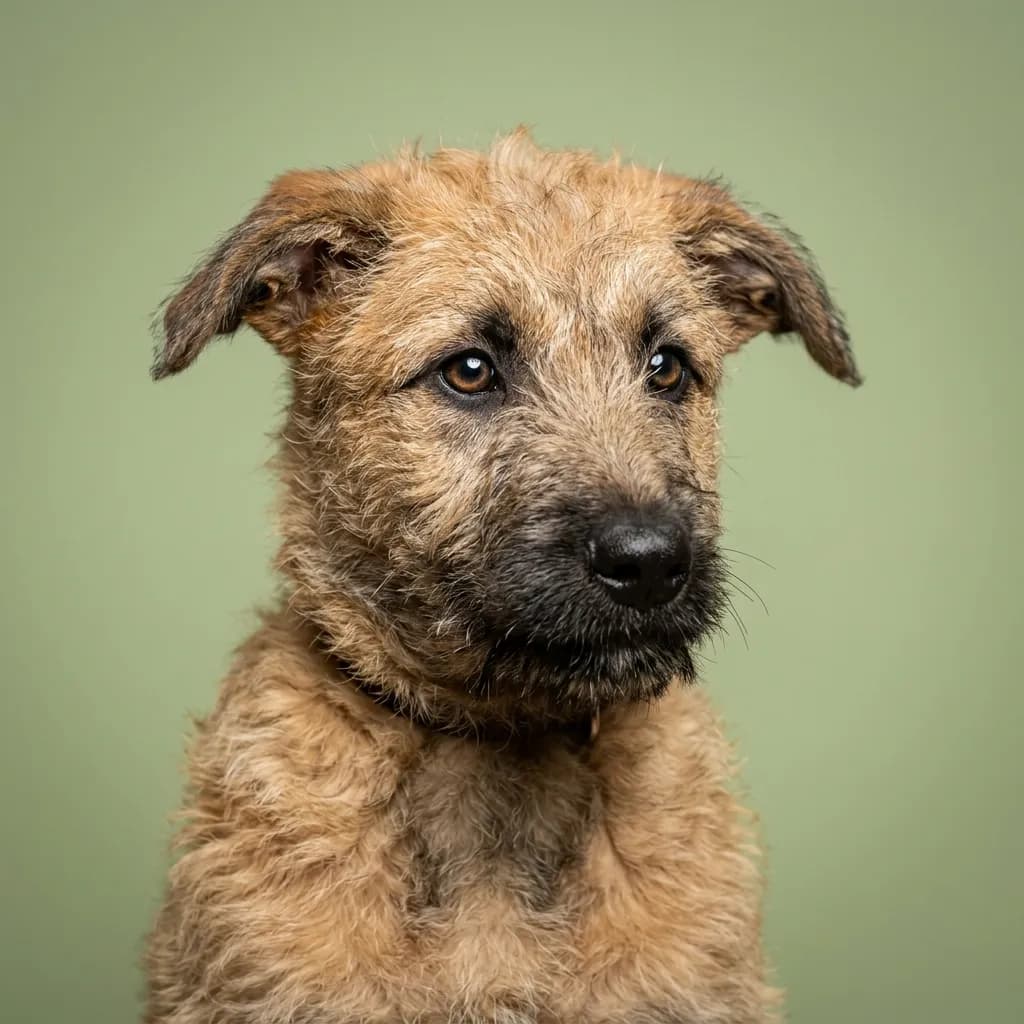
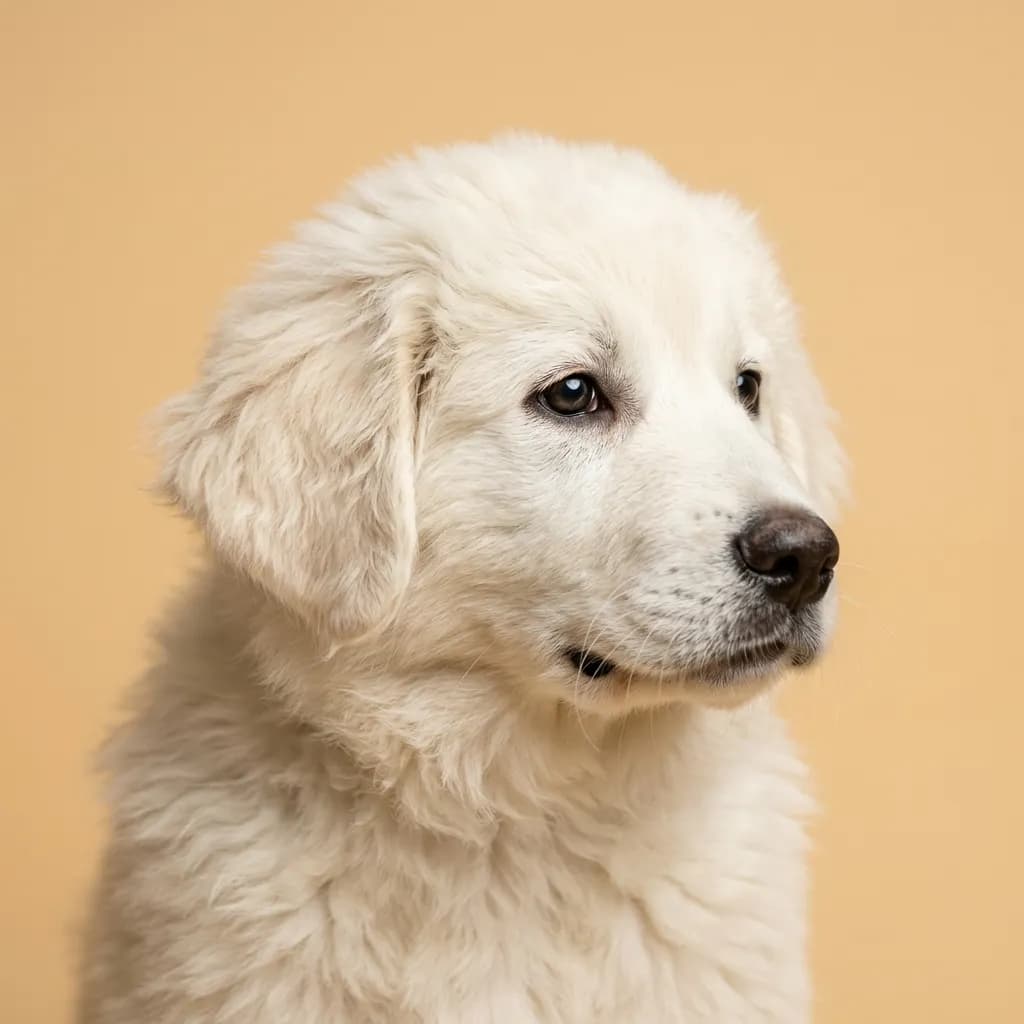
You’re not actually choosing between these two dogs because they look alike. because they don’t. You’re comparing them because both are rare, working-bred, and sound like something out of a fantasy novel. Maybe you love underdog breeds or want a dog that does a job, not just sits on a couch. But here’s where the paths split hard. The Belgian Laekenois is the thinker and athlete. At 60 pounds, he’s lean, wiry, always tuned in. He was designed to move sheep and watch laundry. yes, really. but what that means today is a dog who needs a job, a sport, or a project. He’ll learn fast, work harder, and bond tightly. But he won’t adapt to a lazy routine or a studio apartment. He’s not for the first-time owner because he’ll outsmart you by week three. The Slovensky Cuvac is a mountain ghost. Massive, white, thick-coated, built like a fortress. He’s not quick to train or eager to please. He’s independent by design. bred to make his own decisions guarding flocks in the Carpathians. He’s calm around home but deeply suspicious of strangers. He needs space, cold weather, and a purpose. His silence is a feature. he barks little. but that coat? It sheds heavily twice a year like a snowstorm in July. Pick the Laekenois if you want a partner in agility, tracking, or just intense daily engagement. Pick the Cuvac if you have land, livestock, and value quiet vigilance over obedience. Here’s the real talk: the Laekenois will try to run your life, but the Cuvac will ignore you unless he thinks you’re in danger. One wants to work with you, the other wants to protect you. from a slight distance. Know which relationship you’re ready for.
Trait-by-trait
Higher bar = more of that trait. Shedding, barking, drooling, grooming flipped for readability.Where they diverge
Choose the Belgian Laekenois if…
- Experienced owners
- Active people
- Working roles
- You value trainability — Belgian Laekenois scores noticeably higher.
Choose the Slovensky Cuvac if…
- experienced large-breed owners
- farms and large properties
- cold climates
- You value drooling level — Slovensky Cuvac scores higher here.