American Foxhound vs Slovensky Cuvac
Side-by-side comparison across all 14 AKC trait ratings, with a clear verdict on which breed fits which kind of household.

Not sure which breed fits your life?
Answer five questions about your home, your schedule, and your tolerance for shedding. We’ll match you to your top three breeds from over 200.
American Foxhound vs Slovensky Cuvac
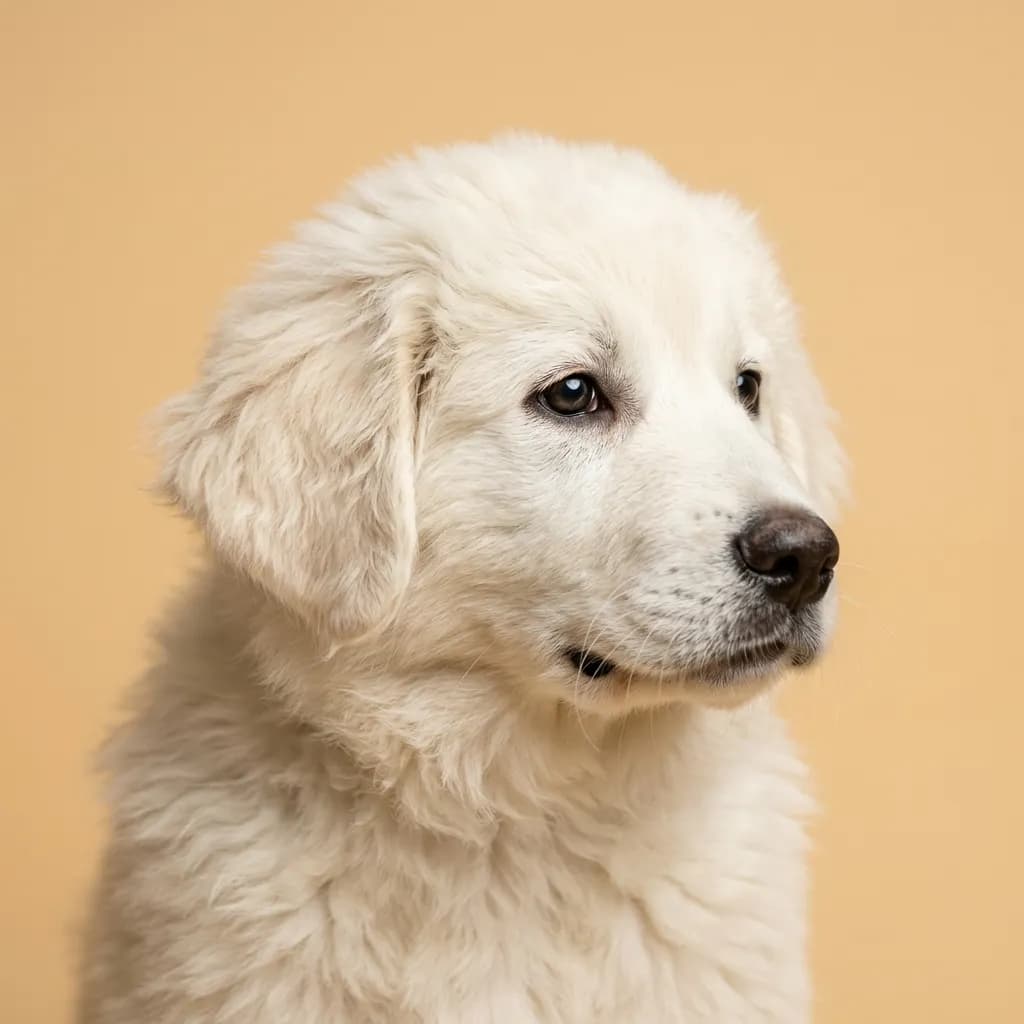
People compare the American Foxhound and Slovensky Cuvac because both are large, white, and relatively rare. but that’s where the similarities end. One’s built for speed and open country, the other for power and guarding in harsh mountain winters. If you’re torn between them, you’re really deciding between motion and stillness, voice and silence, pack energy versus solo vigilance. The American Foxhound is a lean, lanky athlete bred to run for miles alongside horseback riders, baying loudly to signal the chase. These dogs thrive in rural homes with acres of space and owners who love outdoor adventure. They’re sweet and great with kids, but don’t expect them to notice you’re home. They’re independent, vocal. like, constantly. and need serious exercise. Apartments? Forget it. First-time owners? They’ll be frustrated by the lack of eagerness to please. The Slovensky Cuvac, on the other hand, is a thick-coated, dignified guardian bred to protect sheep in the Carpathians. Calm and deeply loyal, they’re not barkers, which surprises people. But they’re intensely territorial and reserved with strangers. They need experienced handling, early socialization, and cold climates suit them best. Their double coat sheds heavily, and they’re prone to bloat. so feed in portions, not free-choice. Here’s the real insight: the Foxhound wants to run with a pack; the Cuvac wants to be the pack leader. One follows a scent without looking back. The other stands still, scanning the horizon, deciding if the world is safe. Choose the Foxhound if your life moves. Choose the Cuvac if you need something immovable.
Trait-by-trait
Higher bar = more of that trait. Shedding, barking, drooling, grooming flipped for readability.Where they diverge
Choose the American Foxhound if…
- Active people
- Rural homes
- Hunters
- You value barking level — American Foxhound scores noticeably higher.
Choose the Slovensky Cuvac if…
- experienced large-breed owners
- farms and large properties
- cold climates
- You value drooling level — Slovensky Cuvac scores higher here.