Belgian Sheepdog vs Scottish Deerhound
Side-by-side comparison across all 14 AKC trait ratings, with a clear verdict on which breed fits which kind of household.
Not sure which breed fits your life?
Answer five questions about your home, your schedule, and your tolerance for shedding. We’ll match you to your top three breeds from over 200.
Belgian Sheepdog vs Scottish Deerhound
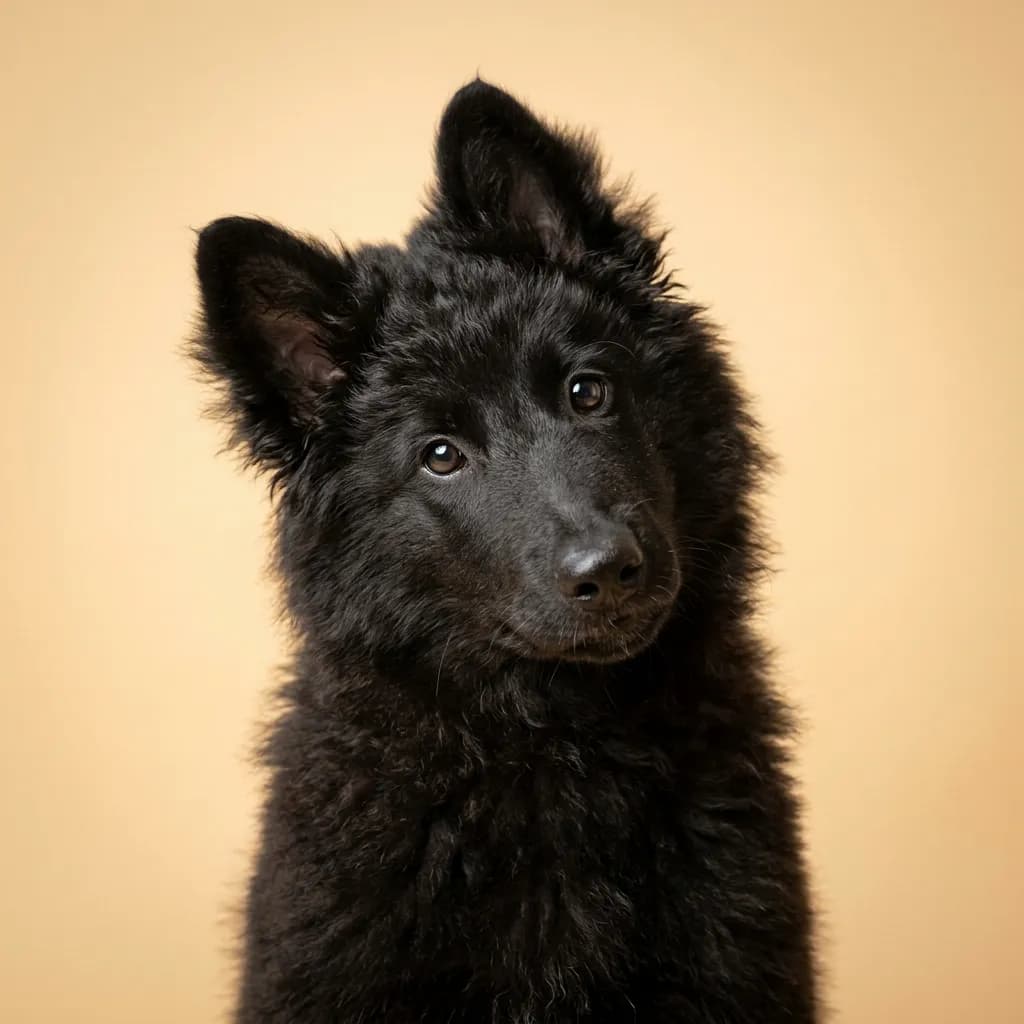
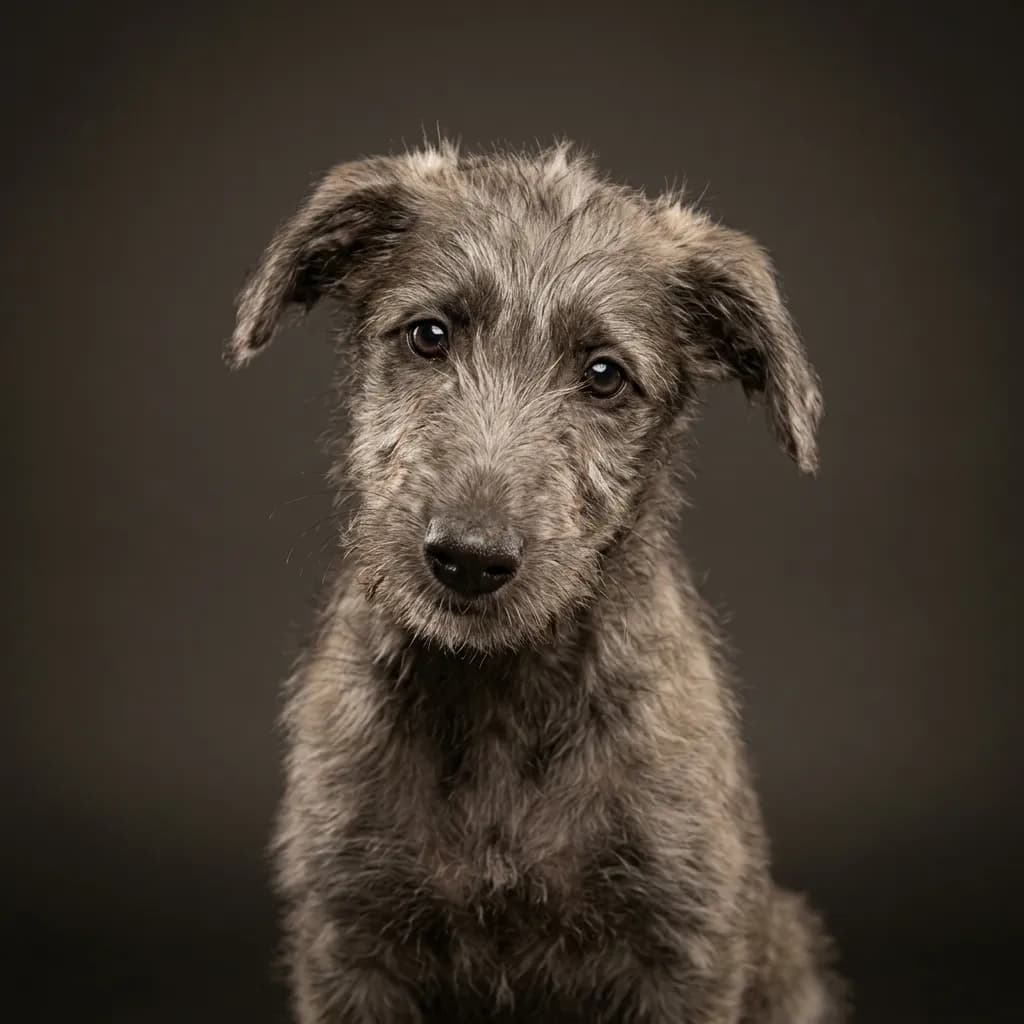
You don't see many people cross-shopping a Belgian Sheepdog and a Scottish Deerhound, but it happens. usually someone enchanted by big, noble-looking dogs with long coats and a job to do. Both are striking, both need space, and both come with serious owner prerequisites. But that’s where the similarities end. The Belgian Sheepdog is all coiled energy and intent. Think of a laser-focused athlete who also happens to live in your house. These dogs thrive on work. herding, agility, obedience. and they bond tightly with handlers who can keep up. They're smart as tools but not always kid-friendly by default, and they’ll patrol your property like it’s their personal mission. You don’t own a Belgian Sheepdog; you partner with it. The Scottish Deerhound is the opposite kind of intense. Picture a 110-pound gentle giant that sprints like the wind but naps like a retired poet. Bred to chase deer across rugged Highlands, they’re surprisingly quiet indoors, hardly bark, and melt into your side with deep, quiet affection. But they’re not trainable in the Belgian sense. You can’t force a Deerhound to care about your rules. they’ll politely ignore you. And their hearts are fragile, literally. A lifespan of 8 to 11 years is the reality of loving a giant. Choose the Belgian if you want a responsive, driven dog who’ll excel in sport or work. Choose the Deerhound if you want a dignified companion who moves like royalty and loves deeply. but be ready to lose him too soon. Here’s the truth no breeder will lead with: the Belgian will exhaust you. The Deerhound will break your heart.
Trait-by-trait
Higher bar = more of that trait. Shedding, barking, drooling, grooming flipped for readability.Where they diverge
Choose the Belgian Sheepdog if…
- Active people
- Experienced owners
- Dog sports enthusiasts
- You value trainability — Belgian Sheepdog scores noticeably higher.
Choose the Scottish Deerhound if…
- Active owners with spacious homes
- Those wanting a gentle giant
- Experienced sighthound owners
- You value affectionate w/ family — Scottish Deerhound scores higher here.