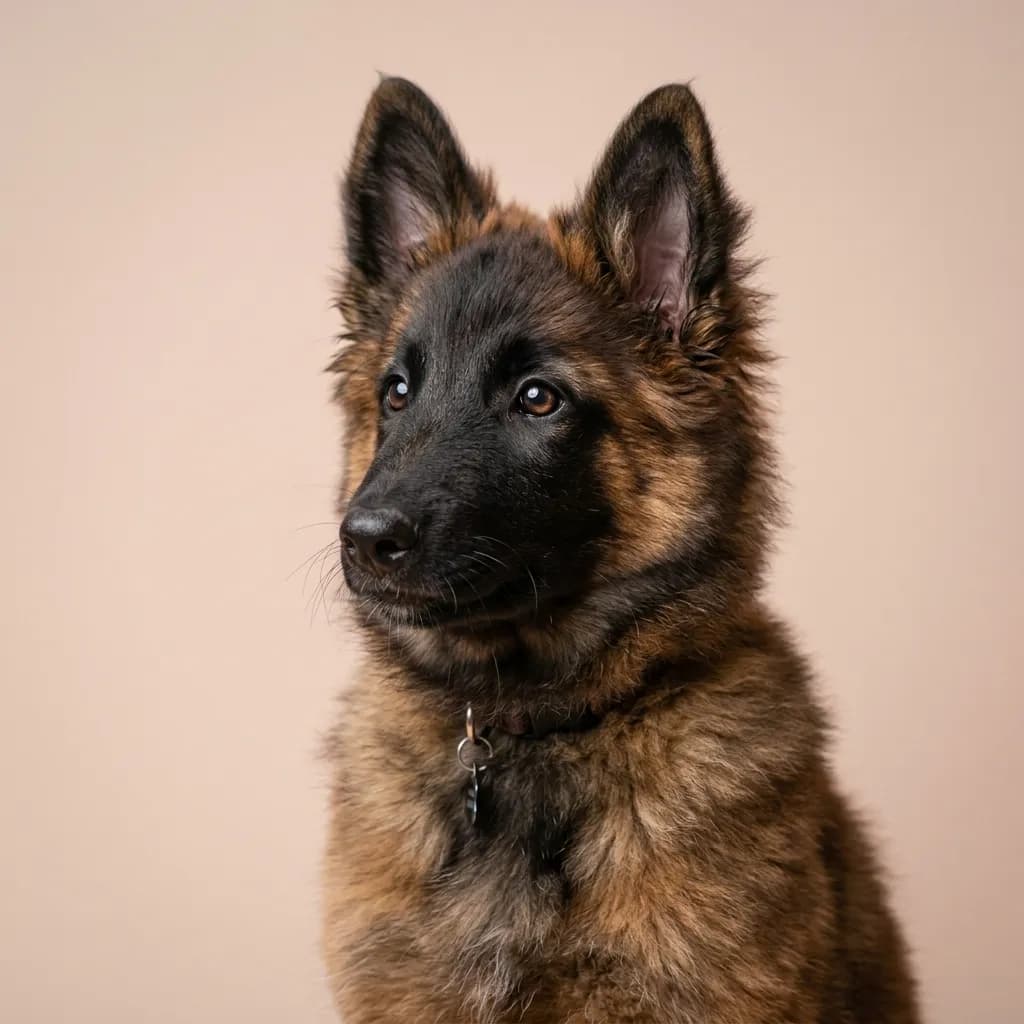
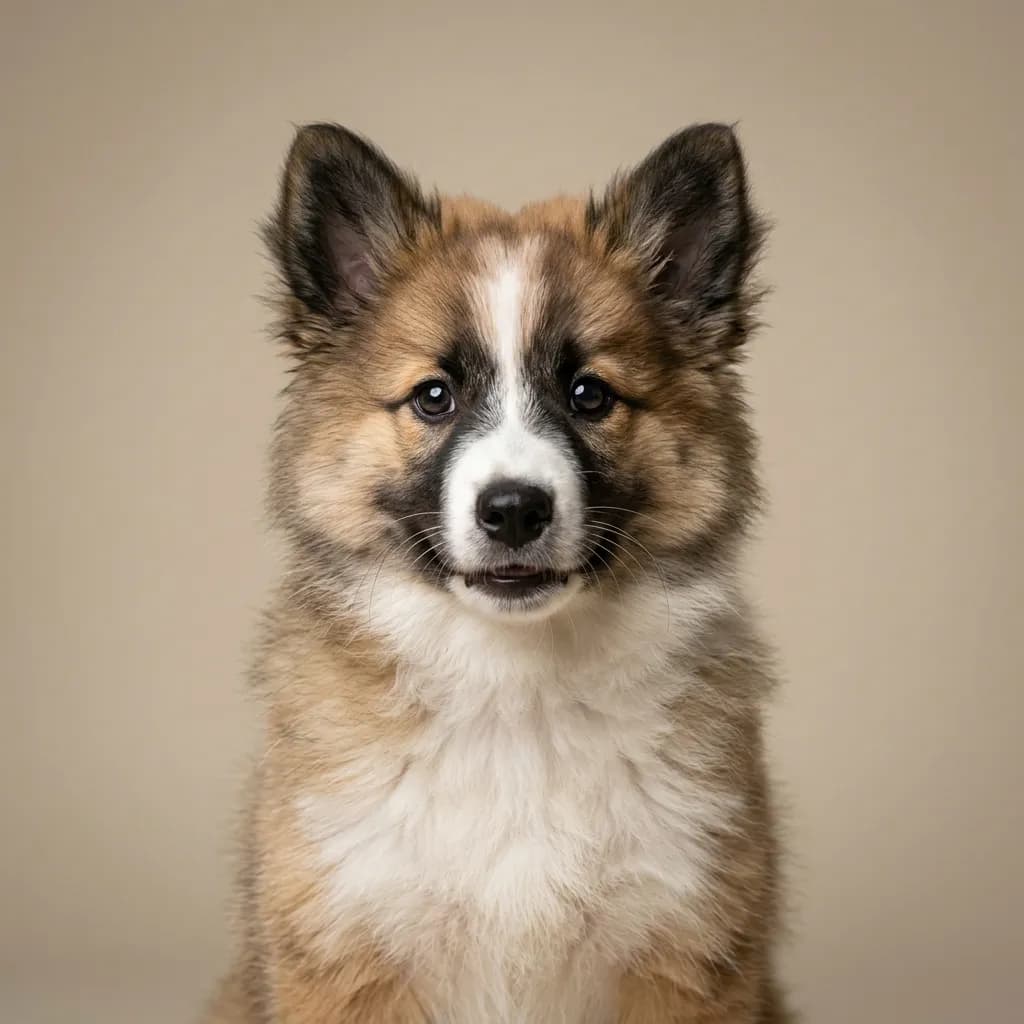
Belgian Tervuren vs Icelandic Sheepdog
Side-by-side comparison across all 14 AKC trait ratings, with a clear verdict on which breed fits which kind of household.
Not sure which breed fits your life?
Answer five questions about your home, your schedule, and your tolerance for shedding. We’ll match you to your top three breeds from over 200.
Belgian Tervuren vs Icelandic Sheepdog
People compare Belgian Tervurens and Icelandic Sheepdogs because both are herding breeds with big personalities and a lot of fluff, but that’s where the similarities mostly end. You’re not just choosing between big and small here. you’re picking two entirely different kinds of energy. The Tervuren is the intense, focused athlete. At 75 pounds and built for work, this dog needs a job, preferably something like agility, tracking, or advanced obedience. They’re brilliant and eager to please, but their intelligence comes with a side of sensitivity. They bond deeply with their people, but they’re not as naturally outgoing with strangers or kids. If you’re a first-time owner or want a laid-back couch buddy, this isn’t your breed. They thrive with experienced handlers who can meet their mental and physical demands. The Icelandic Sheepdog, on the other hand, is the cheerful greeter with a spring in its step. At 30 pounds, they’re half the size but double the sparkle. They’re silly, affectionate, and absolutely love kids. They’re still energetic and need mental stimulation, but their joy is more inclusive. They adapt better to different homes, as long as you can give them daily movement and cold weather to thrive in. Here’s the real talk: the Tervuren will follow you around like a shadow, watching, waiting, needing purpose. The Icelandic Sheepdog will bark at the mailman, then invite him in for a game. If you want a co-partner in precision work, go Tervuren. If you want a warm, bouncy family presence that still loves to learn, go Icelandic. One breeds loyalty, the other breeds laughter. Pick based on which kind of heartbeat you want in your home.
Trait-by-trait
Higher bar = more of that trait. Shedding, barking, drooling, grooming flipped for readability.Where they diverge
Choose the Belgian Tervuren if…
- Active people
- Experienced owners
- Dog sports enthusiasts
Choose the Icelandic Sheepdog if…
- Active families
- Cold climates
- Families with children
- You value affectionate w/ family — Icelandic Sheepdog scores higher here.