Bichon Frise vs Chesapeake Bay Retriever
Side-by-side comparison across all 14 AKC trait ratings, with a clear verdict on which breed fits which kind of household.

Not sure which breed fits your life?
Answer five questions about your home, your schedule, and your tolerance for shedding. We’ll match you to your top three breeds from over 200.
Bichon Frise vs Chesapeake Bay Retriever
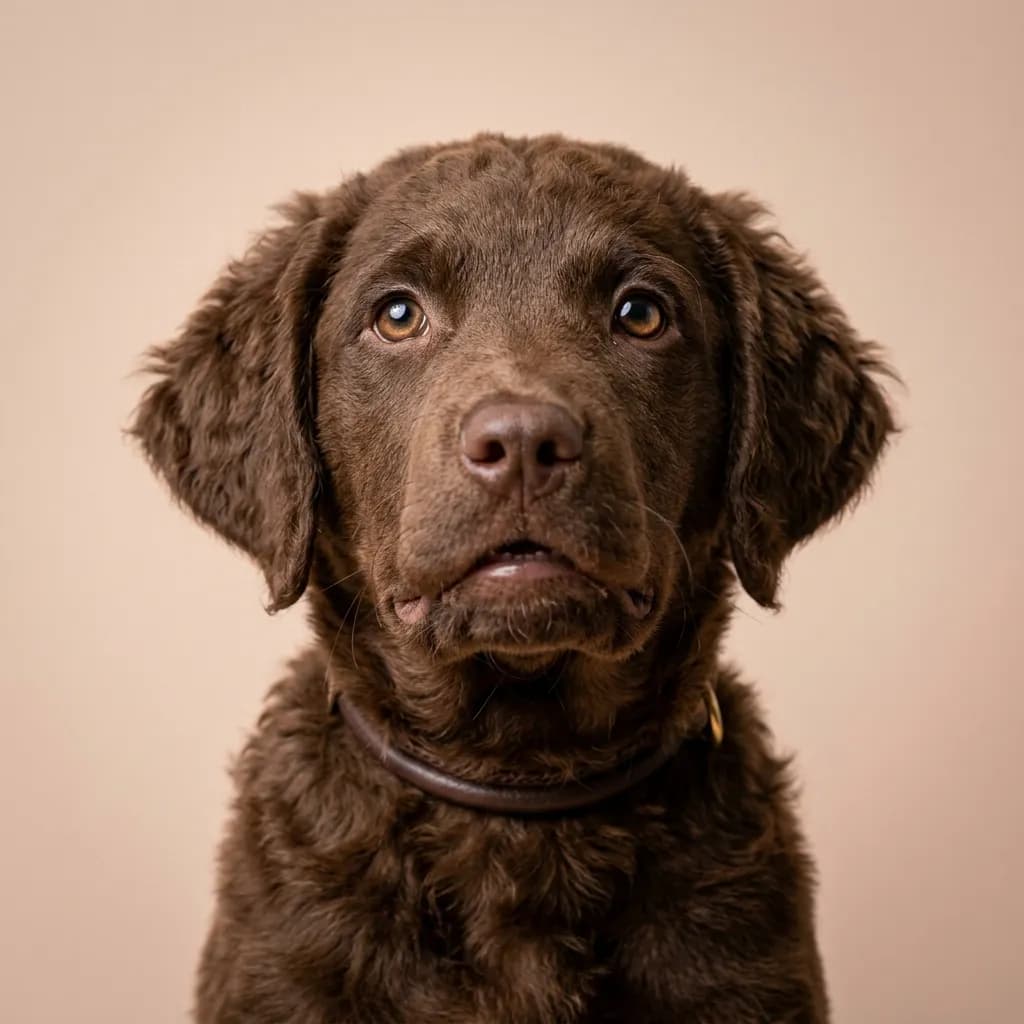
You don’t see a Bichon Frise and a Chessie side by side at the dog park every day, but people compare them because both are affectionate, bouncy, and love being part of the family. The truth? They’re solving completely different problems. One was bred to charm nobles in a palace lap, the other to haul ducks from icy surf before breakfast. The Bichon is your cheerful, low-ground-clearance cloud of joy. At under 20 pounds, he fits in a tote bag and thrives in apartments, especially if you’re home a lot. He’s patient with kids, adores attention, and hardly sheds. great if you’re allergic or hate lint rollers. But don’t be fooled by the fluff. This dog needs grooming every 4 to 6 weeks, not just for looks but for skin health. Skip it, and you’ll have mats and misery by month two. He’s also the kind of dog that pines when left alone too long. If you travel for work, he’s not your guy. The Chessie? He’s a 70-pound force of nature built for action. Double coat, webbed feet, and a nose like a bloodhound. he lives for water, wind, and work. He’s loyal and loving with his family but more reserved around strangers and can be bossy with kids if not trained early. He needs space, daily vigorous exercise, and a job. even if it’s just fetch in a lake. He sheds moderately and smells like wet dog after rain, so keep a towel by the door. Here’s the real insight: the Bichon wants to be your emotional support animal whether you asked for one or not. The Chessie wants to be your partner. Pick the Bichon if you want constant company and don’t mind the grooming bills. Pick the Chessie if you’re active, experienced, and ready for a dog that’s as tough as he is loyal.
Trait-by-trait
Higher bar = more of that trait. Shedding, barking, drooling, grooming flipped for readability.Where they diverge
Choose the Bichon Frise if…
- Apartments
- Seniors
- Families
- You value good with young children — Bichon Frise scores noticeably higher.
Choose the Chesapeake Bay Retriever if…
- Active families
- Hunters and waterfowlers
- Cold and wet climate owners
- You value shedding level — Chesapeake Bay Retriever scores higher here.