Bloodhound vs Bull Terrier
Side-by-side comparison across all 14 AKC trait ratings, with a clear verdict on which breed fits which kind of household.

Not sure which breed fits your life?
Answer five questions about your home, your schedule, and your tolerance for shedding. We’ll match you to your top three breeds from over 200.
Bloodhound vs Bull Terrier
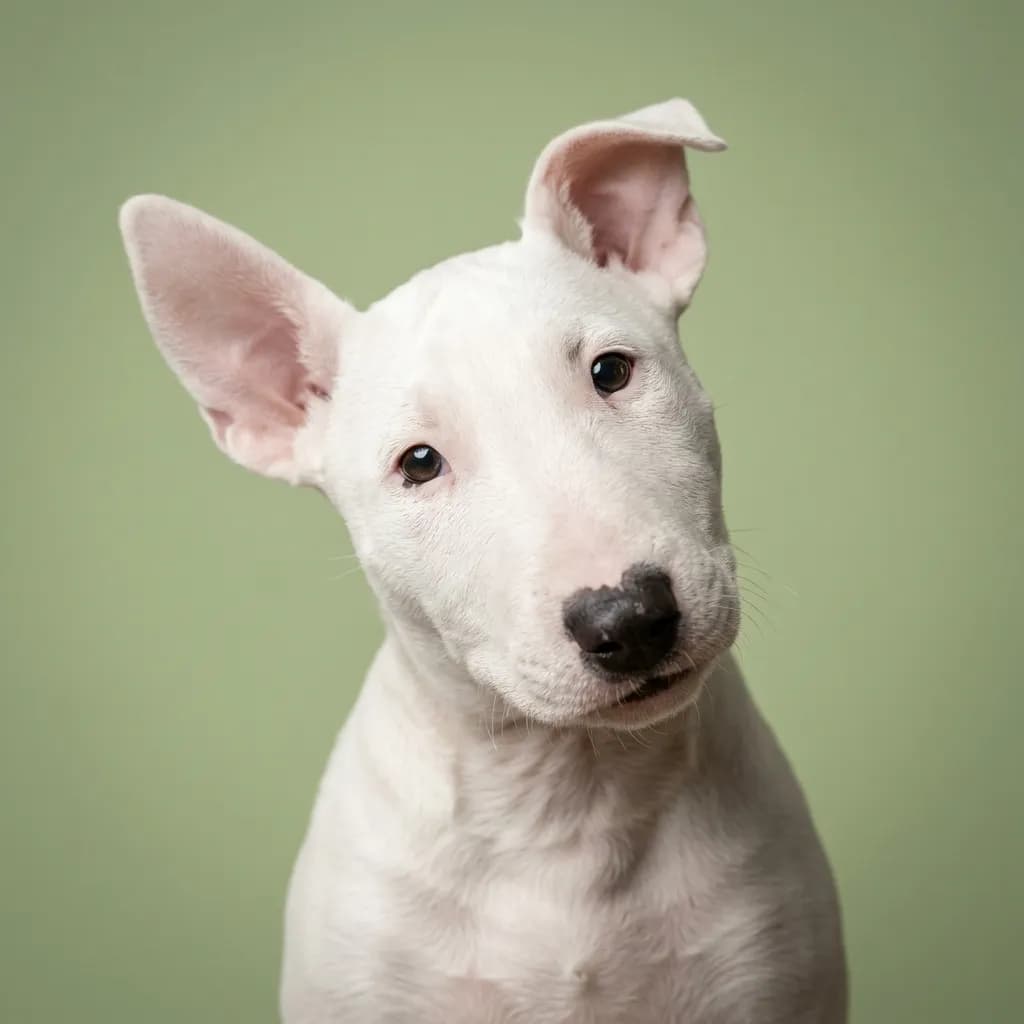
Honestly, the only reason people compare Bloodhounds and Bull Terriers is because both are stubborn and look like they’ve seen things. But that’s where the similarities end. One’s a nose with legs built for tracking fugitives through swamps, the other’s a clown in a tuxedo suit who’ll knock over your coffee table just to see your reaction. You want a Bloodhound? You’re signing up for baying that’ll make your neighbors file noise complaints and drool that requires its own mop bucket. They’re gentle and deeply affectionate, but their brain is wired for scent, not obedience. You’ll need a six-foot fence and the patience of a detective working a cold case. They’re not ideal with young kids. not because they’re aggressive, but because a toddler can’t compete with a hot trail. They thrive in rural homes where they can work, whether that’s actual search and rescue or just long, purposeful walks. Bull Terriers, meanwhile, are wound tight with mischief and charm. They’re more compact, sure, but don’t be fooled. they’re like emotional toddlers in dog form. Training one takes consistency and spine. They’re not naturally aggressive, but their history means they can be dog-selective, and small pets? Forget it. They do better in homes with older kids who know not to pull ears. Here’s the real talk: Bloodhounds will break your heart by ignoring you. not out of defiance, but because a squirrel passed by three days ago and its scent still matters. Bull Terriers will break your stuff, your focus, and your willpower, but they’ll do it with such goofy devotion you’ll forgive them. Choose the Bloodhound if you love the idea of partnership in purpose. Choose the Bull Terrier if you want a dog that feels like a chaotic, loyal roommate.
Trait-by-trait
Higher bar = more of that trait. Shedding, barking, drooling, grooming flipped for readability.Where they diverge
Choose the Bloodhound if…
- Active people
- Rural homes
- Hunters
- You value drooling level — Bloodhound scores noticeably higher.
Choose the Bull Terrier if…
- Active individuals
- Experienced dog owners
- Families with older children
- You value good with strangers — Bull Terrier scores higher here.