Bloodhound vs Bullmastiff
Side-by-side comparison across all 14 AKC trait ratings, with a clear verdict on which breed fits which kind of household.
Not sure which breed fits your life?
Answer five questions about your home, your schedule, and your tolerance for shedding. We’ll match you to your top three breeds from over 200.
Bloodhound vs Bullmastiff
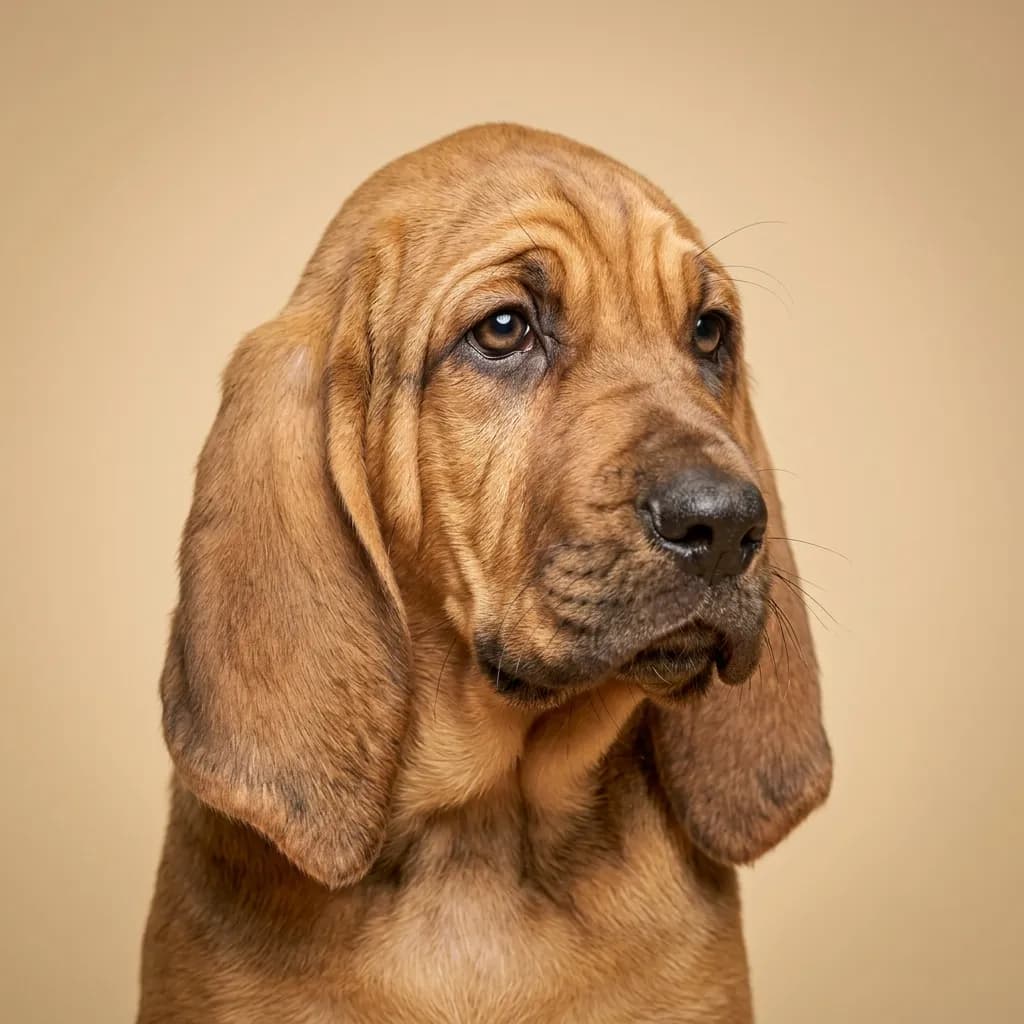
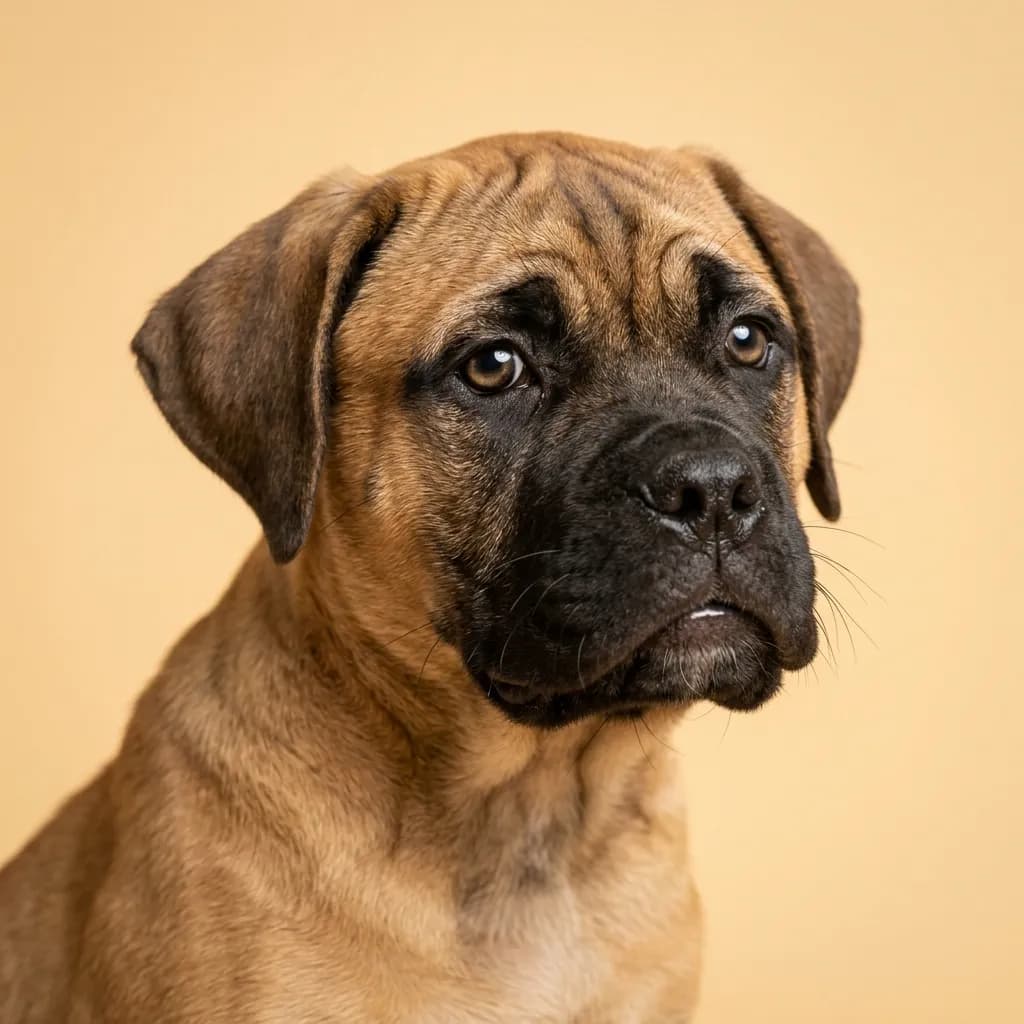
People toss these two breeds into the same conversation because they’re both big, powerful dogs that demand respect, but that’s where the similarity ends. One’s built to follow a scent for miles through the woods, the other to silently shadow an intruder across an English estate. If you’re torn between them, you’re really asking: do you want a detective or a bodyguard? The Bloodhound’s nose is legendary. law enforcement uses them for a reason. They’ll track a trail for hours, oblivious to commands, utterly consumed by the scent. That independence means they’re not always listening, and their baying can rattle windows. You need space, patience, and a secure yard because if a squirrel crosses their path, they’re gone. They’re gentle and affectionate with family but can be aloof with kids, not out of aggression but sheer single-mindedness. The Bullmastiff, on the other hand, is calm, watchful, and deeply loyal. They don’t bark much, but their presence is the warning. Bred to pin poachers, not maul them, they’re more controlled than you’d think. yet their size alone is deterrent enough. They’re more responsive to training and better suited to family life, provided kids are older and respectful. But they age faster, often gone by 9, and health issues like bloat and cancer are real concerns. Here’s the thing no one talks about: both need experienced hands, but for opposite reasons. The Bloodhound tests your patience with stubborn focus. The Bullmastiff tests your ability to lead a dog who knows he could end a fight with one lunge but waits for your cue. Choose the Bloodhound if you love the thrill of the hunt. Choose the Bullmastiff if you want a silent guardian who sleeps at your feet like a king guarding treasure.
Trait-by-trait
Higher bar = more of that trait. Shedding, barking, drooling, grooming flipped for readability.Where they diverge
Choose the Bloodhound if…
- Active people
- Rural homes
- Hunters
- You value barking level — Bloodhound scores noticeably higher.
Choose the Bullmastiff if…
- Experienced dog owners
- Families with older children
- Homeowners with fenced yards
- You value watchdog / protective — Bullmastiff scores higher here.