Bloodhound vs Dogo Argentino
Side-by-side comparison across all 14 AKC trait ratings, with a clear verdict on which breed fits which kind of household.

Not sure which breed fits your life?
Answer five questions about your home, your schedule, and your tolerance for shedding. We’ll match you to your top three breeds from over 200.
Bloodhound vs Dogo Argentino
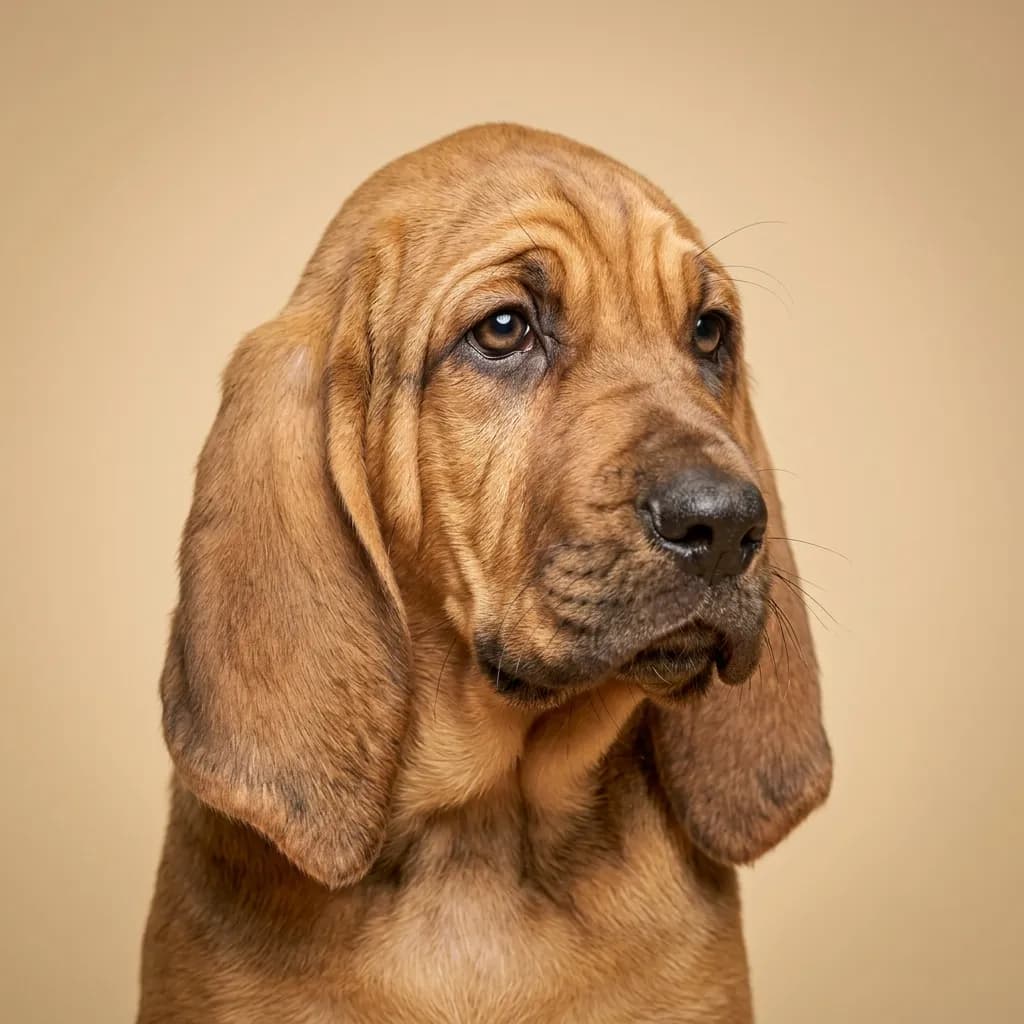
People compare Bloodhounds and Dogo Argentinos because both are large, powerful dogs with hunting roots and serious presence. But that’s where the similarities end. If you’re torn between them, you’re really choosing between a relentless scent detective and a muscular guardian built for action. The Bloodhound is all about the nose. This dog will follow a trail for miles, ignoring commands, rain or shine, because that’s what it was born to do. It’s not stubborn out of defiance. it’s just deeply focused. They’re friendly and affectionate with family, but their constant baying and need for secure outdoor space make them a nightmare in apartments or quiet neighborhoods. They drool, they track mud, and yes, they’ll knock over a kid by accident. They’re better with adults and older kids. The Dogo Argentino is different. Strong, athletic, and intensely loyal, it thrives on structure and connection. Bred to hunt big game in packs, it’s surprisingly social with people but can be dog-aggressive, especially toward the same sex. They’re less vocal than Bloodhounds but demand intense physical and mental work. Without it, they’ll invent their own jobs. like redecorating your backyard. They’re more adaptable to different homes as long as they have space and purpose. Here’s the real talk: Bloodhounds test your patience with their independence. Dogos test your confidence. You don’t lead a Dogo. you earn its respect. If you want a dog that works beside you, protects your family, and can handle rigorous training, the Dogo might be your match. If you want a noble, bawling tracker who lives for the scent, the Bloodhound will steal your heart. and your clean laundry. Choose based on who you are, not just what you want.
Trait-by-trait
Higher bar = more of that trait. Shedding, barking, drooling, grooming flipped for readability.Where they diverge
Choose the Bloodhound if…
- Active people
- Rural homes
- Hunters
- You value drooling level — Bloodhound scores noticeably higher.
Choose the Dogo Argentino if…
- Experienced dog owners
- Active individuals
- Homes with a large fenced yard
- You value watchdog / protective — Dogo Argentino scores higher here.