Bloodhound vs Hanoverian Scenthound
Side-by-side comparison across all 14 AKC trait ratings, with a clear verdict on which breed fits which kind of household.
Not sure which breed fits your life?
Answer five questions about your home, your schedule, and your tolerance for shedding. We’ll match you to your top three breeds from over 200.
Bloodhound vs Hanoverian Scenthound
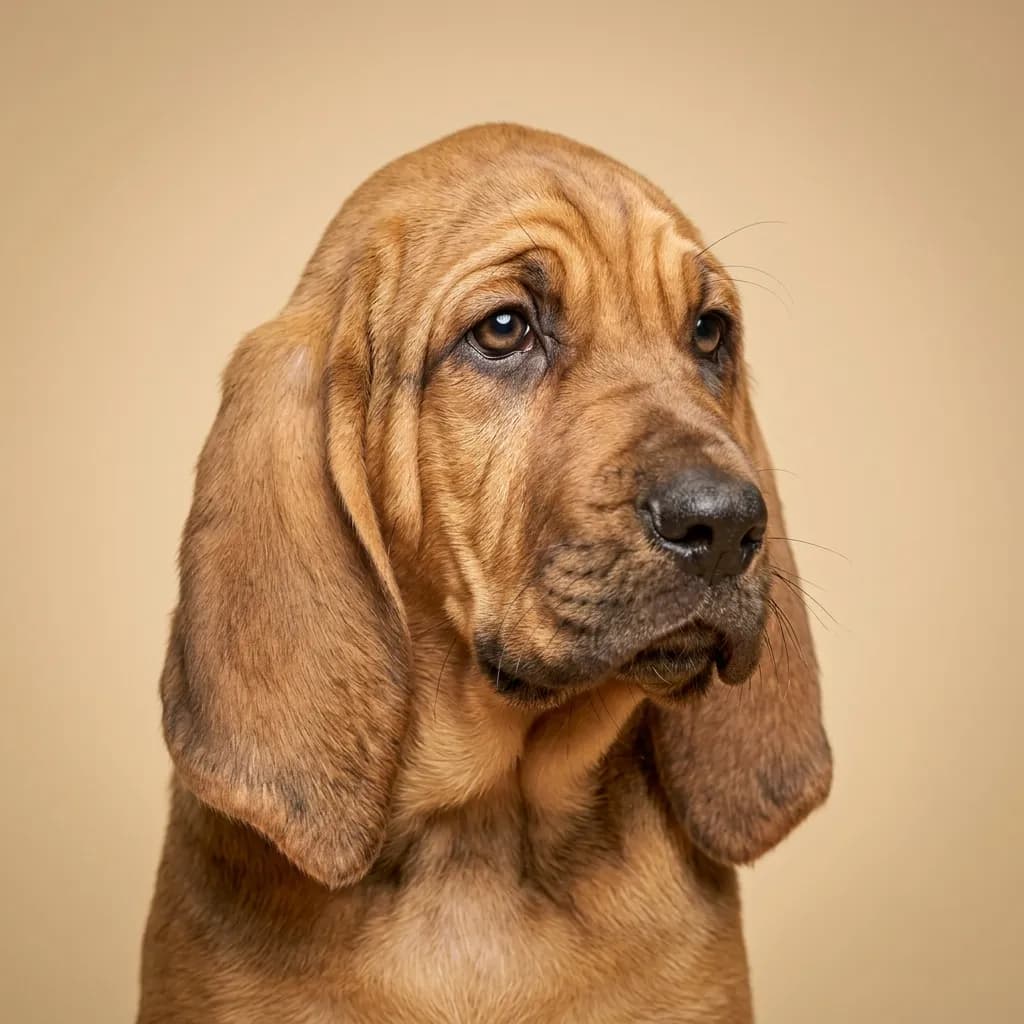
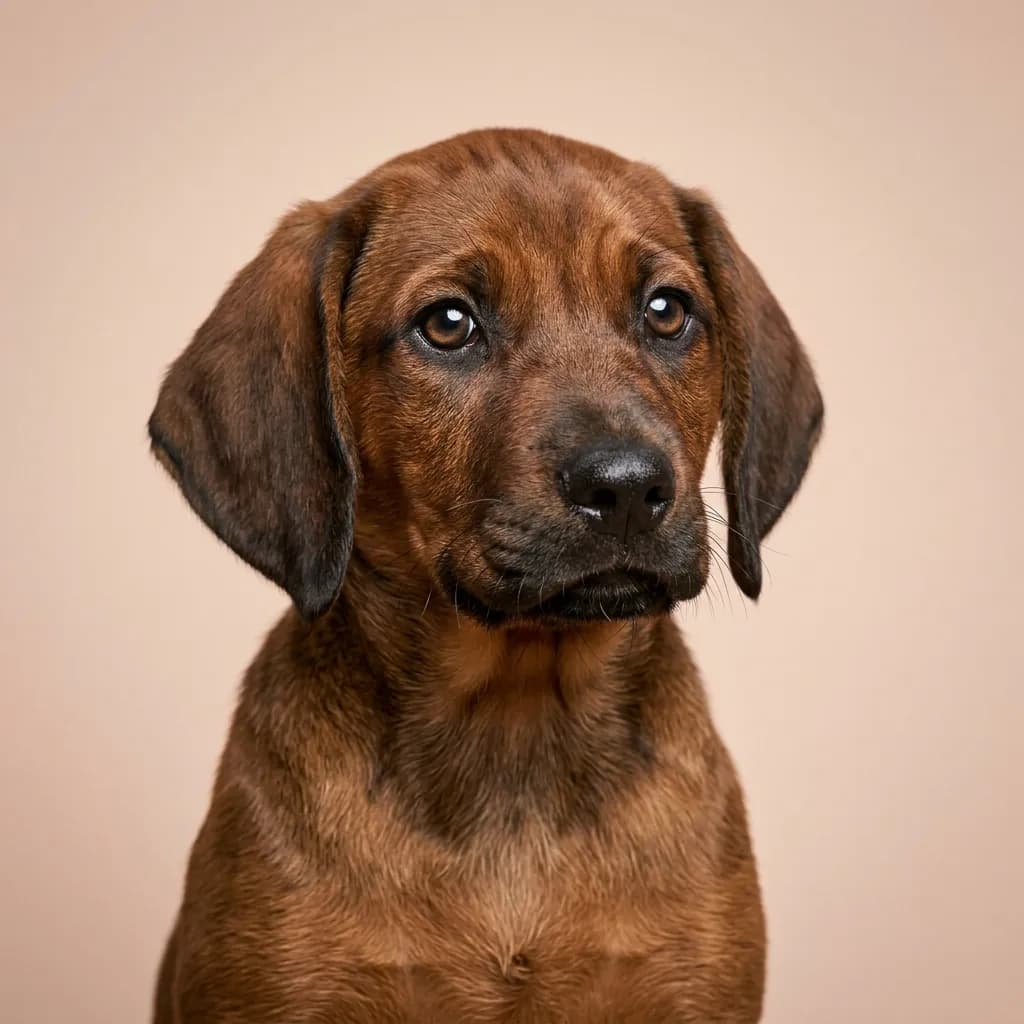
People toss Bloodhounds and Hanoverian Scenthounds into the same conversation because they’re both massive, droopy-eared trackers built for following a trail like it’s their last job on earth. But if you’re standing in your muddy backyard trying to decide which one to bring home, the real story isn’t in the sniffing ability. it’s in the rhythm of daily life. The Bloodhound is the classic. You’ve seen them in cartoons, trailing a scent across counties with relentless focus. They’re slightly taller, heavier in the jowls, and bark like a rusty gate. constantly. They’re friendly to everyone, which is great until your guest gets slobbered on for the tenth time. They’re independent thinkers, so training is a negotiation, not a command. You’ll need space, a solid fence, and the patience to manage bloat risks and chronic ear infections. They’re built for law enforcement and search-and-rescue, but that means they’re wired to follow a nose, not your rules. The Hanoverian, bred for tracking wounded boar or deer across German forests, is leaner, shorter, and somehow more composed. They’ve got the same stubborn streak and need for scent work, but they settle easier after a good trail session. They’re calmer in the house, though still not quiet. Their bark is less relentless, their energy slightly more manageable. Here’s the truth no breeder will lead with: both dogs will ignore you if a scent hits wrong. But the Hanoverian might check back once out of loyalty. The Bloodhound? He’s already three counties away, blissfully lost in the trail. If you want a tracking partner who still remembers your name, go Hanoverian. If you want the ultimate scent machine and don’t mind being second priority, the Bloodhound’s your hound.
Trait-by-trait
Higher bar = more of that trait. Shedding, barking, drooling, grooming flipped for readability.Where they diverge
Choose the Bloodhound if…
- Active people
- Rural homes
- Hunters
- You value drooling level — Bloodhound scores noticeably higher.
Choose the Hanoverian Scenthound if…
- hunters and trackers
- experienced large-breed owners
- rural environments
- You value good with other dogs — Hanoverian Scenthound scores higher here.