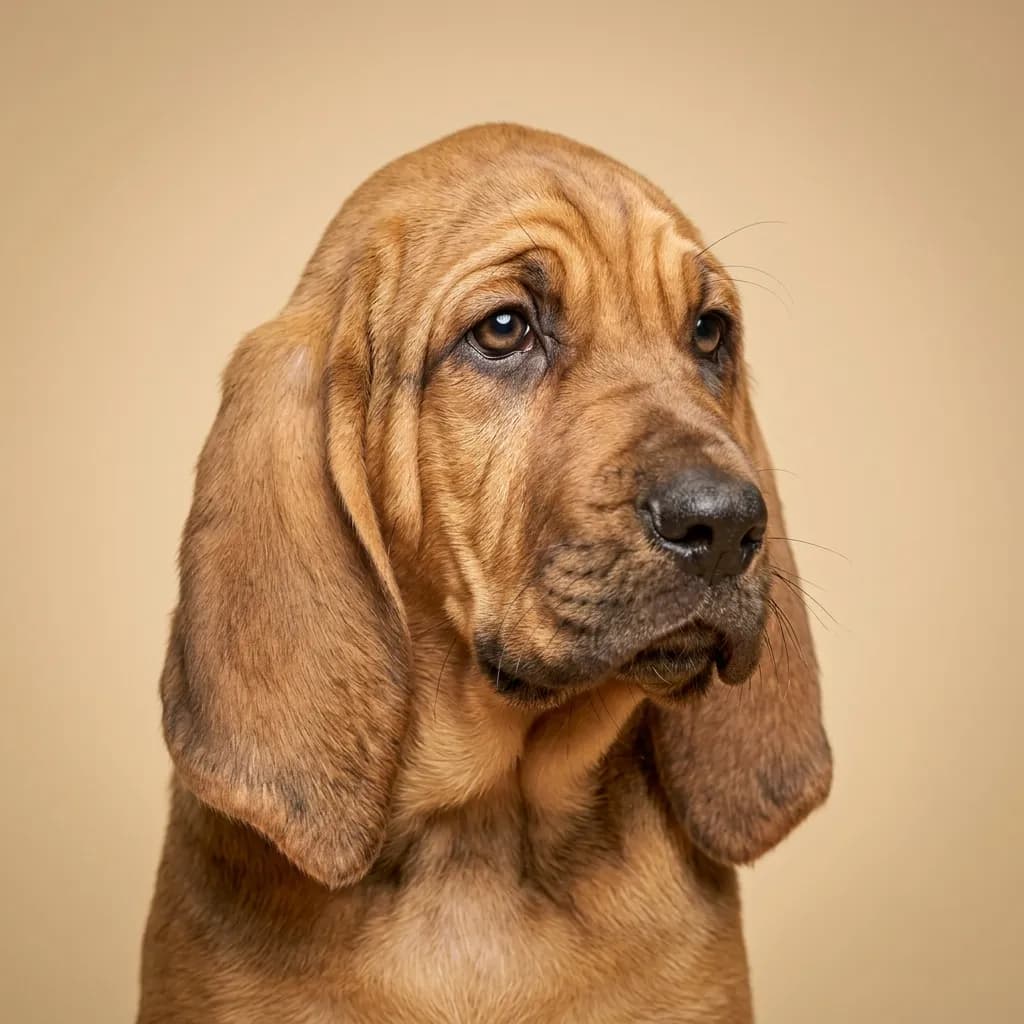
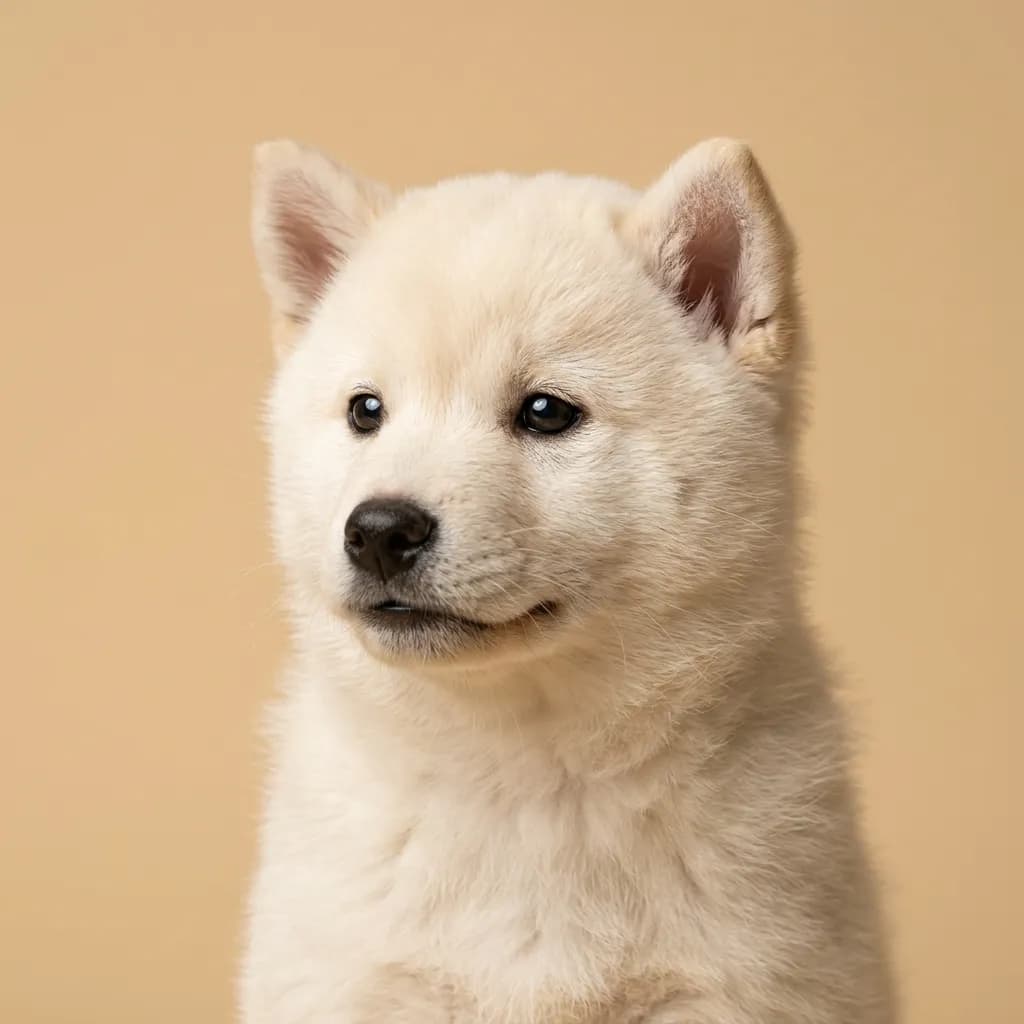
Bloodhound vs Hokkaido
Side-by-side comparison across all 14 AKC trait ratings, with a clear verdict on which breed fits which kind of household.
Not sure which breed fits your life?
Answer five questions about your home, your schedule, and your tolerance for shedding. We’ll match you to your top three breeds from over 200.
Bloodhound vs Hokkaido
People compare Bloodhounds and Hokkaidos because both are serious, job-bred dogs with deep instincts and a look that turns heads. But that’s where the similarities end. One’s a gentle, droopy-faced detective built to follow a scent no matter what. The other’s a compact, fox-spitz type forged in snow and silence, bred to work independently in frozen mountains. Choosing between them isn’t about preference for floppy ears or pointy ones. It’s about what kind of chaos you can handle. The Bloodhound will track a whiff of grilled chicken through three counties if you let it. It’s not being stubborn. it’s doing exactly what it was born to do. You’ll need a 6-foot fence, a tolerance for baying that carries for miles, and the patience to manage ear infections and drool on the couch. It’s friendly but not always responsive. If it catches a scent, you might as well be on a leash. The Hokkaido is quieter, more contained, but far more intense. It won’t bark much, but it watches everything. It’s loyal to its family but reserved with strangers, and it thrives on structure and cold weather. You’ll need experience reading dog body language and a lifestyle that includes real outdoor activity. think hiking, not just backyard lounging. Here’s the real difference: the Bloodhound’s mind is a single-lane highway. The Hokkaido’s is a network of backcountry trails. Both need mental work, but the Hokkaido needs purpose. It’s not enough to just be active with it. You have to earn its respect. Pick the Bloodhound if you want a gentle giant who happens to be a scent machine. Pick the Hokkaido if you want a stoic partner who’ll meet your eye in a snowstorm and know exactly what you’re thinking. Just don’t expect either to act like a “normal” pet. That’s not why they exist.
Trait-by-trait
Higher bar = more of that trait. Shedding, barking, drooling, grooming flipped for readability.Where they diverge
Choose the Bloodhound if…
- Active people
- Rural homes
- Hunters
- You value drooling level — Bloodhound scores noticeably higher.
Choose the Hokkaido if…
- Experienced dog owners
- Active families
- Cold climates
- You value watchdog / protective — Hokkaido scores higher here.