Bloodhound vs Newfoundland
Side-by-side comparison across all 14 AKC trait ratings, with a clear verdict on which breed fits which kind of household.
Not sure which breed fits your life?
Answer five questions about your home, your schedule, and your tolerance for shedding. We’ll match you to your top three breeds from over 200.
Bloodhound vs Newfoundland
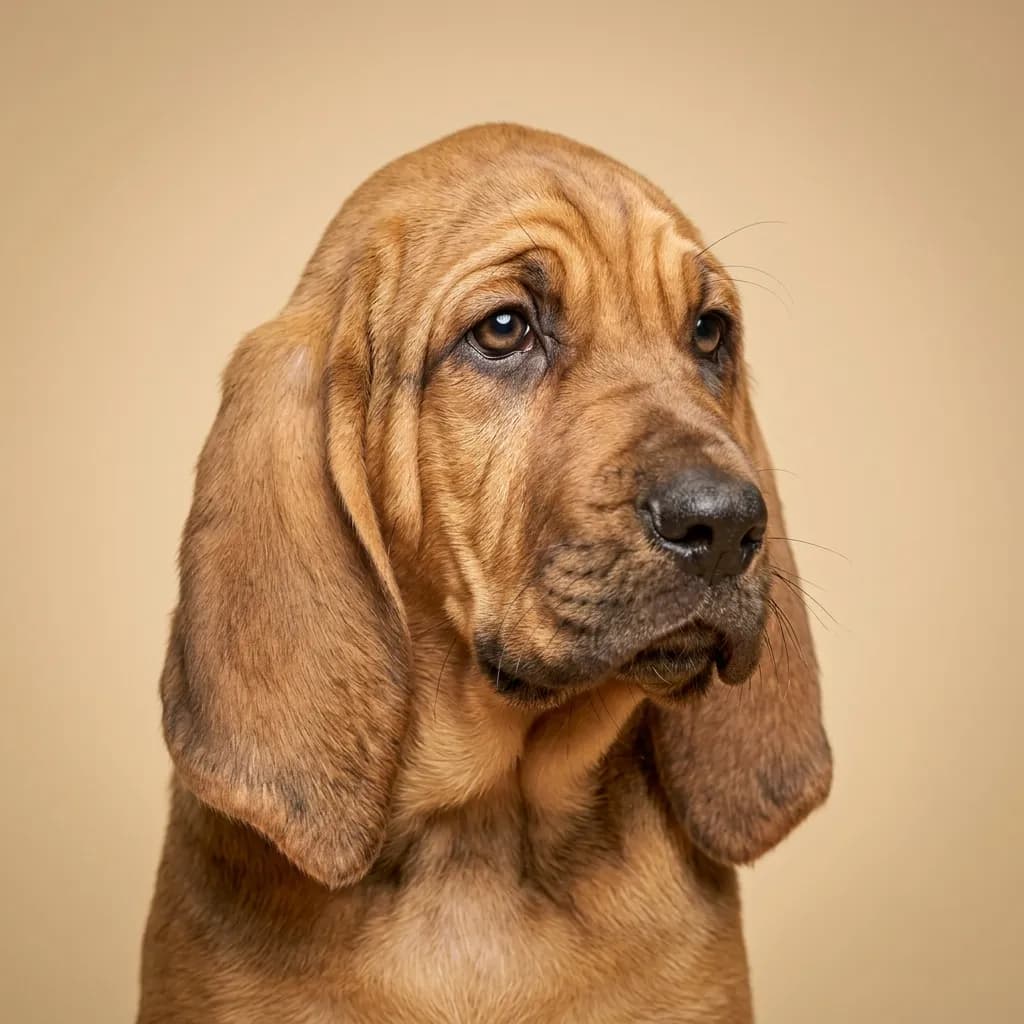
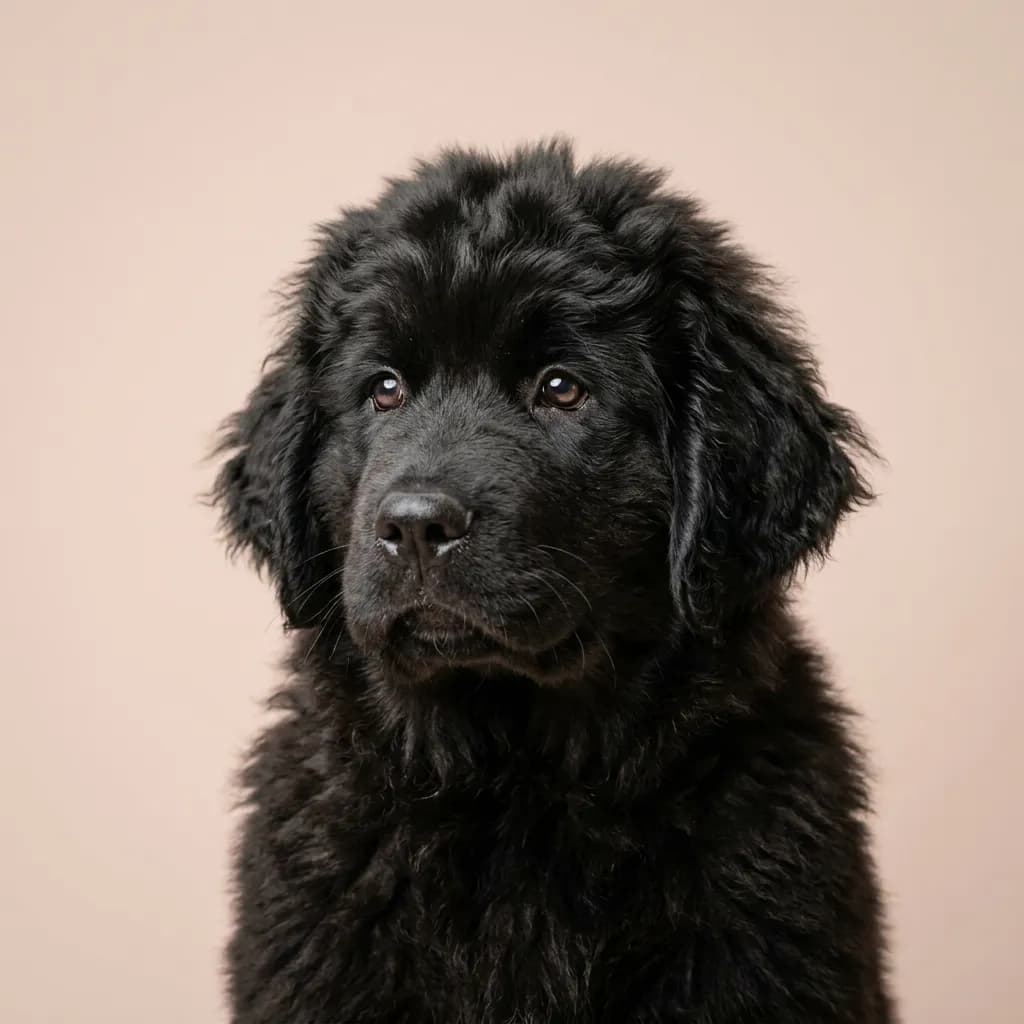
People compare Bloodhounds and Newfoundlands because both are big, drooly, gentle-looking dogs with floppy features and a reputation for being sweet. But that’s where the similarities end. Think of it like choosing between a bloodhound’s nose and a Newfoundland’s heart. each built for a wildly different purpose. The Bloodhound is a scent-obsessed detective. Give it a trail and it will follow it for miles, ignoring calls, traffic, even food. It’s not being stubborn; it’s just wired to track. That focus makes it brilliant at search and rescue, but tricky in daily life. It barks. a lot. and won’t always come when called. You need a secure fence and the patience to manage a dog that often prioritizes smells over you. It’s friendly but independent, affectionate on its own terms. The Newfoundland is the opposite. Quiet as a shadow and built like a draft horse with a water-resistant coat, this dog lives to help and love. It’s the one pulling swimmers to shore or carrying a child’s toy from the pool. Calm, patient, deeply bonded, it thrives in family life. But its size is no joke. 150 pounds of fur, drool, and need for space. Bloat is a real threat, and you’ll vacuum fur daily. Here’s the real talk: Bloodhounds are for people who want a dog with a job, even if that job is just tracking the neighbor’s cat from fence to fence. Newfoundlands are for those who want a quiet, massive shadow that lives for soft eyes and wet kisses. If you’re drawn to one, it’s probably because you see yourself in their purpose. not just their looks. Choose the Bloodhound for adventure, the Newfoundland for soul.
Trait-by-trait
Higher bar = more of that trait. Shedding, barking, drooling, grooming flipped for readability.Where they diverge
Choose the Bloodhound if…
- Active people
- Rural homes
- Hunters
- You value barking level — Bloodhound scores noticeably higher.
Choose the Newfoundland if…
- Families with children
- Water and outdoor enthusiasts
- Those wanting a gentle giant
- You value watchdog / protective — Newfoundland scores higher here.