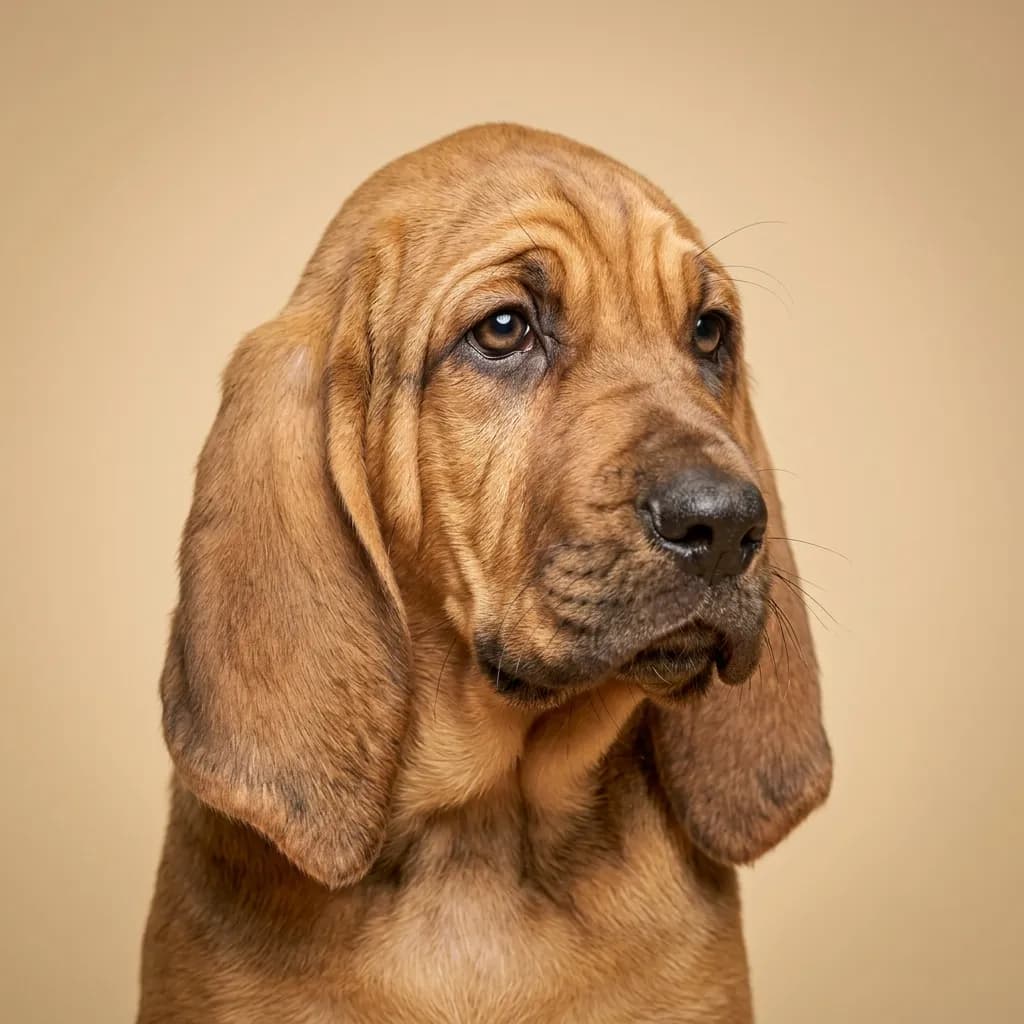
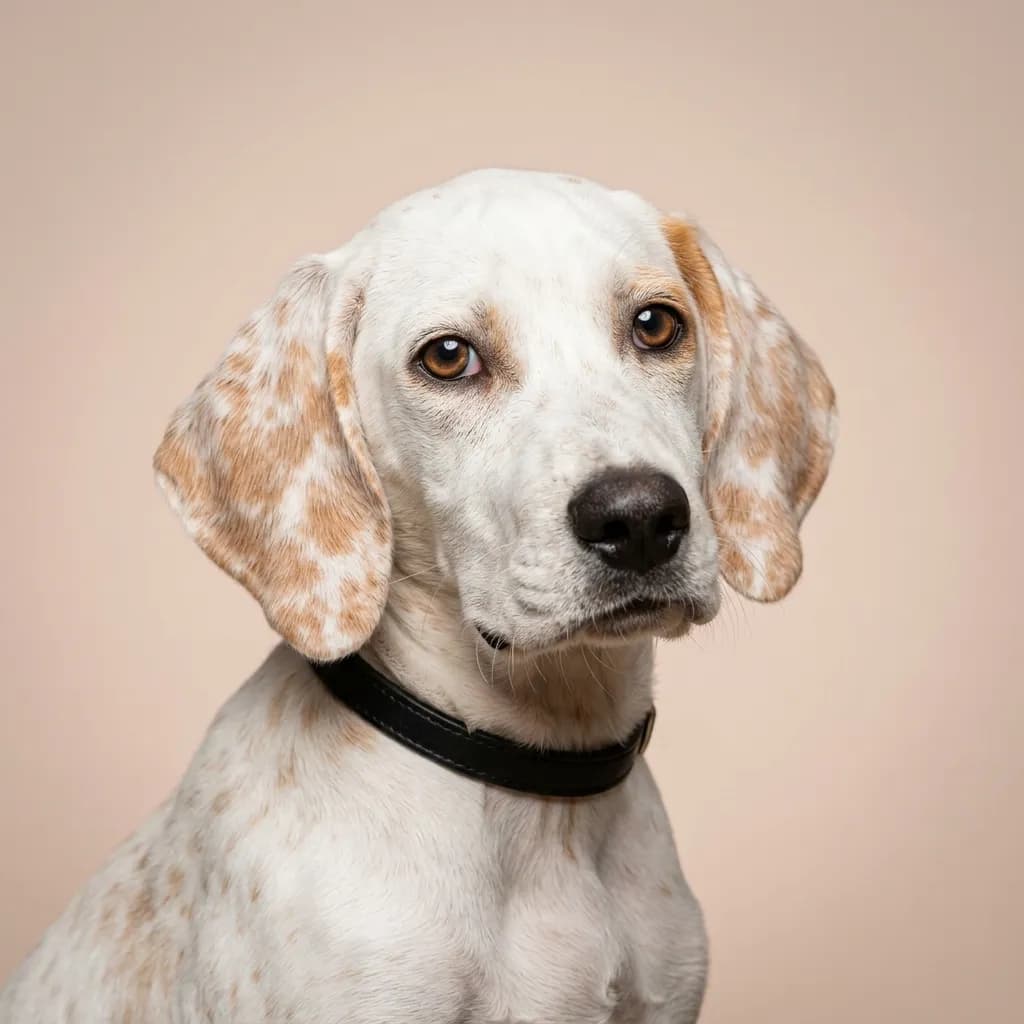
Bloodhound vs Porcelaine
Side-by-side comparison across all 14 AKC trait ratings, with a clear verdict on which breed fits which kind of household.
Not sure which breed fits your life?
Answer five questions about your home, your schedule, and your tolerance for shedding. We’ll match you to your top three breeds from over 200.
Bloodhound vs Porcelaine
People compare Bloodhounds and Porcelaines because both are rare, driven scenthounds with elegant noses and big personalities. But that’s where the similarities fade. If you’re torn between them, you’re really asking: do you want a gentle, baying detective or a sleek, silent hunter built for speed? The Bloodhound is the Sherlock Holmes of dogs. methodical, deliberate, and impossible to ignore. He’ll track a scent for miles, ignoring commands, lost in his own world. His deep howl will carry through the night, and yes, he’ll drool on your best shirt. At 100 pounds of loose skin and floppy ears, he’s not built for city life. He needs space, a secure fence, and someone who accepts that he’s part dog, part independent contractor. Families with kids can make it work, but his sheer size and stubborn streak demand experience. The Porcelaine, on the other hand, is like a French field athlete. lean, agile, and built for endurance. He’s quieter, less imposing in the home, and surprisingly good with children. But don’t mistake his elegance for calmness. This dog needs to run, hunt, or work. Bred to course through alpine forests in packs, he thrives with active owners who hunt or can simulate that lifestyle. He’s more trainable than the Bloodhound and doesn’t bay constantly, but he won’t settle in a backyard without purpose. Here’s the real talk: neither belongs in a suburban yard with a desk-job owner. But if you hunt, or can join a tracking club, and want a dog that lives to follow a trail, the Porcelaine might surprise you with his balance. If you’re captivated by raw tracking power and don’t mind the noise and mess, the Bloodhound is unmatched. Just know. both will break your heart when they catch a scent and forget you exist.
Trait-by-trait
Higher bar = more of that trait. Shedding, barking, drooling, grooming flipped for readability.Where they diverge
Choose the Bloodhound if…
- Active people
- Rural homes
- Hunters
- You value barking level — Bloodhound scores noticeably higher.
Choose the Porcelaine if…
- hunters
- active rural owners
- pack hound enthusiasts
- You value good with young children — Porcelaine scores higher here.