Bloodhound vs Samoyed
Side-by-side comparison across all 14 AKC trait ratings, with a clear verdict on which breed fits which kind of household.
Not sure which breed fits your life?
Answer five questions about your home, your schedule, and your tolerance for shedding. We’ll match you to your top three breeds from over 200.
Bloodhound vs Samoyed
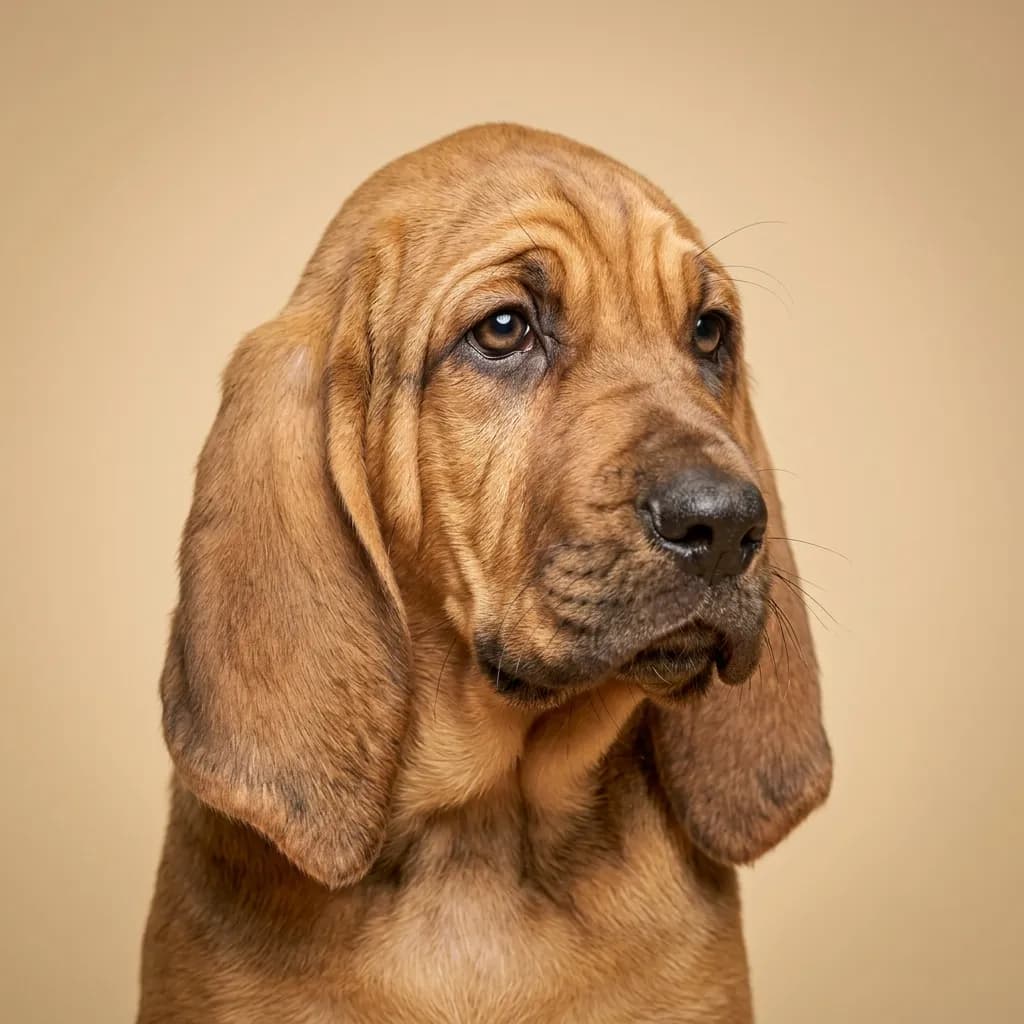
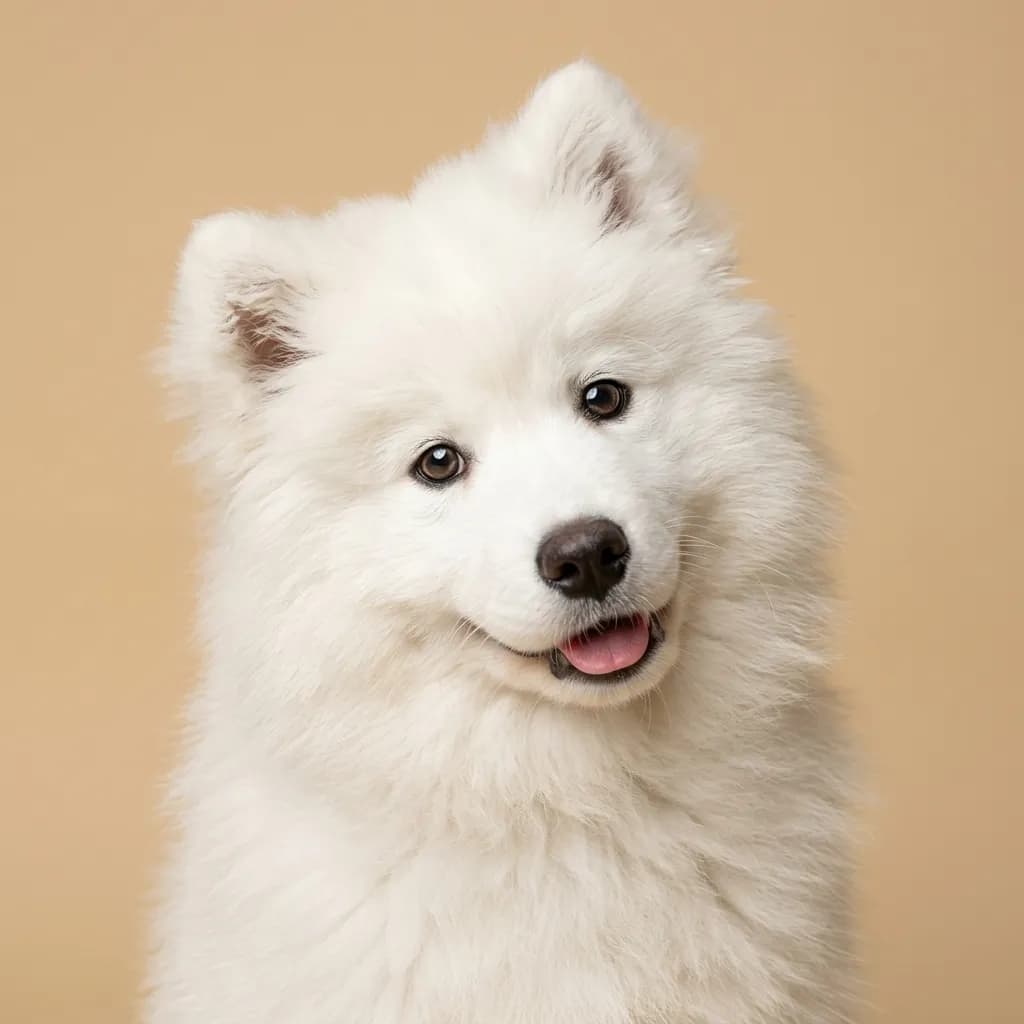
People compare Bloodhounds and Samoyeds because both are big, fluffy, and impossible to ignore. but that’s where the similarities end. One looks like a droopy-faced detective, the other like a smiling cloud. They’re both friendly, they both bark plenty, and neither does well in an apartment, but their life purposes couldn’t be more different. The Bloodhound lives for the scent. You’ll lose him to a trail faster than you can say “wait,” and he won’t care if he’s dragging you through mud at 5 a.m. He’s built for tracking, not showing off, and his mind runs on instinct more than obedience. He’s affectionate in his own way, but he’s not always tuned into you. If you’re active, experienced, and have a secure yard, he can be a loyal, gentle giant. But he’s not a kid’s sidekick. he’s too independent, and too easily distracted by smells. The Samoyed, on the other hand, wants to be part of everything. He’s bred to work alongside people, and it shows. He’s social, eager to please, and thrives in active families. He’ll pull your kid on a sled, then snuggle on the couch. but only after shedding enough fur to knit a second dog. You’ll spend time grooming, and you’ll hear him bark at squirrels, mailboxes, and passing thoughts. He’s happiest in cold climates, both in weather and lifestyle. Here’s the real difference: the Bloodhound is a specialist. The Samoyed is a companion. Choose the Bloodhound if you want a working dog with unmatched nose power and don’t mind his stubborn streak. Choose the Samoyed if you want a joyful, people-focused partner who happens to look like a snowman. Just remember. both will steal your heart, but the Samoyed will also steal your seat on the couch.
Trait-by-trait
Higher bar = more of that trait. Shedding, barking, drooling, grooming flipped for readability.Where they diverge
Choose the Bloodhound if…
- Active people
- Rural homes
- Hunters
- You value drooling level — Bloodhound scores noticeably higher.
Choose the Samoyed if…
- Active families
- Cold climate households
- Dog sports enthusiasts
- You value good with young children — Samoyed scores higher here.