Bloodhound vs Schapendoes
Side-by-side comparison across all 14 AKC trait ratings, with a clear verdict on which breed fits which kind of household.

Not sure which breed fits your life?
Answer five questions about your home, your schedule, and your tolerance for shedding. We’ll match you to your top three breeds from over 200.
Bloodhound vs Schapendoes
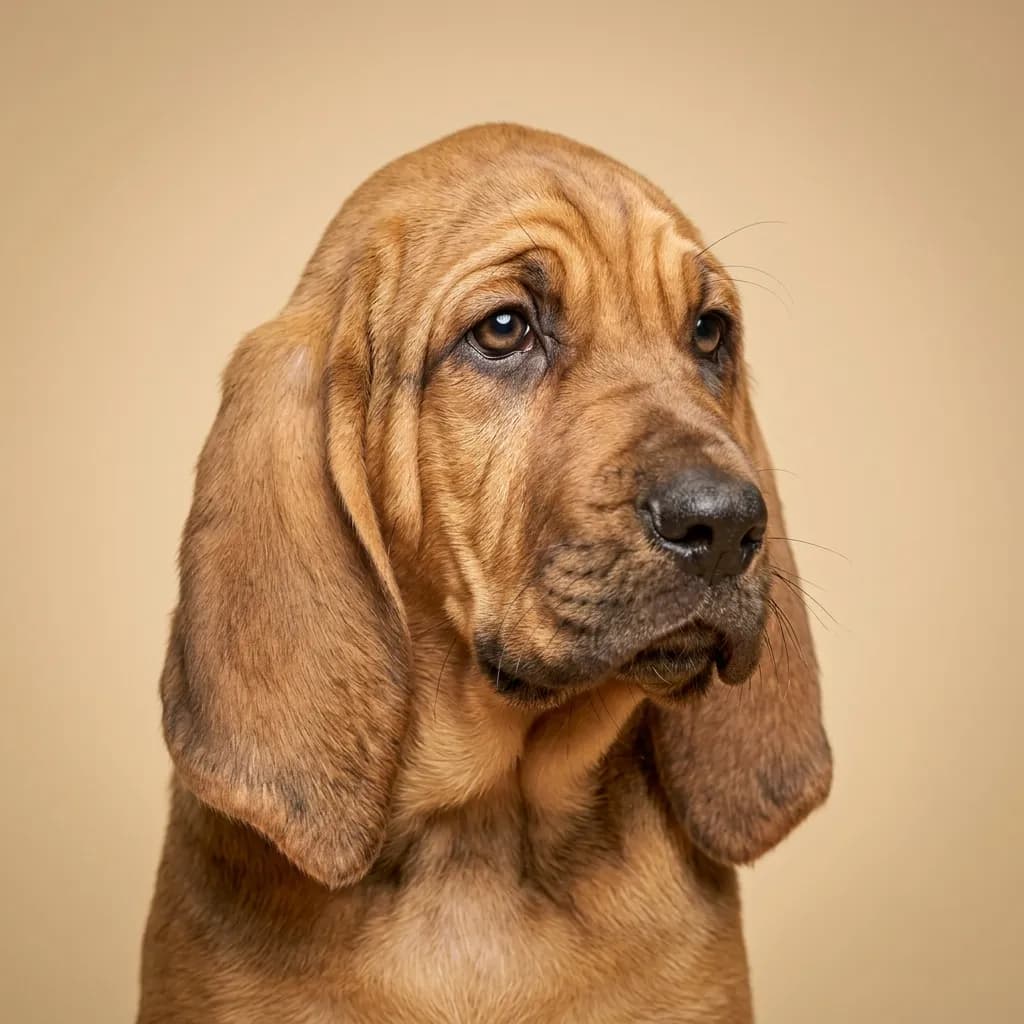
People don’t usually pit a Bloodhound against a Schapendoes, but when they do, it’s because they’re after a dog with character. something off the beaten path that still thrives with active families. Both are rare in the U.S., both are friendly with strangers, and both demand commitment. But that’s where the similarities end. The Bloodhound is a scent-driven force of nature. If your backyard borders a forest or you’re down for long, unpredictable walks where your dog might suddenly decide to follow a deer trail for three miles, this 100-pound nose-on-legs might be your guy. They’re gentle and affectionate, yes, but they’re also deaf to recall once a scent hits. You don’t own a Bloodhound. you negotiate with it. They drool, they bay like a country church bell at 2 a.m., and they need a yard that’s escape-proof. Apartment life? Forget it. The Schapendoes, meanwhile, is the lively, bearded underdog of Dutch herding breeds. Smaller, sprightlier, and way more responsive, this dog lives to work with you. They’re agile, eager to learn, and thrive in dog sports. Their curly coat isn’t just cute. it’s high-maintenance, needing brushing every other day unless you want mats that feel like petrified wood. But they adapt better to different homes, bark less, and actually look at you like they’re waiting for instructions. Here’s the real difference: Bloodhounds follow their nose no matter what. Schapendoes follow your lead. If you want a partner, go Schapendoes. If you want a noble, stubborn detective who occasionally pretends you don’t exist, get the Bloodhound. And whichever you pick, don’t expect a quiet, low-effort pet. You’re signing up for a relationship, not a pet.
Trait-by-trait
Higher bar = more of that trait. Shedding, barking, drooling, grooming flipped for readability.Where they diverge
Choose the Bloodhound if…
- Active people
- Rural homes
- Hunters
- You value drooling level — Bloodhound scores noticeably higher.
Choose the Schapendoes if…
- active families
- agility and herding sport enthusiasts
- experienced herding breed owners
- You value watchdog / protective — Schapendoes scores higher here.