Bloodhound vs Schipperke
Side-by-side comparison across all 14 AKC trait ratings, with a clear verdict on which breed fits which kind of household.
Not sure which breed fits your life?
Answer five questions about your home, your schedule, and your tolerance for shedding. We’ll match you to your top three breeds from over 200.
Bloodhound vs Schipperke
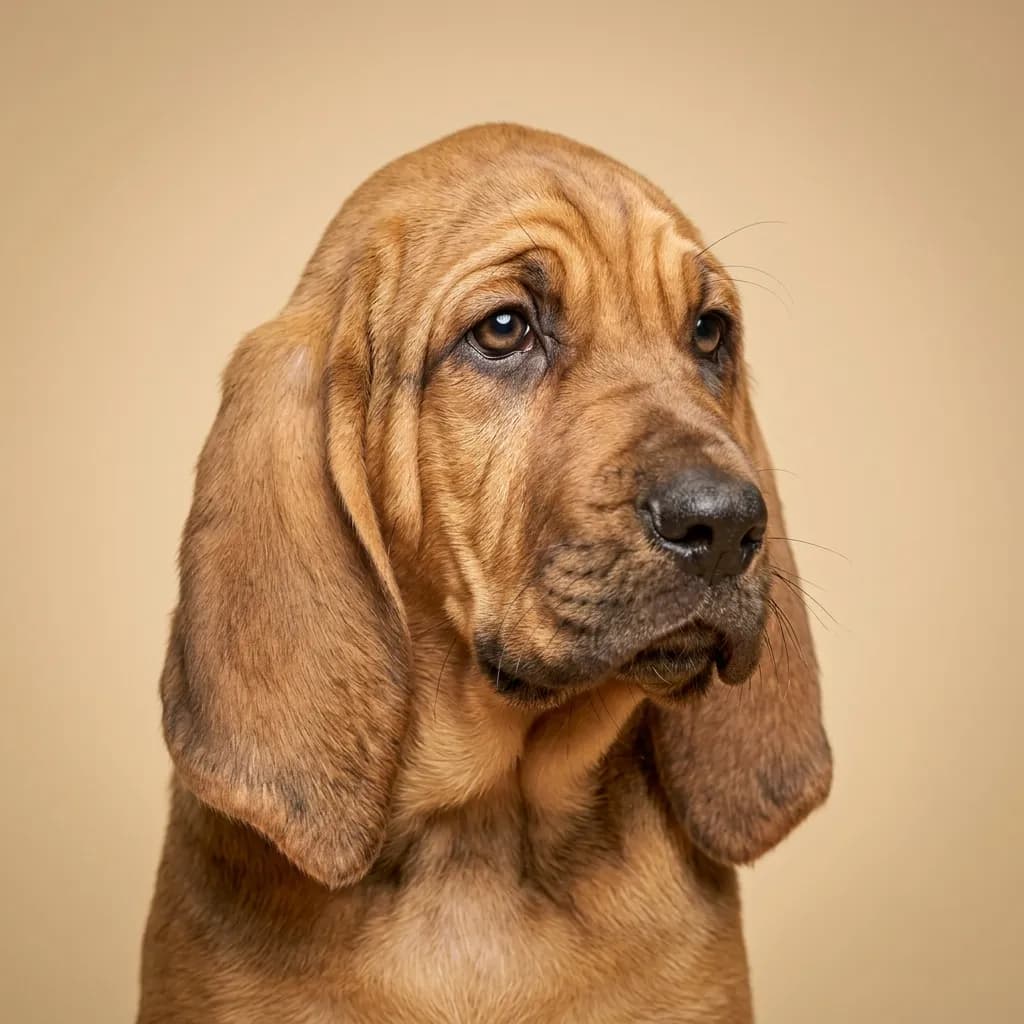
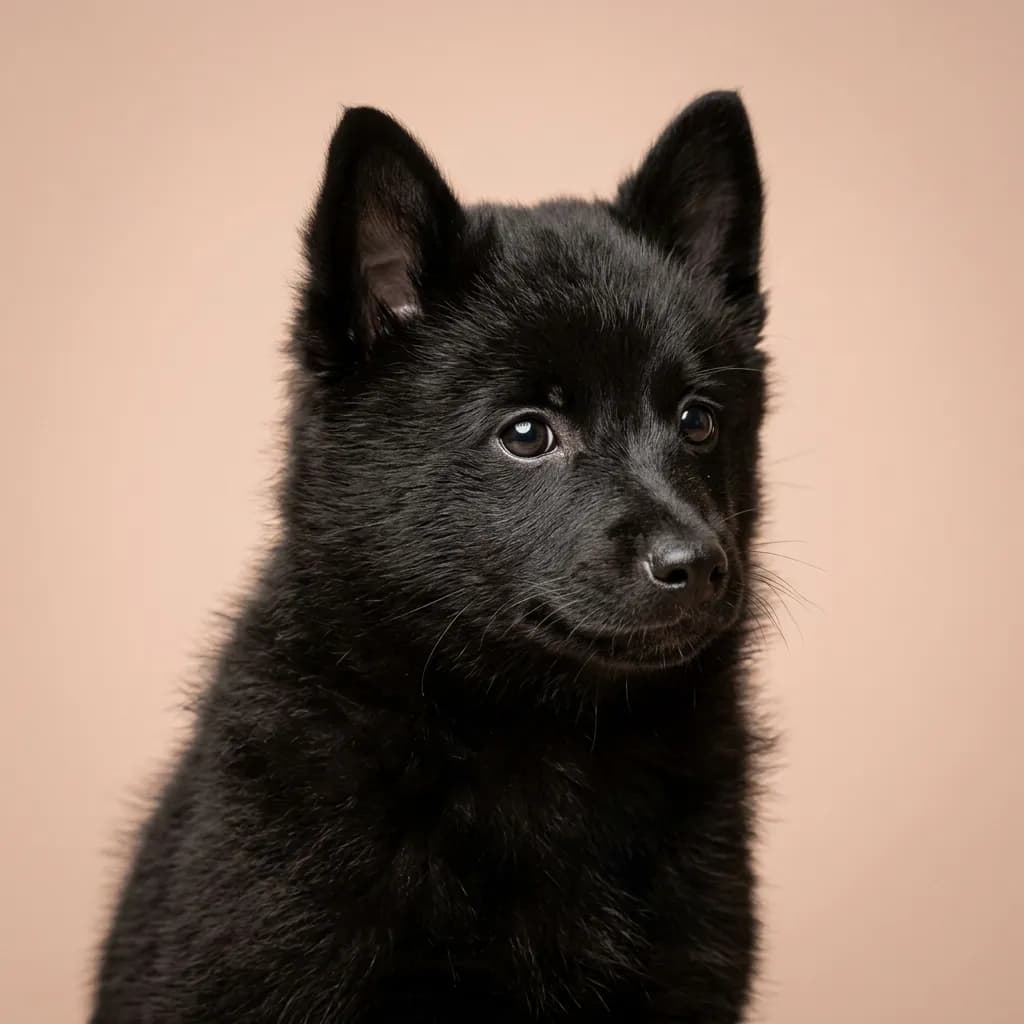
You’re probably not actually torn between a Bloodhound and a Schipperke. you’re trying to figure out what kind of dog life you want. One’s a 100-pound nose on legs, the other’s a 13-pound black fur torpedo with attitude. But people compare them because both are bold, Belgian, and barky in their own way. That’s where the similarities end. The Bloodhound is your weekend-warrior partner if you hunt trails or need a dog that can track a missing person through a forest. They’re gentle with people but stubborn as mules when they catch a scent. You’ll need a 6-foot fence and a tolerance for nightly serenades. They drool on your laptop, shed on your clothes, and will ignore your recall if a raccoon passed through last Tuesday. They’re not aloof, but they’re not obedient robots either. The Schipperke? Think of a watchdog with a Napoleon complex. He’s fearless, clings to you like Velcro, and will bark at a leaf blowing past the porch. He’s small, sure, but he’s not a lap dog. He was bred to chase rats off boats, so if you’ve got a hamster or a timid cat, he might see them as prey. He’s easier to house in a smaller yard, but don’t be fooled. he needs walks and mental grit. Here’s the real talk: the Bloodhound will break your heart when he ignores you not out of defiance but pure distraction. The Schipperke will break your sleep schedule with alert barks at 3 a.m. for no visible reason. Pick the Bloodhound if you’ve got space, time, and a love for the absurdly slobbery. Pick the Schipperke if you want a tiny, fearless shadow who’s always ready to defend your home from the mailman. One’s a specialist with scent, the other a sparkplug with soul. Choose based on your tolerance for chaos. and whose version of it fits yours.
Trait-by-trait
Higher bar = more of that trait. Shedding, barking, drooling, grooming flipped for readability.Where they diverge
Choose the Bloodhound if…
- Active people
- Rural homes
- Hunters
- You value drooling level — Bloodhound scores noticeably higher.
Choose the Schipperke if…
- Active owners
- Those wanting a small but bold breed
- Suburban or rural settings
- You value watchdog / protective — Schipperke scores higher here.