Bloodhound vs Scottish Terrier
Side-by-side comparison across all 14 AKC trait ratings, with a clear verdict on which breed fits which kind of household.

Not sure which breed fits your life?
Answer five questions about your home, your schedule, and your tolerance for shedding. We’ll match you to your top three breeds from over 200.
Bloodhound vs Scottish Terrier
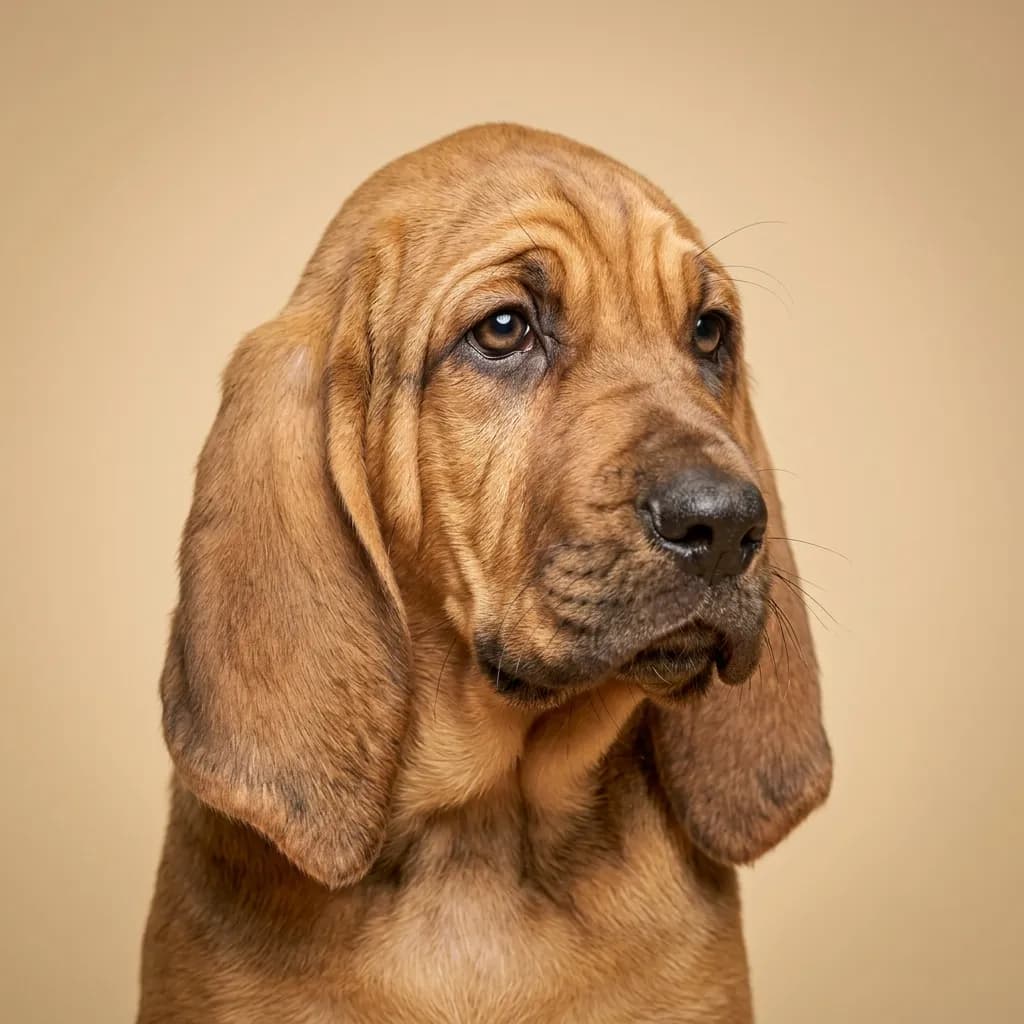
You don’t see Bloodhounds and Scottish Terriers in the same conversation much, but people end up comparing them when they’re drawn to strong-willed, independent dogs with big personalities in very different packages. One’s a towering scent hound with ears that sweep the floor, the other a low-slung, bearded brick of confidence. But both demand respect for their autonomy. and that’s where the real decision begins. If you're picturing weekend hikes, tracking games, or living on acres where a dog can follow a scent trail for miles, the Bloodhound is built for that life. They’re gentle with family, but once that nose hits the ground, they’re gone. You won’t keep them off-leash safely, and their baying will carry half a mile. They’re not apartment-friendly, not quiet, and they drool on your coffee table. But if you want a deeply loyal, patient dog with an almost supernatural sense of smell, they’re unmatched. The Scottie, on the other hand, fits in a city condo just fine. They’re bold, feisty, and form intense bonds with one or two people. They won’t fetch your slippers, but they’ll guard your home like it’s a castle. They’re more likely to bark at a passing squirrel than a stranger, and they can be snarky with other dogs. Kids under ten? Probably not ideal. But for a retiree or a single owner who wants a dog with character and minimal shedding, they’re a gem. Here’s the truth the breed standards won’t tell you: both breeds will ignore you when they decide they know better. But the Bloodhound does it because he’s lost in a scent. The Scottie does it because he’s convinced he’s in charge. Know which kind of stubborn you can live with.
Trait-by-trait
Higher bar = more of that trait. Shedding, barking, drooling, grooming flipped for readability.Where they diverge
Choose the Bloodhound if…
- Active people
- Rural homes
- Hunters
- You value drooling level — Bloodhound scores noticeably higher.
Choose the Scottish Terrier if…
- Apartment living
- Independent owners
- Those wanting a distinctive, classic breed
- You value watchdog / protective — Scottish Terrier scores higher here.