Bloodhound vs Shiba Inu
Side-by-side comparison across all 14 AKC trait ratings, with a clear verdict on which breed fits which kind of household.
Not sure which breed fits your life?
Answer five questions about your home, your schedule, and your tolerance for shedding. We’ll match you to your top three breeds from over 200.
Bloodhound vs Shiba Inu
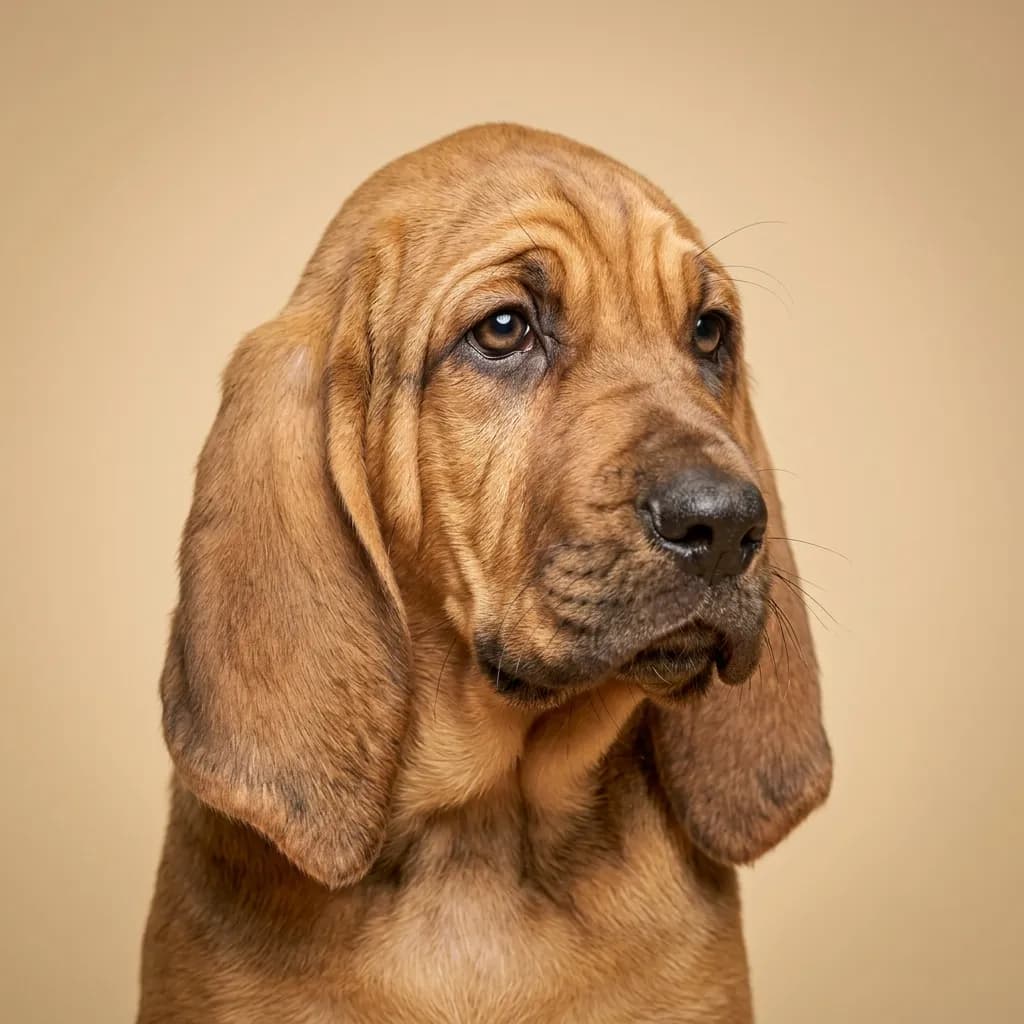
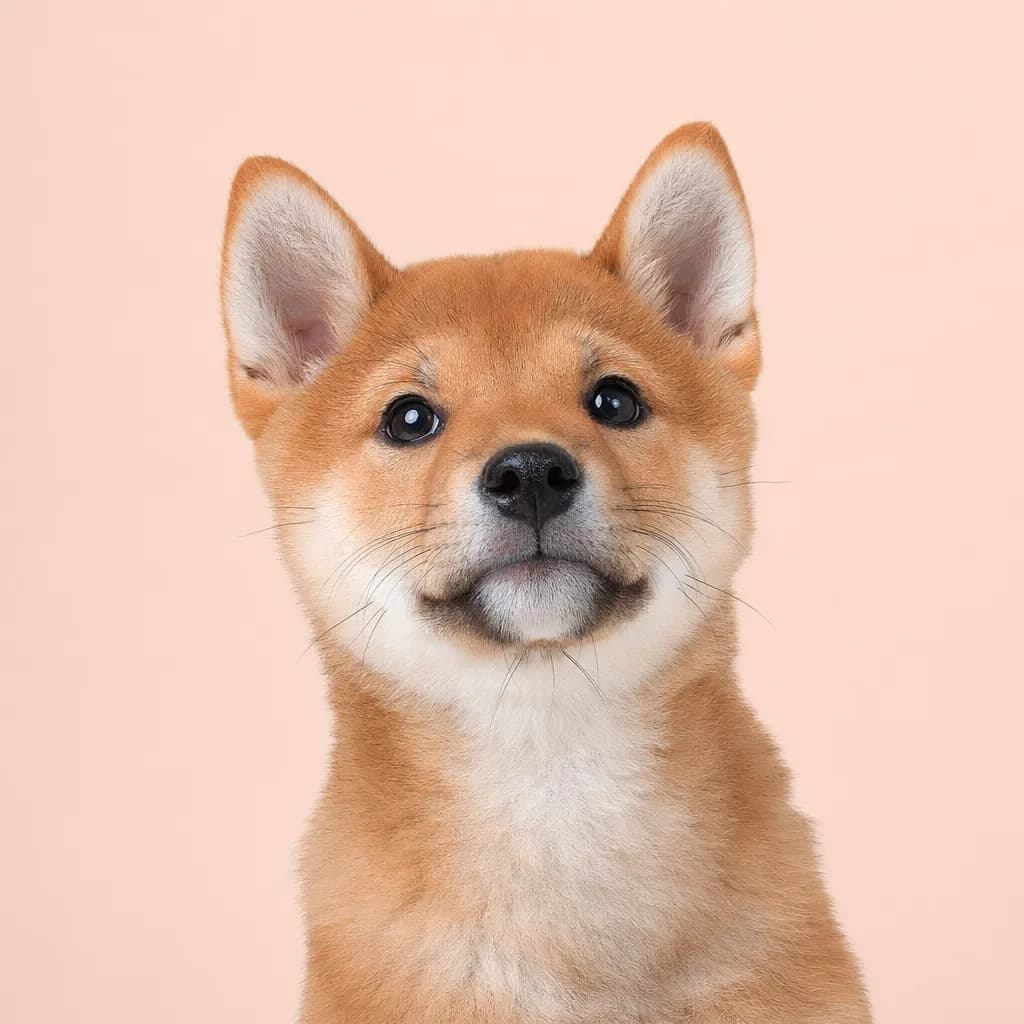
People compare Bloodhounds and Shiba Inus because both are independent, cat-like in their aloofness, and have strong instincts that shape their behavior. But that’s where the similarities end. Choosing between them isn’t just about size or energy. it’s about what kind of chaos you’re ready for. The Bloodhound is a scent-driven machine. If your backyard has a squirrel, a neighbor’s barbecue, or even a faint trace of last week’s rainwater, he’ll follow it for miles. You’re not really disagreeing with him once he’s on a trail. They’re affectionate and deeply loyal, but their voice? Deafening. That baying carries for blocks and will haunt your suburban street. They need space, patience, and a yard that’s escape-proof. You’ll clean ear goop weekly and worry about bloat at every meal. But if you’re involved in search and rescue or want a dog that can genuinely track, there’s no substitute. The Shiba Inu, on the other hand, is compact, cunning, and stubborn in a way that makes training feel like negotiation with a tiny, furry politician. They groom themselves like cats and won’t come when called. ever. But they’re also fiercely clean, quiet by comparison, and thrive in smaller homes if exercised enough. They bond deeply but on their terms. Here’s the real insight: Bloodhounds are emotionally open but physically unmanageable; Shiba Inus are physically manageable but emotionally distant. Pick the Bloodhound if you want a passionate, drooly companion with zero impulse control. Pick the Shiba if you’re okay with a graceful, self-possessed dog who tolerates your affection more than craves it. One will knock down your fence, the other will judge you for building it.
Trait-by-trait
Higher bar = more of that trait. Shedding, barking, drooling, grooming flipped for readability.Where they diverge
Choose the Bloodhound if…
- Active people
- Rural homes
- Hunters
- You value drooling level — Bloodhound scores noticeably higher.
Choose the Shiba Inu if…
- Experienced dog owners
- Those wanting a cat-like independence
- Active owners
- You value watchdog / protective — Shiba Inu scores higher here.