Bloodhound vs Skye Terrier
Side-by-side comparison across all 14 AKC trait ratings, with a clear verdict on which breed fits which kind of household.
Not sure which breed fits your life?
Answer five questions about your home, your schedule, and your tolerance for shedding. We’ll match you to your top three breeds from over 200.
Bloodhound vs Skye Terrier
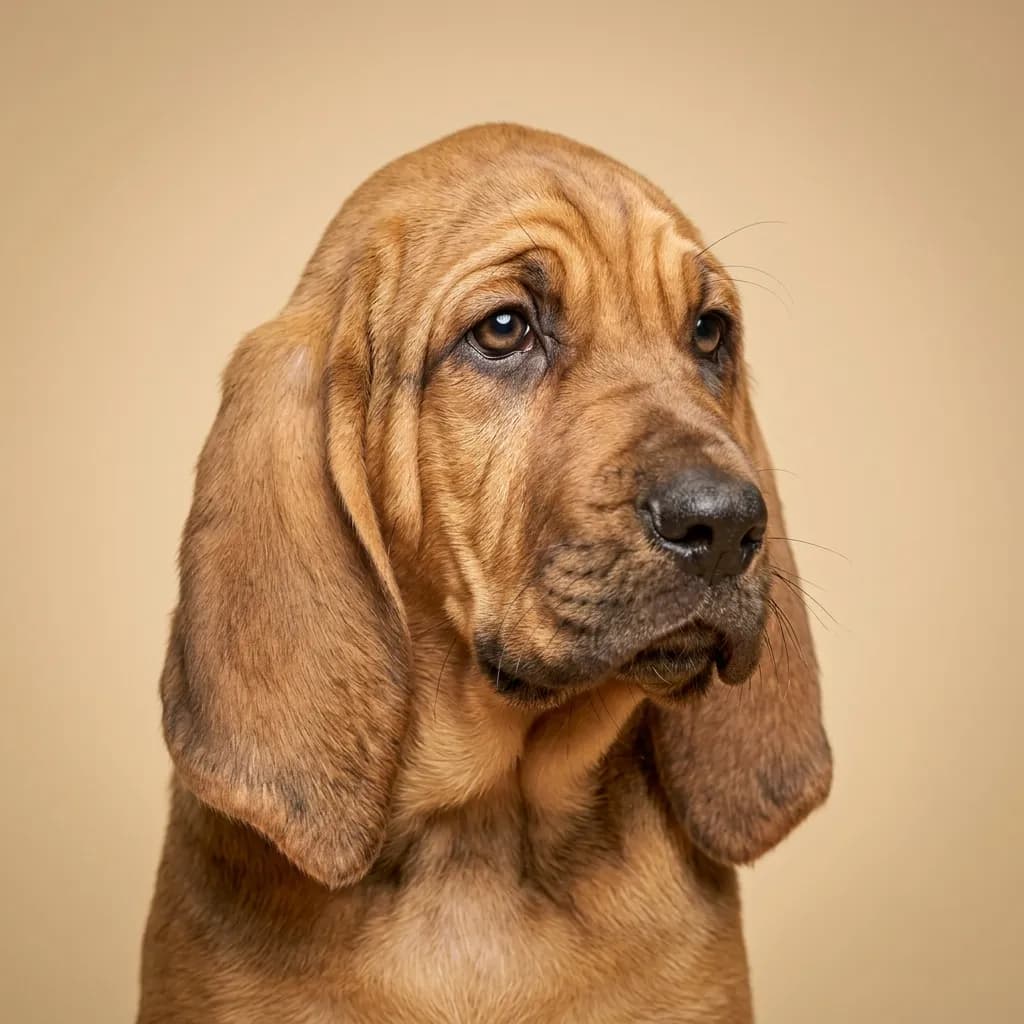
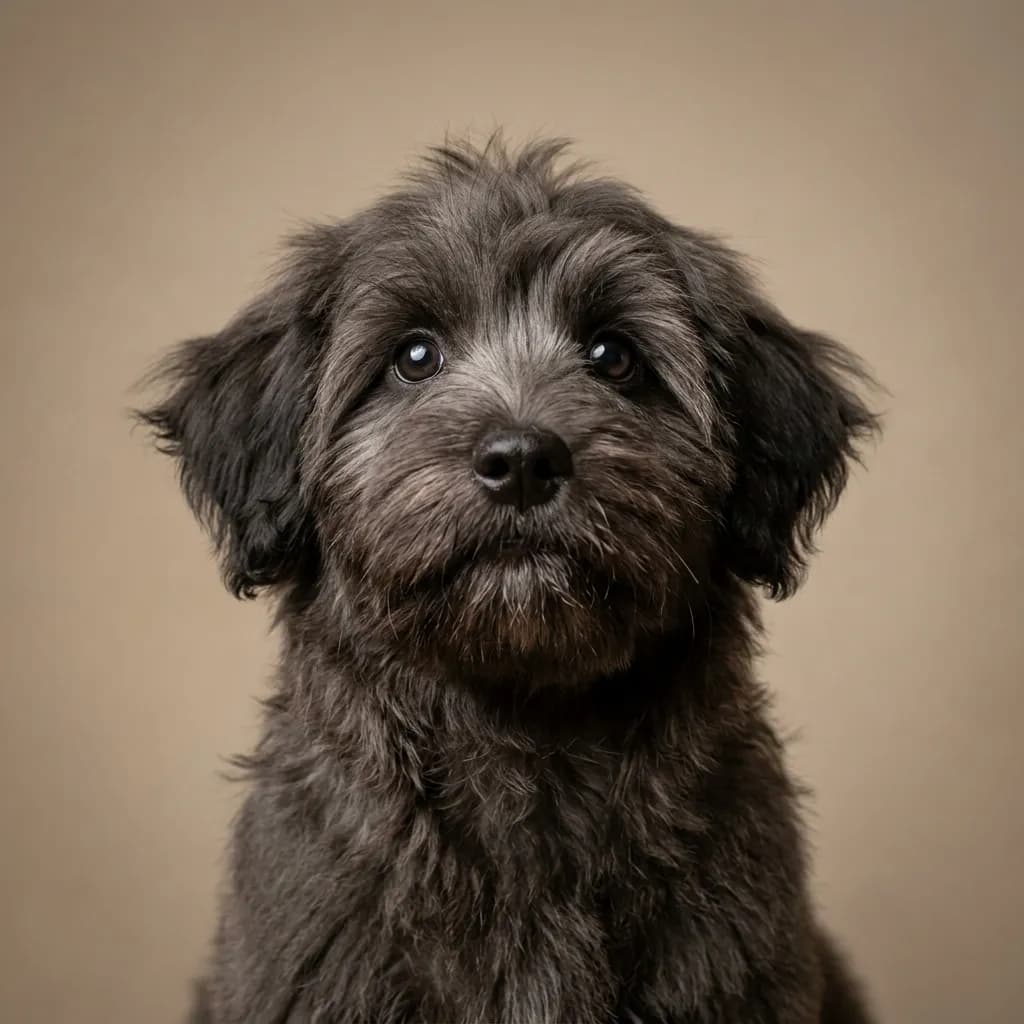
You’re not really comparing these two breeds unless you’ve fallen for their old-world charm and are wrestling with what kind of life you can actually give a dog. On paper, they couldn’t be more different. one’s a towering, droopy-faced bloodhound built like a tank for trailing fugitives across miles of wilderness. The other’s a low-slung, coat-dragging skye terrier from the misty edges of Scotland, bred to crawl into rocky dens after foxes. But people line them up because both are rare, both are stubborn in their own ways, and both demand a certain kind of owner who values loyalty over convenience. The bloodhound will turn your backyard into a escape-artistry project if it catches a whiff of something interesting. this dog lives for scent. It’s loud, it slobbers, and it won’t come when called if its nose says otherwise. You need space, a solid fence, and the patience to manage a dog that’s more partner than puppet. Meanwhile, the skye terrier is quiet, dignified, and intensely attached to its person. It won’t track a fugitive, but it will follow you from room to room like a furry shadow. That coat? It’s not just high-maintenance. it’s a daily commitment, or else it mats into dreadlocks. Families with older kids or rural space might handle the bloodhound’s size and volume. But if you want a small, velcro-like companion and don’t mind grooming for an hour a week, the skye terrier bonds like few others. Here’s the real talk: both are stubborn, but the bloodhound’s independence is physical. it’ll leave if it can. The skye terrier’s is emotional. it’ll ignore you just to prove it doesn’t have to obey. Know which kind of stubborn you can live with.
Trait-by-trait
Higher bar = more of that trait. Shedding, barking, drooling, grooming flipped for readability.Where they diverge
Choose the Bloodhound if…
- Active people
- Rural homes
- Hunters
- You value drooling level — Bloodhound scores noticeably higher.
Choose the Skye Terrier if…
- Experienced terrier owners
- Adults and older children households
- Those wanting a loyal, devoted breed
- You value affectionate w/ family — Skye Terrier scores higher here.