Bloodhound vs Sussex Spaniel
Side-by-side comparison across all 14 AKC trait ratings, with a clear verdict on which breed fits which kind of household.

Not sure which breed fits your life?
Answer five questions about your home, your schedule, and your tolerance for shedding. We’ll match you to your top three breeds from over 200.
Bloodhound vs Sussex Spaniel
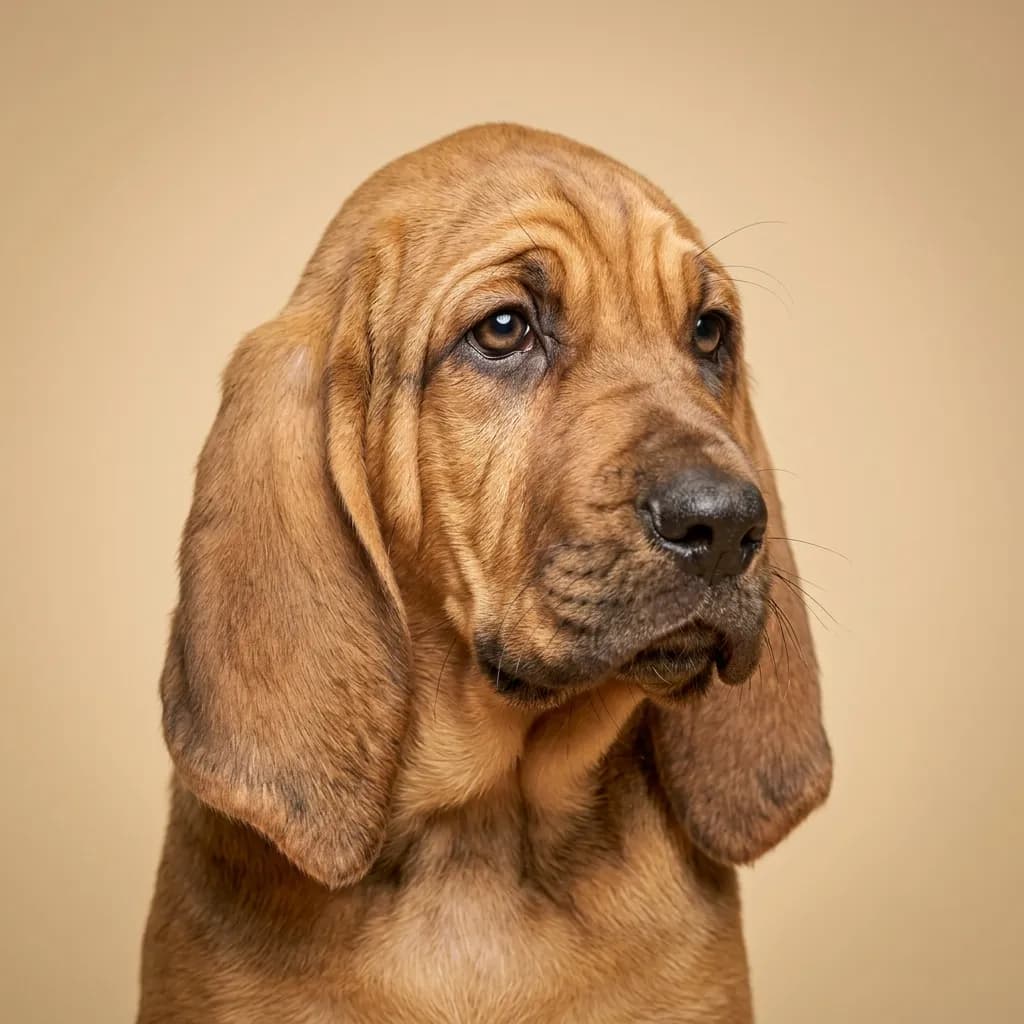
You’re not going to see a Bloodhound and a Sussex Spaniel side by side at the dog park every day, but people compare them when they’re looking for a dog with a nose for adventure and a soft spot for family. Both are scent-driven, both are friendly, and both have ears that seem way too big for their heads. But that’s where the similarities end. The Bloodhound is a one-track mind wrapped in wrinkles. This dog will follow a scent for miles, ignoring rain, traffic, or your increasingly panicked calls. They’re built for tracking, not tight obedience, and that independence means they won’t do well in an apartment or without a secure yard. They’re gentle with kids but not exactly playful, and their deep bay carries for blocks. so your neighbors will know when a squirrel so much as breathes near your fence. The Sussex Spaniel is more of a steady companion. He’s got that same love of scent work, yes, but he’s built for teamwork, not solo missions. He moves slowly through thick cover, giving hunters time to keep up, and he brings that same calm to home life. He’s more adaptable, happier in a suburban yard, and way more likely to curl up beside you after a walk than pull you down the street. Here’s the real difference most people miss: the Bloodhound tests your patience with his stubbornness and drool; the Sussex tests your wallet and vet budget. He’s prone to back issues and heart problems, and finding a reputable breeder can cost over $3,000. Choose the Bloodhound if you need a tracker and have space and experience. Choose the Sussex if you want a loyal, affectionate companion who just happens to love sniffing as much as napping. Just be ready for the upkeep either way.
Trait-by-trait
Higher bar = more of that trait. Shedding, barking, drooling, grooming flipped for readability.Where they diverge
Choose the Bloodhound if…
- Active people
- Rural homes
- Hunters
- You value drooling level — Bloodhound scores noticeably higher.
Choose the Sussex Spaniel if…
- Moderately active owners
- Hunters in dense cover
- Families with children
- You value affectionate w/ family — Sussex Spaniel scores higher here.