Bloodhound vs Tibetan Mastiff
Side-by-side comparison across all 14 AKC trait ratings, with a clear verdict on which breed fits which kind of household.
Not sure which breed fits your life?
Answer five questions about your home, your schedule, and your tolerance for shedding. We’ll match you to your top three breeds from over 200.
Bloodhound vs Tibetan Mastiff
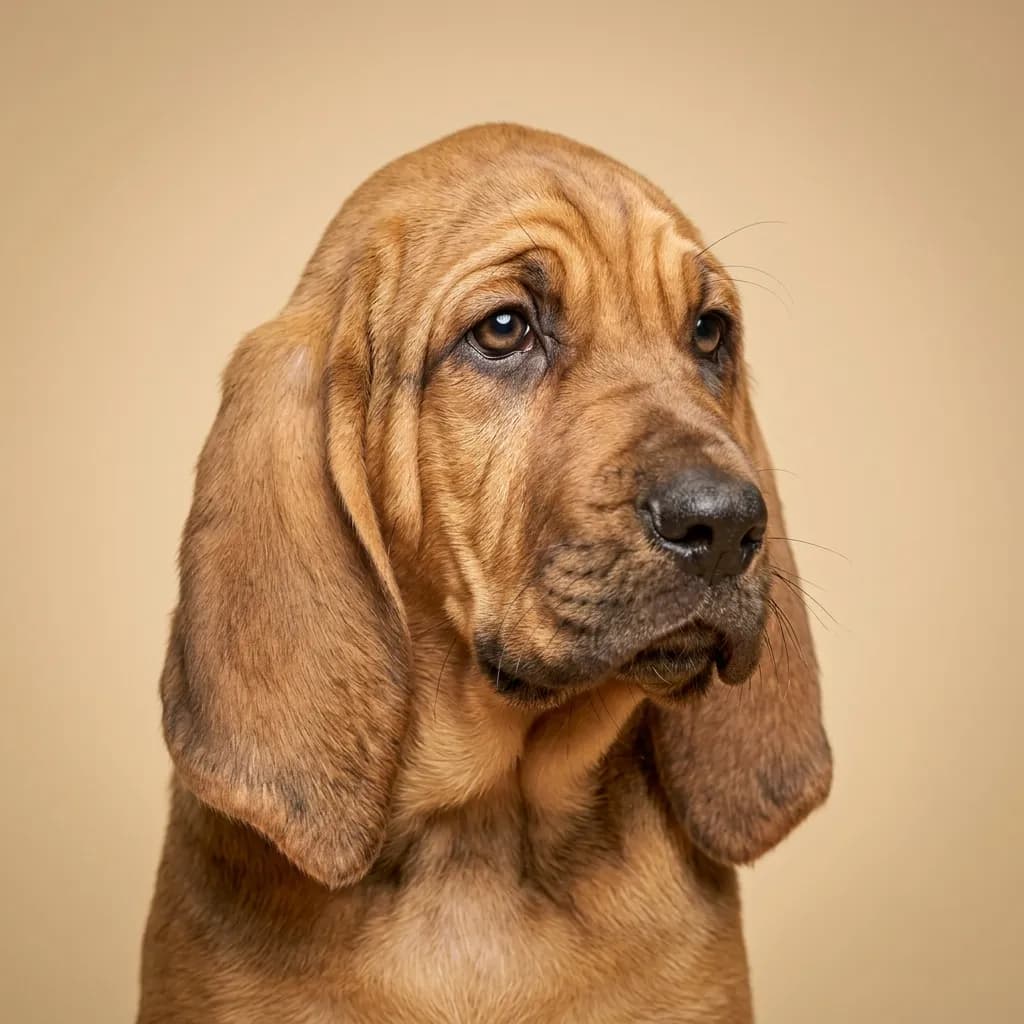
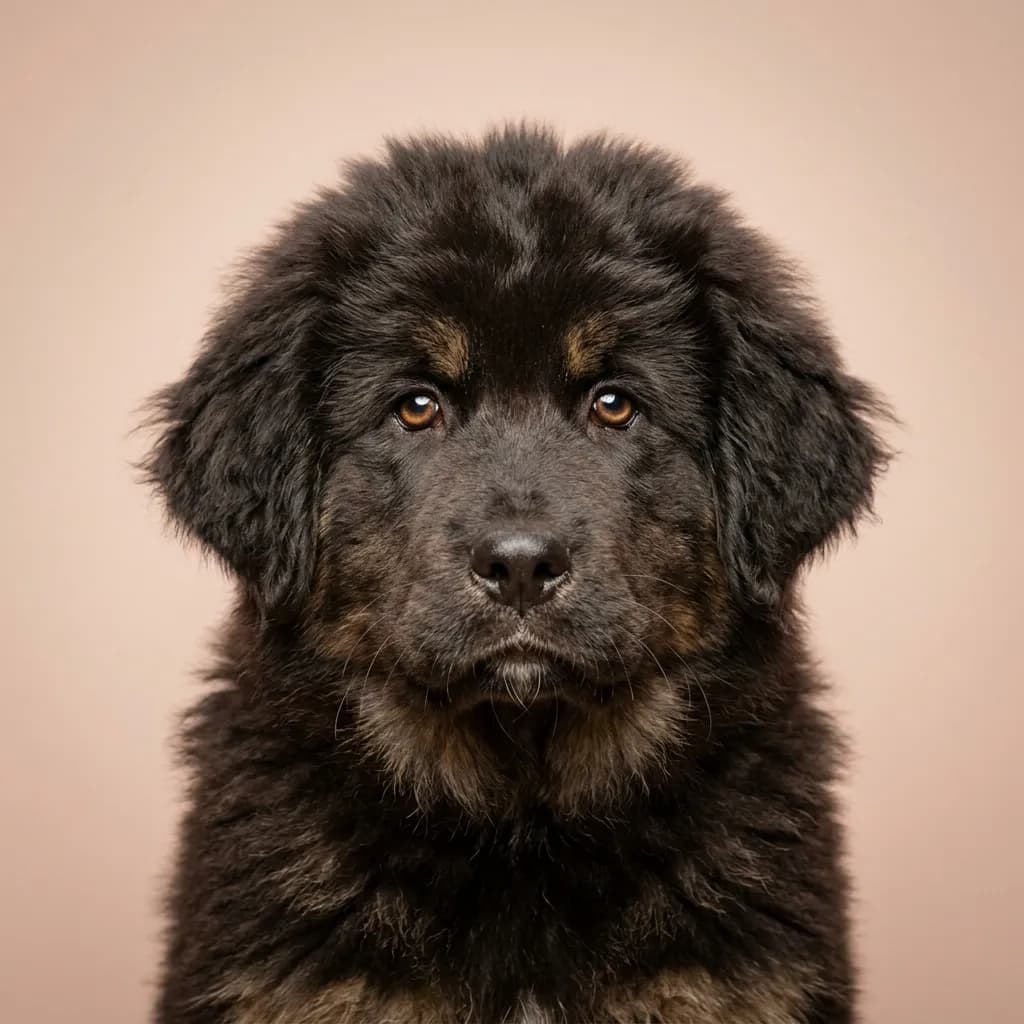
People don’t usually pit a Bloodhound against a Tibetan Mastiff, but if you’re standing in your barn at 3 a.m. wondering why your dog is howling at the wind instead of chasing a scent trail through the woods, you might start connecting dots. These two are giant-sized, independent-minded, and not built for city life. But that’s where the similarities end. The Bloodhound is a living bloodhound. It’s all about the nose. This dog will follow a scent for miles, ignoring commands, dinner, even danger. It’s friendly with everyone, which makes it useless as a guard dog, but it’s loyal and goofy in that droopy, slobbery way you either love or can’t tolerate. You’ll need a six-foot fence because if a deer crosses your yard, your dog is gone. And it will bark. A lot. Great with older kids who won’t be knocked over by its enthusiasm. The Tibetan Mastiff? It’s not your friend. It’s your mountain. Calm, aloof, built like a lion, it watches. It judges. It decides who gets close to you. Where the Bloodhound is driven by scent, the Mastiff is driven by instinct. guarding its territory with quiet intensity. It’s not hyper, but it needs mental engagement or it gets bored and destructive. And the shedding? You’ll find hair in July from the April blowout. Here’s the real talk: both need experienced hands, but for opposite reasons. The Bloodhound will exploit your lack of consistency with cheerful determination. The Mastiff will exploit it with silent contempt. If you want a partner in adventure, pick the Bloodhound. If you want a sovereign on your property, pick the Mastiff. Just don’t expect either to come when called. unless something they want is in the wind.
Trait-by-trait
Higher bar = more of that trait. Shedding, barking, drooling, grooming flipped for readability.Where they diverge
Choose the Bloodhound if…
- Active people
- Rural homes
- Hunters
- You value drooling level — Bloodhound scores noticeably higher.
Choose the Tibetan Mastiff if…
- Experienced large-breed owners
- Cold climate households
- Those wanting a serious guardian breed
- You value watchdog / protective — Tibetan Mastiff scores higher here.