Bolognese vs Icelandic Sheepdog
Side-by-side comparison across all 14 AKC trait ratings, with a clear verdict on which breed fits which kind of household.
Not sure which breed fits your life?
Answer five questions about your home, your schedule, and your tolerance for shedding. We’ll match you to your top three breeds from over 200.
Bolognese vs Icelandic Sheepdog
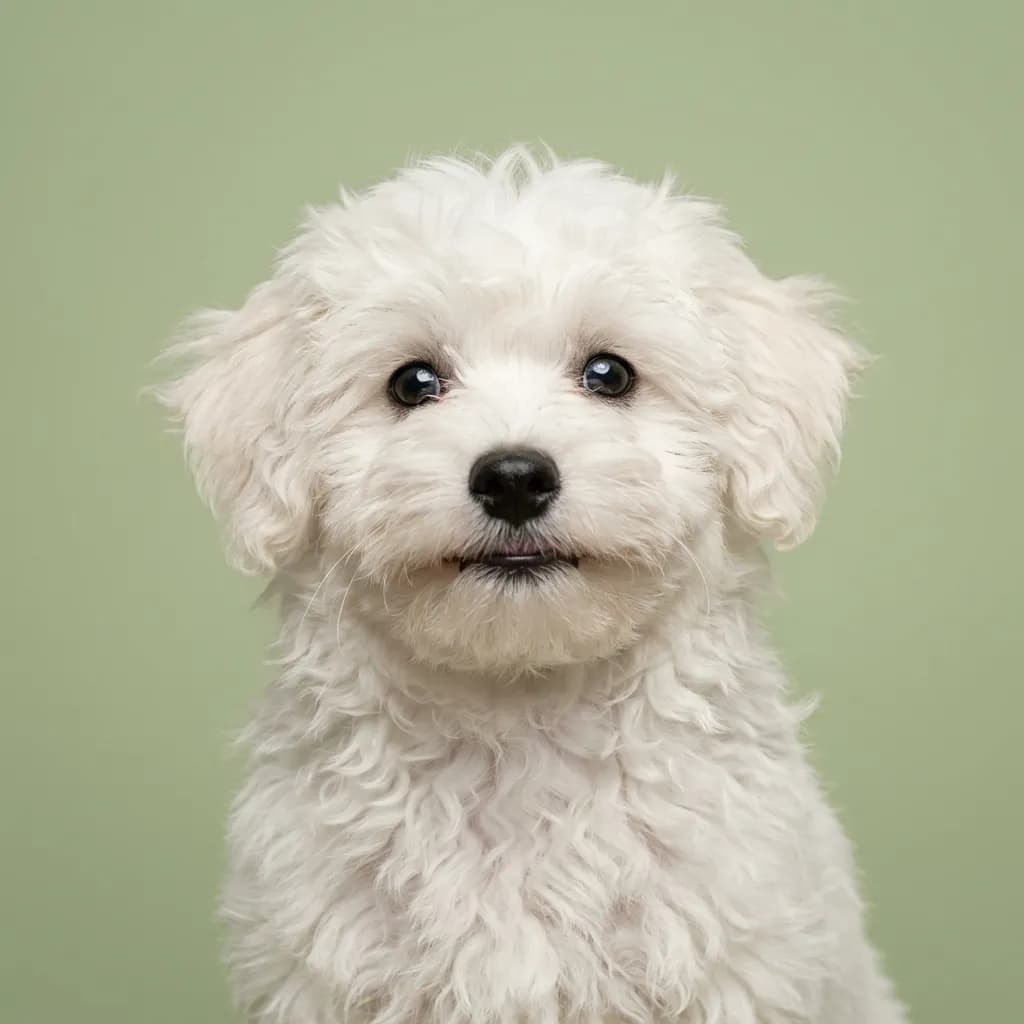
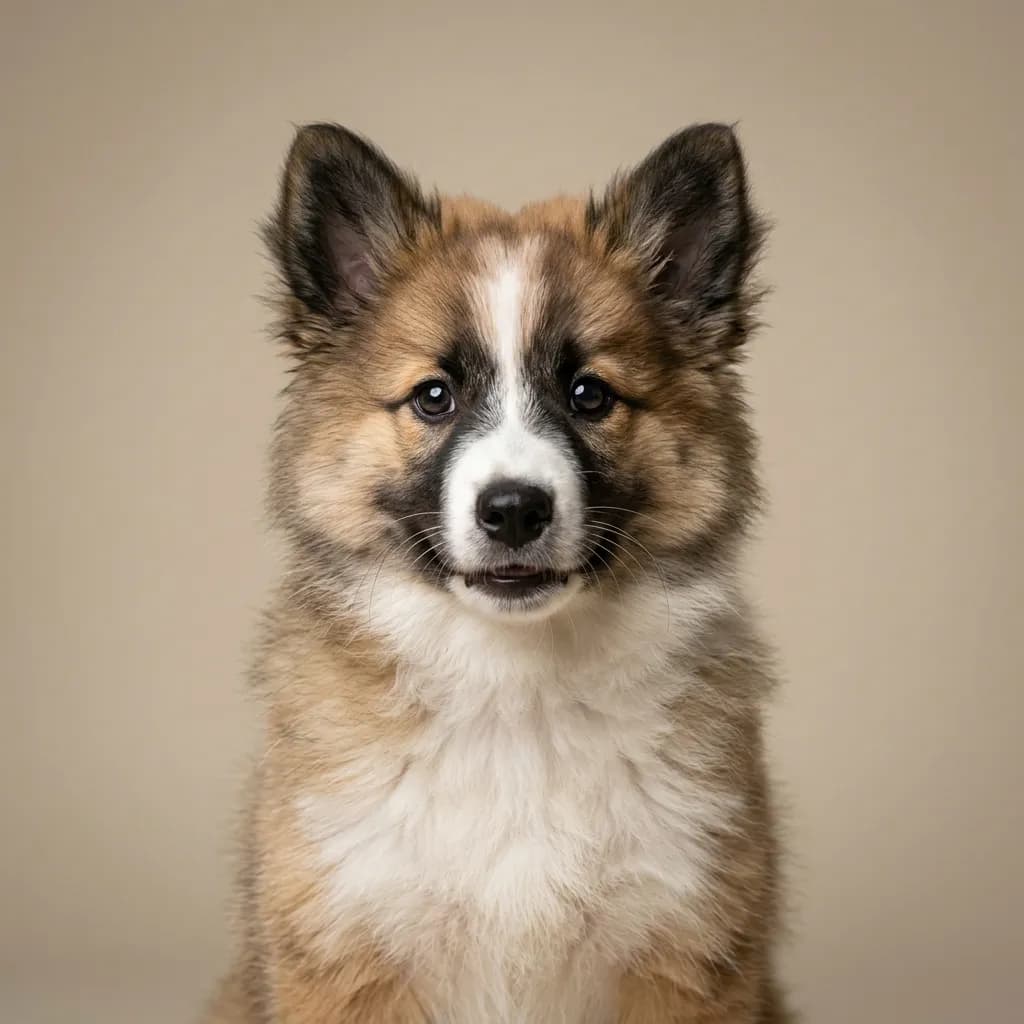
People compare the Bolognese and Icelandic Sheepdog because both are cheerful, fluffy little dogs with big personalities, but that’s where the similarity ends. One is a lapdog in a fancy coat, the other a working breed with a wagging tail and a to-do list. The Bolognese is the quiet confidant. At just 9 pounds, it’s built for life in a sunlit apartment, curling up beside you during Zoom meetings or sitting quietly at your feet in a café. It’s deeply affectionate, thrives on human presence, and won’t blow your eardrums with barking. If you work from home or are a senior wanting a velcro dog that doesn’t shed, this Italian charmer fits like a glove. But leave it alone too long, and it’ll spiral into anxiety. It’s not lazy, but its energy is emotional, not physical. The Icelandic Sheepdog, meanwhile, is a 30-pound bundle of nordic enthusiasm. It was bred to work rugged terrain in Iceland, herding sheep with grit and gusto. It’s louder, hairier, and needs daily adventures. long walks, dog sports, anything that keeps its brilliant mind ticking. It’s fantastic with kids, barks with purpose, and actually enjoys cold, wet hikes. But in a small apartment with a desk-bound owner? It’ll turn your slippers into chew toys. Here’s the real insight: the Bolognese bonds with one or two people deeply, almost like a cat with a favorite human. The Icelandic Sheepdog loves the whole household equally. and wants all of them to play. If you want a personal companion, go Bolognese. If you want a family mascot with engine, choose the Icelandic. One is a whisper of devotion, the other a joyful shout. Pick based on the sound you want in your life.
Trait-by-trait
Higher bar = more of that trait. Shedding, barking, drooling, grooming flipped for readability.Where they diverge
Choose the Bolognese if…
- Apartments
- Seniors
- Allergy sufferers
- You value coat grooming — Bolognese scores noticeably higher.
Choose the Icelandic Sheepdog if…
- Active families
- Cold climates
- Families with children
- You value good with young children — Icelandic Sheepdog scores higher here.