Boston Terrier vs Chesapeake Bay Retriever
Side-by-side comparison across all 14 AKC trait ratings, with a clear verdict on which breed fits which kind of household.

Not sure which breed fits your life?
Answer five questions about your home, your schedule, and your tolerance for shedding. We’ll match you to your top three breeds from over 200.
Boston Terrier vs Chesapeake Bay Retriever
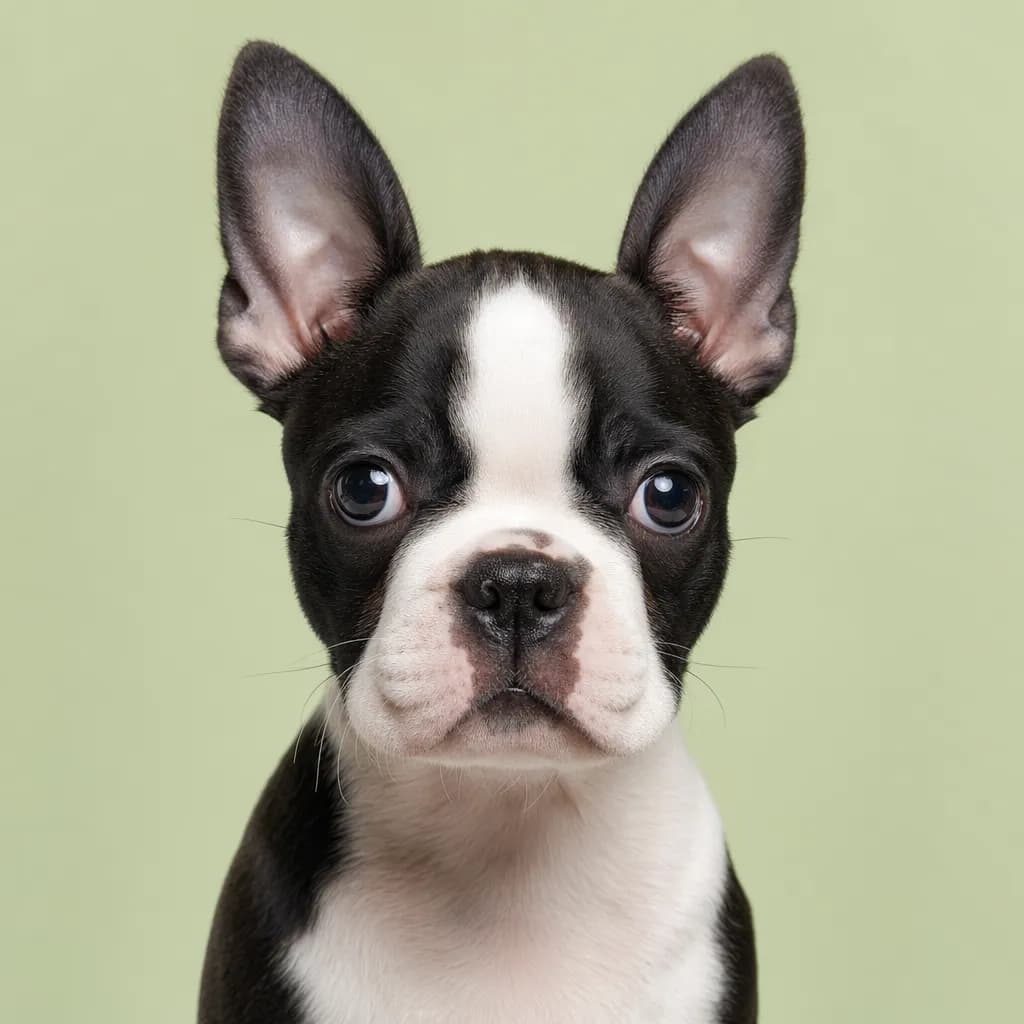
You’re not really comparing apples to oranges here. you’re weighing a compact city dweller against a rugged outdoor athlete. People pit Boston Terriers against Chesapeake Bay Retrievers when they want a loyal American-bred dog but haven’t yet figured out whether their lifestyle leans more toward weekend hikes or couch cuddles. The Boston Terrier is your cheerful, low-maintenance(ish) roommate in a tuxedo. He’s perfect if you live in an apartment, have kids, or just want a dog who’s eager to please and easy to love. He’ll learn tricks fast and adapt to your routine. just don’t push him in summer heat. His flat face means breathing can be a real issue, and some end up needing surgery, which hits the wallet hard. But he’s a pro at affection, great with kids, and won’t shed up your entire house. The Chessie? He’s built for purpose. Strong, water-loving, and mentally sharp, he thrives when he has a job. like fetching ducks out of icy ponds. He’s not as instantly sweet with strangers or small kids as the Boston, and he needs space and activity. Shedding is moderate but constant, and his coat smells like wet dog after rain. fair warning. But if you’re active, live near water, or hunt, he’s a partner, not just a pet. Here’s the real talk: the Boston looks like a low-effort dog but can have high medical costs. The Chessie seems rugged but needs consistent leadership. you can’t wing it with a first dog. Pick the Boston if your life is indoors and full of people. Pick the Chessie if your boots are always muddy and your weekends involve lakes.
Trait-by-trait
Higher bar = more of that trait. Shedding, barking, drooling, grooming flipped for readability.Where they diverge
Choose the Boston Terrier if…
- Apartments
- Families
- First-time owners
- You value good with young children — Boston Terrier scores noticeably higher.
Choose the Chesapeake Bay Retriever if…
- Active families
- Hunters and waterfowlers
- Cold and wet climate owners
- You value shedding level — Chesapeake Bay Retriever scores higher here.