Broholmer vs Russian Tsvetnaya Bolonka
Side-by-side comparison across all 14 AKC trait ratings, with a clear verdict on which breed fits which kind of household.

Not sure which breed fits your life?
Answer five questions about your home, your schedule, and your tolerance for shedding. We’ll match you to your top three breeds from over 200.
Broholmer vs Russian Tsvetnaya Bolonka
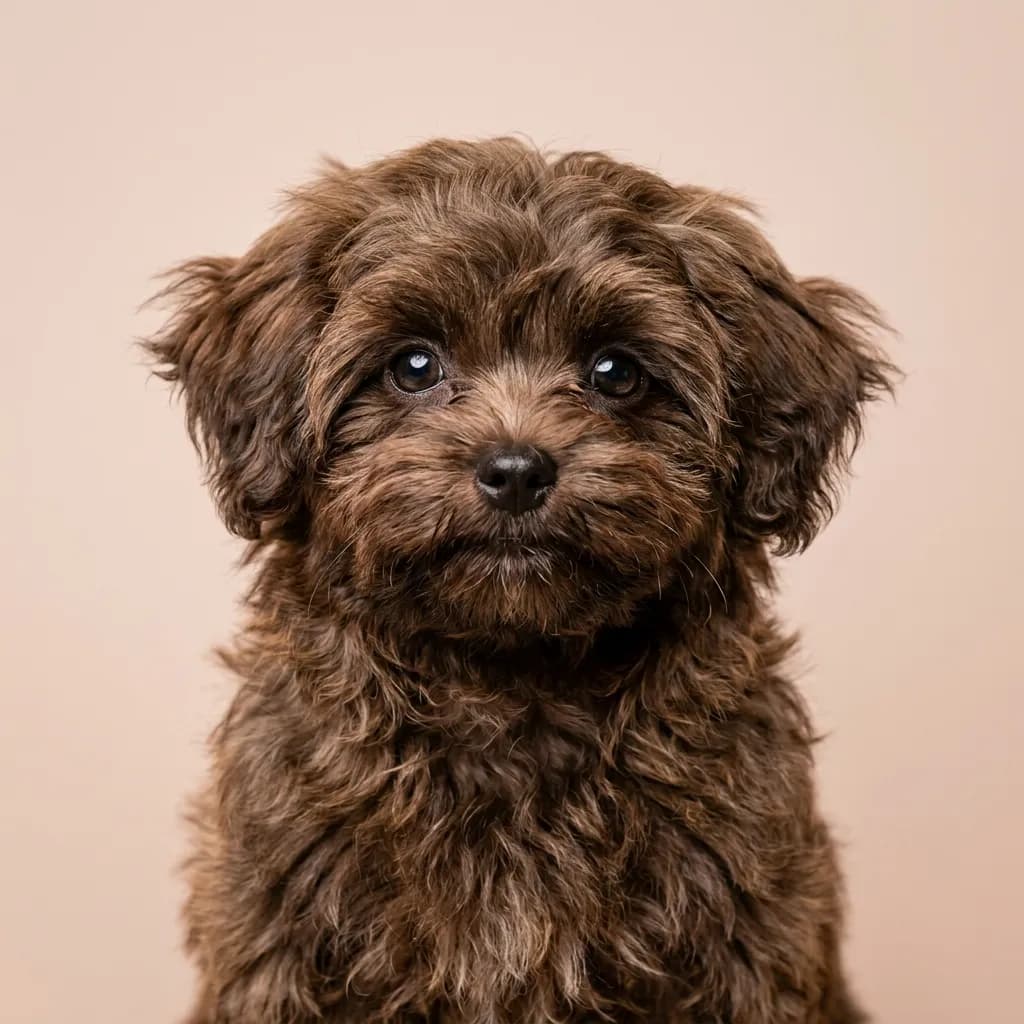
You’d never guess people compare a Broholmer to a Russian Tsvetnaya Bolonka. until you realize both are rare, deeply affectionate, and show up in searches for “gentle companion dogs.” That’s where the similarities end. One could knock over your coffee table just by wagging its tail. The other fits in a tote bag. The Broholmer is a gentle giant from Denmark, built like a draft horse with the soul of a sleepy librarian. At 90 to 150 pounds, this dog needs space, strength, and experience to handle. It’s calm, low-barking, and deeply loyal, making it a quiet guardian for families with yards and time. But it’s not for the faint of heart. or the fragile of floorboards. You’ll need to watch for bloat and hip issues, and know that your walks will draw stares. The Bolonka, meanwhile, is a tiny, fluffy charmer from Russia, bred to warm aristocratic laps. It’s playful, alert, and barks at the toaster, thriving on attention. If you live in a studio apartment or travel often, this little clown adapts instantly. Allergy sufferers love its low-shedding coat, but be ready for daily grooming and dental vigilance. It’s not a couch potato. it wants to be with you, always. Pick the Broholmer if you want a serene, imposing presence and can manage a giant’s needs. Choose the Bolonka if you crave a portable, sprightly shadow who’ll nap in your sweater. Here’s the truth the breeders won’t tell you: the Bolonka’s biggest flaw isn’t health. it’s that it hates being alone. Leave it too long, and that sweet companion becomes a howling, anxious mess. The Broholmer? It’ll wait. Quietly. For hours. Just don’t expect it to fit in your car.
Trait-by-trait
Higher bar = more of that trait. Shedding, barking, drooling, grooming flipped for readability.Where they diverge
Choose the Broholmer if…
- experienced large-breed owners
- families with children
- homes with large yards
- You value shedding level — Broholmer scores noticeably higher.
Choose the Russian Tsvetnaya Bolonka if…
- Apartment living
- Seniors
- Families with gentle children
- You value barking level — Russian Tsvetnaya Bolonka scores higher here.