Bulldog vs Chesapeake Bay Retriever
Side-by-side comparison across all 14 AKC trait ratings, with a clear verdict on which breed fits which kind of household.

Not sure which breed fits your life?
Answer five questions about your home, your schedule, and your tolerance for shedding. We’ll match you to your top three breeds from over 200.
Bulldog vs Chesapeake Bay Retriever
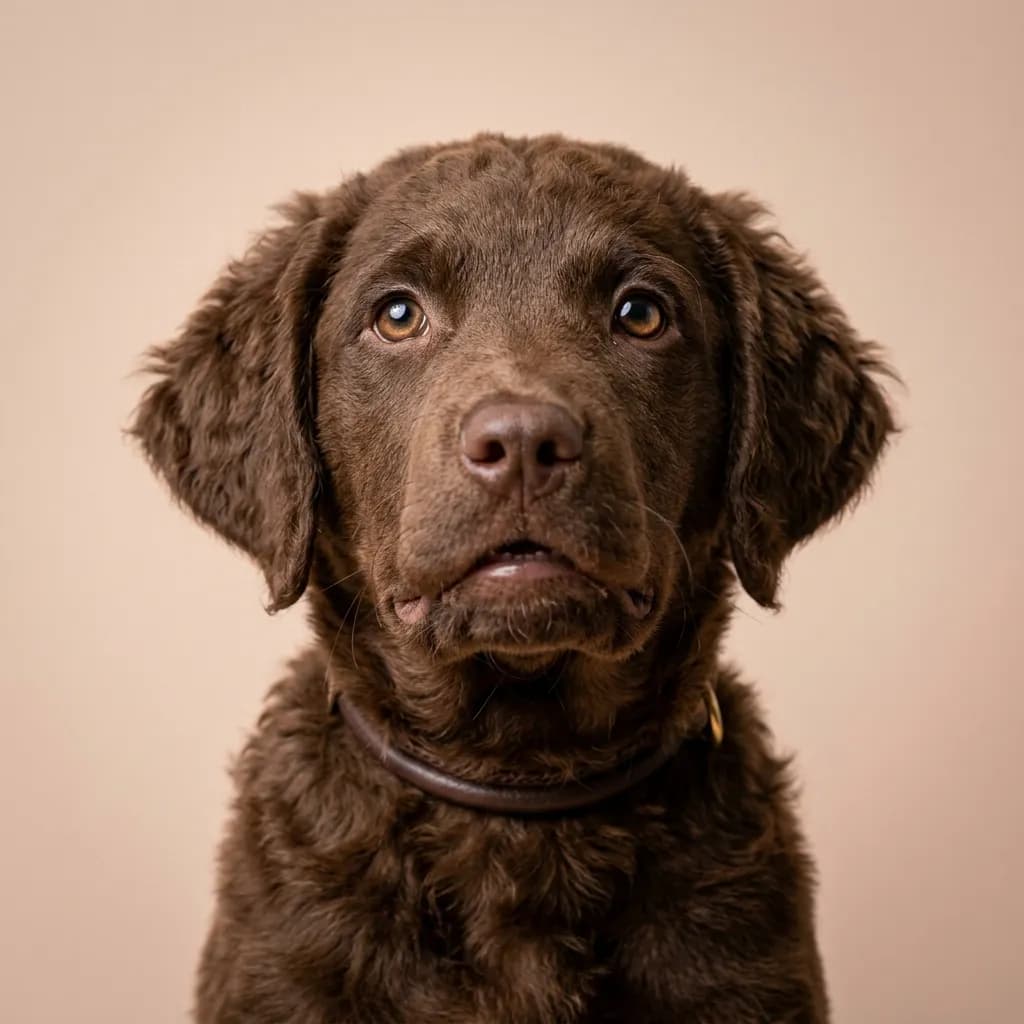
You don’t see a Bulldog and a Chessie side by side at the dog park every day, but people compare them when they’re looking for a loyal, family-oriented dog and get stuck between a cuddler and a worker. One’s built like a stocky couch potato, the other like a weather-beaten athlete who’s never met a puddle he didn’t love. The Bulldog’s charm is in his quiet defiance. he’s happy on the sofa, indifferent to your lack of ambition, and will flat-out refuse a walk in the heat. He’s great if your idea of adventure is a trip to the diner. But that pushed-in face? It means breathing trouble, vet bills, and a dog who can’t handle summer humidity. You’ll pay more upfront too, often well over $3,000 for a responsibly bred pup. The Chessie, on the other hand, was forged by stormy East Coast waters. He’s not just built for action. he needs it. This dog will happily retrieve ducks in freezing surf, then track a squirrel through the backyard with intense focus. He’s smarter and more driven than the Bulldog, easier to train, and holds up better health-wise with a longer lifespan. But he’s not lazy Sunday energy. he requires daily physical and mental work. Skip the walk and he’ll find his own job, like redecorating your trash can. Pick the Bulldog if you want a calm, affectionate roommate who fits a small space and doesn’t care about exercise. Pick the Chessie if your life involves the outdoors, kids who play hard, or a love of hunting or hiking. Here’s the real talk: the Bulldog looks tough but is actually fragile. The Chessie looks rugged and absolutely is. built not just to survive real work, but to thrive on it.
Trait-by-trait
Higher bar = more of that trait. Shedding, barking, drooling, grooming flipped for readability.Where they diverge
Choose the Bulldog if…
- Apartment living
- Families with children
- Less active owners
- You value drooling level — Bulldog scores noticeably higher.
Choose the Chesapeake Bay Retriever if…
- Active families
- Hunters and waterfowlers
- Cold and wet climate owners
- You value watchdog / protective — Chesapeake Bay Retriever scores higher here.