Bulldog vs Russian Tsvetnaya Bolonka
Side-by-side comparison across all 14 AKC trait ratings, with a clear verdict on which breed fits which kind of household.

Not sure which breed fits your life?
Answer five questions about your home, your schedule, and your tolerance for shedding. We’ll match you to your top three breeds from over 200.
Bulldog vs Russian Tsvetnaya Bolonka
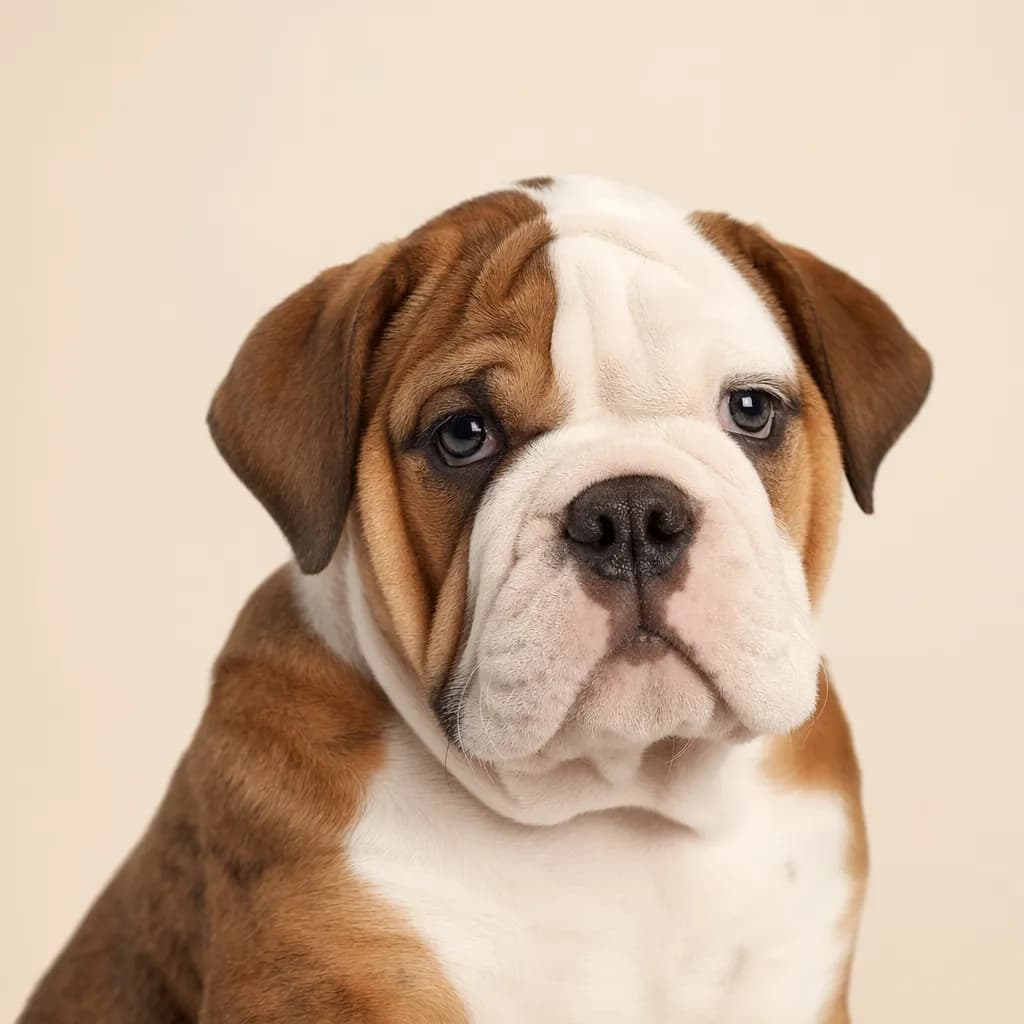
People compare Bulldogs and Russian Tsvetnaya Bolonkas because both are compact, affectionate dogs that thrive in apartments and lean hard into the “lapdog with personality” role. On paper, they’re both calm, trainable, and good with kids. But in real life, they’re worlds apart. like comparing a velvety couch potato to a tiny, glittery court jester. The Bulldog is the big-boned homebody with a wheezy snore and zero shame about stealing the whole bed. He’s sturdy at 50 pounds, built low to the ground, and his face carries the wisdom of a dog who’s survived centuries of poor breeding choices. He’s sweet and patient, but he overheats easily and won’t walk more than a few blocks. You’ll spend more on vet bills. brachycephalic issues aren’t cheap. and grooming is deceptively high if you want to keep those skin folds from turning septic. The Bolonka, meanwhile, is under 11 pounds of fluff and feistiness. She’s hypoallergenic, rarely sheds, and adapts to almost any home. except maybe one with a chihuahua-sized Napoleon complex. She barks more, yes, but she’s also more alert, more attached, and more likely to follow you into the bathroom like a tiny, yappy shadow. Families wanting a stoic kid companion might lean Bulldog. But if you travel, have allergies, or live in a hot city, the Bolonka’s adaptability and lighter physical footprint win. Here’s the real talk: Bulldogs look tough but are fragile. Bolonkas look delicate but are emotionally resilient. One honest insight? The Bolonka bonds deeper and faster. if you’re gone more than eight hours, she’ll suffer. The Bulldog will just nap. Choose based on who’s home more: your dog or you.
Trait-by-trait
Higher bar = more of that trait. Shedding, barking, drooling, grooming flipped for readability.Where they diverge
Choose the Bulldog if…
- Apartment living
- Families with children
- Less active owners
- You value shedding level — Bulldog scores noticeably higher.
Choose the Russian Tsvetnaya Bolonka if…
- Apartment living
- Seniors
- Families with gentle children
- You value adaptability — Russian Tsvetnaya Bolonka scores higher here.