Bullmastiff vs Great Pyrenees
Side-by-side comparison across all 14 AKC trait ratings, with a clear verdict on which breed fits which kind of household.
Not sure which breed fits your life?
Answer five questions about your home, your schedule, and your tolerance for shedding. We’ll match you to your top three breeds from over 200.
Bullmastiff vs Great Pyrenees
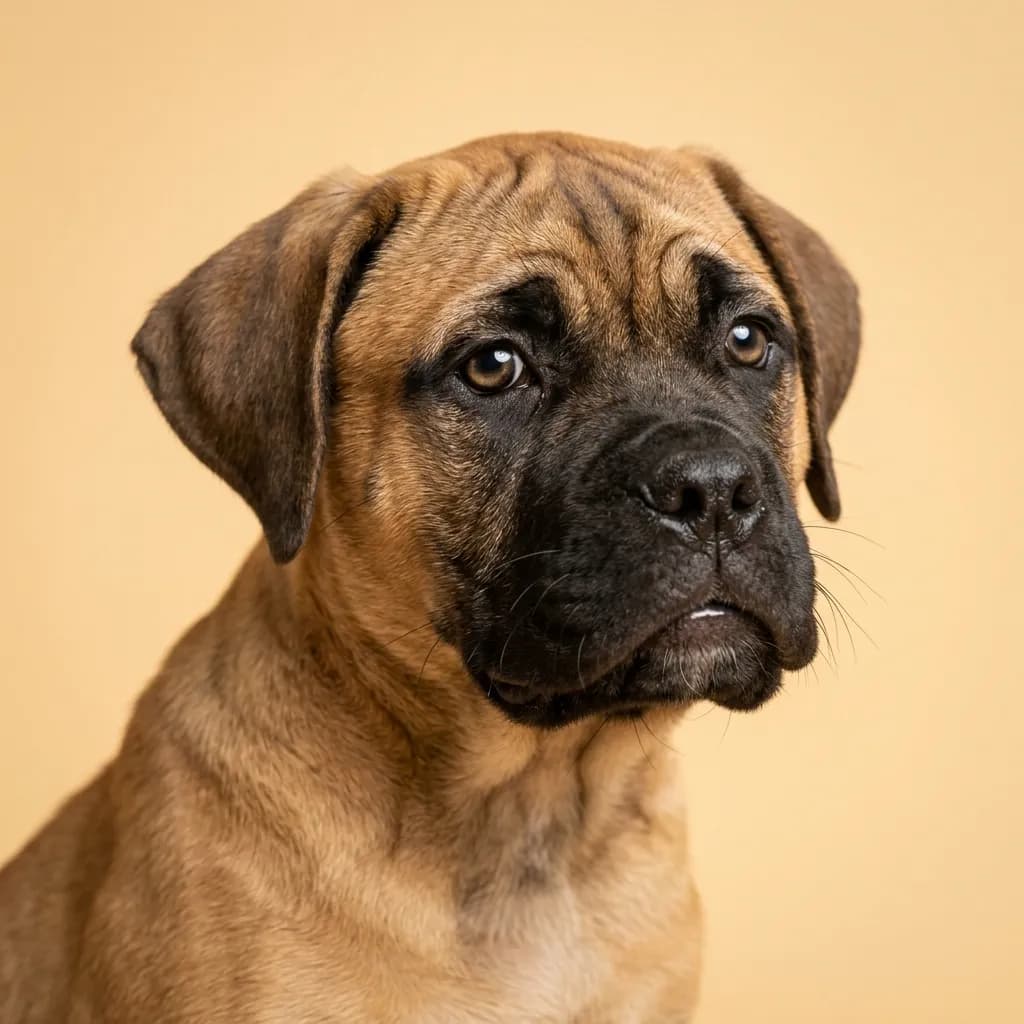
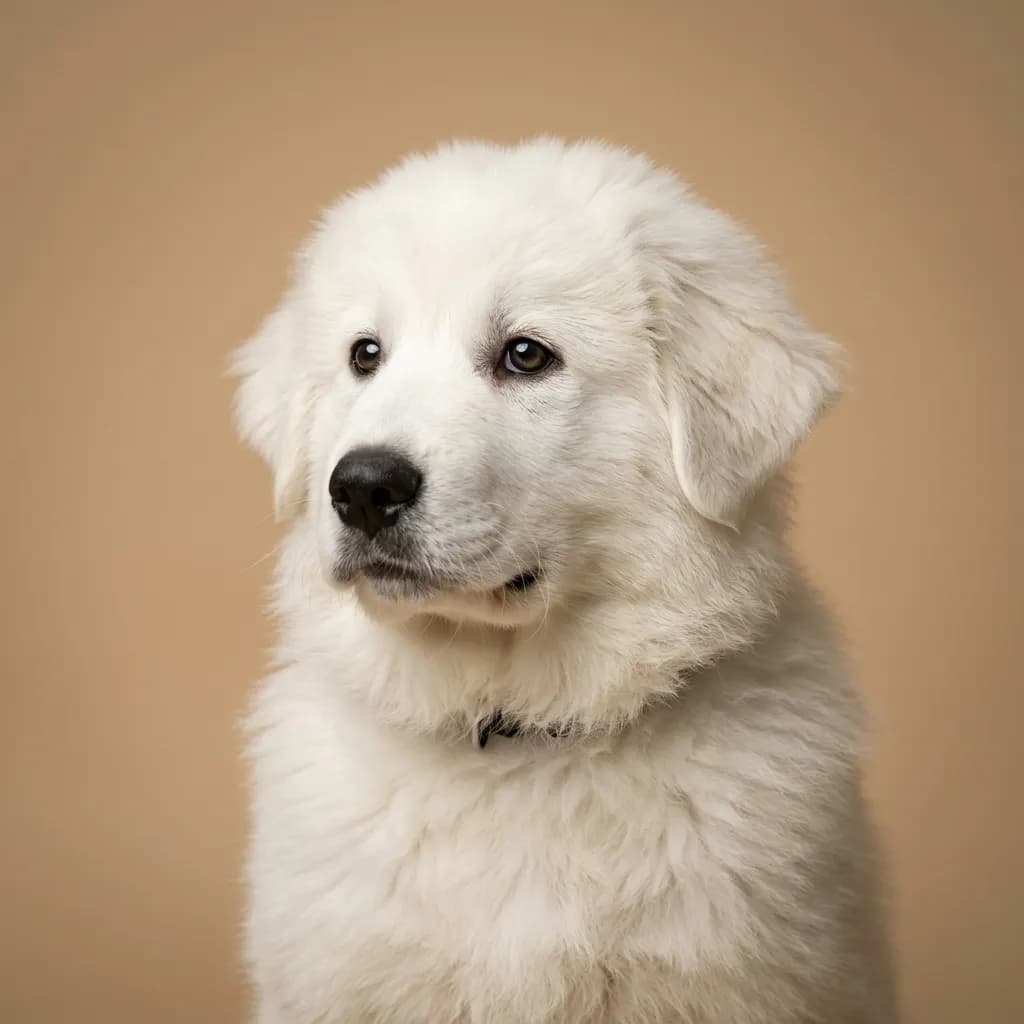
People toss Bullmastiffs and Great Pyrenees into the same "big dog" bucket, but they’re built for entirely different worlds. One’s a silent enforcer from English estates, the other a mountain monk who talks back to wolves. If you’re picturing a gentle giant that blends into family life while standing guard, you’re probably imagining one of these two. but choosing the right one means understanding what kind of giant you’re ready to live with. The Bullmastiff is a powerhouse with quiet confidence. He’s not loud, he’s not needy, but he’s always watching. Bred to take down poachers, he’s got courage wired into his DNA and a loyalty that runs deep. He’s more eager to please than the Pyrenees, picks up training faster, and bonds tightly with his people. But he’s dense, stubborn in hot weather, and not the best playmate for little kids who might get knocked over. He wants to be near you, always. The Great Pyrenees, on the other hand, is a guardian with a mind of his own. Calm, patient, and fiercely independent, he was born to spend nights on snowy slopes making sure no coyote gets near the flock. That means he’s fine being alone, won’t beg for affection, and may ignore you when it counts. He barks. sometimes a lot. to warn of motion, real or imagined. And that coat? It sheds like a blizzard twice a year. But with kids, he’s often a saint, tolerant and watchful. Here’s the real talk: the Bullmastiff needs a leader. The Pyrenees needs a job. If you don’t give either purpose, you’ll get destruction, not devotion. Want a velcro dog who guards with silence? Go Bullmastiff. Need a stoic, self-reliant sentinel for a rural property? The Pyrenees won’t let you down.
Trait-by-trait
Higher bar = more of that trait. Shedding, barking, drooling, grooming flipped for readability.Where they diverge
Choose the Bullmastiff if…
- Experienced dog owners
- Families with older children
- Homeowners with fenced yards
- You value trainability — Bullmastiff scores noticeably higher.
Choose the Great Pyrenees if…
- Livestock guardians
- Rural or farm living
- Families with children
- You value barking level — Great Pyrenees scores higher here.