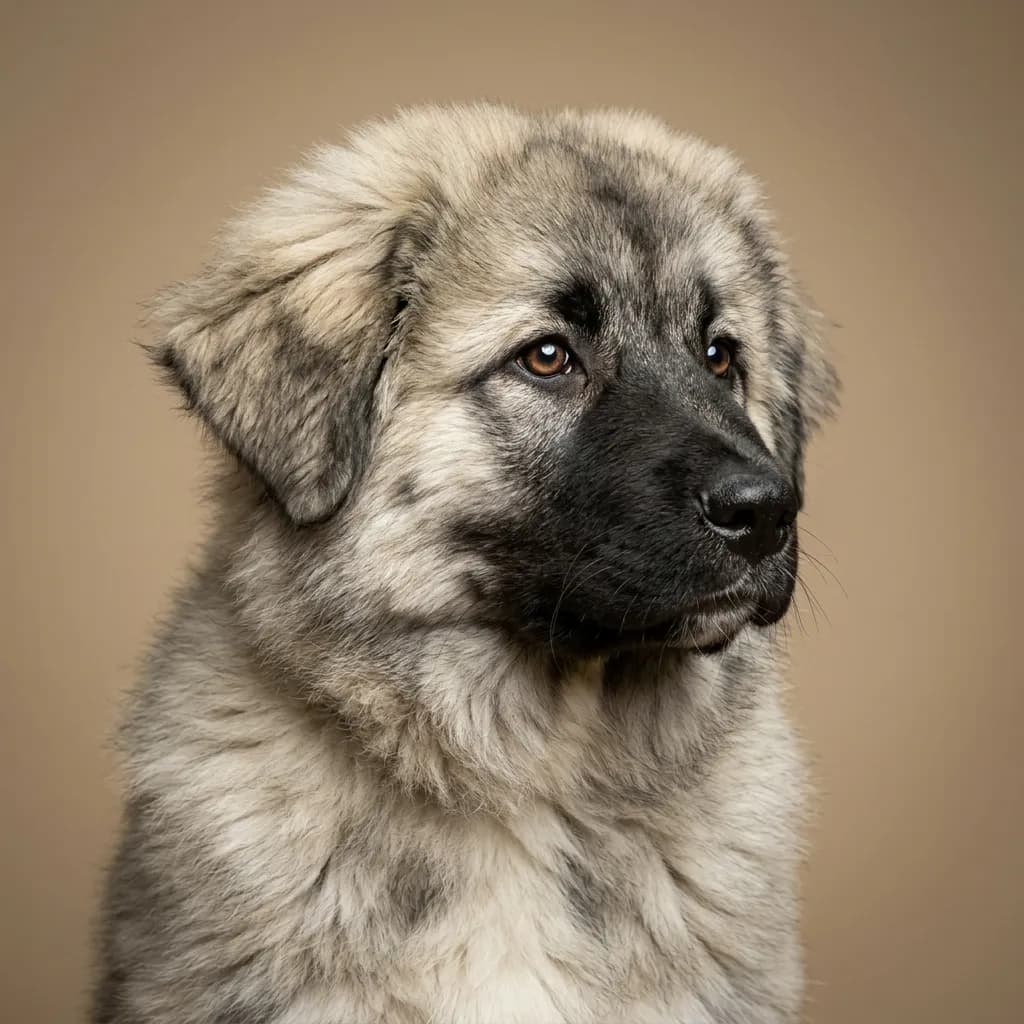
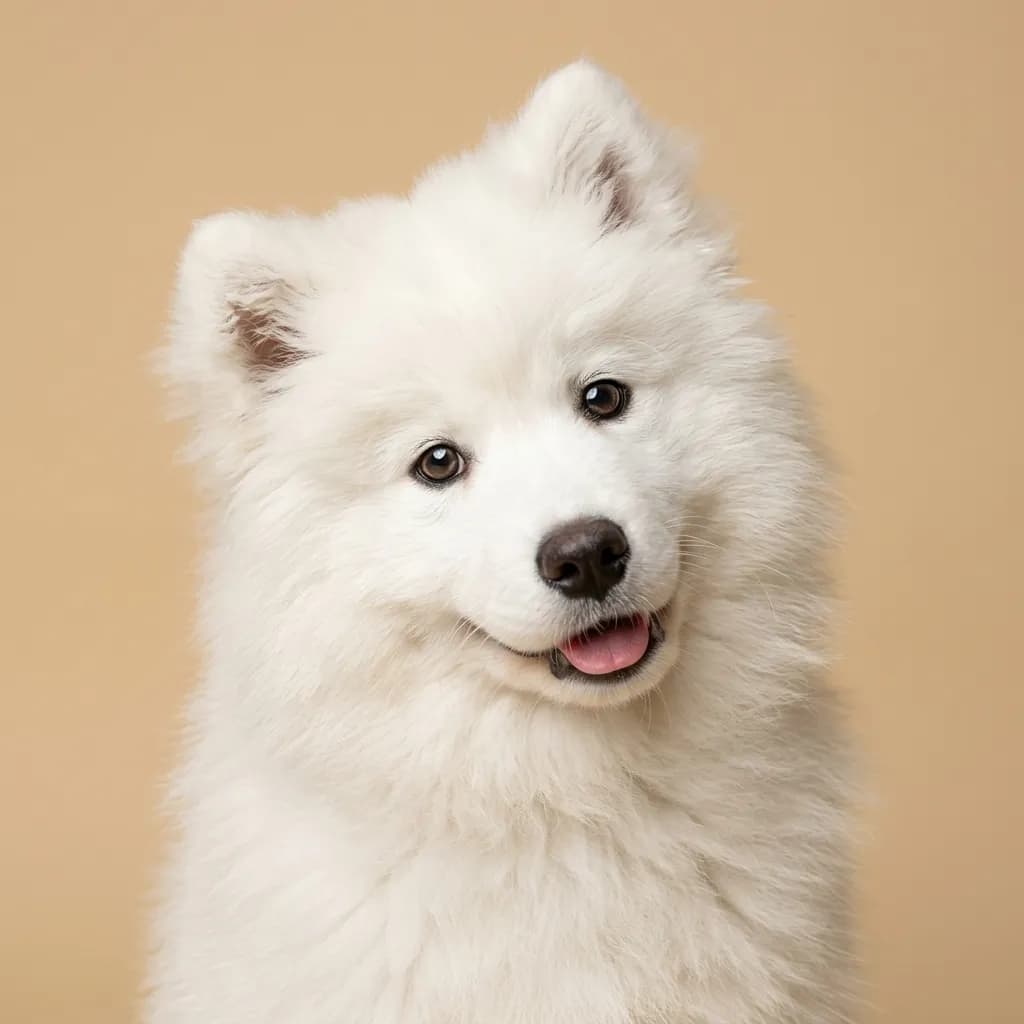
Caucasian Shepherd Dog vs Samoyed
Side-by-side comparison across all 14 AKC trait ratings, with a clear verdict on which breed fits which kind of household.
Not sure which breed fits your life?
Answer five questions about your home, your schedule, and your tolerance for shedding. We’ll match you to your top three breeds from over 200.
Caucasian Shepherd Dog vs Samoyed
You’re probably comparing a Caucasian Shepherd and a Samoyed because they’re both big, fluffy, white dogs from cold parts of Russia that look like they belong on a snow-covered postcard. But that’s where the similarity ends. Think of it this way: one was built to stare down wolves at 3 a.m. on a remote mountain pass, the other was bred to smile at children and haul sleds with a team. They’re both strong and majestic, but they’re built for entirely different lives. The Caucasian Shepherd is a fortress on four legs. At over 100 pounds of muscle and bone, this dog isn’t looking to please you. it’s looking to protect what’s yours, whether you ask it to or not. It’s not aggressive by default, but it’s aloof, independent, and will make its own decisions. You need experience with large guardian breeds, space, and a reason for that kind of power. It won’t bark much, but when it does, it means business. The Samoyed is the social butterfly with a permanent grin. It’s lighter, bouncy, and thrives on interaction. You’ll need time for daily brushing and plenty of activities. this dog wants to be part of everything. It’s great with kids, loves strangers, and will bark at the mailman just because it’s exciting. Here’s the real talk: the Samoyed needs you emotionally. The Caucasian Shepherd merely tolerates your presence. If you want a partner, pick the Samoyed. If you want a loyal sentinel who respects you but does his own thing, go for the Shepherd. But don’t get either if you can’t handle commitment, cold weather, or serious grooming. And never, ever get a Caucasian Shepherd for a family with small kids or a tiny yard. That’s how legends turn into liability.
Trait-by-trait
Higher bar = more of that trait. Shedding, barking, drooling, grooming flipped for readability.Where they diverge
Choose the Caucasian Shepherd Dog if…
- Experienced dog owners
- Rural or large property owners
- Those wanting a livestock guardian
- You value drooling level — Caucasian Shepherd Dog scores noticeably higher.
Choose the Samoyed if…
- Active families
- Cold climate households
- Dog sports enthusiasts
- You value good with strangers — Samoyed scores higher here.